📖 About this Collection
Montel Williams: Voice of the People, Vessel of the Era
The Legend & The Legacy
Long before the algorithmic scroll and the 24-hour cable cycle flattened celebrity into content, Montel Williams occupied a far more complex and luminous space in American public life. Rising to prominence in the early 1990s, the former U.S. Navy intelligence officer turned television host became one of the defining presences of daytime television's golden age — a medium that, at its peak, commanded the full attention of millions of households every afternoon. The Montel Williams Show, which debuted in 1991 and ran for seventeen seasons, was never merely talk; it was a cultural forum where addiction, race, military service, mental health, and personal redemption were discussed with an earnestness rarely seen on mainstream television. As a Black man, a decorated veteran, and a survivor who later disclosed his own diagnosis of multiple sclerosis, he embodied a rare convergence of authority and vulnerability. The public consumed his story the way the public once consumed everything meaningful — slowly, through ink on paper, through the considered voices of editors and journalists who shaped narrative into permanence.
Inside the Archive
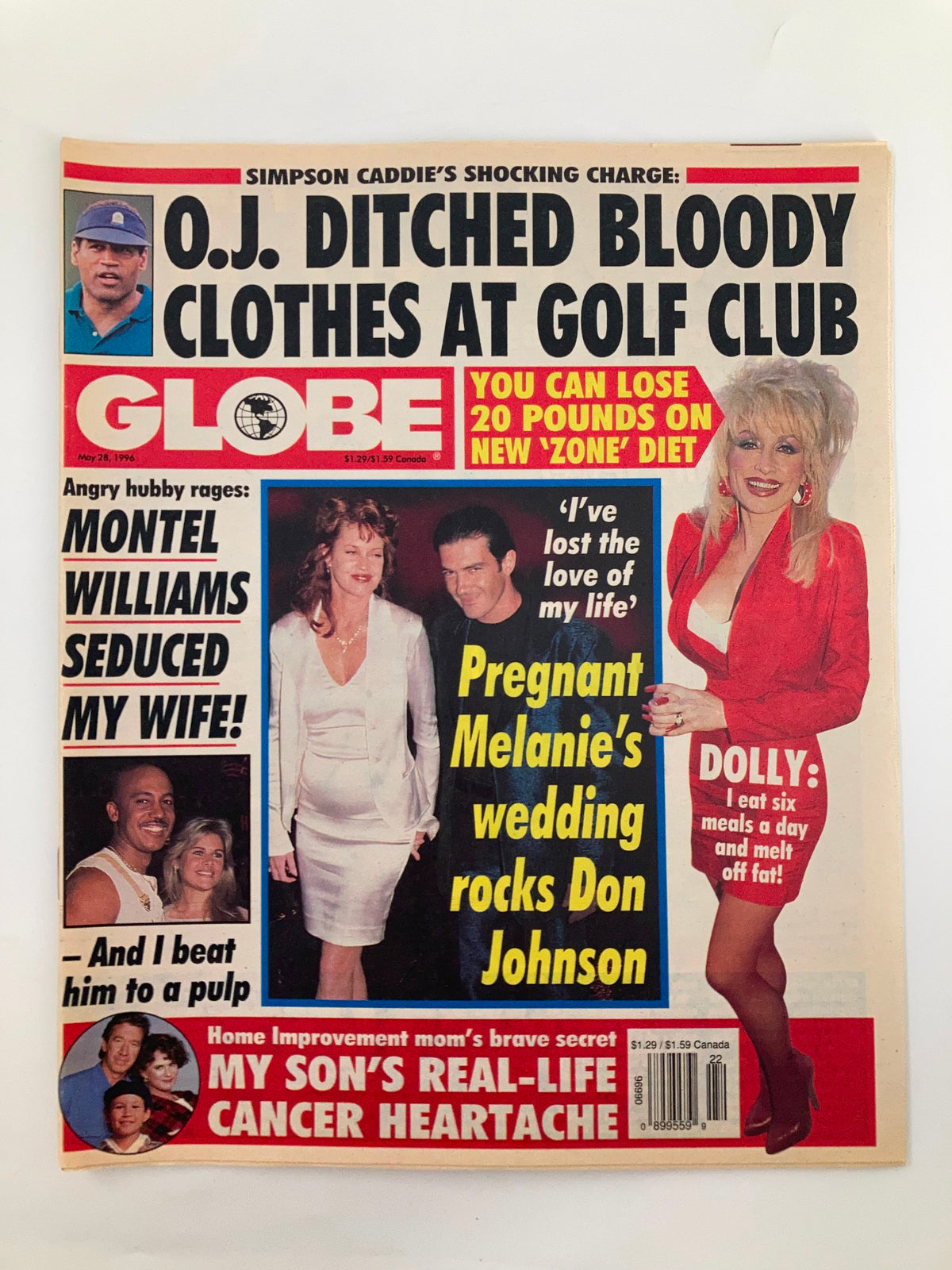
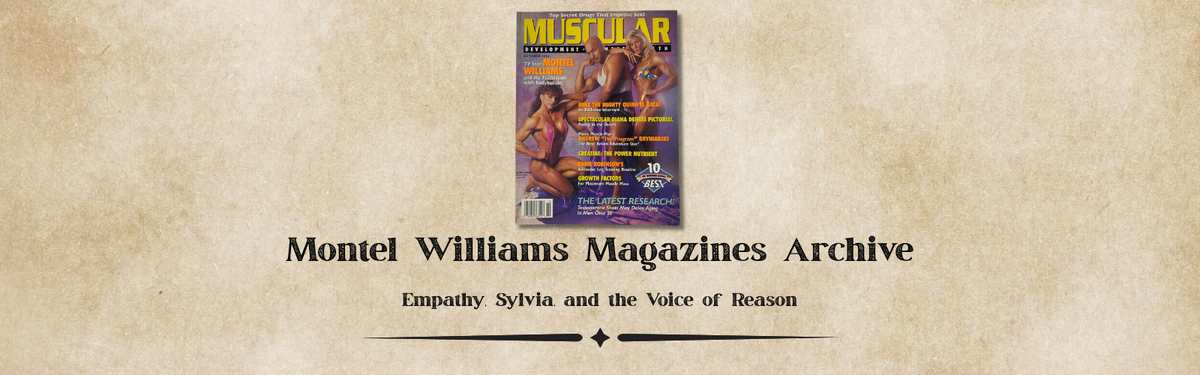
Vintage magazines of the 1990s and early 2000s approached this host and advocate with a tone that oscillated between celebration and probing curiosity, reflecting the broader cultural ambivalence of an era grappling with the boundaries of confessional media. Editorial photography from this period frequently placed him in commanding, composed portraits — crisp suits, direct gaze, the visual language of authority softened by accessibility. Publications such as Ebony and Jet, the essential chroniclers of Black achievement in American life, covered his ascent with particular depth and pride, contextualizing his success within a broader narrative of representation and resilience. TV Guide, the era's indispensable companion to the television-watching public, featured him regularly as daytime television reached its cultural zenith, while general interest titles and health-focused periodicals turned their lenses toward him with renewed urgency following his public disclosure of his MS diagnosis in 1999 — a moment that transformed him, in the eyes of many readers, from entertainer to advocate.
Curator's Checklist: Highlights Often Include
- Military & Service Features — Early career profiles touching on his decorated tenure in the U.S. Navy and Naval Intelligence, a dimension of his biography that distinguished him sharply from his talk-show contemporaries
- Daytime Television Retrospectives — Editorial spreads and rankings from the peak era of syndicated talk, positioning his show within the storied and competitive landscape of 1990s daytime programming
- MS Advocacy & Health Coverage — Deeply personal interviews and feature articles from the late 1990s onward, as he became one of the most prominent public faces of multiple sclerosis awareness in America
- African American Excellence Profiles — Richly illustrated features in Black press publications celebrating his role as a visible, principled figure in entertainment and public discourse
- Lifestyle & Motivational Spreads — Magazine profiles tied to his authorship and public speaking, capturing the self-help and empowerment ethos that defined both his brand and his era
The Collector's Value
To hold one of these original issues is to hold the texture of a specific American moment — the slight give of mid-weight coated stock beneath your fingertips, the faint ghost of ink and aged paper that no digital archive can replicate, the full-page advertisements for long-discontinued colognes and cellular carriers that frame the editorial content like a time capsule sealed in plain sight. These are primary sources: unrevised, unfiltered records of how a culture saw itself and its icons in real time. For collectors of vintage television memorabilia, African American cultural history, or MS awareness and advocacy ephemera, these publications offer something no streaming platform or Wikipedia entry can — the weight of the moment as it was actually lived, printed, and placed on newsstands across a nation still learning to have difficult conversations in the light of day. Explore the current available inventory below and discover which pieces of this remarkable legacy are waiting to find their next devoted home.