📖 About this Collection
Nadia Comăneci: The Girl Who Made the Scoreboard Blink
The Legend & The Legacy
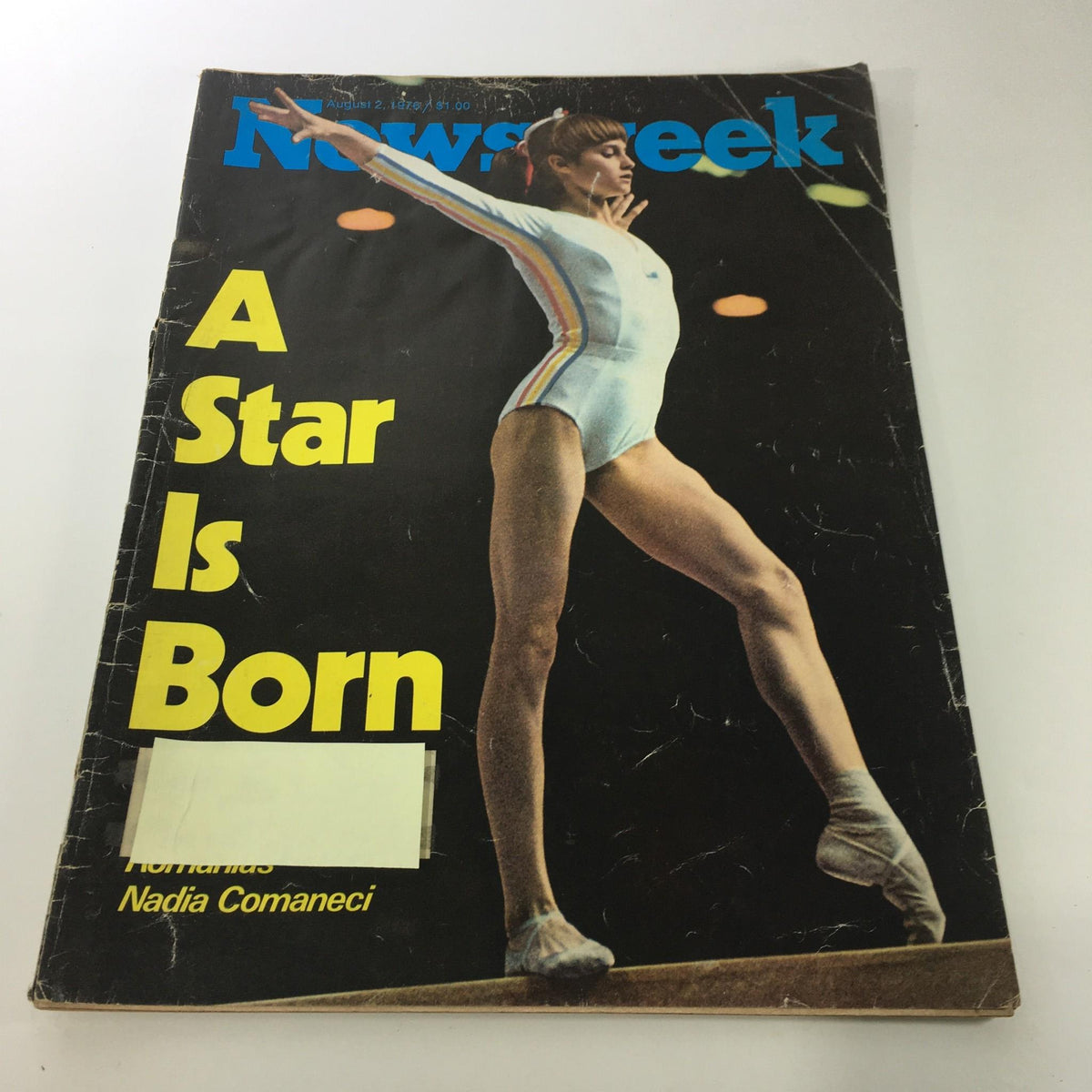
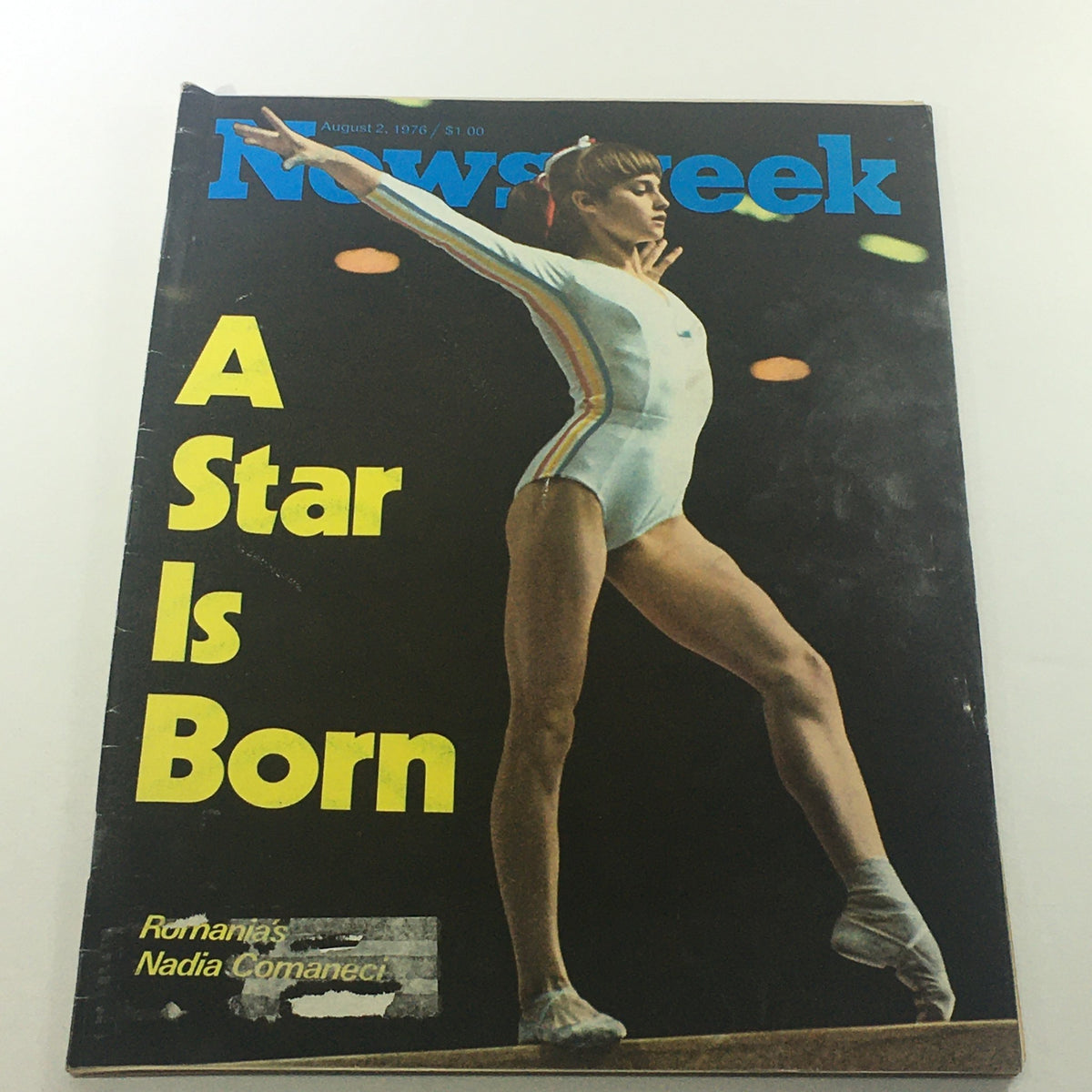
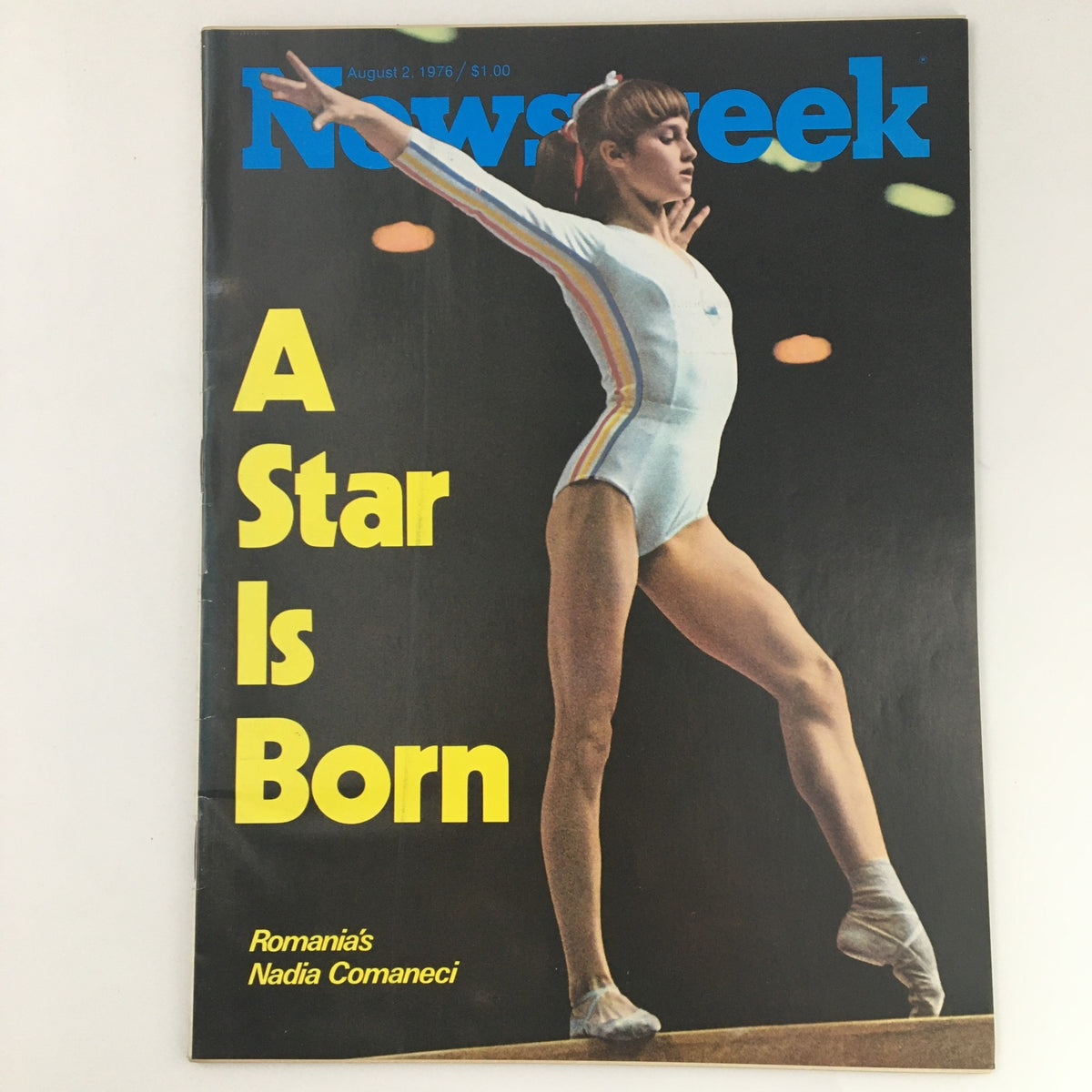
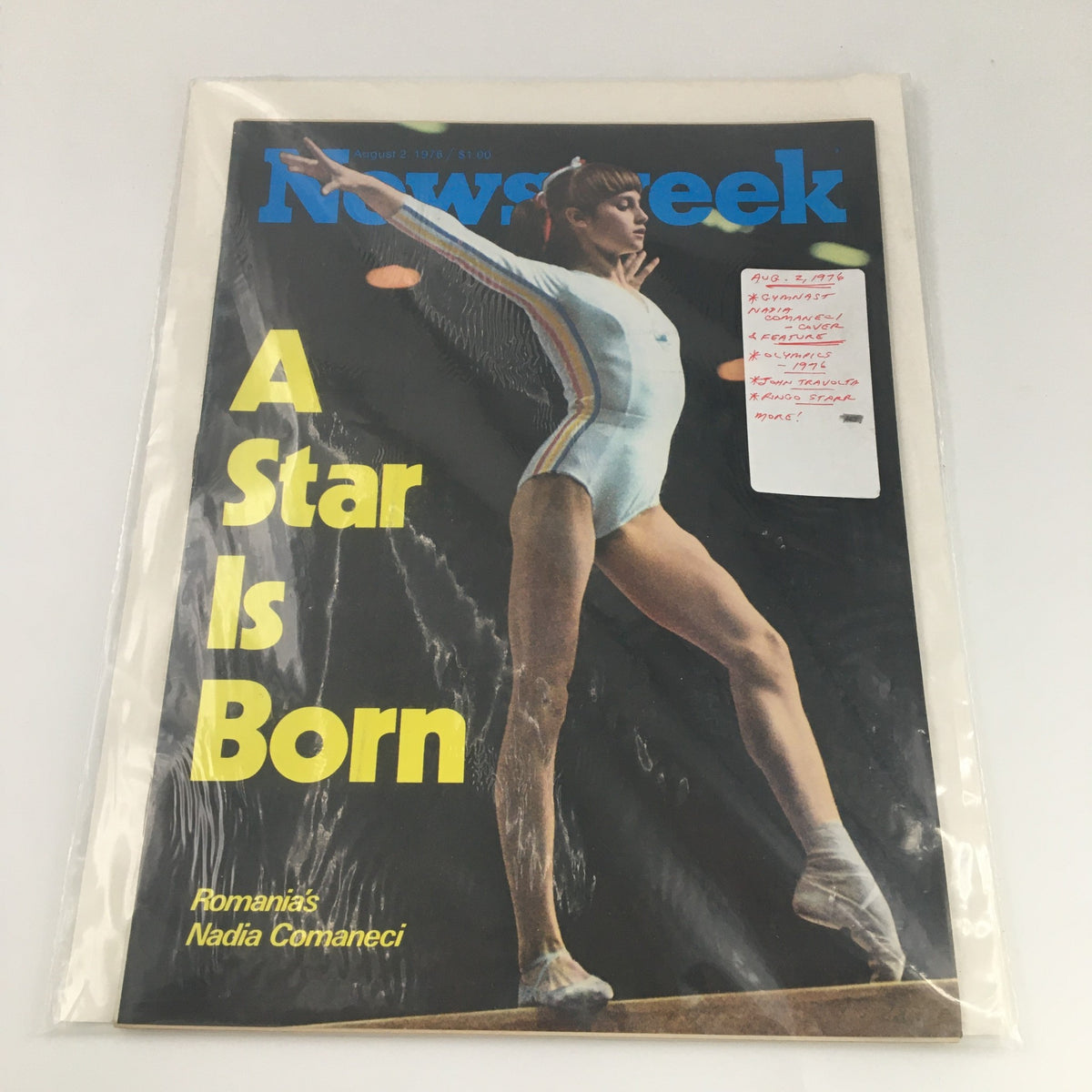
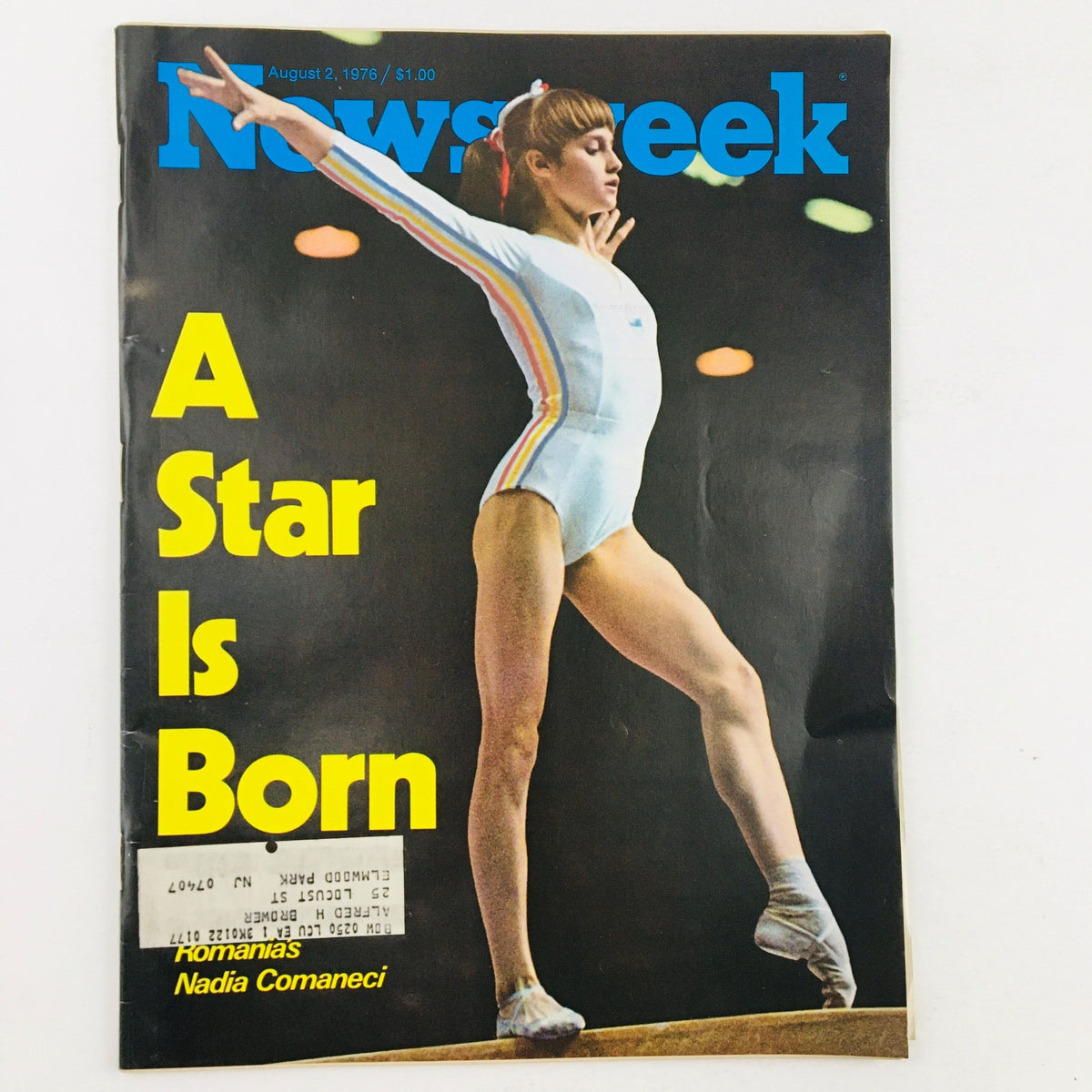
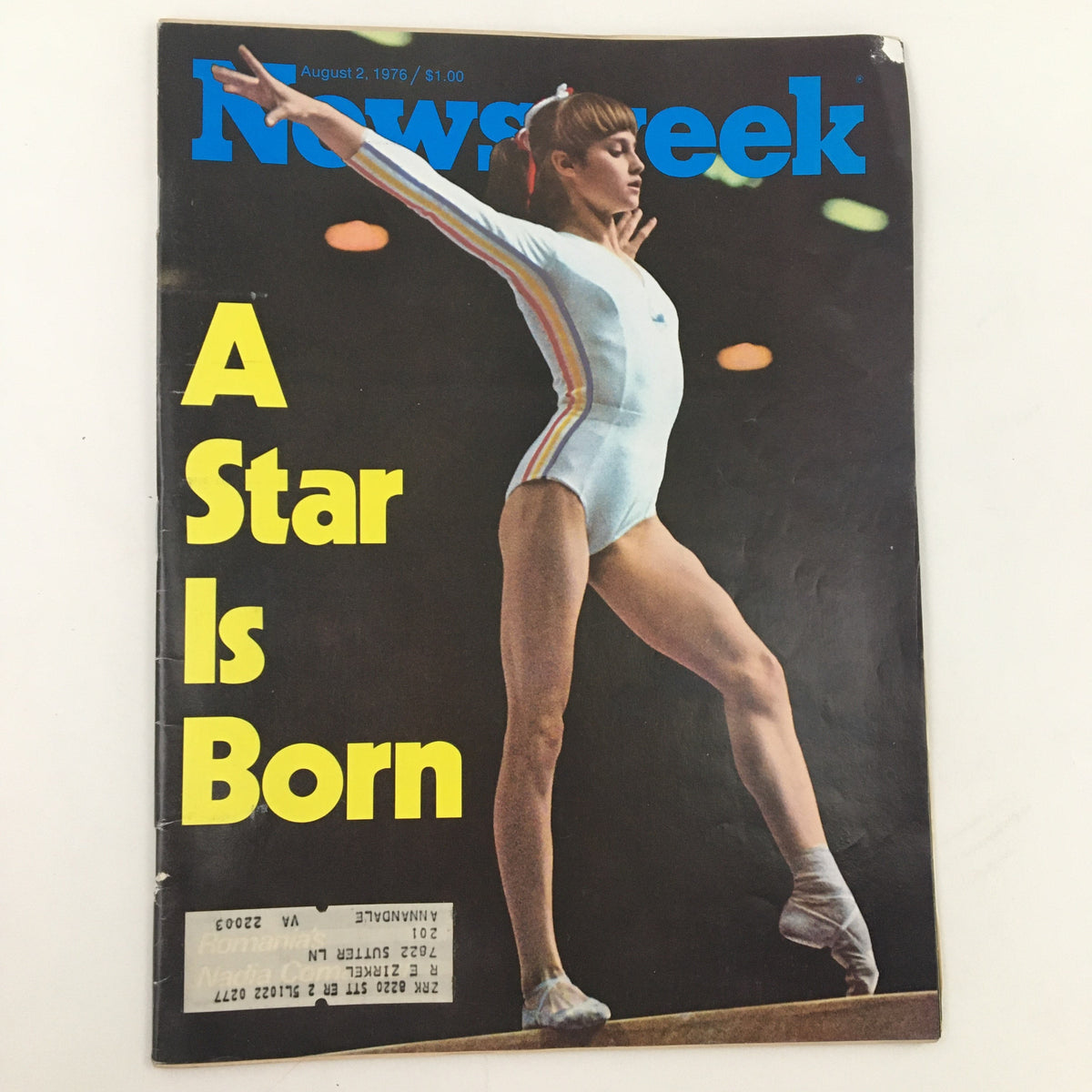
In the summer of 1976, a fourteen-year-old from Onești, Romania walked into the Montreal Olympic Arena and quietly rewrote the laws of human possibility. When the scoreboard displayed "1.00" — unable to process the perfect 10.0 she had just earned — the world did not merely witness a sporting achievement; it witnessed a cultural rupture. In an era before instant replays looped endlessly on smartphones and viral moments dissolved within days, the image of that slight, composed young gymnast spread exclusively through the great print organs of the world — thick Sunday newspapers, glossy weeklies, and international sports magazines that readers folded and carried and kept. Her story was consumed slowly, reverently, issue by issue, month by month, as the world tried to make sense of a prodigy who had emerged from behind the Iron Curtain to achieve something the machines of modernity could not even display. She became, in the truest sense, a creature of print — her poise immortalized in photographic stills rather than GIFs, her legend deepened by the considered prose of journalists who had time, and column inches, to think.
Inside the Archive
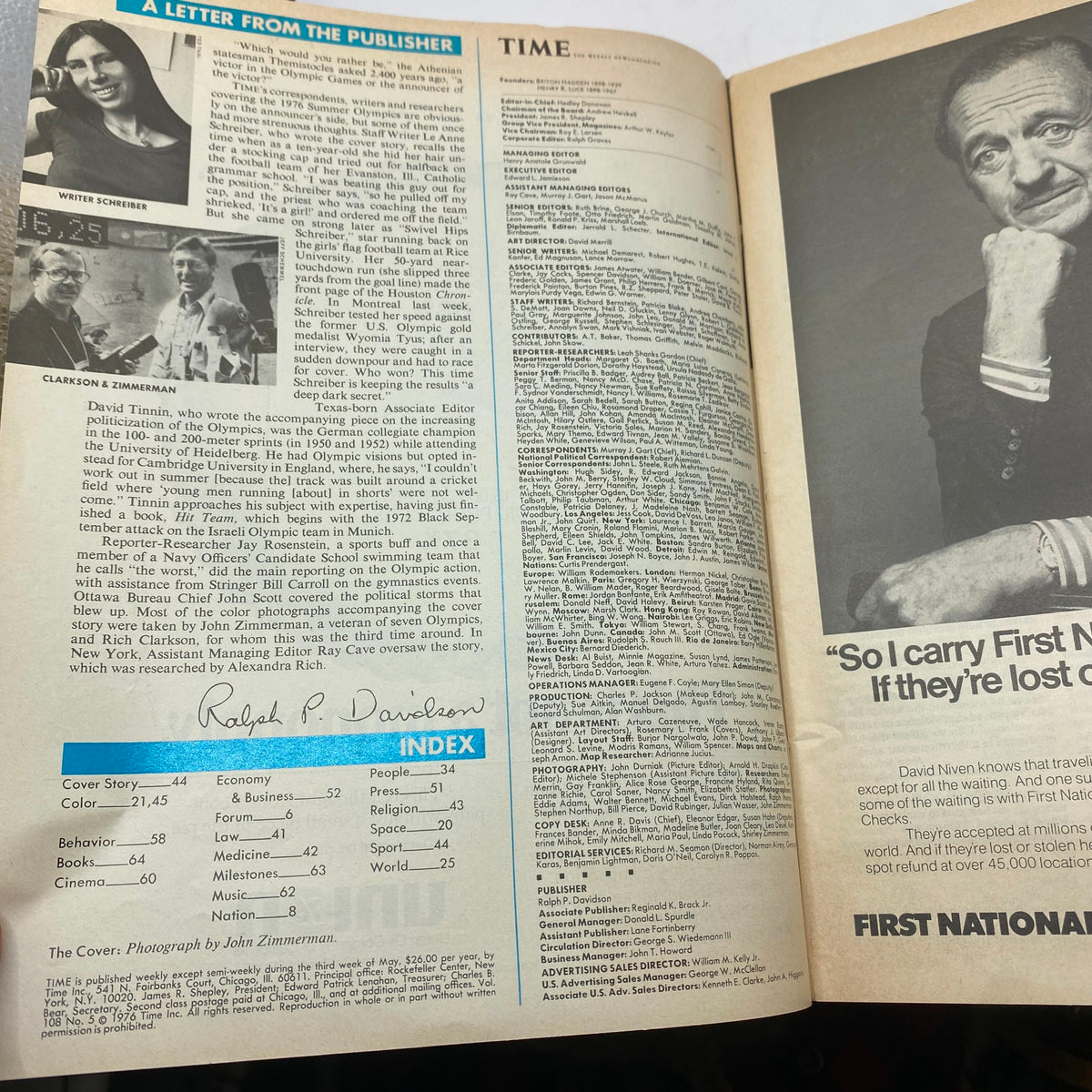
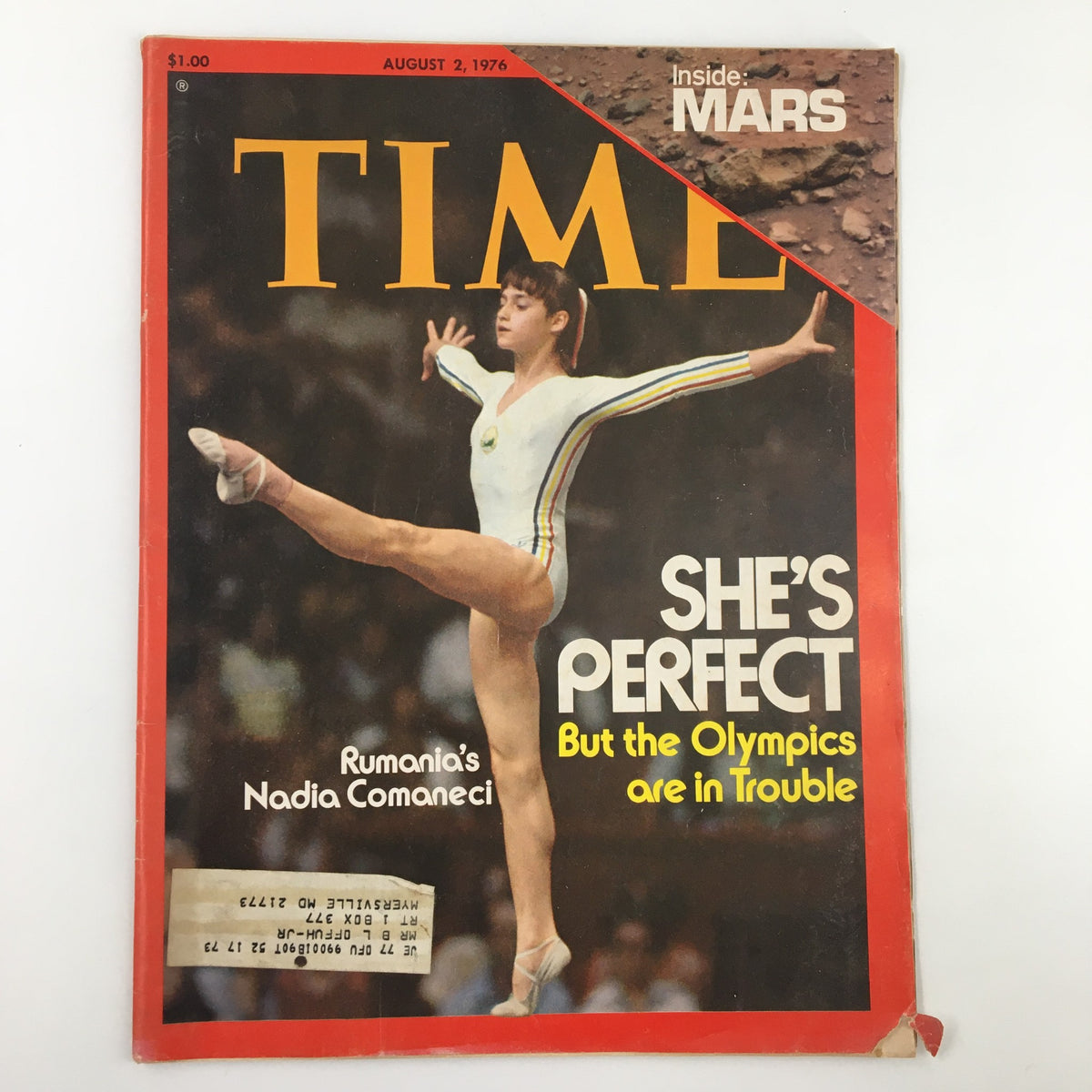
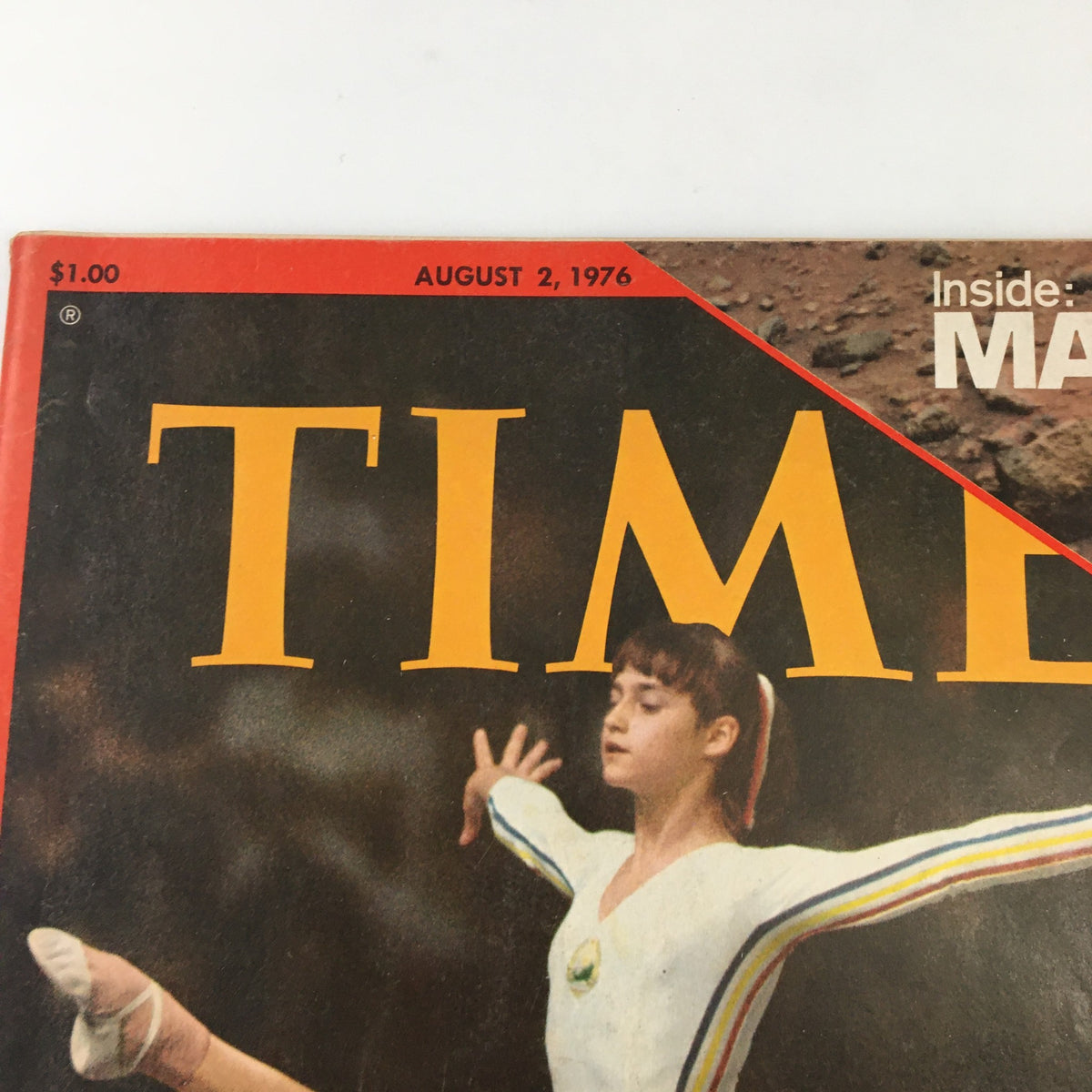
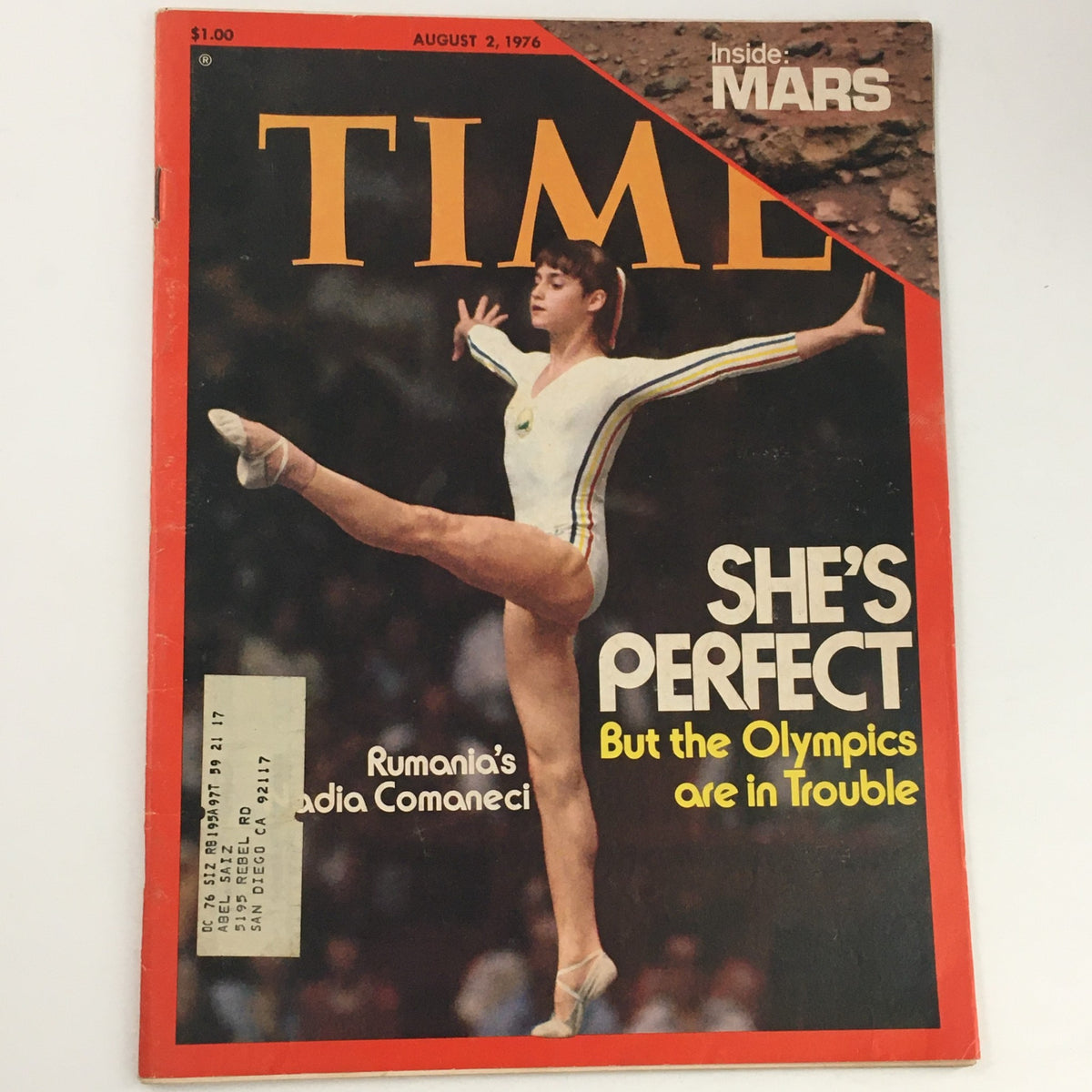
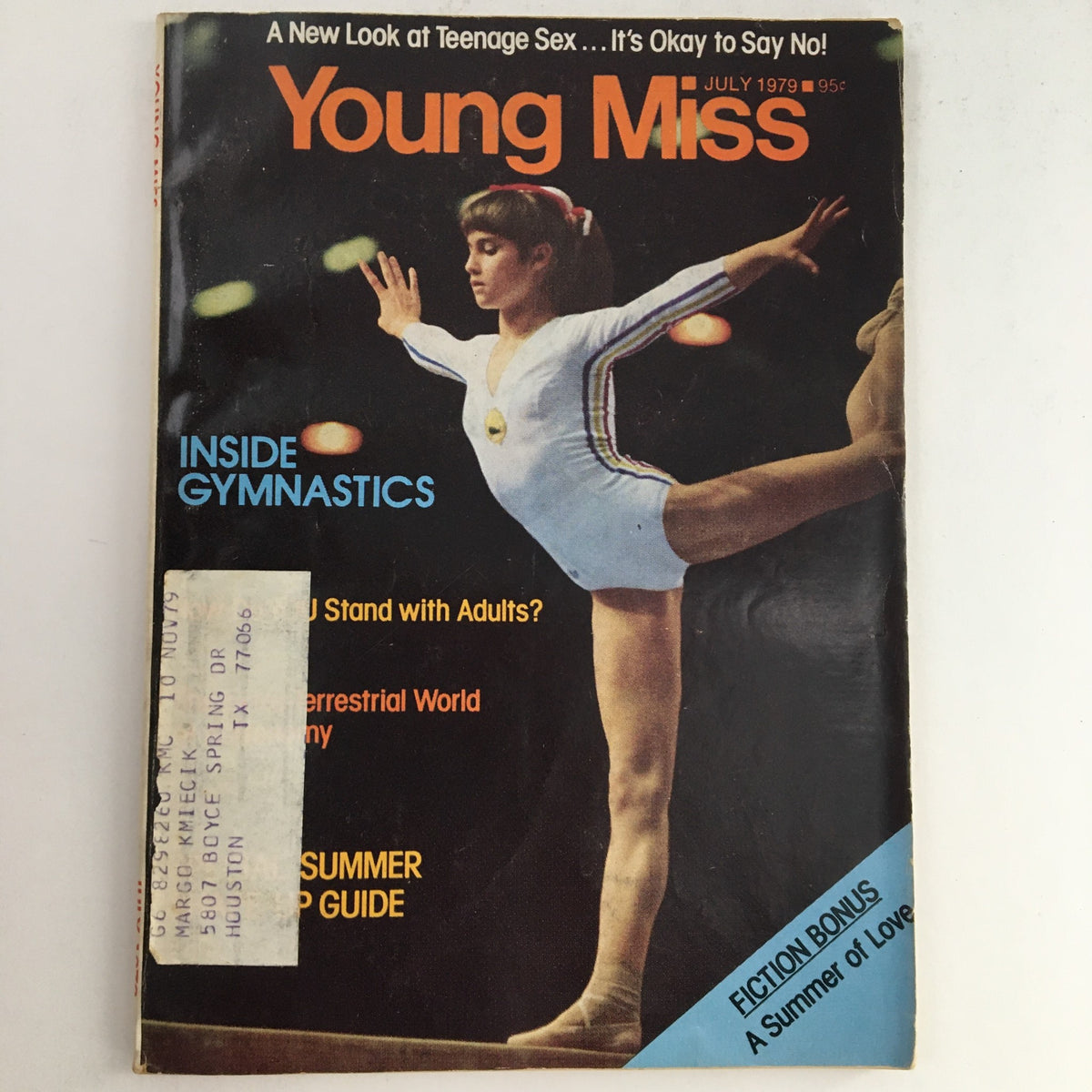
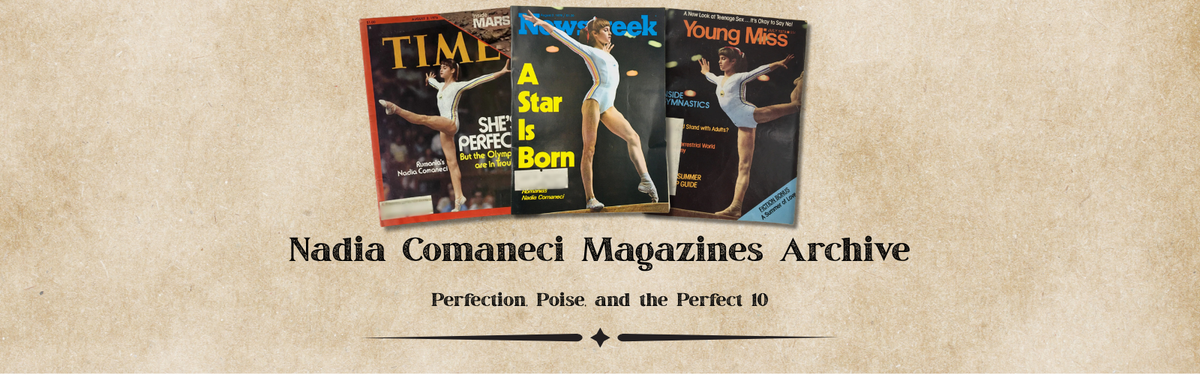
The photographic coverage of the Romanian gymnast in her peak years represents some of the most striking sports imagery of the entire Cold War era. Photographers were captivated not only by the acrobatic geometry of her routines — the clean arc of a back handspring, the absolute stillness of a landing — but by the almost unsettling composure of her face: a child's face wearing the expression of a philosopher. Sports Illustrated devoted multiple covers and extended features to her Montreal triumph and her subsequent career, cementing her as one of the defining athletic figures of the 1970s. The French institution Paris Match, with its tradition of treating sport as high drama, offered sweeping, elegantly laid-out spreads that framed her as both ambassador and enigma of Eastern Europe. Time magazine, in its role as the periodical of record for global cultural moments, placed her achievements in the broader geopolitical theatre of an Olympics shadowed by Cold War tension — transforming a gymnastics story into a story about the world itself. Across these publications, the editorial tone balanced breathless admiration with genuine curiosity: who was this girl, where had she come from, and what system had produced her?
Curator's Checklist: Highlights Often Include
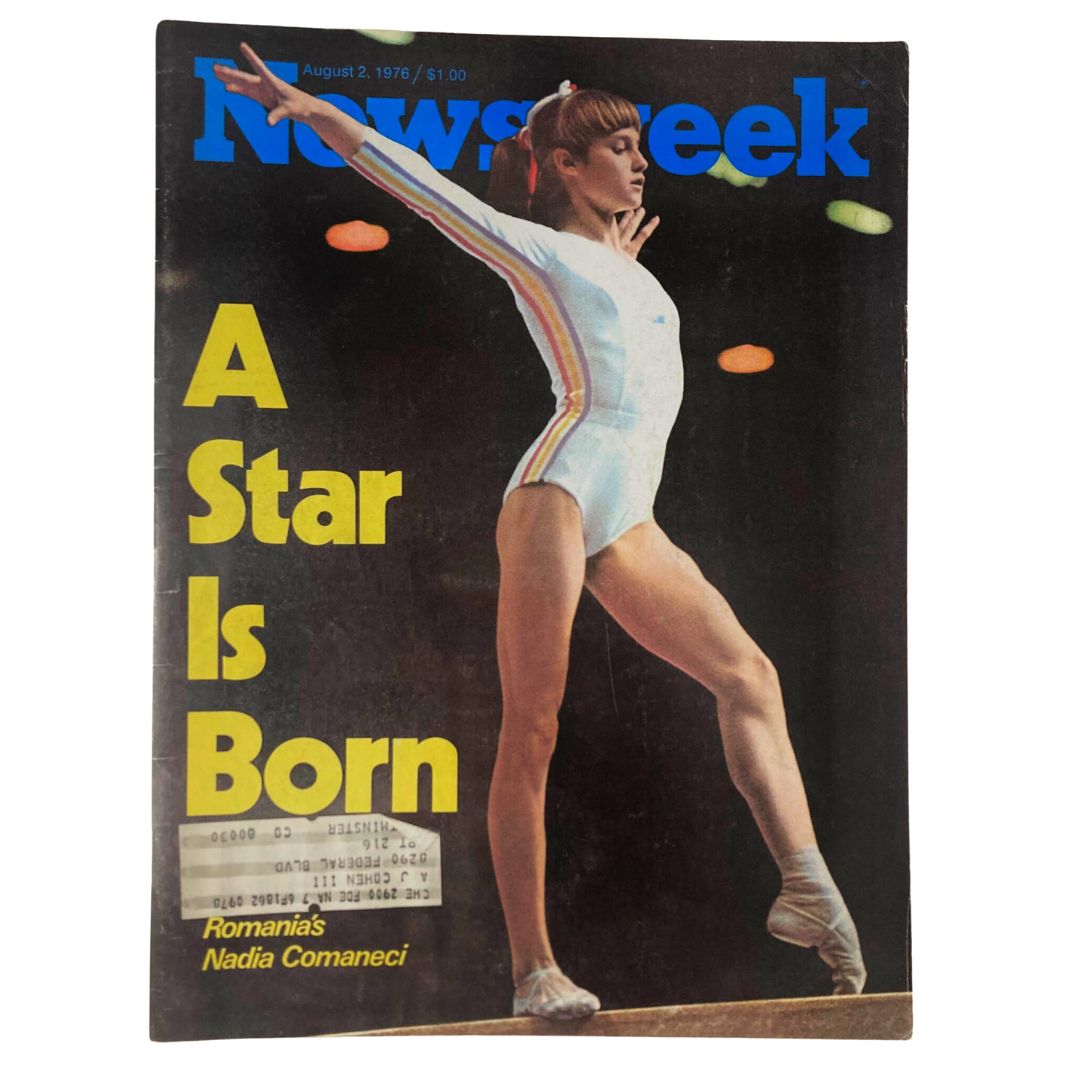
- Olympic coverage from Montreal 1976 — Issues from July and August of that year frequently feature the historic perfect 10, the scoreboard confusion, and the broader spectacle of the Games, with the young prodigy often appearing on or near the cover of major weeklies and sports publications worldwide.
- Cold War human-interest narratives — Collectors often encounter long-form editorial pieces exploring life in Communist Romania, using the gymnast's remarkable ascent as a lens through which Western readers were invited to examine the Soviet bloc's state sports apparatus.
- Moscow 1980 Olympics retrospectives — Coverage of her more complex, mature return to the Olympic stage frequently appears in sports and general-interest titles from that year, capturing a changed athlete navigating a charged political moment.
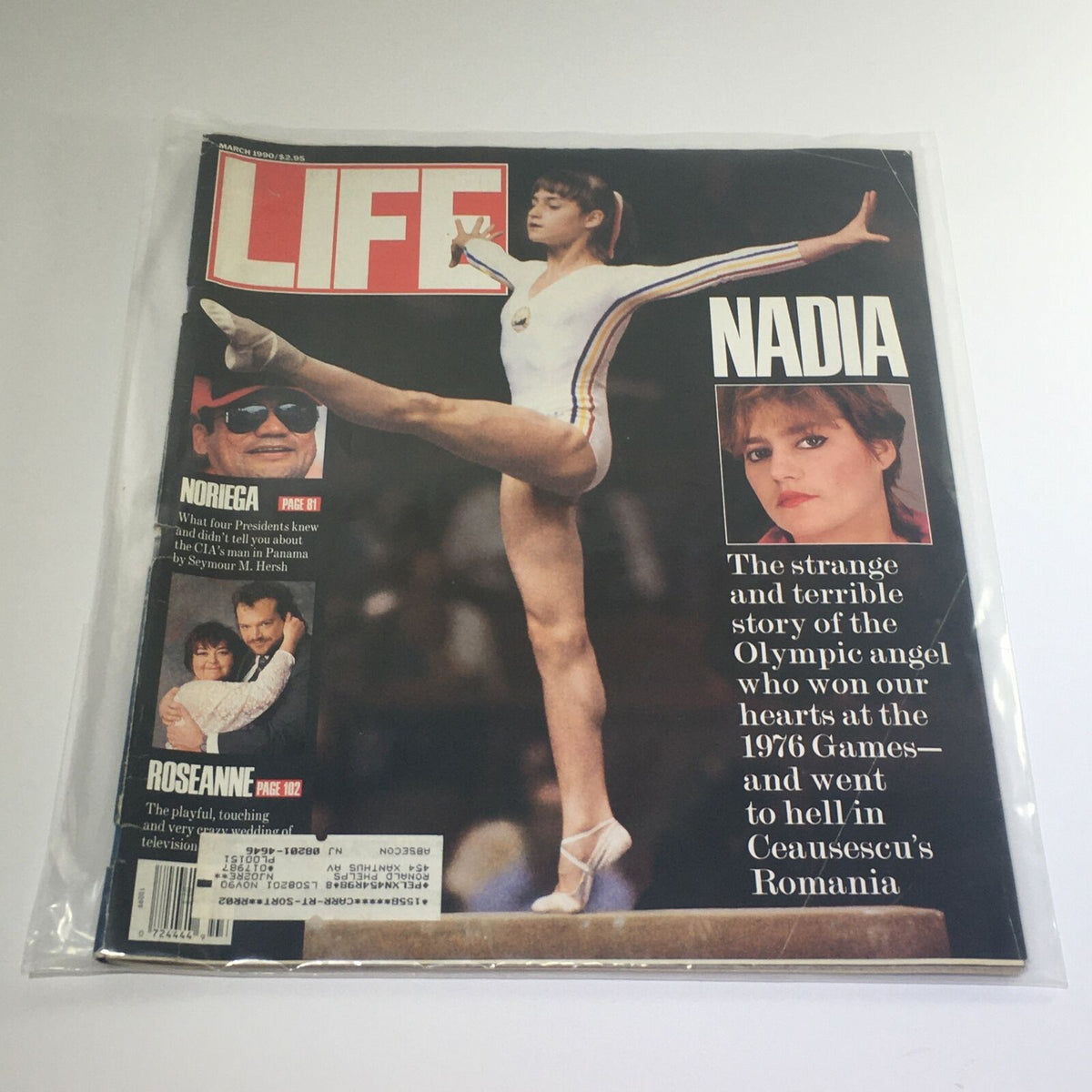
- Her 1989 defection and its aftermath — Among the most historically charged items in this category, magazine issues from late 1989 and into the early 1990s document her dramatic flight from Romania amid the fall of Ceaușescu, offering a remarkable convergence of personal and world history on a single printed page.
- Anniversary and retrospective features — Publications marking the tenth and twentieth anniversaries of the 1976 Games often revisited her legacy with updated photography and reflective long-form journalism, making these issues valuable secondary documents of how history chooses to remember its icons.
The Collector's Value
To hold one of these original issues is to hold something the internet cannot replicate: a primary source object, printed in real time, by journalists and editors who did not yet know how the story would end. The paper stock of a mid-1970s Sports Illustrated has a particular weight and warmth to it — slightly yellowed at the margins now, with that distinctive woody, slightly sweet scent that serious collectors recognize immediately as the smell of preserved history. The advertisements surrounding the editorial — for American automobiles, transistor radios, leisure suits — place you with startling precision in the exact cultural moment the gymnast first astonished the world. These are not reproductions or commemorative prints; they are the genuine artifacts through which an entire generation first encountered one of sport's most enduring stories. For collectors of Olympic history and memorabilia, Cold War cultural artifacts, or landmark moments in women's sport, these publications offer something beyond decoration — they offer testimony, printed on paper, witnessed and distributed before the age of digital forgetting. Explore the current inventory below and discover which pieces of this extraordinary history are available today.