📖 About this Collection
Ronnie Coleman: The Weight of Greatness, Frozen in Print
The Legend & The Legacy
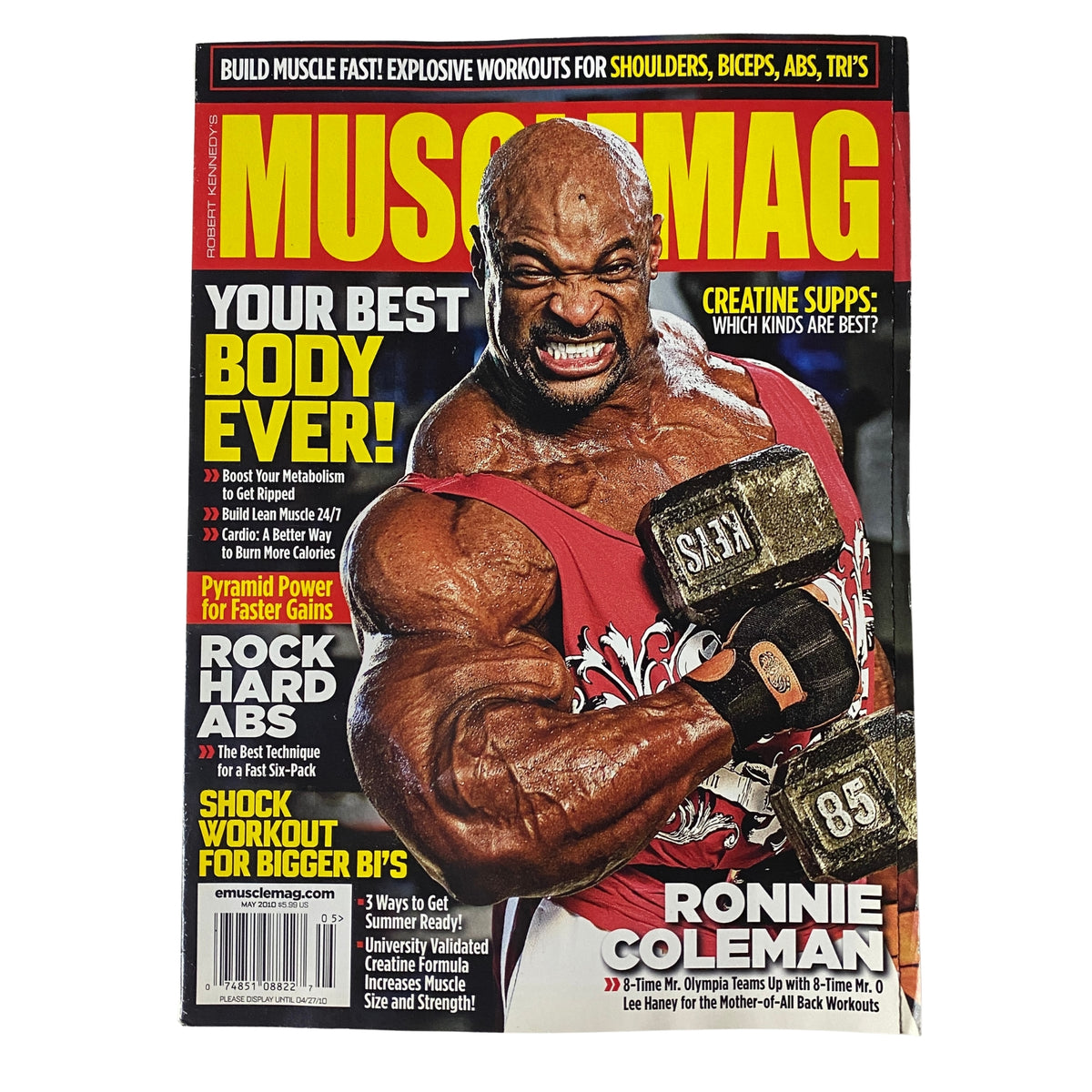
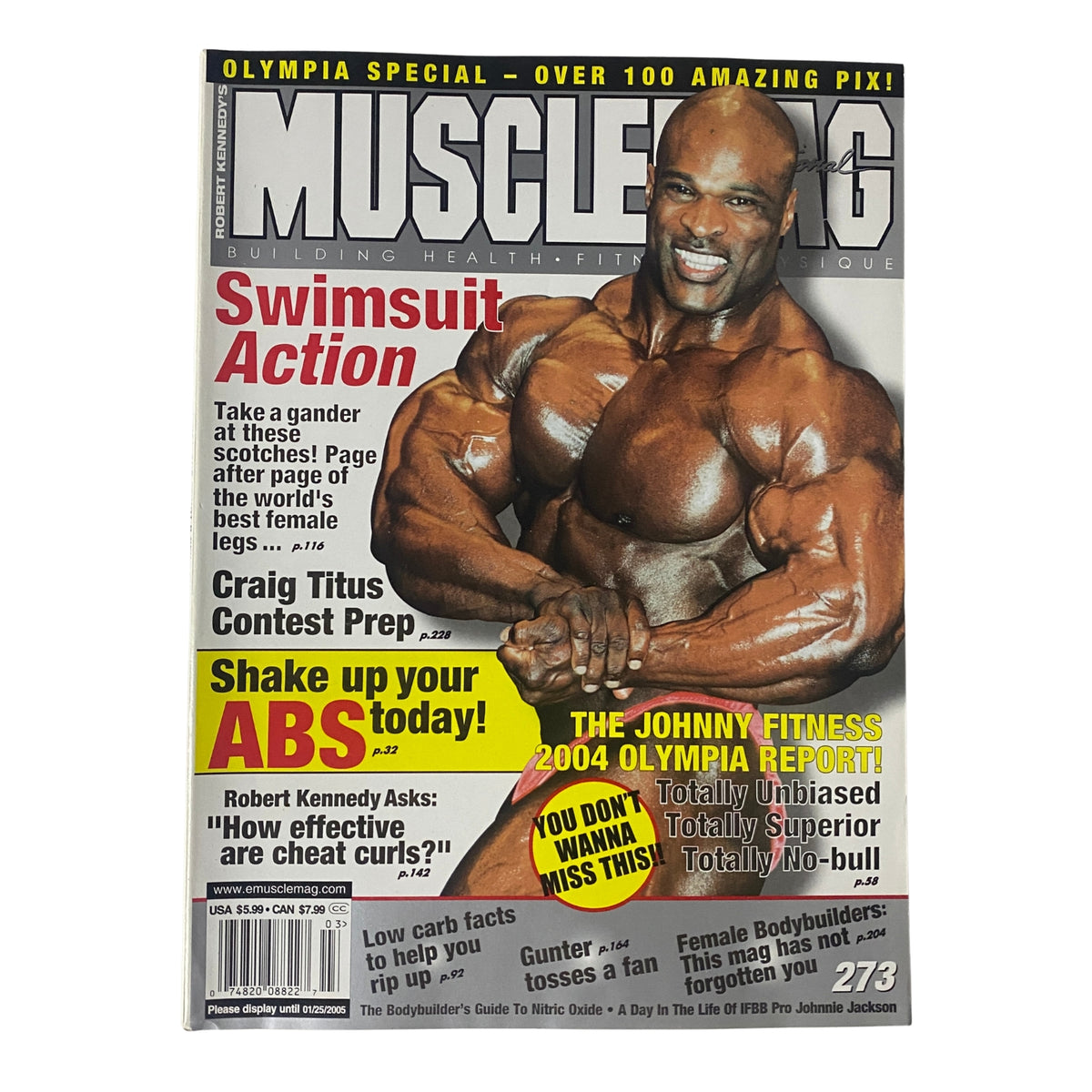
In an era before Instagram feeds and YouTube training montages, the story of Ronnie Coleman was told one glossy page at a time. Rising from the streets of Bastrop, Louisiana, and the grind of a police officer's beat in Arlington, Texas, Coleman rewrote every rule of what the human body could achieve — claiming eight consecutive Mr. Olympia titles from 1998 to 2005 and standing alongside Arnold Schwarzenegger as one of the sport's two undisputed sovereigns. His dominance was not a quiet one. It was thunderous, almost mythological, witnessed live by a devoted subculture and then re-lived, re-analyzed, and revered through the print publications that bodybuilding's faithful carried to the gym, dog-eared at home, and stacked in garages like sacred texts. For a generation of athletes and dreamers, the glossy cover image of Coleman — arms spread in a most-muscular pose, eyes locked on some invisible horizon — was the closest thing to a religious icon that sport had ever produced.
Inside the Archive
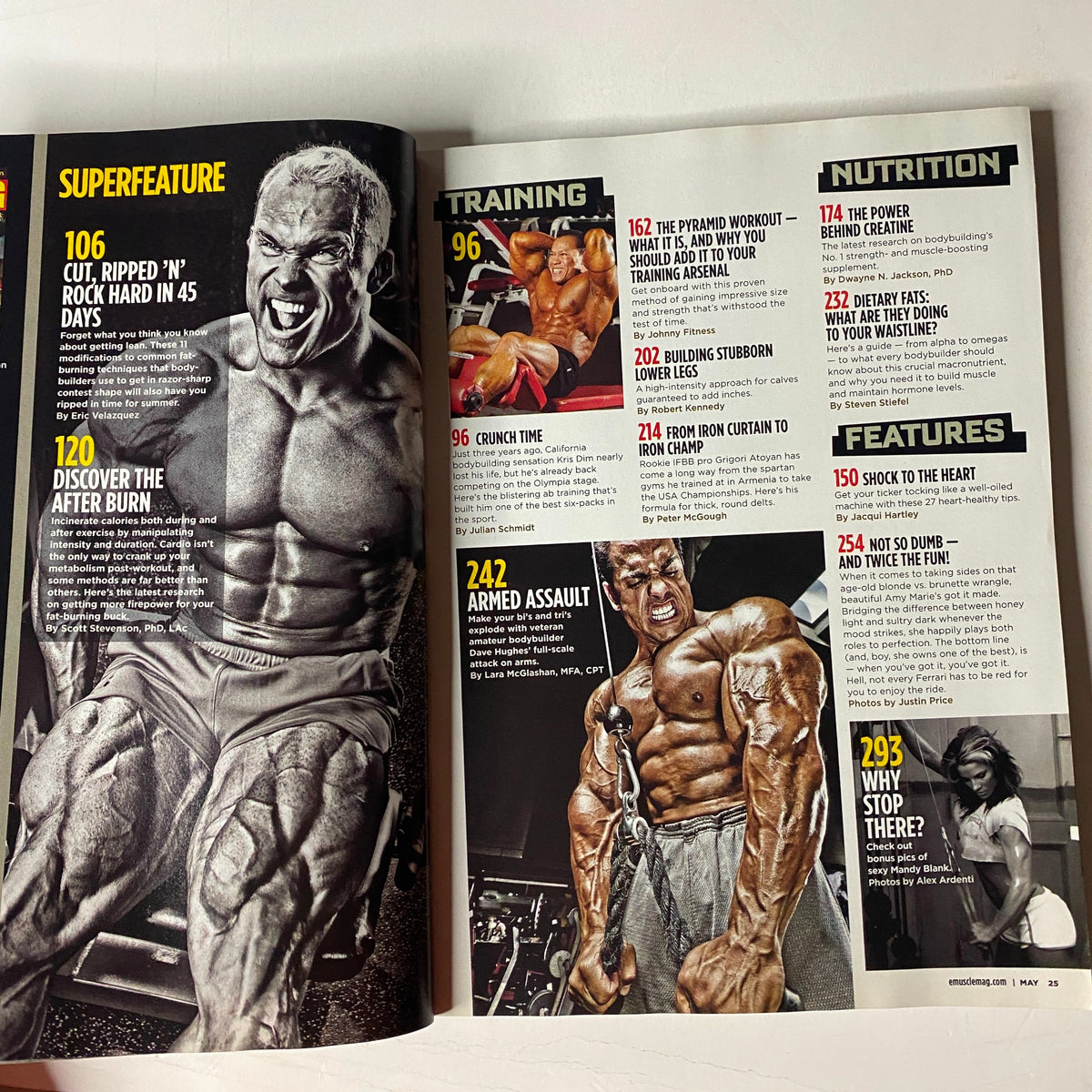
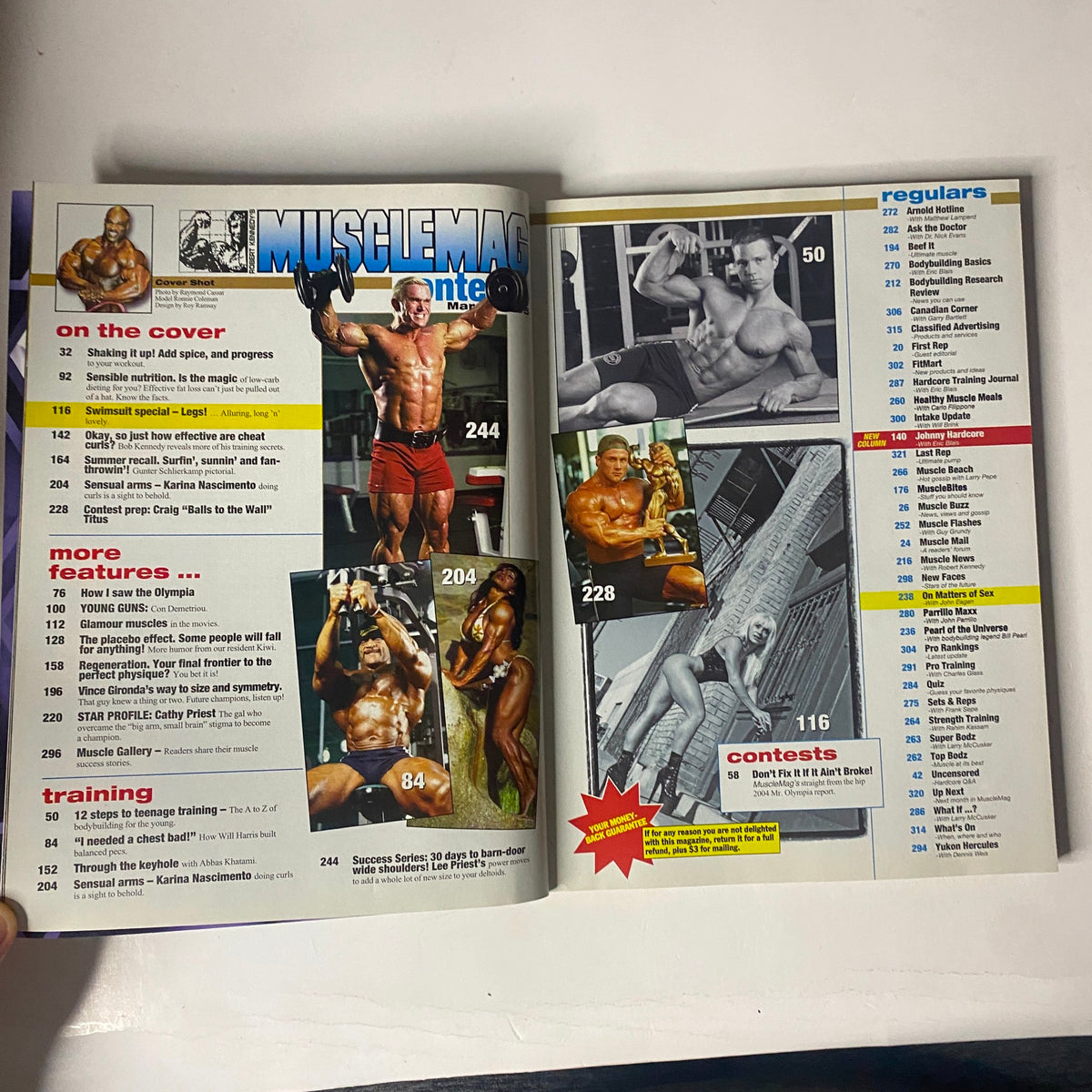
The golden age of physique publishing met its perfect subject in Coleman. Magazines of this era were not merely reporting on the sport — they were building its mythology, and he stood at the center of it. Publications like Flex and Muscle & Fitness, the twin pillars of mainstream bodybuilding media, devoted cover after cover to his reign, their photography evolving alongside his physique: dramatic, high-contrast studio lighting that sculpted shadow into muscle, candid backstage shots from the Olympia stage in Las Vegas, and sprawling features that followed him into the weight room at Metroflex Gym in Arlington, where the raw, industrial footage of his training became legend. MuscleMag International, the influential Canadian publication that shaped serious collectors' shelves throughout the 1990s and 2000s, offered its own editorial perspective — often more irreverent, more analytical — providing a counterpoint to the American publications' unabashed hero worship. The photography in these pages was intentional and monumental: these were not snapshots but portraits, crafted to communicate scale, symmetry, and sheer human improbability.
Curator's Checklist: Highlights Often Include
- Olympia Contest Coverage: Feature spreads documenting the annual Mr. Olympia competition in Las Vegas, including backstage photography, judging analysis, and the iconic moment of the Sandow trophy presentation across his eight-title reign (1998–2005)
- Metroflex Training Exclusives: Editorial features set inside his legendary Arlington, Texas gym — raw, unglamorous, and deeply authentic — capturing the environment that produced one of sport's most remarkable athletes
- Rivalry & Era Context: Issues examining his defining competitive rivalries, particularly with Flex Wheeler, Jay Cutler, and Dexter Jackson, offering cultural snapshots of bodybuilding at its commercial and athletic peak
- International & Crossover Coverage: European physique publications and mainstream fitness titles that brought his story to audiences beyond the core bodybuilding community, reflecting the sport's expanding global footprint in the late 1990s
- Supplement & Sponsorship Features: Period advertisements and branded editorial content reflecting his long association with BSN and the broader supplement industry — a time capsule of late-20th-century fitness commerce and marketing aesthetics
The Collector's Value
There is something irreplaceable about holding a copy of Flex from the autumn of 1998 — the year the throne changed hands — and feeling the particular weight of that coated paper stock, slightly yellowed at the margins now, the ink carrying that faintly sweet, mineral scent that no digital archive has ever come close to replicating. The surrounding advertisements are themselves a time capsule: creatine monohydrate sold in foil pouches, meal replacement bars promising futures that tasted like chalk, gym equipment photographed against gradient backdrops that speak unmistakably of their decade. These are primary source documents, not nostalgia pieces — physical evidence of a sporting era that reshaped the global fitness industry and elevated bodybuilding to its highest cultural watermark. For collectors of golden-era bodybuilding ephemera, late-20th-century sports memorabilia, or physical culture and fitness history, these publications offer an unmediated connection to the moment itself, unfiltered by retrospect or algorithm. Browse the current available inventory below and discover what the archive holds today.