📖 About this Collection
Snoop Dogg: Chronicle of the West Coast Crown
The Legend & The Legacy
When Calvin Cordozar Broadus Jr. emerged from Long Beach, California in the early 1990s, he did not simply arrive on a music scene — he redefined its entire gravitational center. Baptized by the world as Snoop Dogg, he became the unhurried, drawling embodiment of West Coast gangsta rap at a moment when that culture was seizing the national imagination with both hands. His 1992 debut on Dr. Dre's The Chronic and his own landmark 1993 album Doggystyle broke sales records and ignited fierce moral debates that reached the floors of the U.S. Senate. Before social media algorithms and streaming dashboards, the American public processed this phenomenon the only way it knew how — through the printed page. Magazine editors scrambled to decode him for their readerships: Was he a menace, a poet, a generational mouthpiece, or simply the coolest man alive? The answer, as millions of readers discovered across newsstands from Compton to Connecticut, was that he was all of these things at once, and print media was the arena where that complexity first played out in vivid, unfiltered color.
Inside the Archive
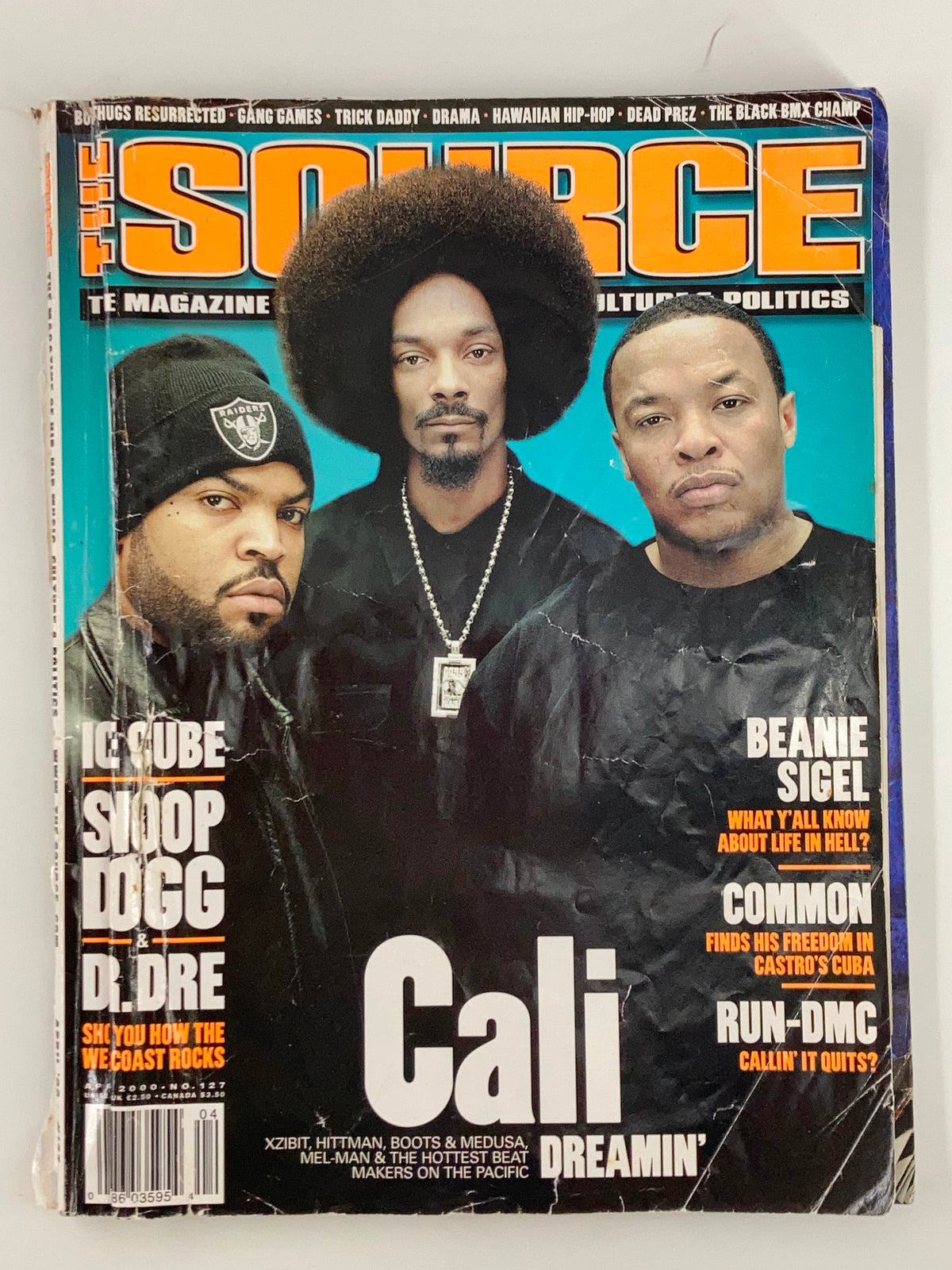
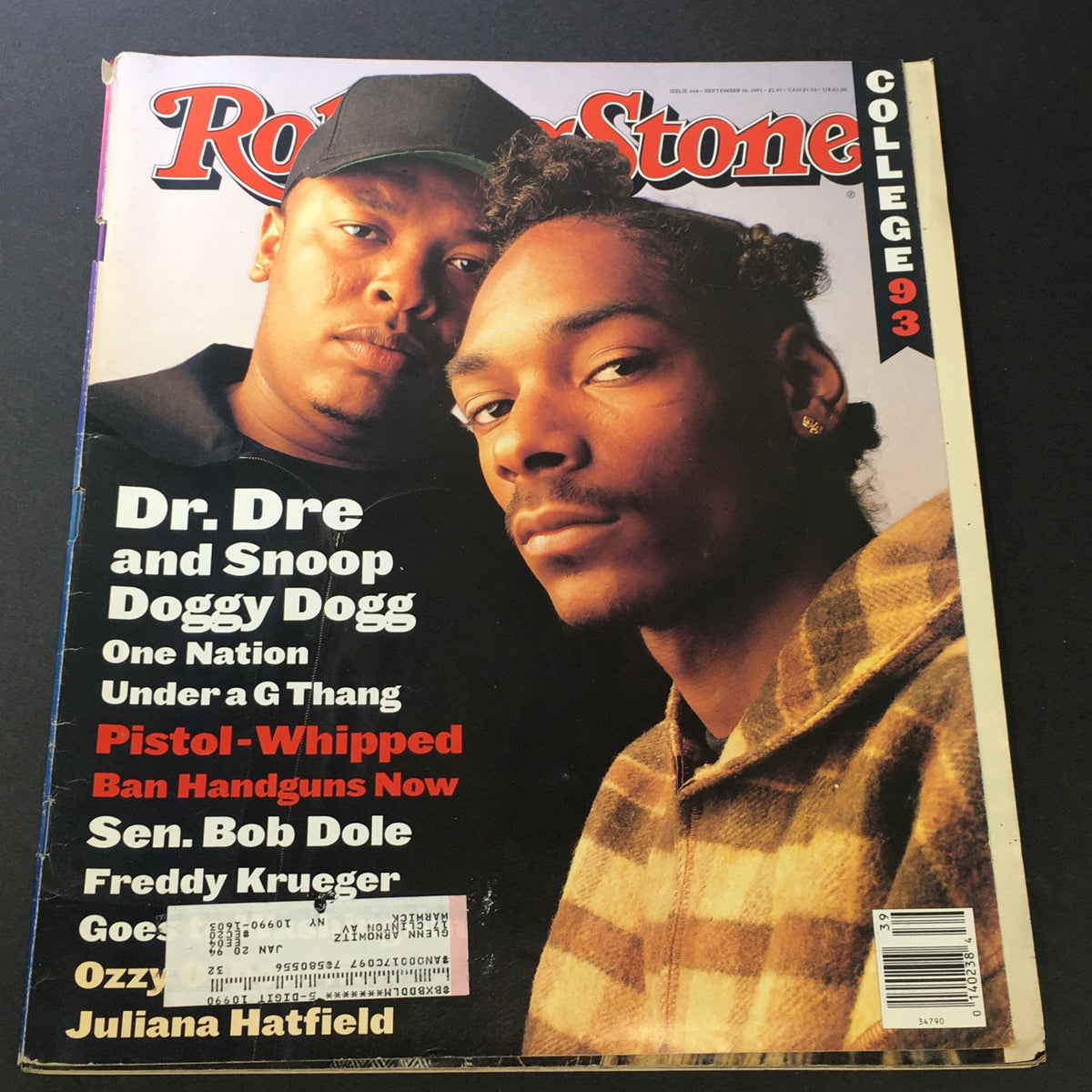
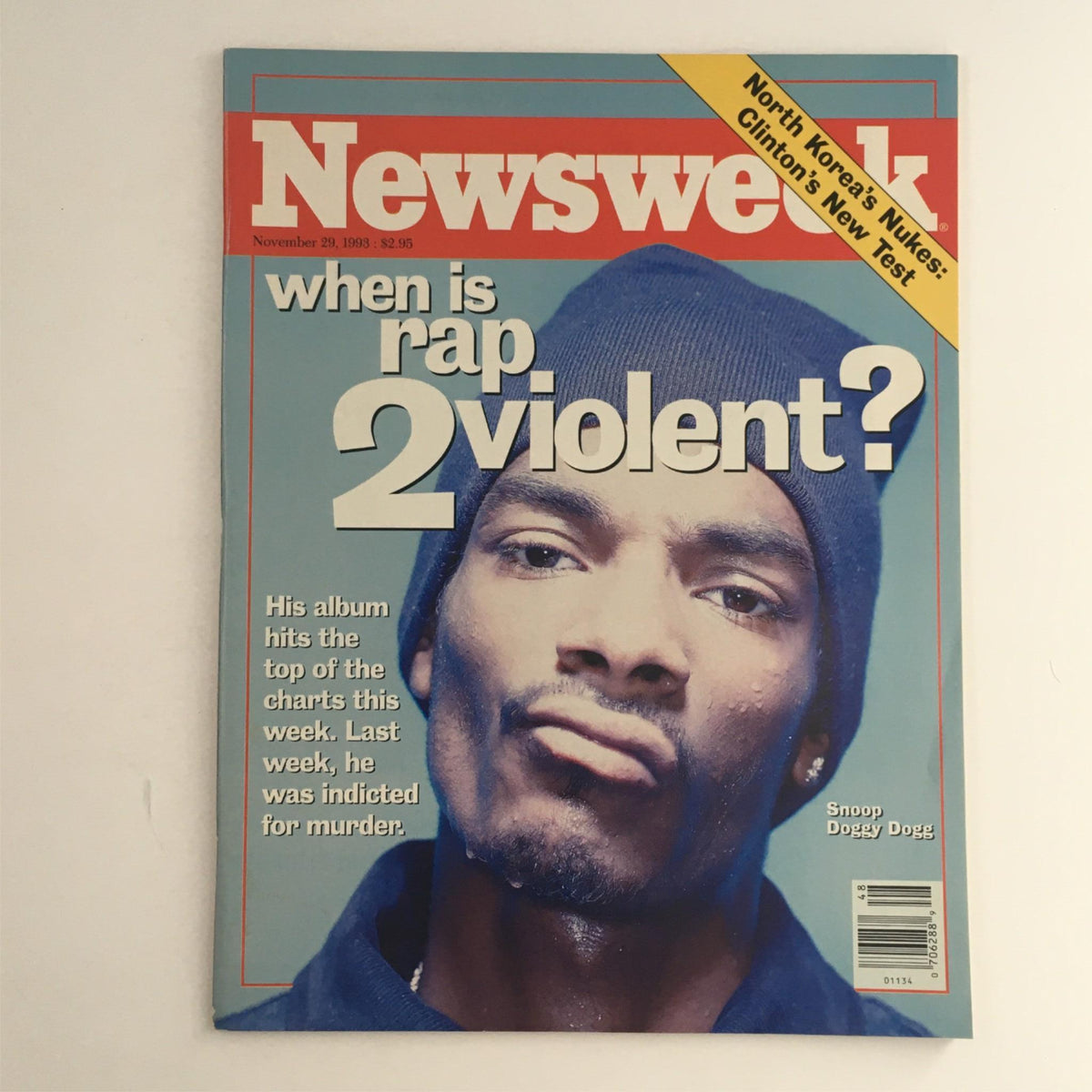
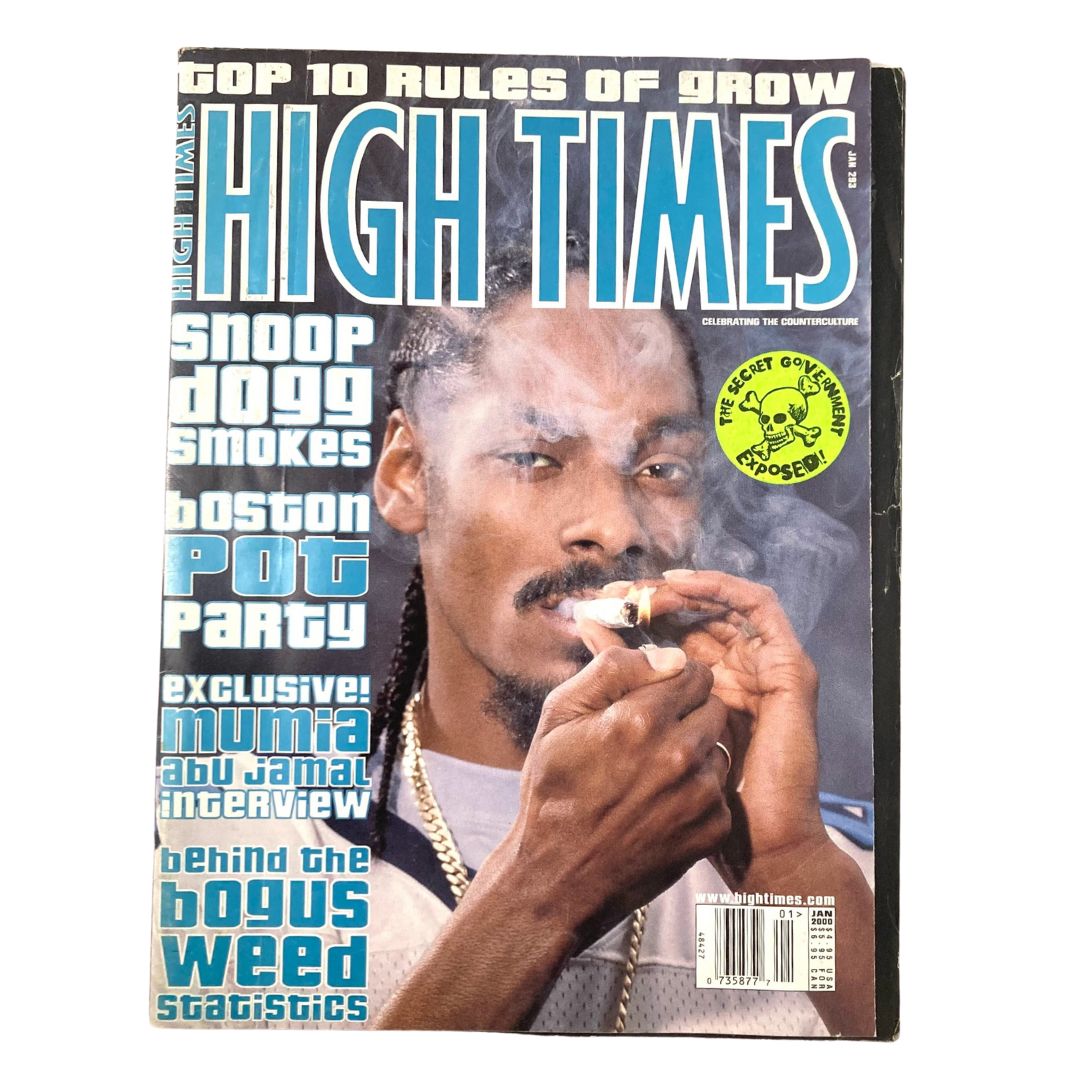
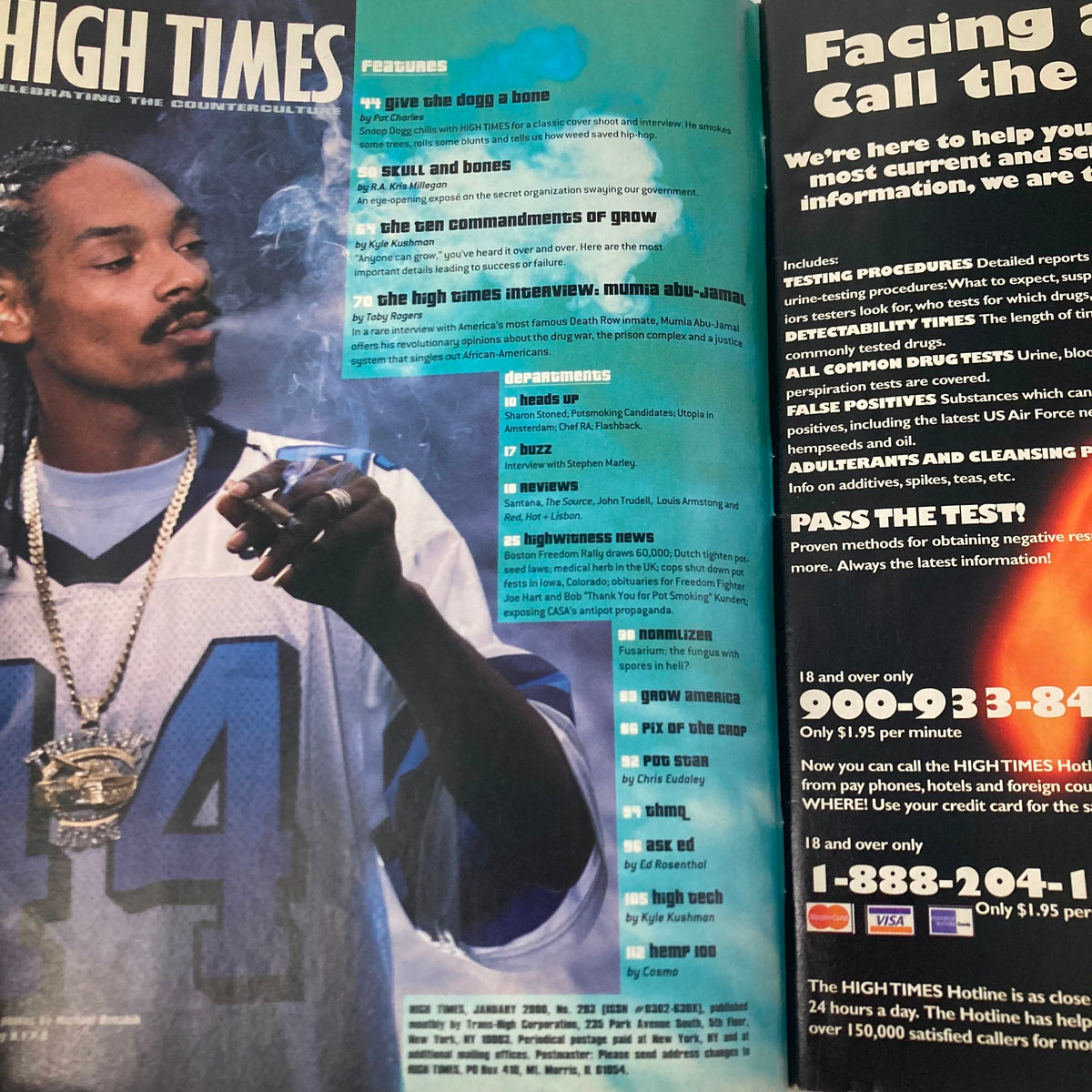
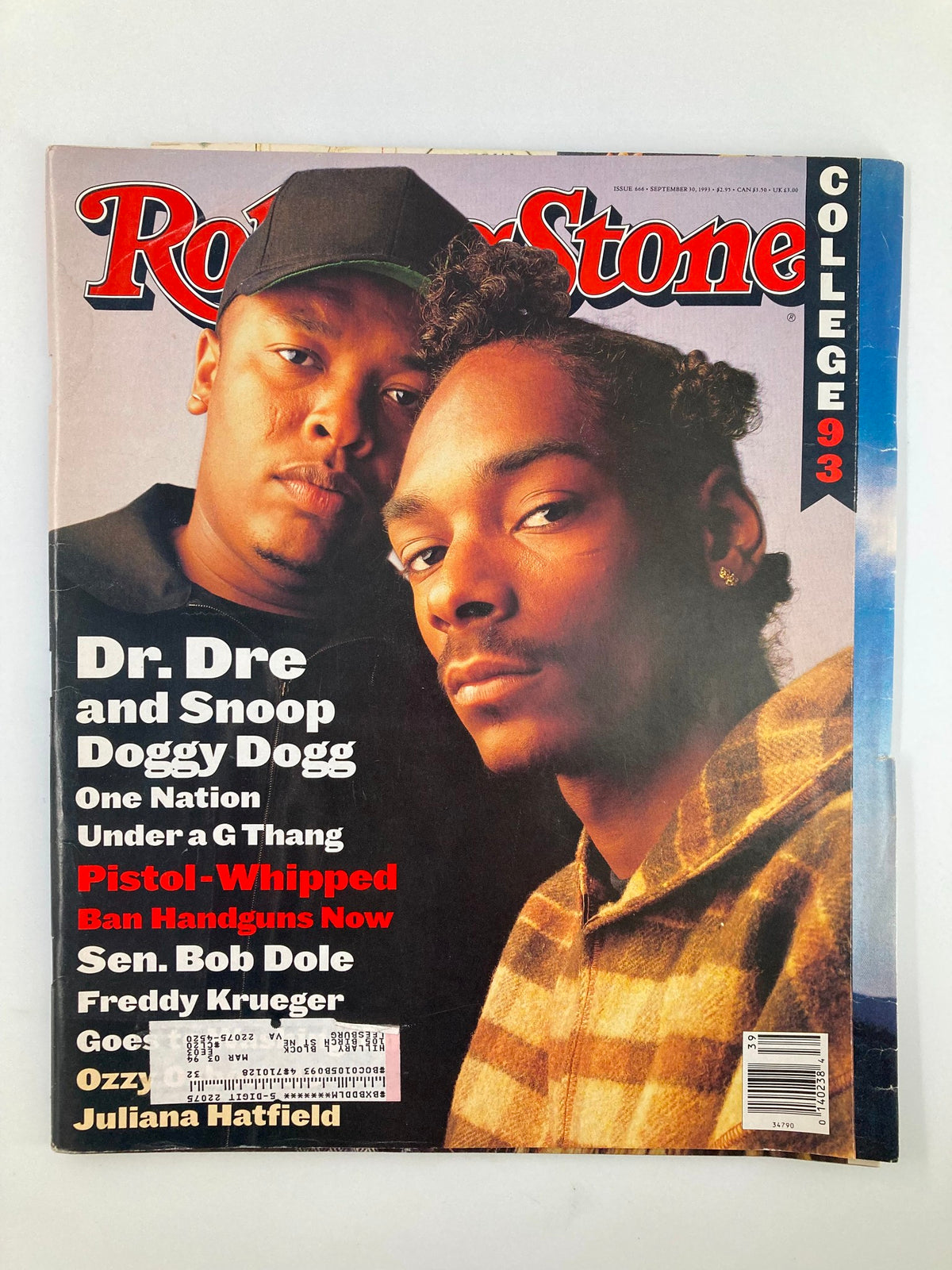
The vintage magazine coverage of Snoop Dogg is a masterclass in how print journalism struggled — and ultimately learned — to meet a cultural force entirely on its own terms. In the early years, editorial photography leaned into iconography: the towering, languid silhouette draped in Raiders gear, the braids, the unhurried gaze that seemed to dare the camera to blink first. Publications like Rolling Stone granted him the kind of serious long-form treatment previously reserved for rock royalty, profiling him amid the legal controversies and chart dominance of the mid-1990s with a mixture of fascination and journalistic gravity. Vibe, the definitive voice of hip-hop print culture launched in 1993, covered his career with an insider's intimacy — its pages functioning as something close to the official record of his entire rise. The Source, hip-hop's self-proclaimed Bible, charted every album, every beef, and every cultural inflection point with the obsessive devotion that only a specialist publication could sustain. Meanwhile, mainstream crossover moments — his film appearances, his collaborative records with artists far outside rap's borders, his gradual transformation into a beloved pop-cultural institution — drew the attention of broader lifestyle and entertainment titles, creating a documentary trail that spans decades and dozens of distinct editorial voices.
Curator's Checklist: Highlights Often Include
- Early-career breakthrough coverage (1992–1994): Features and news items tied to the seismic cultural impact of The Chronic and Doggystyle, including the national controversy that placed West Coast rap under a congressional microscope
- Legal saga and tabloid documentation: Period press from 1993–1996 capturing the highly publicized murder trial and acquittal — one of the most widely covered celebrity legal stories of the decade, documented across both music press and mainstream newsweeklies
- Crossover and mainstream coronation: Mid-to-late 1990s and early 2000s features marking his expansion into film, television, and pop collaboration, as the culture shifted from fearing him to embracing him
- International and lifestyle press: Coverage from UK music weeklies such as NME and Melody Maker, as well as American style publications, reflecting his growing influence beyond the boundaries of genre or geography
- Retrospective and legacy features: Later anniversary issues, "greatest rapper" rankings, and career retrospectives in which the Long Beach icon is positioned explicitly as a founding father of a musical tradition — the elder statesman of an empire he helped build
The Collector's Value
To hold one of these magazines is to hold a timestamp — a dispatched communiqué from a cultural moment that cannot be reconstructed by streaming or scrolling. The paper stock of a mid-1990s Vibe or Rolling Stone carries its own sensory testimony: the slight give of newsprint, the rich density of a full-bleed photograph printed before digital retouching became invisible, the faint, intoxicating smell of decades-old ink mingling with the ghost of whatever world surrounded it when it was first read. Around the central feature, the advertisements themselves are artifacts — sneaker campaigns, malt liquor spreads, pager and early cell phone promotions — that place the reader inside an era with an immediacy no documentary can replicate. These are primary sources, not reproductions. For collectors of hip-hop history and memorabilia, 1990s pop culture and Americana, or African-American music and cultural heritage, these publications offer a direct, unmediated line to the moments that shaped a genre, a generation, and an enduring icon. Explore the current inventory below and find your piece of the archive.