📖 About this Collection
Squeaky Fromme: A Ghost at the Edge of History
The Legend & The Legacy
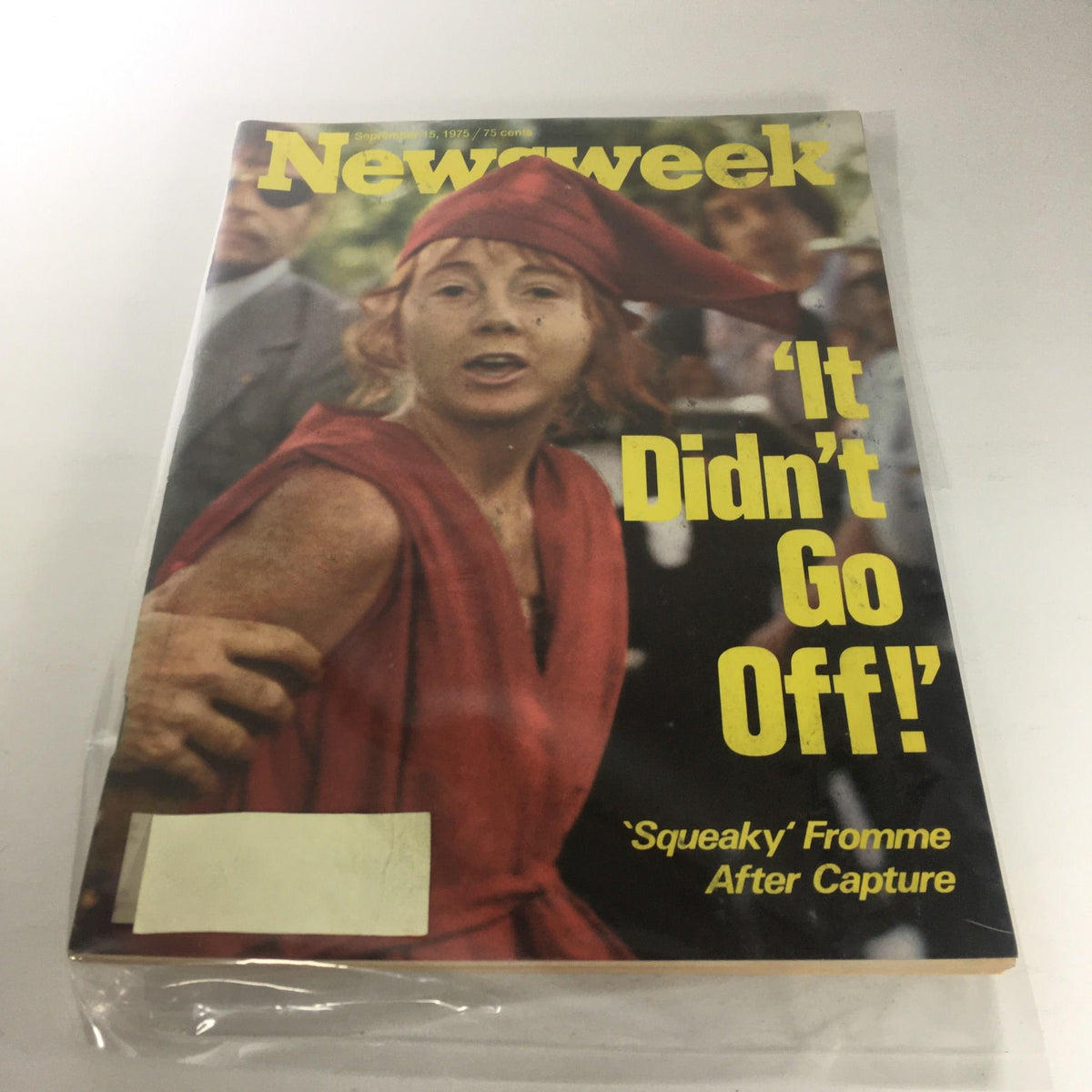
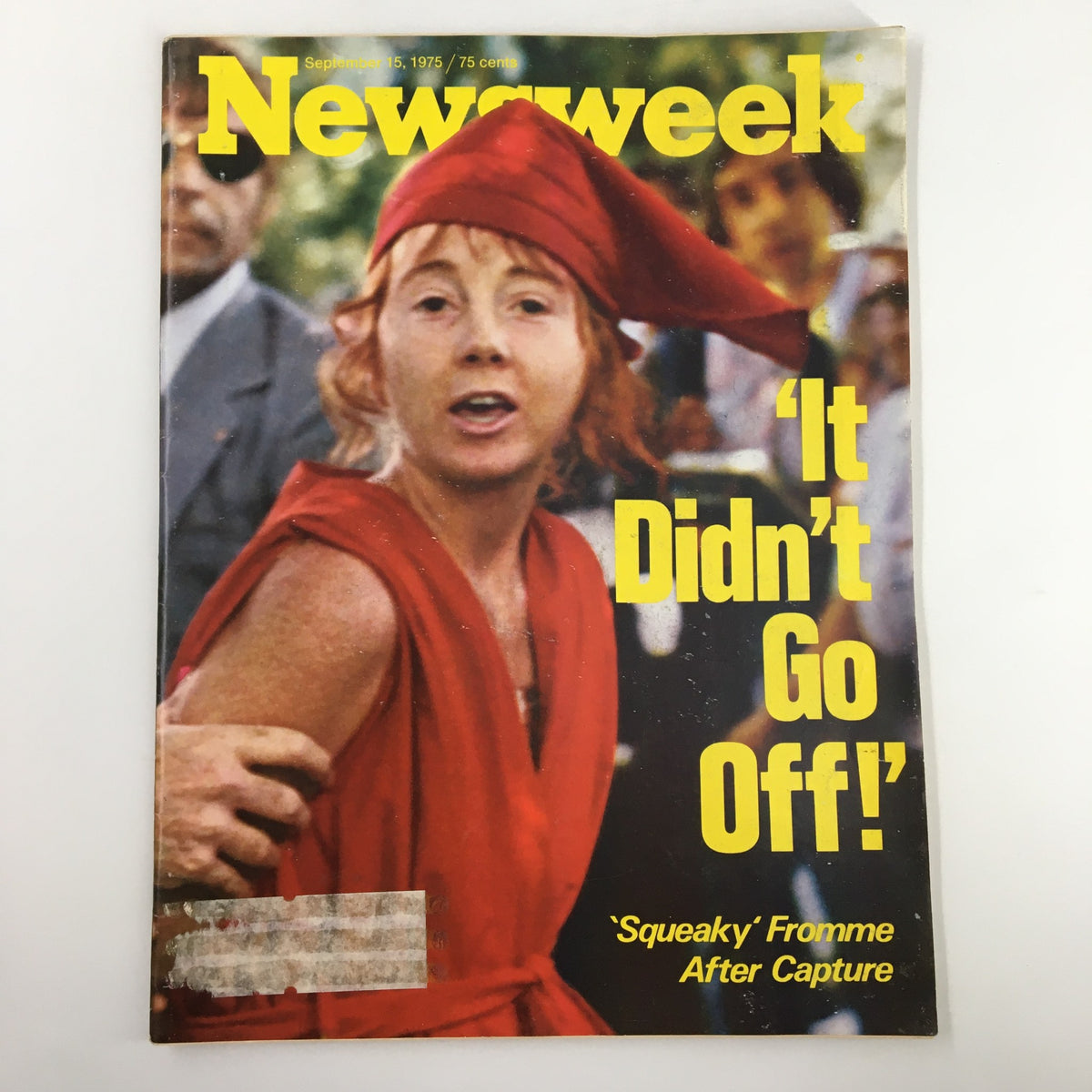
In the summer of 1969, the name Charles Manson became synonymous with the darkest undercurrents of a fractured American dream — and orbiting that name, none more faithfully than Lynette "Squeaky" Fromme, the devoted follower whose story would stretch across decades of national unease. She was barely twenty when the Tate-LaBianca murders convulsed the nation, yet her image — wide-eyed, red-robed, unnervingly calm — became one of the most chilling visual signatures of an era collapsing under the weight of its own disillusionment. Then, in September 1975, she stepped back into the headlines alone: a drawn pistol aimed at President Gerald Ford on a Sacramento street, an assassination attempt that earned her a life sentence and cemented her place in the permanent record of American extremism. For a generation that consumed its history through ink and paper, her story unfolded in real time across newsstands, waiting rooms, and kitchen tables — each new development delivered not by a notification, but by a headline folded in half and tucked under an arm.
Inside the Archive
The print media of the 1970s approached Fromme with a mixture of forensic fascination and moral horror, the kind of coverage that could only exist in an era when a single photograph had to carry the entire weight of a story. Time and Newsweek were the twin pillars of her public record, dispatching their most seasoned correspondents to cover both the Manson trial aftermath and the Ford assassination attempt with the grave, measured authority that defined American weekly journalism at its peak. People magazine — then in its infancy and hungry for the kind of true-crime human drama that would define its identity — returned to her story repeatedly, framing her as both victim and villain in the peculiarly American tradition of criminal celebrity. Internationally, publications like Paris Match treated the Manson saga as a profound symptom of American cultural decay, lending the story a philosophical remove that domestic press rarely afforded. Photography from this era favored stark, high-contrast imagery: courthouse steps, courtroom sketches, and that singular, unsettling gaze that editors found impossible to leave off a cover.
Curator's Checklist: Highlights Often Include
- Trial & Sentencing Coverage (1970–1971): Issues documenting the Manson Family trial, in which she featured prominently as a shaven-headed courtroom fixture, offering some of the most viscerally disturbing news photography of the decade
- The Ford Assassination Attempt (September 1975): A defining news moment that generated an immediate wave of coverage across weekly newsmagazines, with issues from that specific window among the most sought-after by collectors of political history and true-crime ephemera
- Manson Cultural Retrospectives (late 1970s–1980s): Long-form magazine features revisiting the legacy of the Family, often returning to her story as the last loyal keeper of a mythology the rest of the country was desperate to forget
- Women & Radicalism Features: Sociological and feminist-adjacent journalism of the 1970s occasionally examined her alongside other women drawn into extremist movements, placing her in a broader cultural conversation about identity, manipulation, and culpability
- Parole & Release Era Coverage (2000s–2009): Her eventual release after decades of incarceration prompted renewed retrospectives in both mainstream and niche true-crime publications, offering collectors a fascinating bookend to a story that began before many readers were born
The Collector's Value
To hold one of these original issues is to hold the unmediated nerve-response of a nation still processing what had happened to itself — the yellowed newsprint slightly brittle at the fold, the ink carrying that unmistakable mid-century mustiness that no digital archive can replicate, the surrounding advertisements for Tab cola and Trans World Airlines offering an almost surreal counterpoint to the darkness of the editorial content within. These are not reprints or facsimiles; they are the actual objects that shaped public perception in real time, before the story was mythologized, podcasted, or dramatized for streaming. For collectors of true-crime and criminal history, 1970s American political history, or counterculture and post-Summer of Love cultural studies, these publications offer something a documentary cannot — the texture of the moment itself, the editorial decisions made under deadline, the advertisements and op-eds and letters to the editor that surrounded the story and remind us that history happened to ordinary people living ordinary lives. We invite you to explore the current available inventory below and discover which pieces of this singular, deeply unsettling chapter in American history are waiting to find their next custodian.