📖 About this Collection
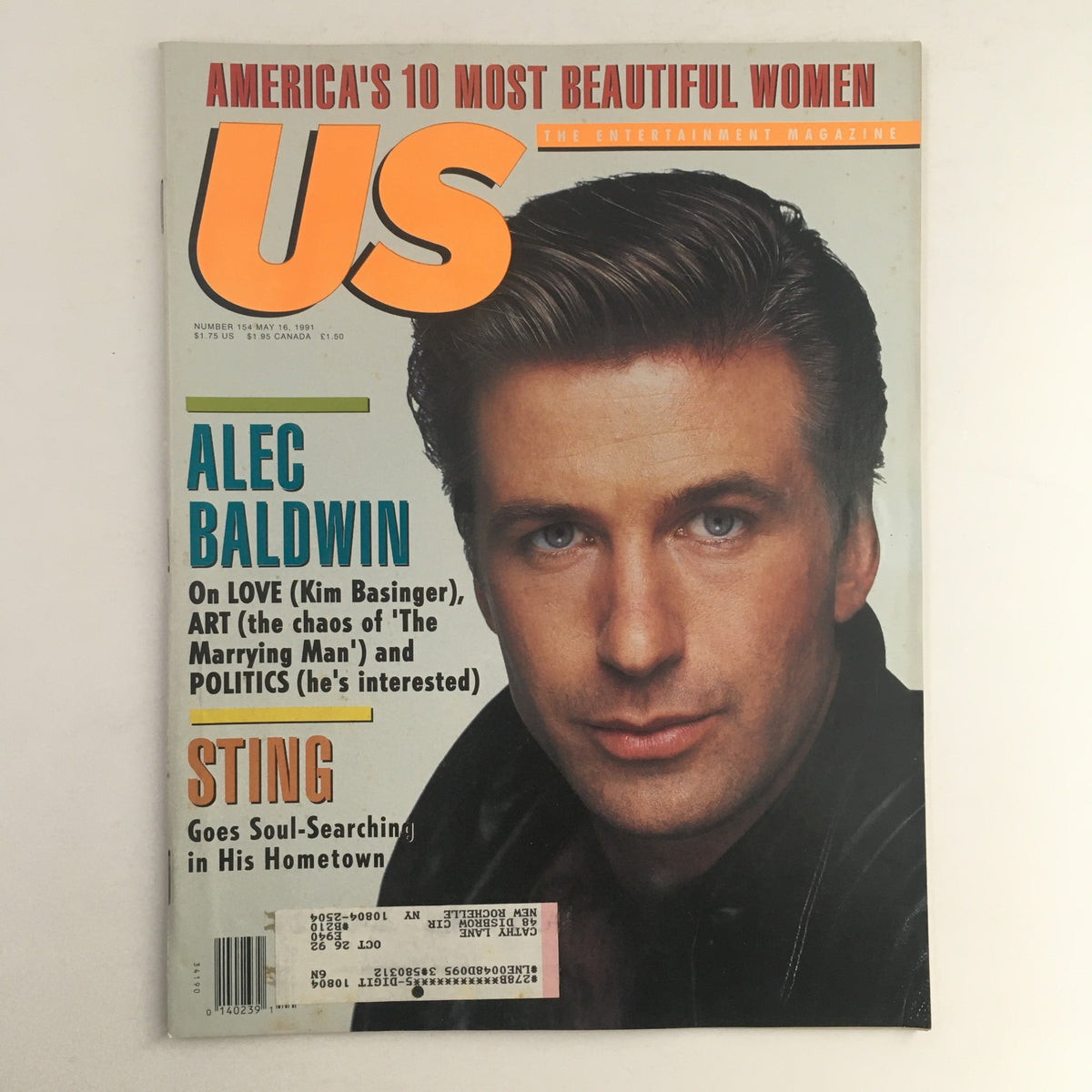
Sting: The Eloquent Outlaw of Modern Music
The Legend & The Legacy
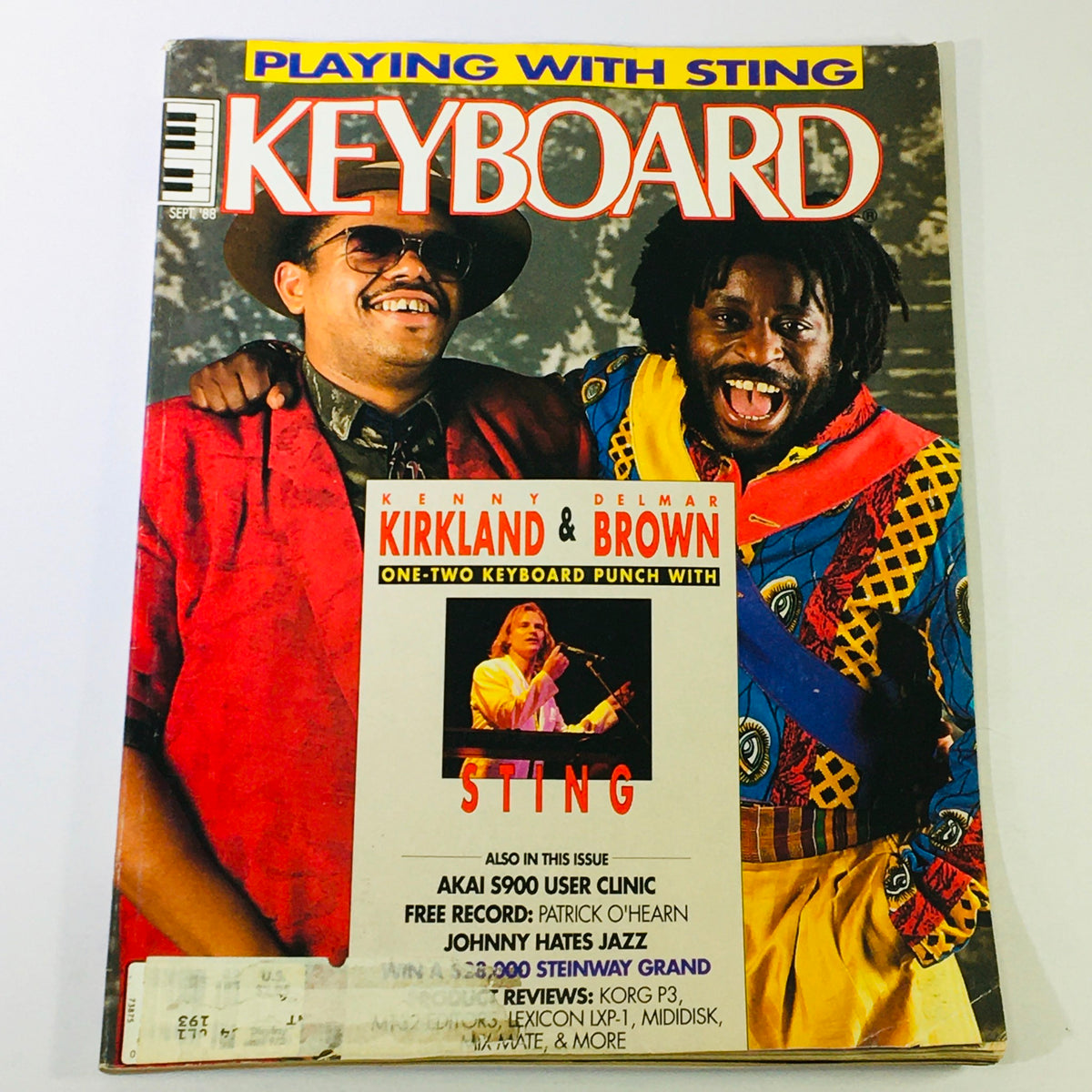
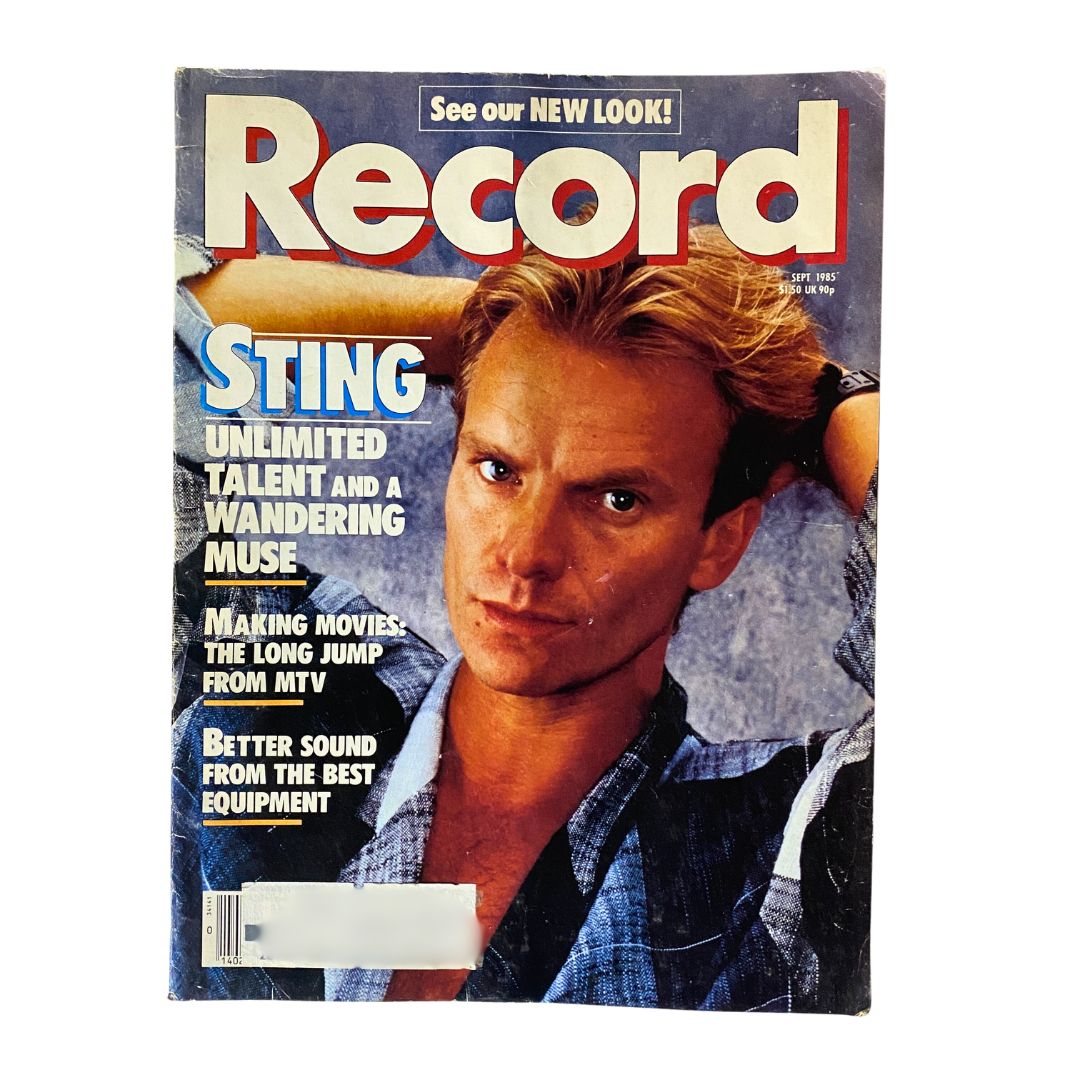
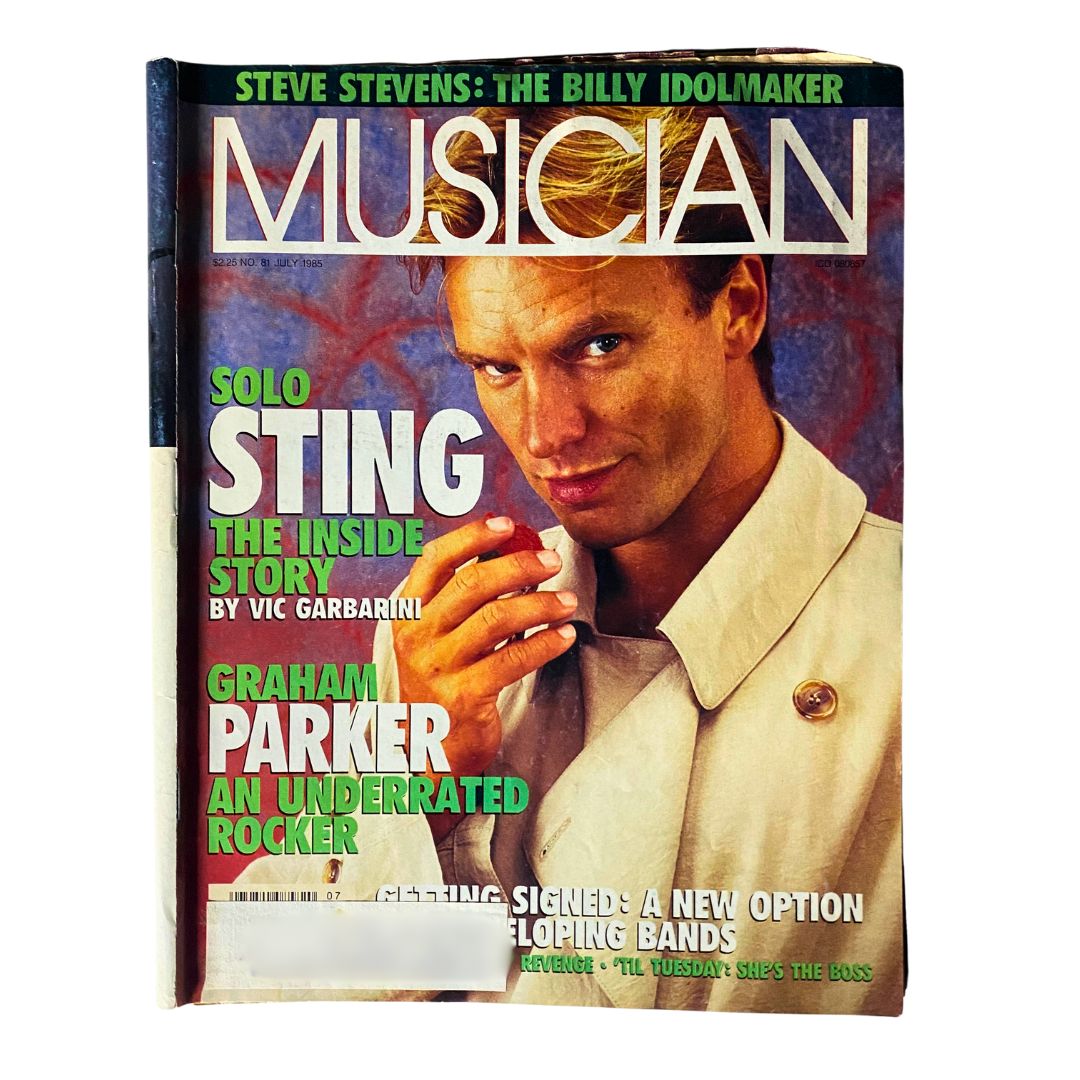
When Gordon Matthew Thomas Sumner — known to the world simply as Sting — emerged from the industrial northeast of England in the late 1970s, he brought with him a restless, searching intelligence that print media found irresistible. As the magnetic frontman of The Police and later as a solo artist of global stature, he dominated the cultural conversation across three distinct decades. In an era before streaming, before algorithmically curated playlists and social media announcements, the public followed his story through the pages of magazines — absorbing every reinvention, every provocation, every love affair with a new musical tradition. From the angular, post-punk fury of Roxanne to the lush, jazz-inflected sophistication of The Dream of the Blue Turtles, his metamorphoses were chronicled in real time on glossy paper, making the magazines of that era not merely entertainment, but a living document of one of popular music's most deliberate careers.
Inside the Archive
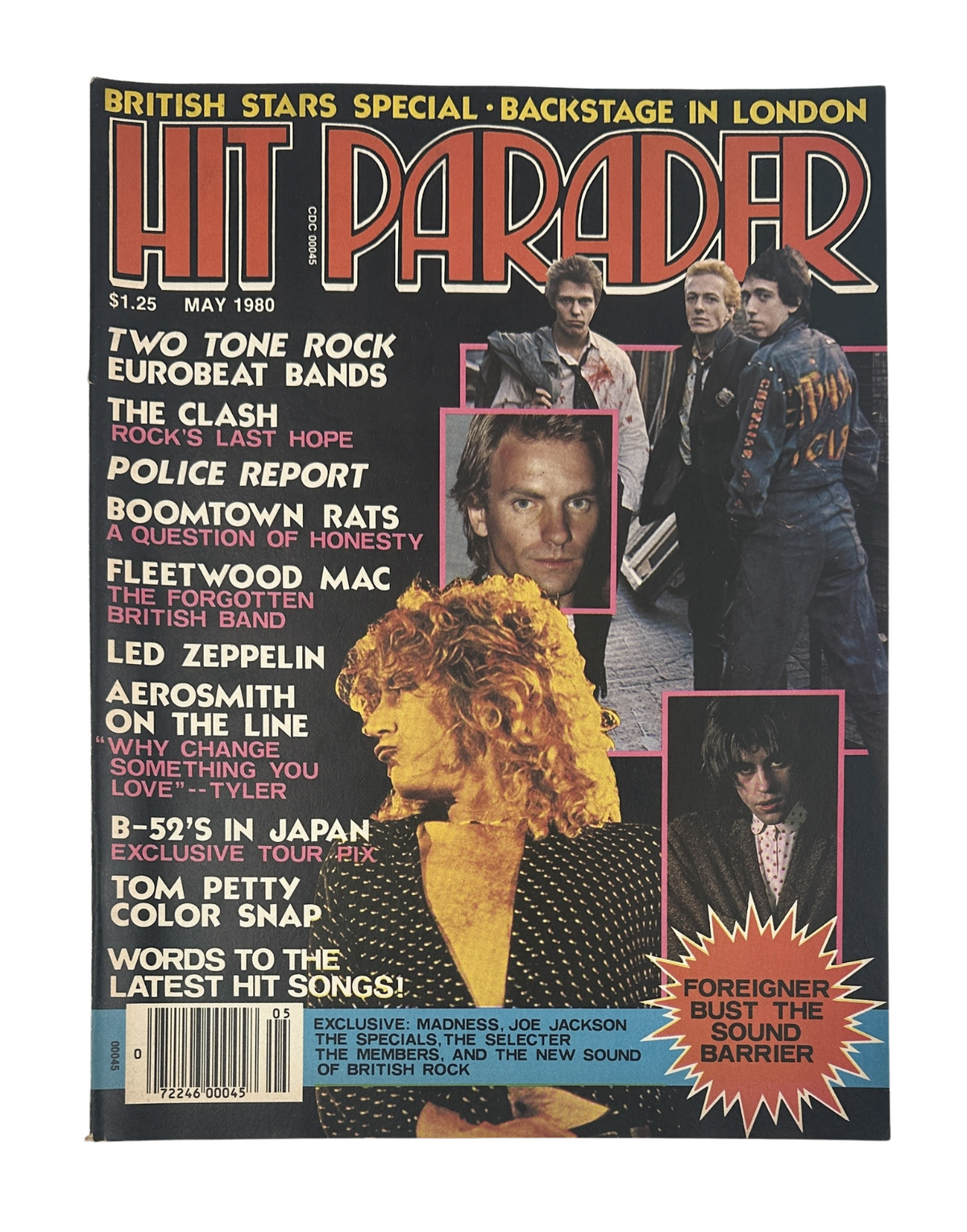
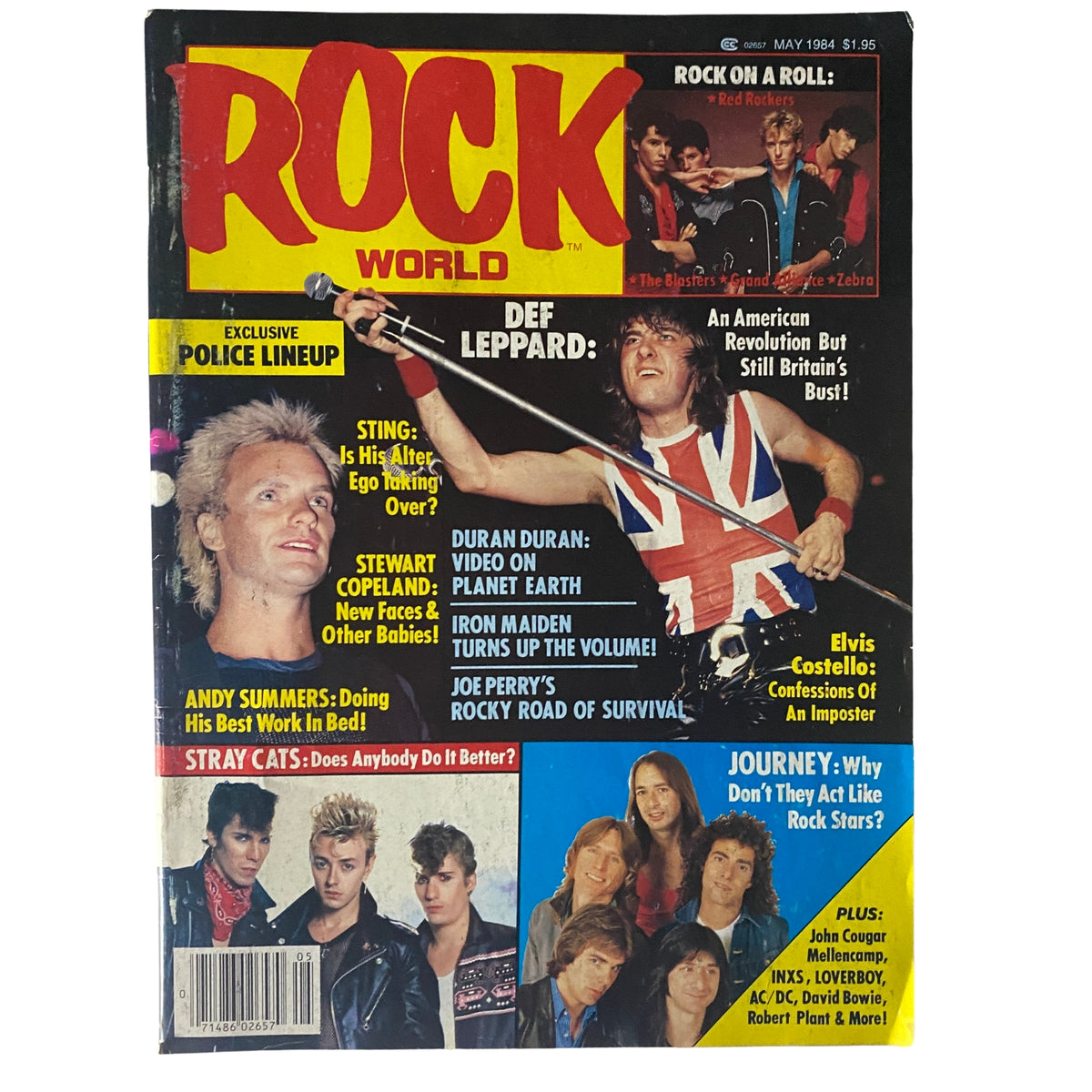
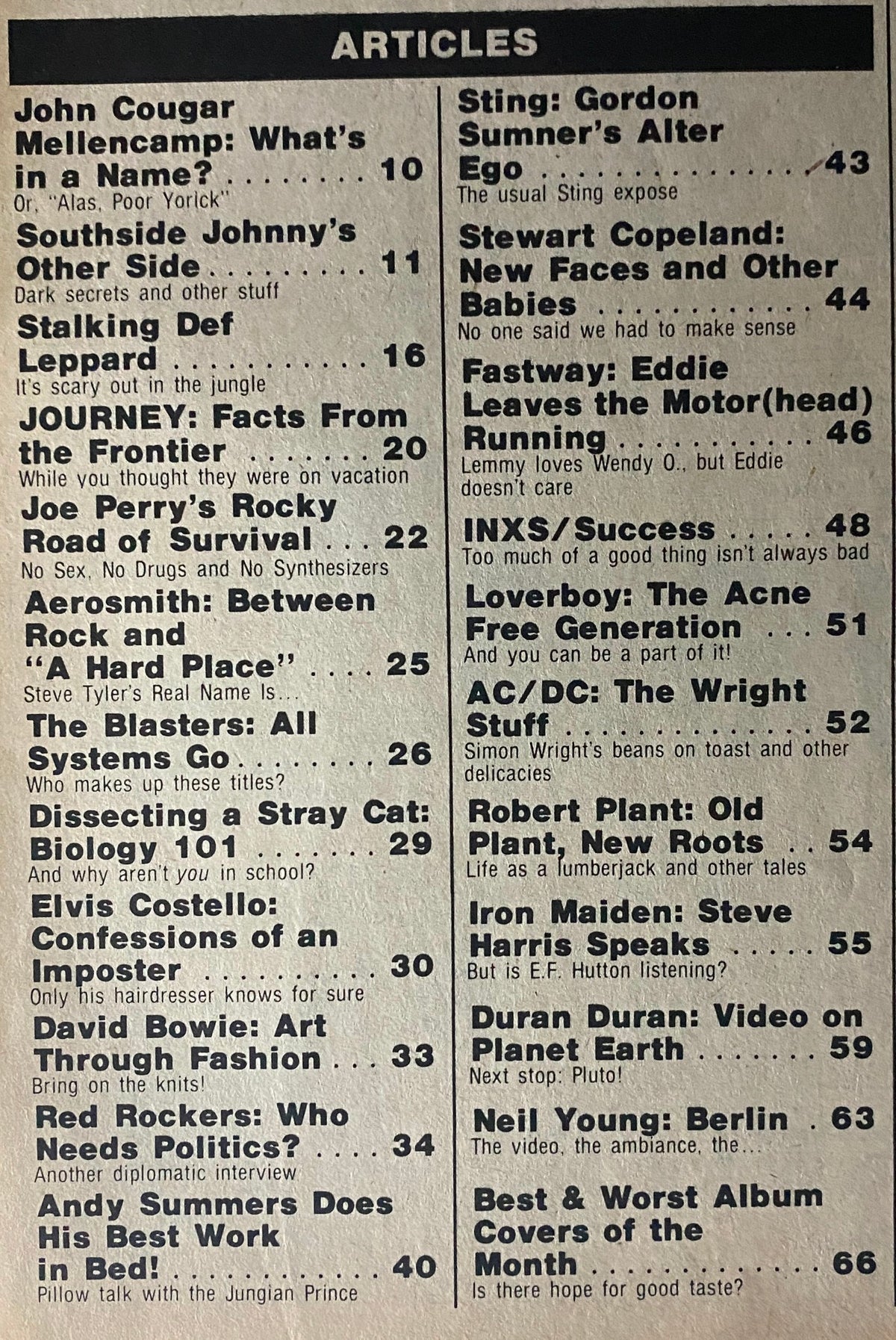
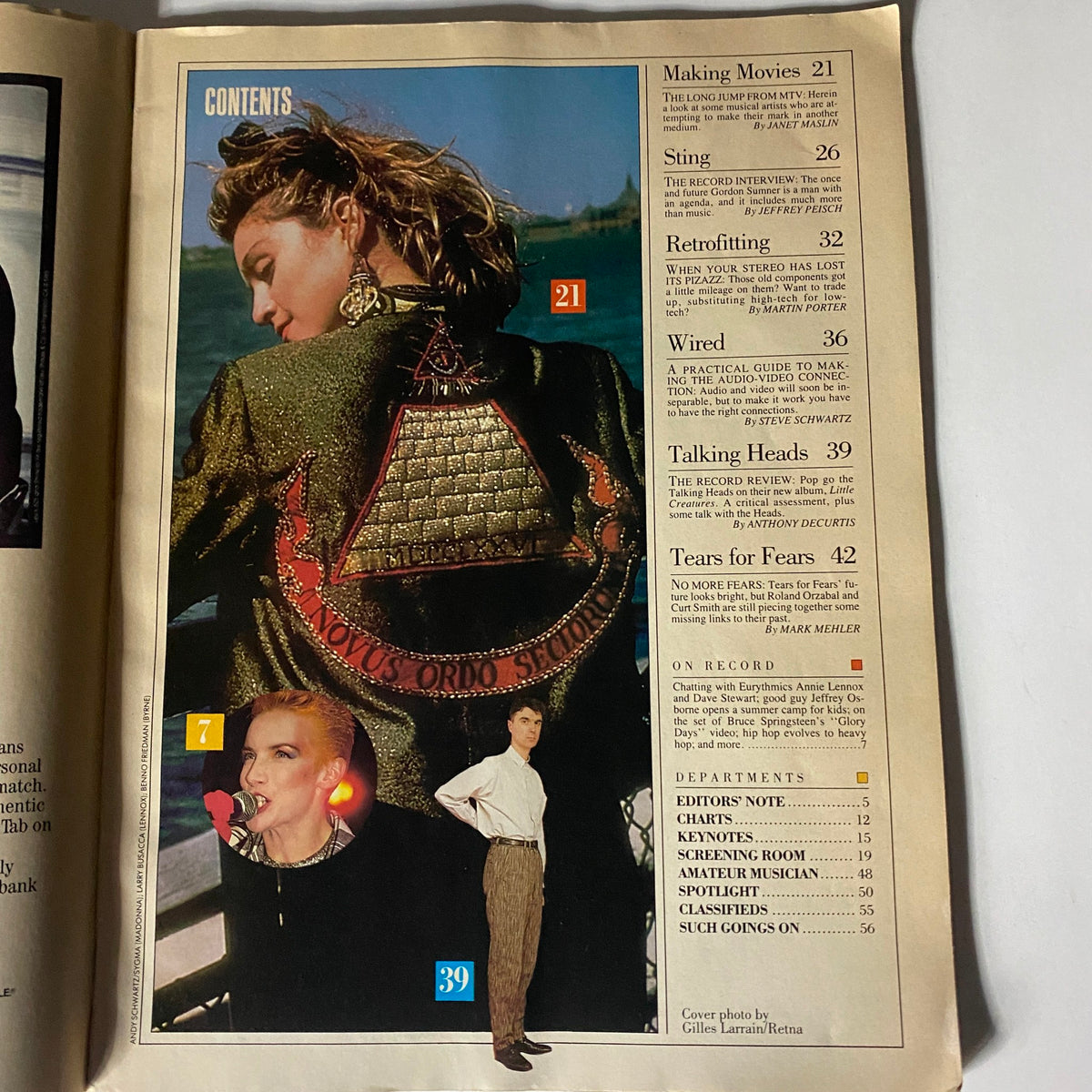
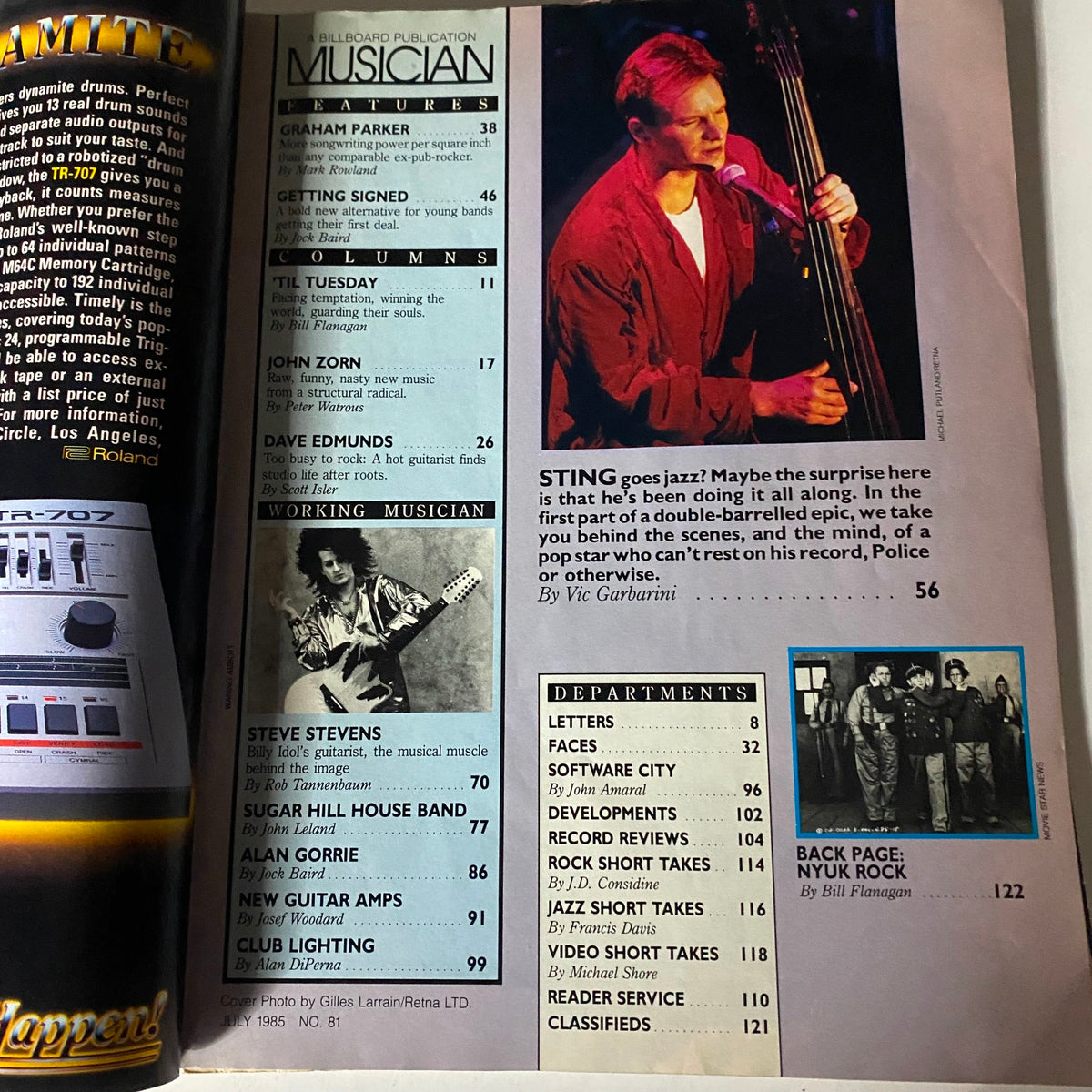
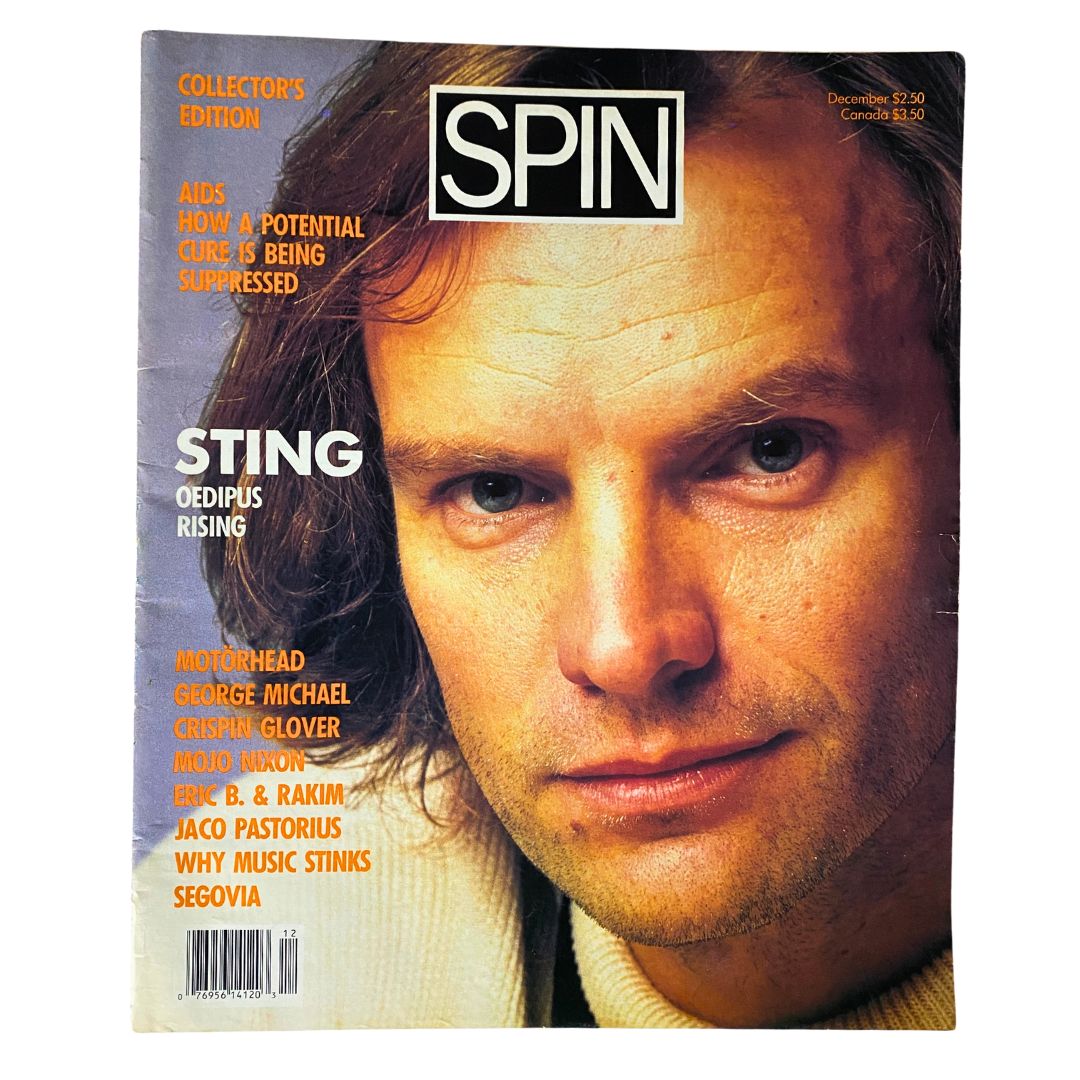
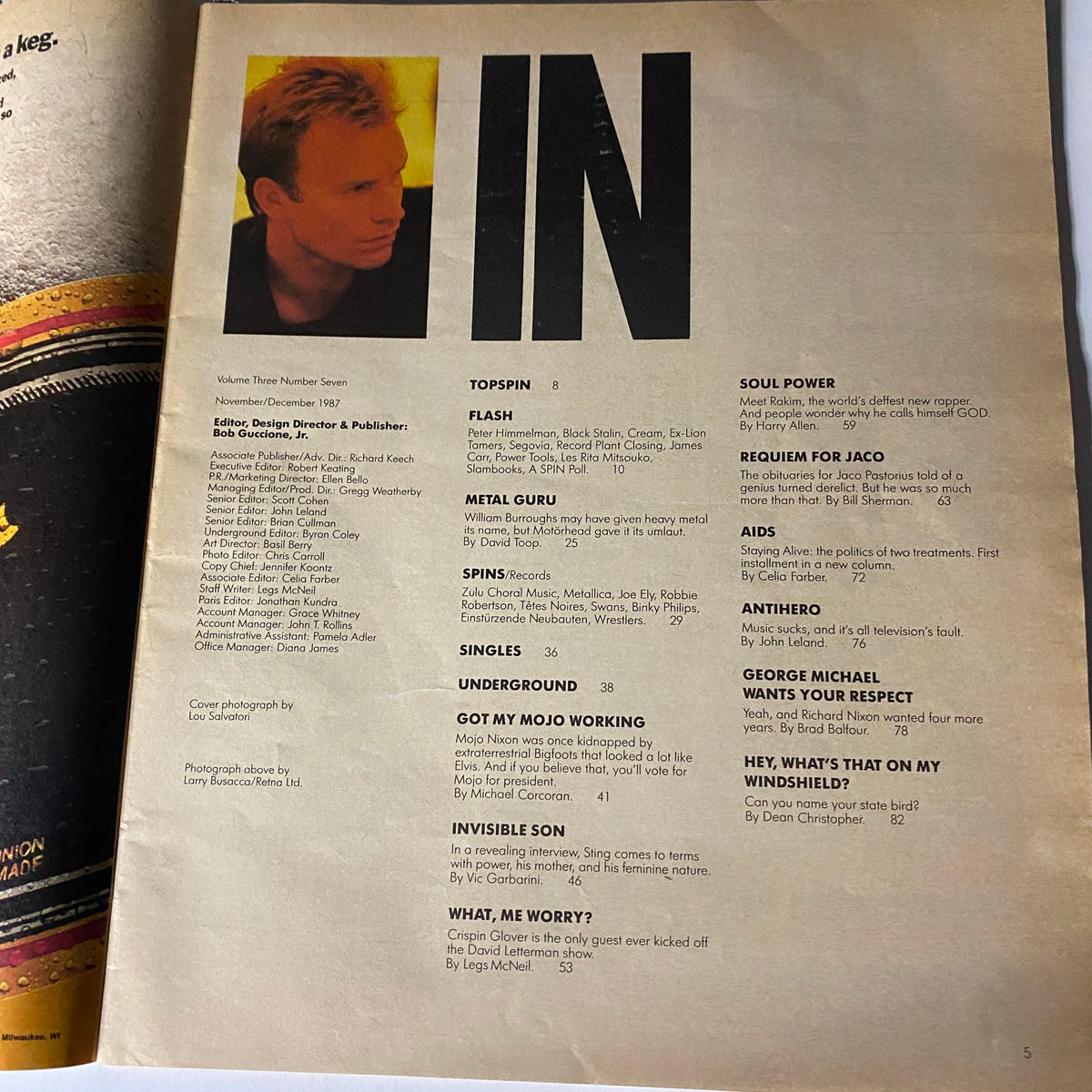
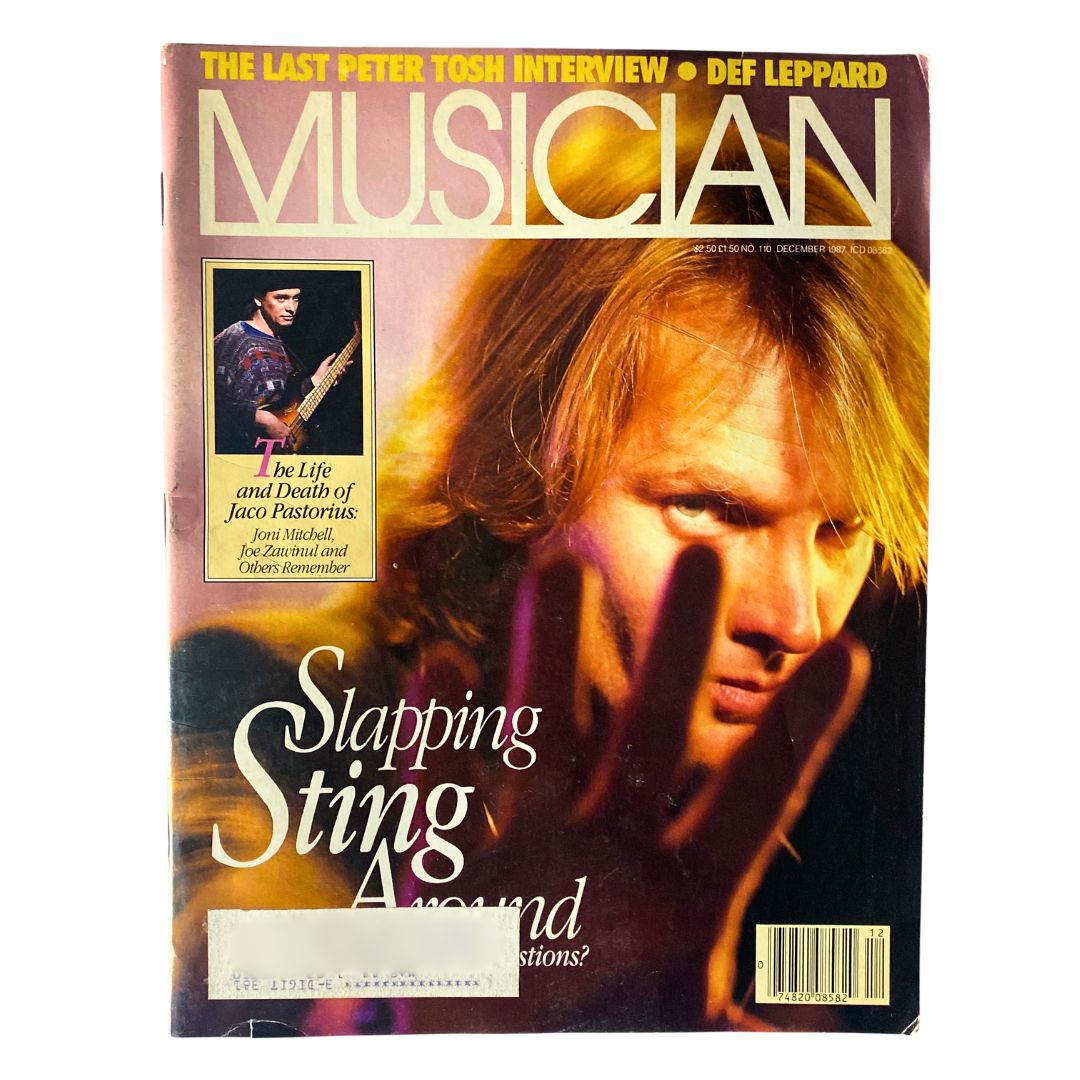
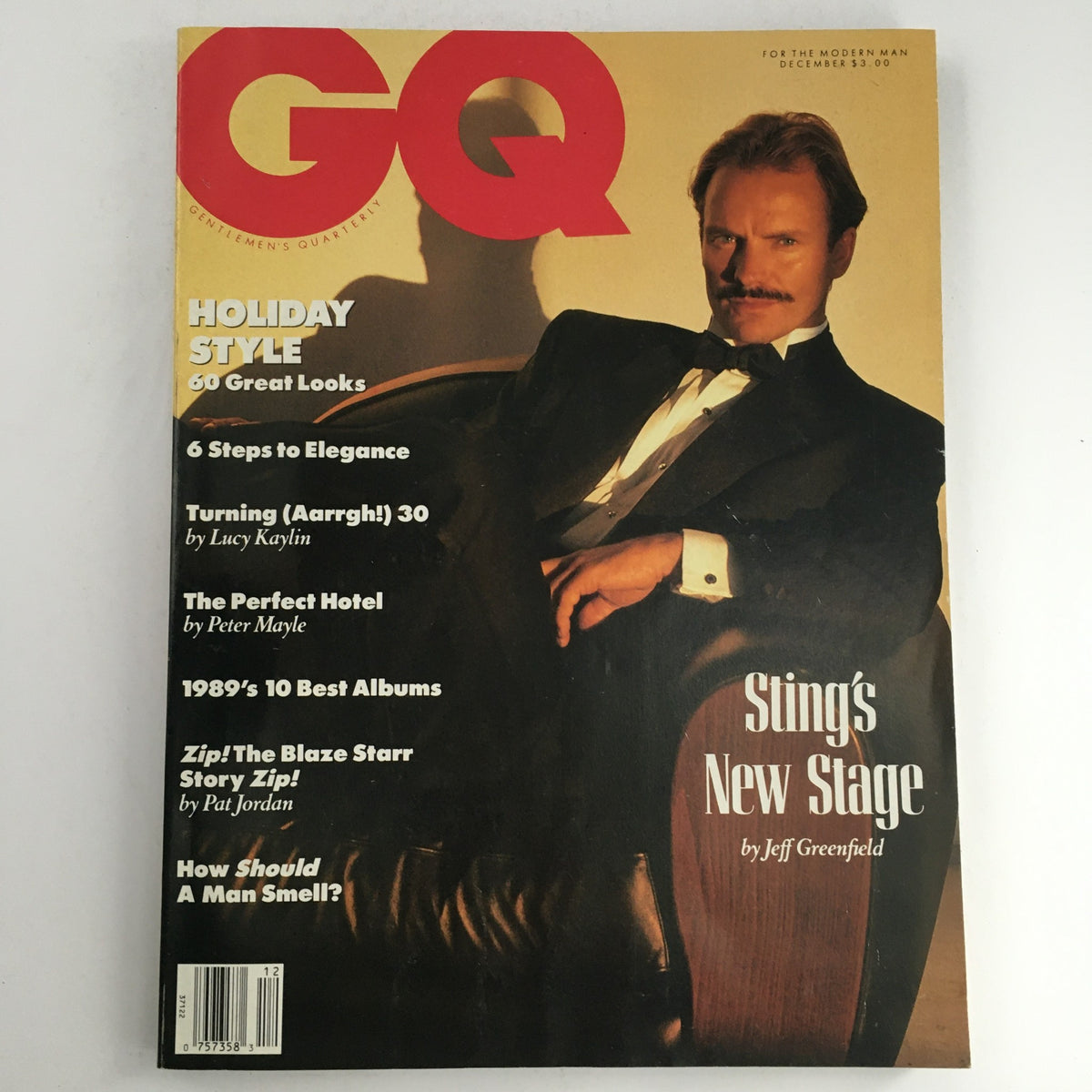
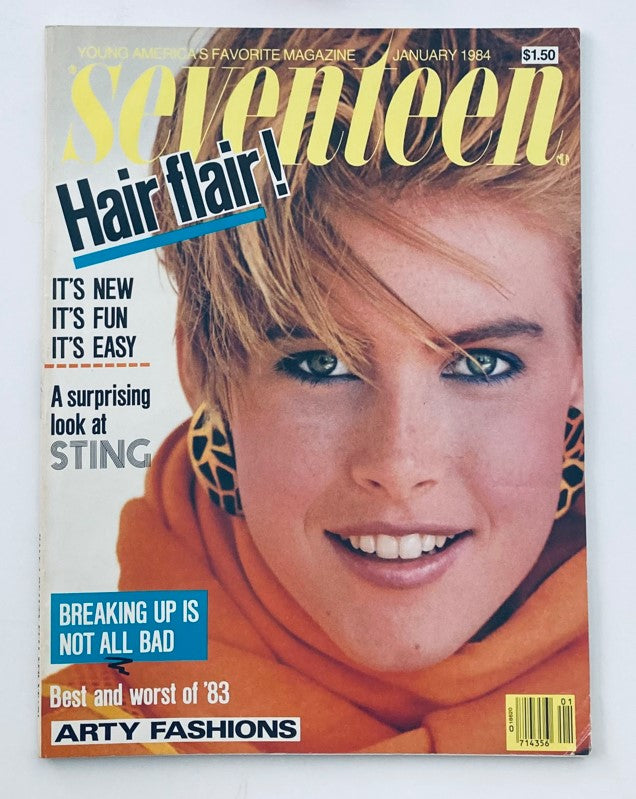
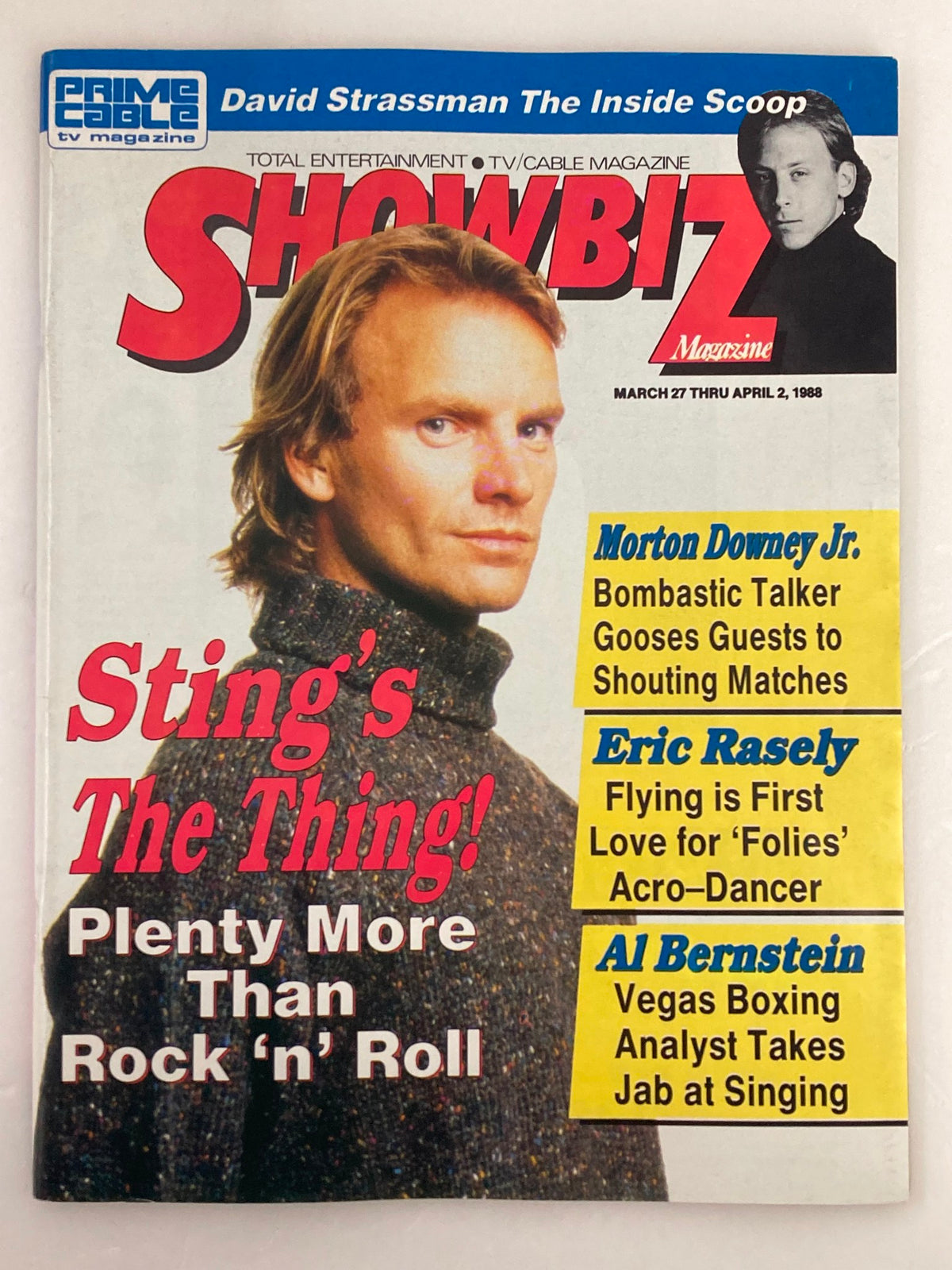
Vintage magazines approached this artist with a reverence usually reserved for literary or cinematic figures — because, uniquely among his rock contemporaries, he seemed to demand it. The photography that graced his covers evolved dramatically across the decades: early images captured the lean, bleached-blond intensity of the new wave era, shot in high-contrast black and white with a raw, street-level energy; later portraits settled into something more considered, even painterly, reflecting his deepening engagement with jazz, classical music, and world traditions. Rolling Stone chronicled his arc from punk provocateur to global solo phenomenon with unmatched depth, while NME and Melody Maker — the bibles of the British music press — tracked his every move from the earliest Police rehearsals in Newcastle to stadium-filling world tours. Meanwhile, mainstream culture titles such as People and Time recognized in him something rarer than stardom: a genuine public intellectual willing to speak on Amazonian deforestation, tantric philosophy, and the politics of the music industry with equal conviction.
Curator's Checklist: Highlights Often Include
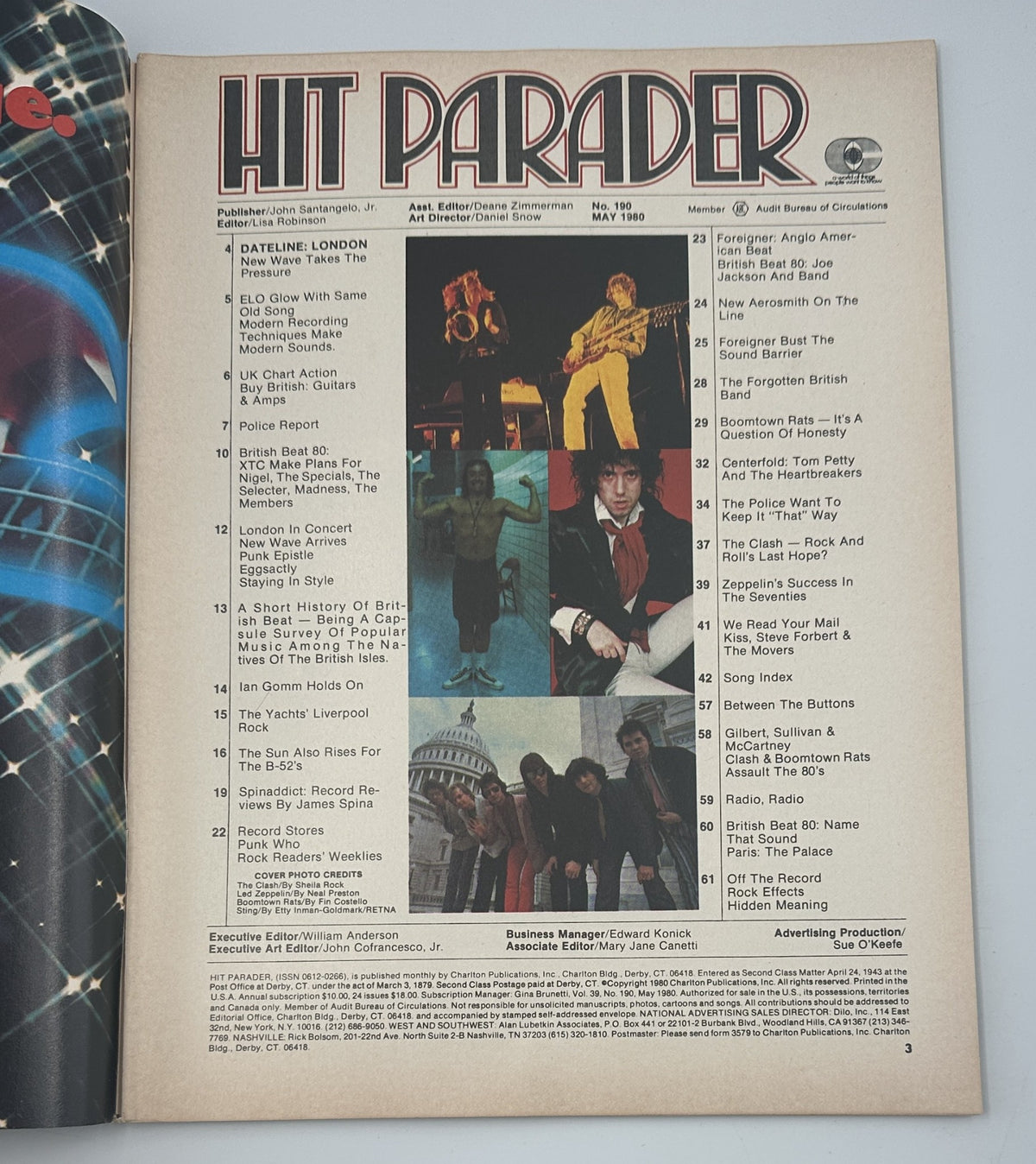
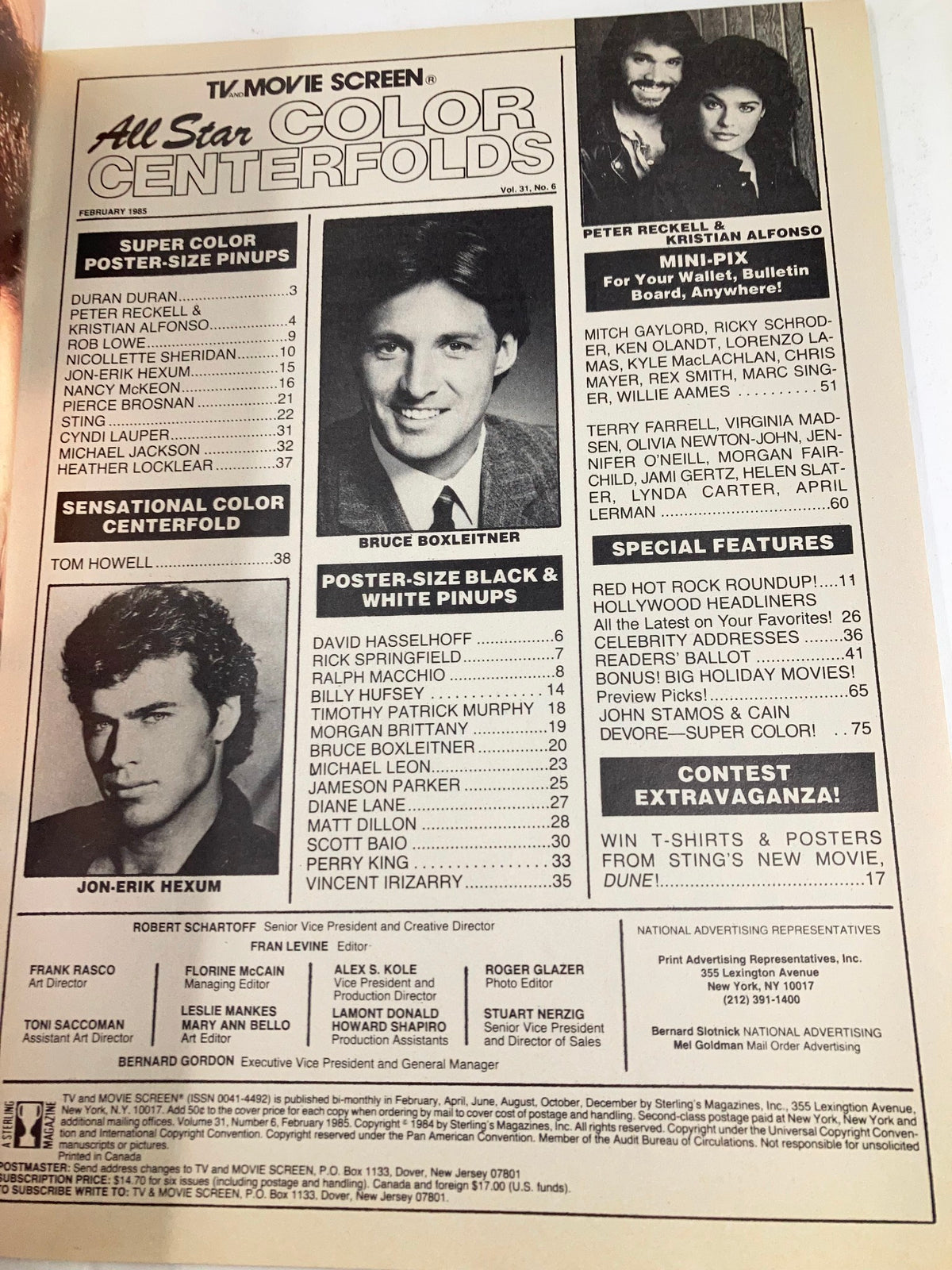
- The Police years (1977–1983): Early British music press features and international rock titles covering the band's meteoric rise, from London club circuit buzz to global chart domination with Synchronicity
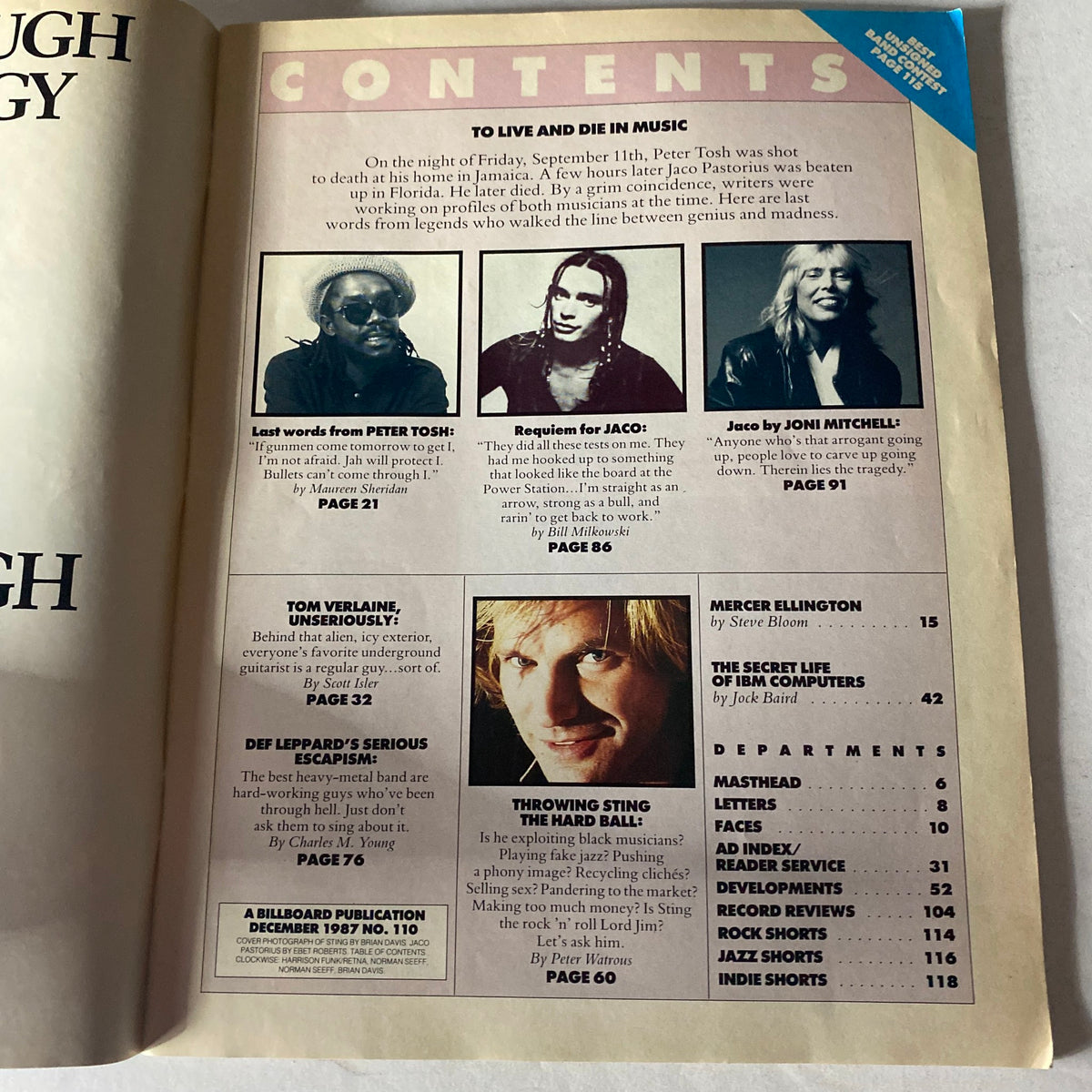
- Solo breakthrough coverage (1985–1987): Feature-length profiles surrounding The Dream of the Blue Turtles and his departure from rock orthodoxy, often paired with striking studio portraiture and commentary on his jazz-world collaborators
- Activist and humanitarian spotlights: Coverage tied to his high-profile work with the Rainforest Foundation and Amnesty International, appearing in both music publications and mainstream news weeklies of the late 1980s and 1990s
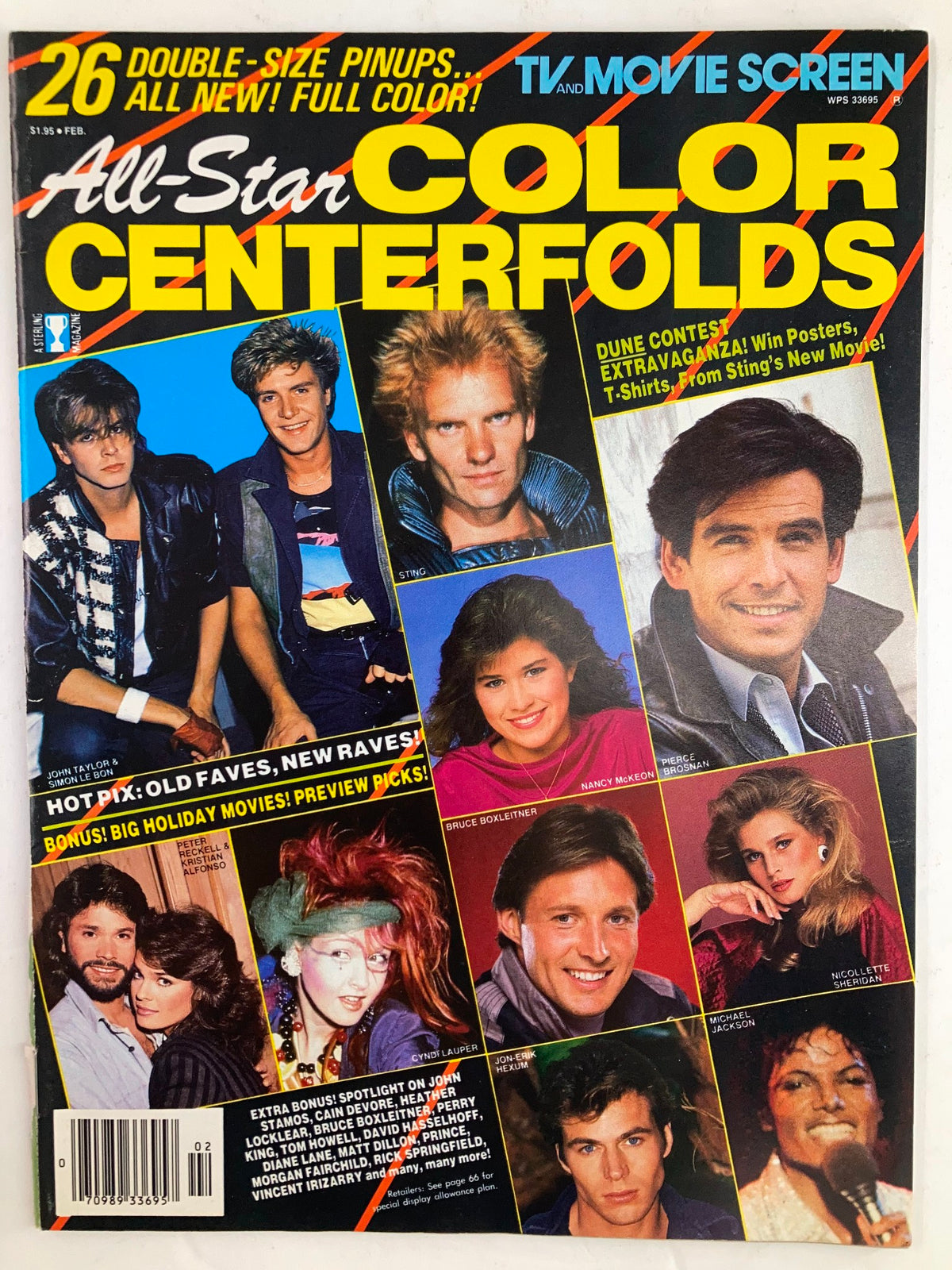
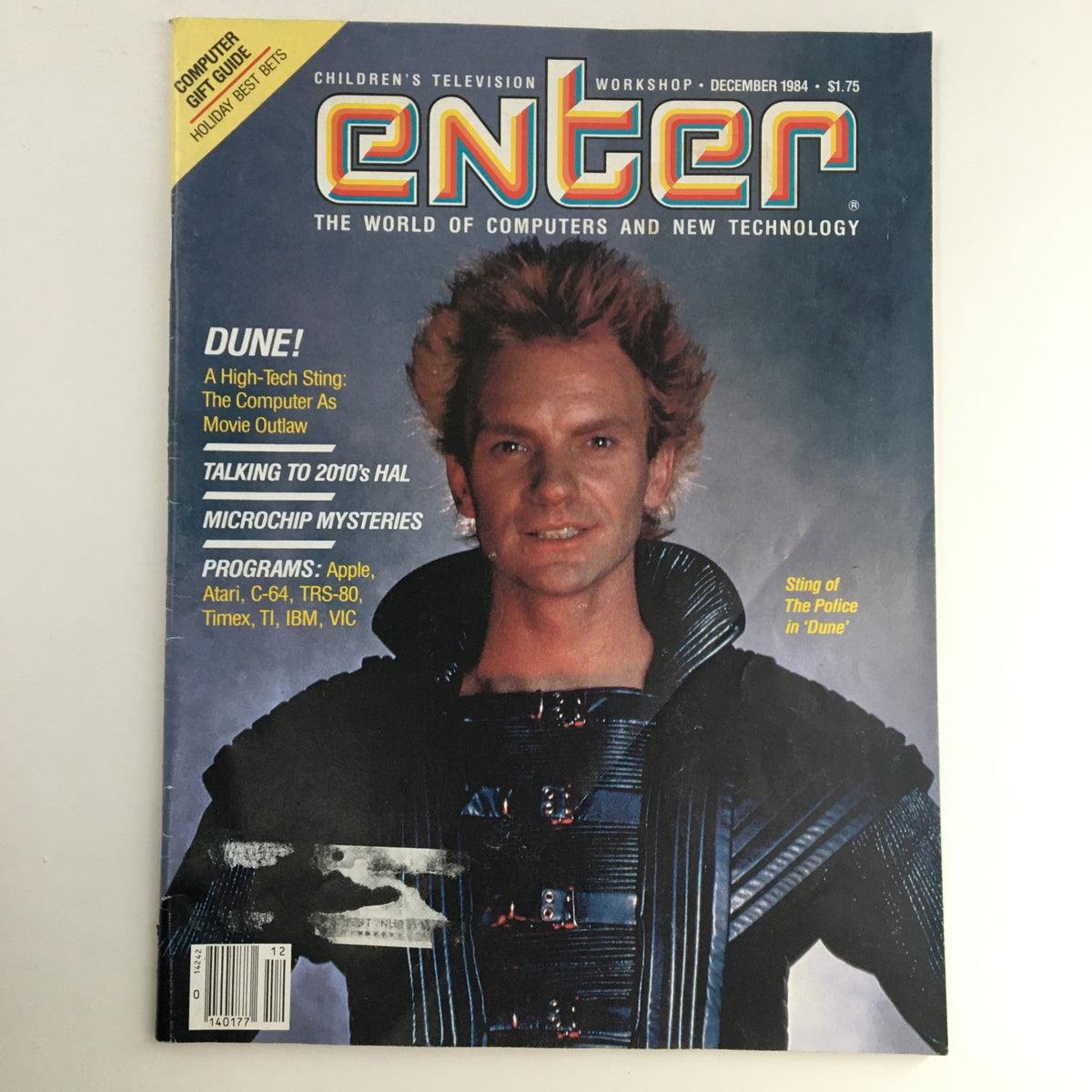
- Film and cultural crossover features: Articles exploring his acting roles and screen presence — in Quadrophenia, Brimstone & Treacle, and Dune — bridging the worlds of music and cinema press
- Anniversary and retrospective issues: Late 1990s and early 2000s features reassessing his legacy, often accompanied by rare photographic retrospectives spanning the full arc of his career
The Collector's Value
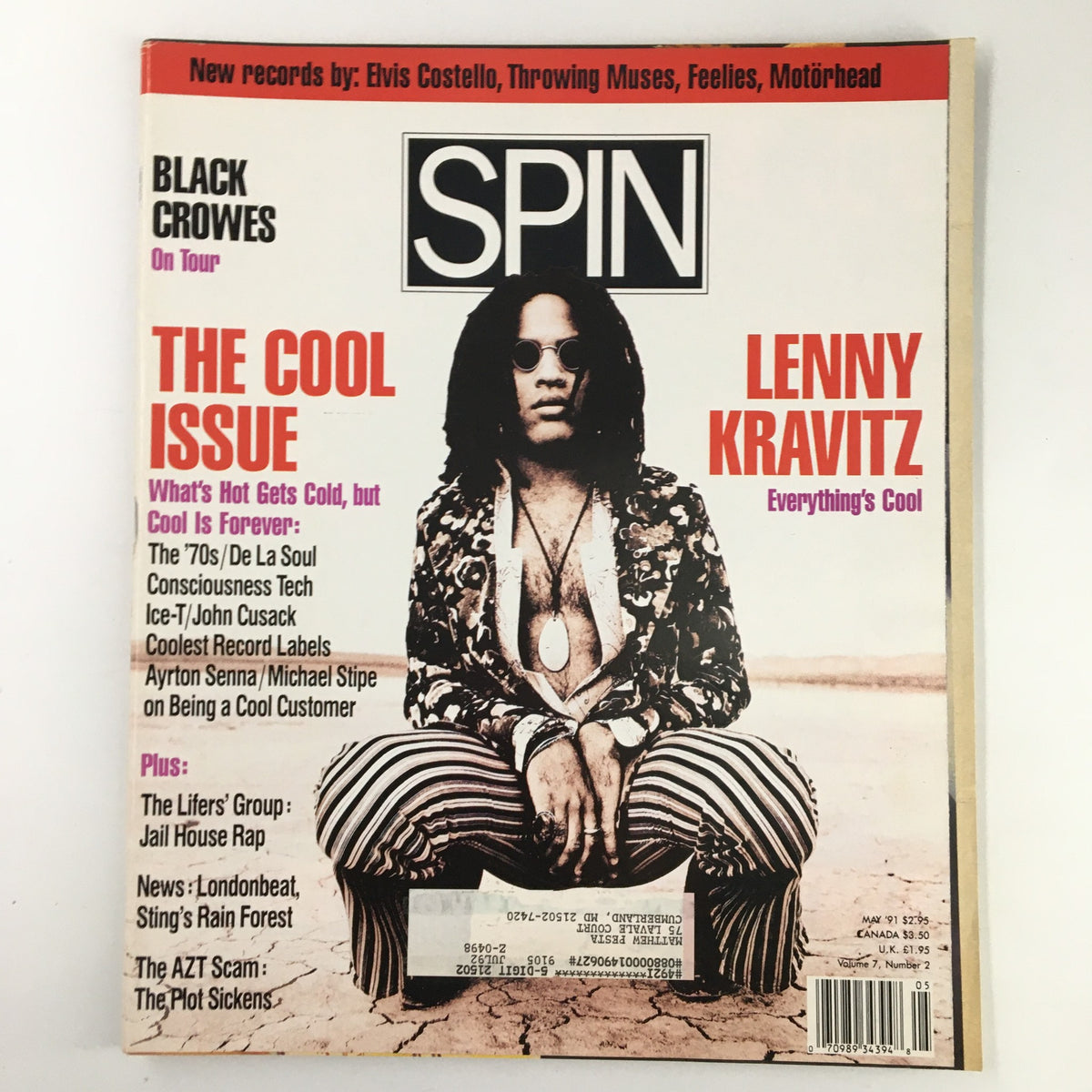
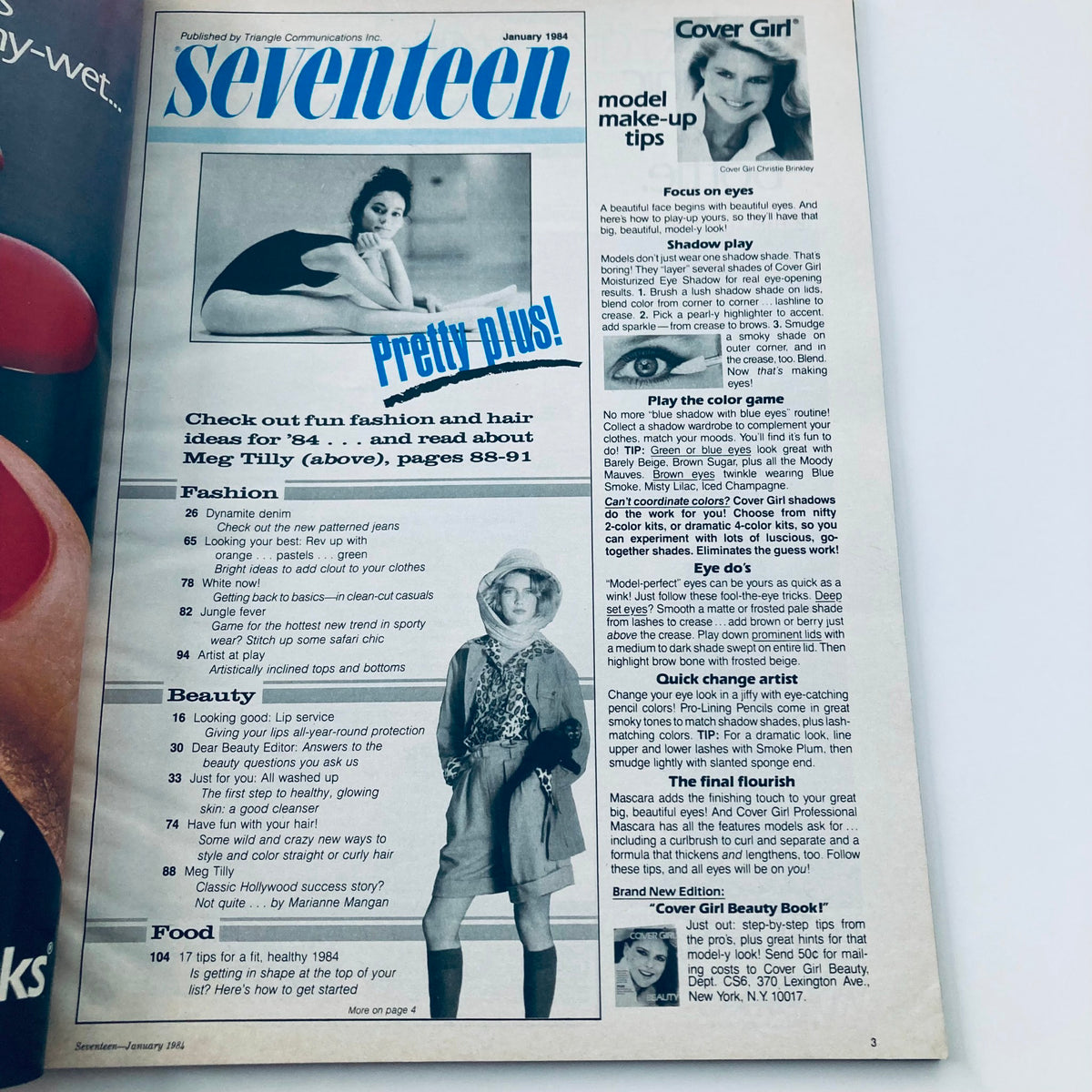
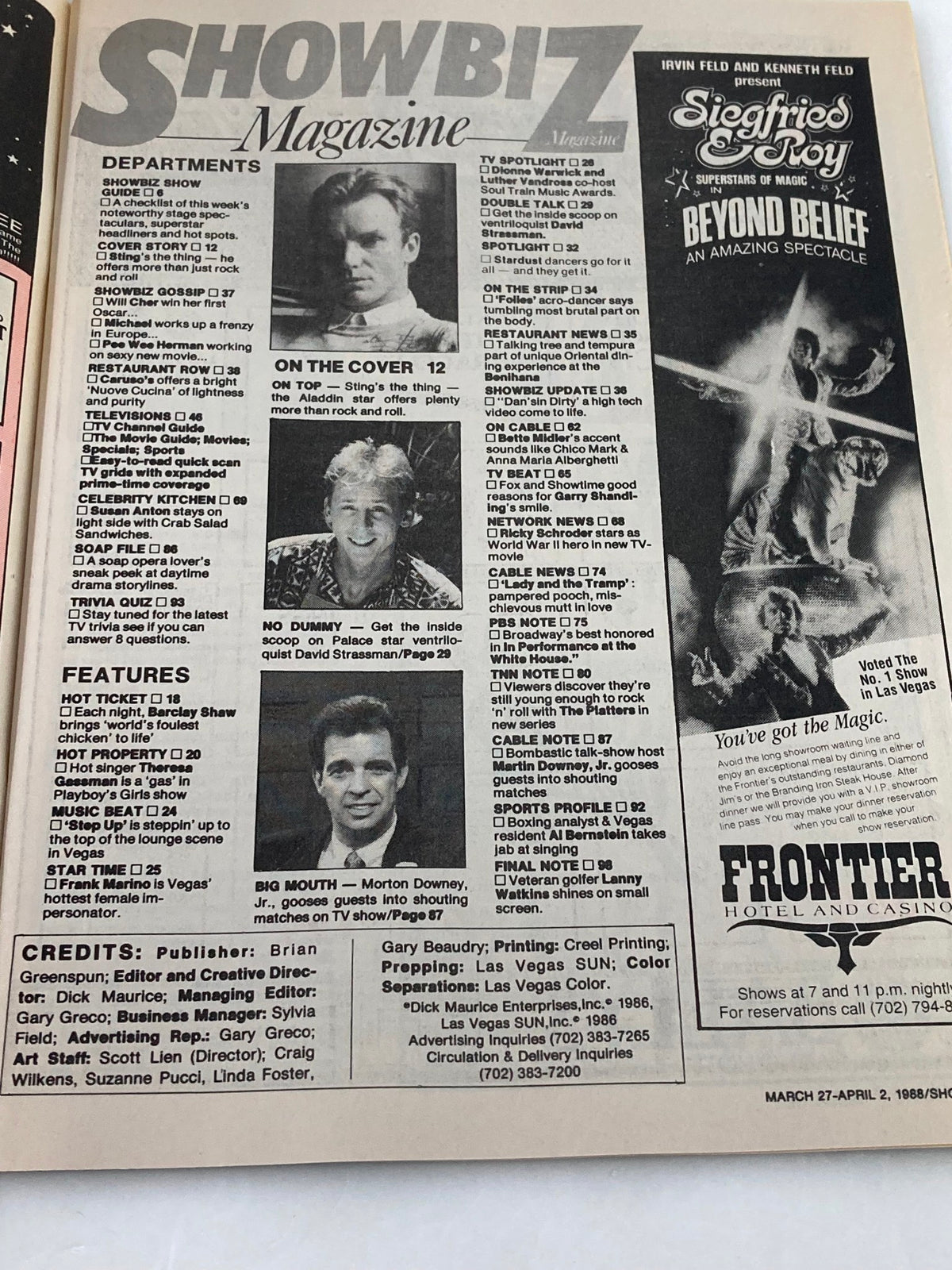
To hold one of these magazines in your hands is to re-enter a world that moved at a different pace — one in which a single cover story was an event, and a long-form interview was read slowly, in full, and kept. The paper stock of the era carries its own sensory history: the slightly waxy weight of a 1983 Rolling Stone, the sharp mineral tang of fresh ink on a Melody Maker pull-out, the crinkled, sun-faded dignity of a newsstand copy that survived four decades intact. The surrounding advertisements — for synthesizers, leather jackets, cigarettes, and cassette decks — form a vivid time capsule that no digital archive can replicate. For collectors of classic rock and new wave memorabilia, British music history, or 1980s and 1990s popular culture, these publications offer an irreplaceable primary source: the unfiltered, contemporaneous record of an artist being written about as history was being made, not in retrospect. We invite you to explore our current available inventory below, and discover which pieces of that era are waiting to find a home in your collection.