📖 About this Collection
Tatjana Patitz: The Last Supermodel of the Silver Age
The Legend & The Legacy
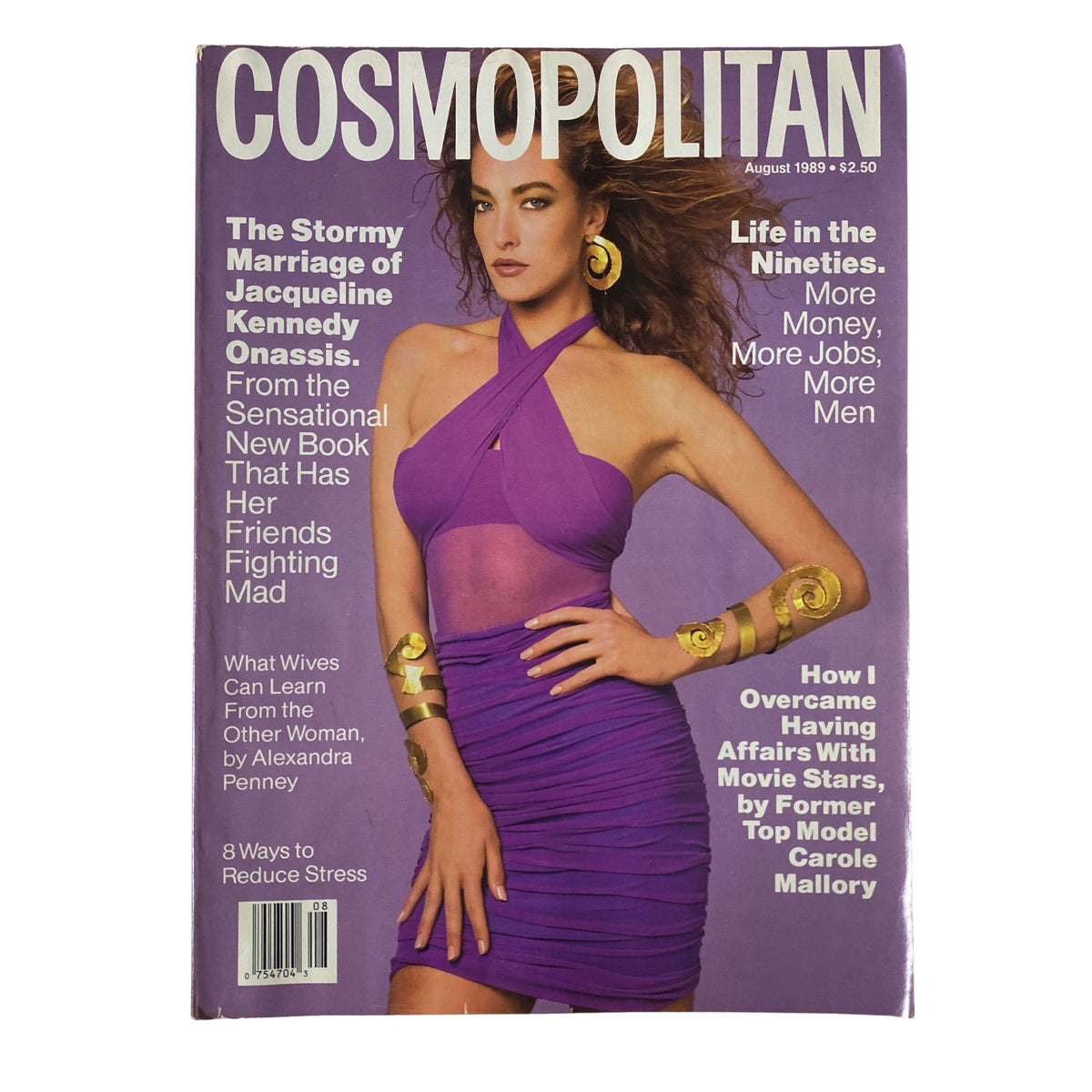
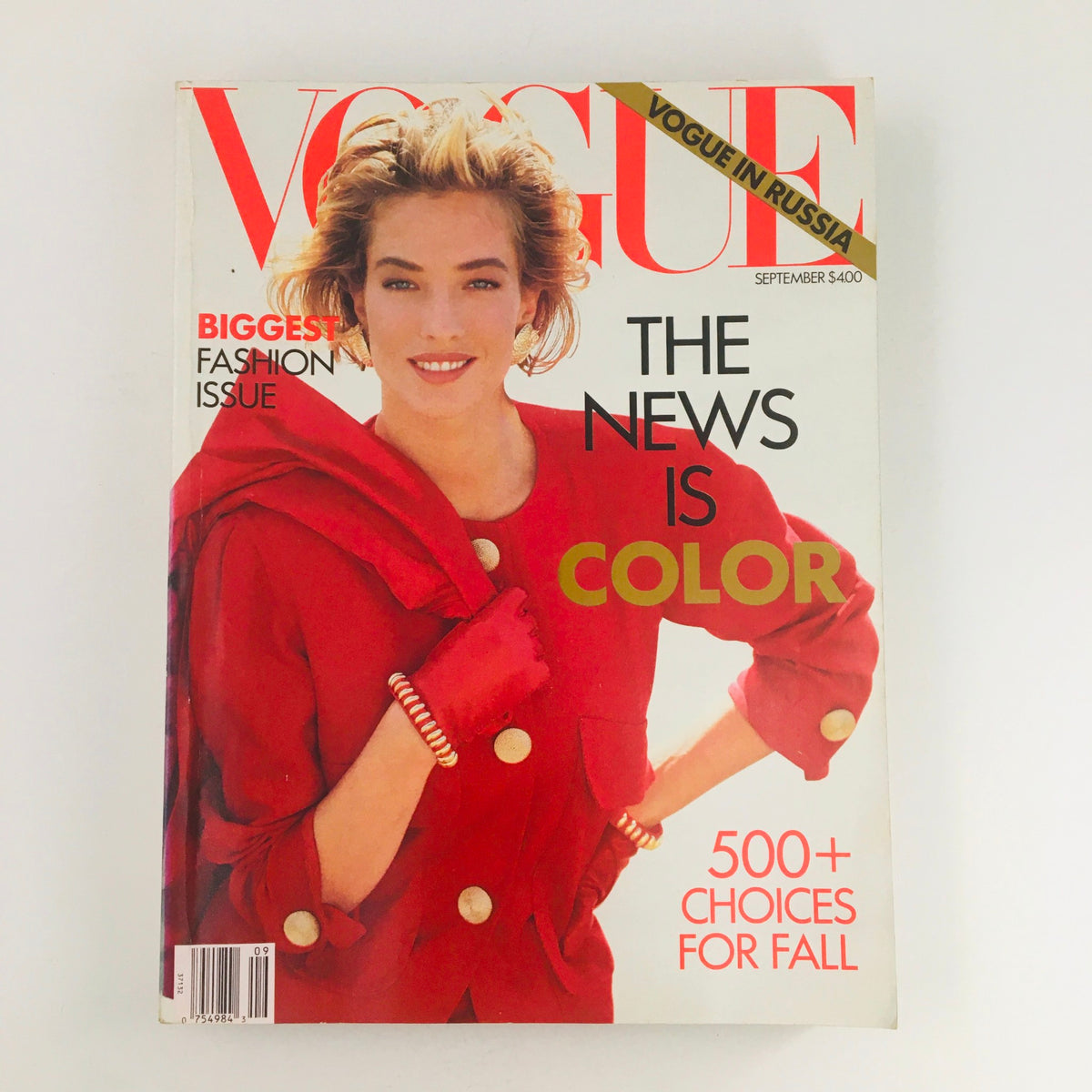
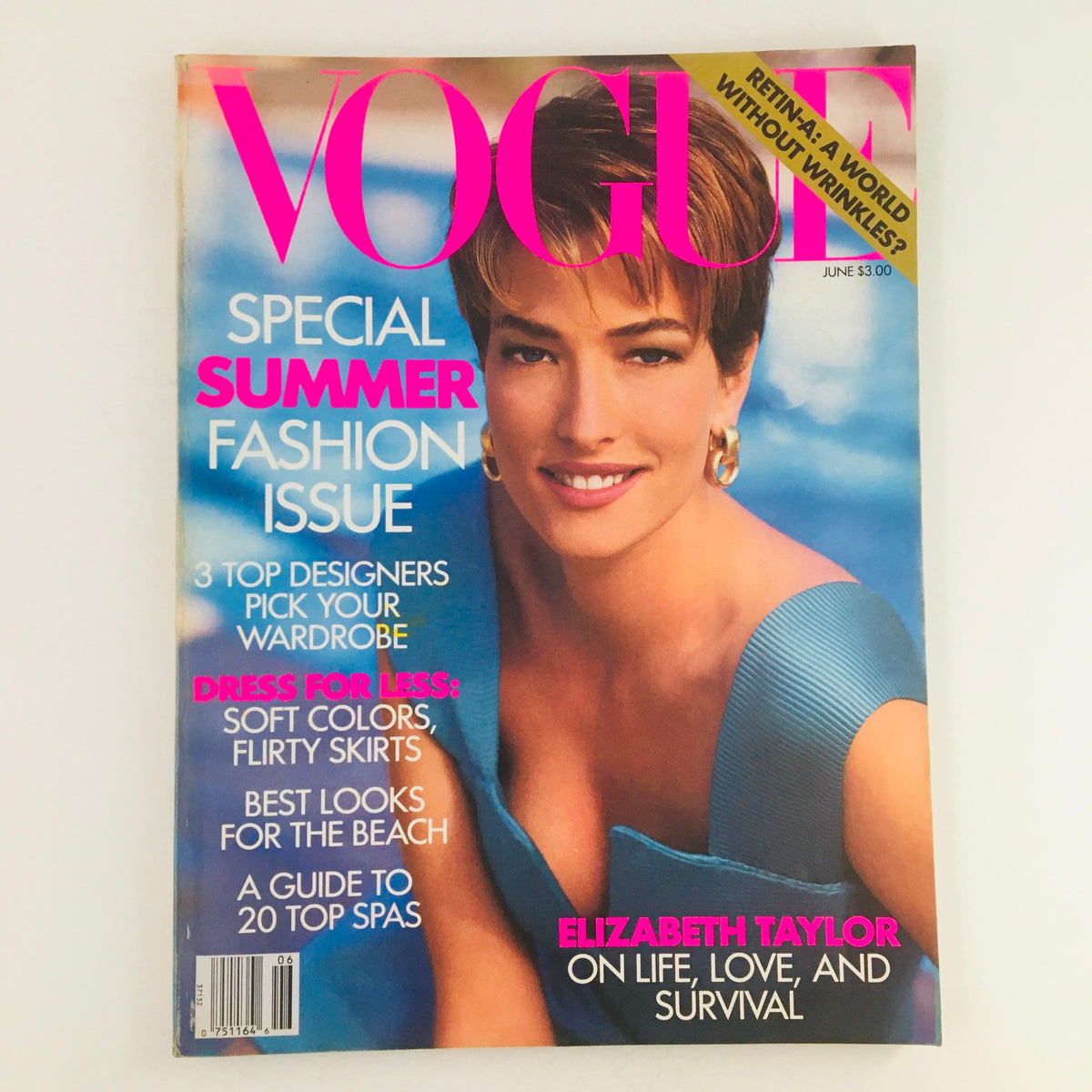
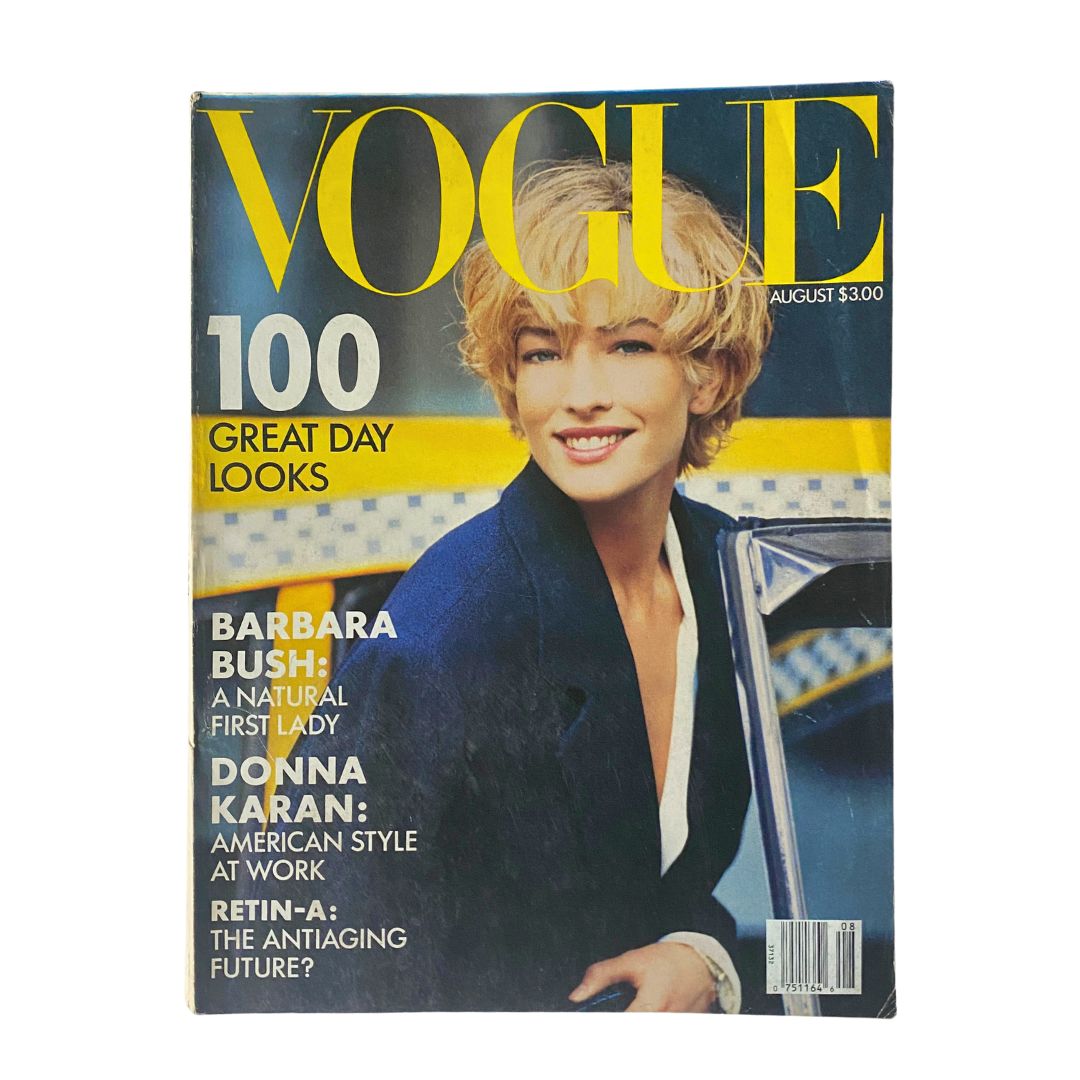
Before the algorithm decided what beauty meant, there was a generation of women who defined it simply by existing — and among that rarefied constellation, Tatjana Patitz occupied a singular, quietly powerful orbit. Born in Hamburg and raised in Sweden, she emerged in the mid-1980s as one of the original "Big Six" supermodels, a group whose faces became the visual lingua franca of an entire decade. Her dark, heavy-lidded gaze and feline bone structure were unlike the sun-kissed American archetype of the era — she brought to the runway and the printed page something more European, more melancholic, more interior. It was a quality that photographers hunted for and magazine editors built entire issues around. Long before social media could manufacture celebrity overnight, her legend was built slowly, deliberately, and entirely through the physicality of ink on paper — the fold of a magazine cover on a newsstand, the tear-sheet pinned to a art director's wall, the glossy image that made a reader pause and look again.
Inside the Archive
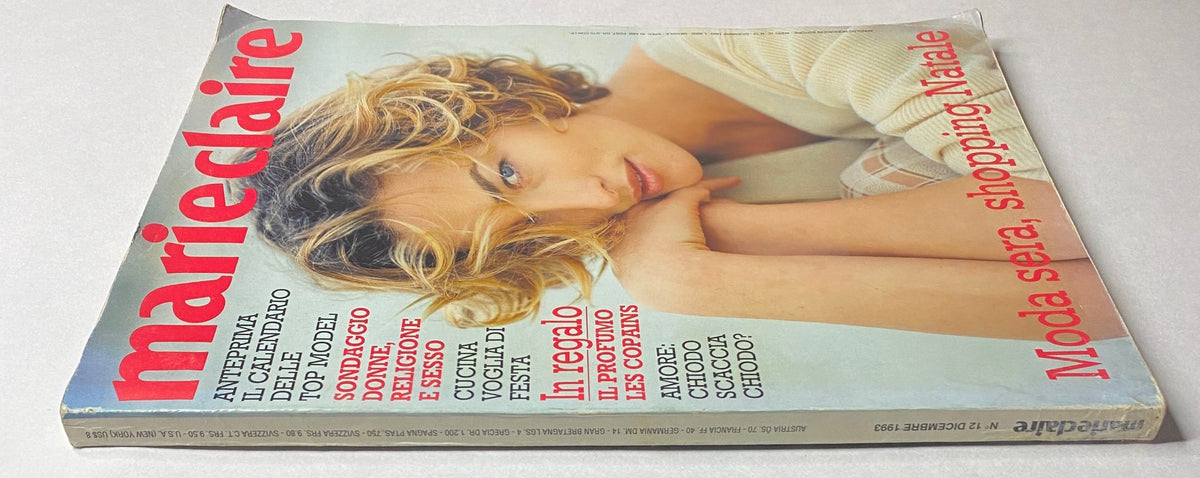
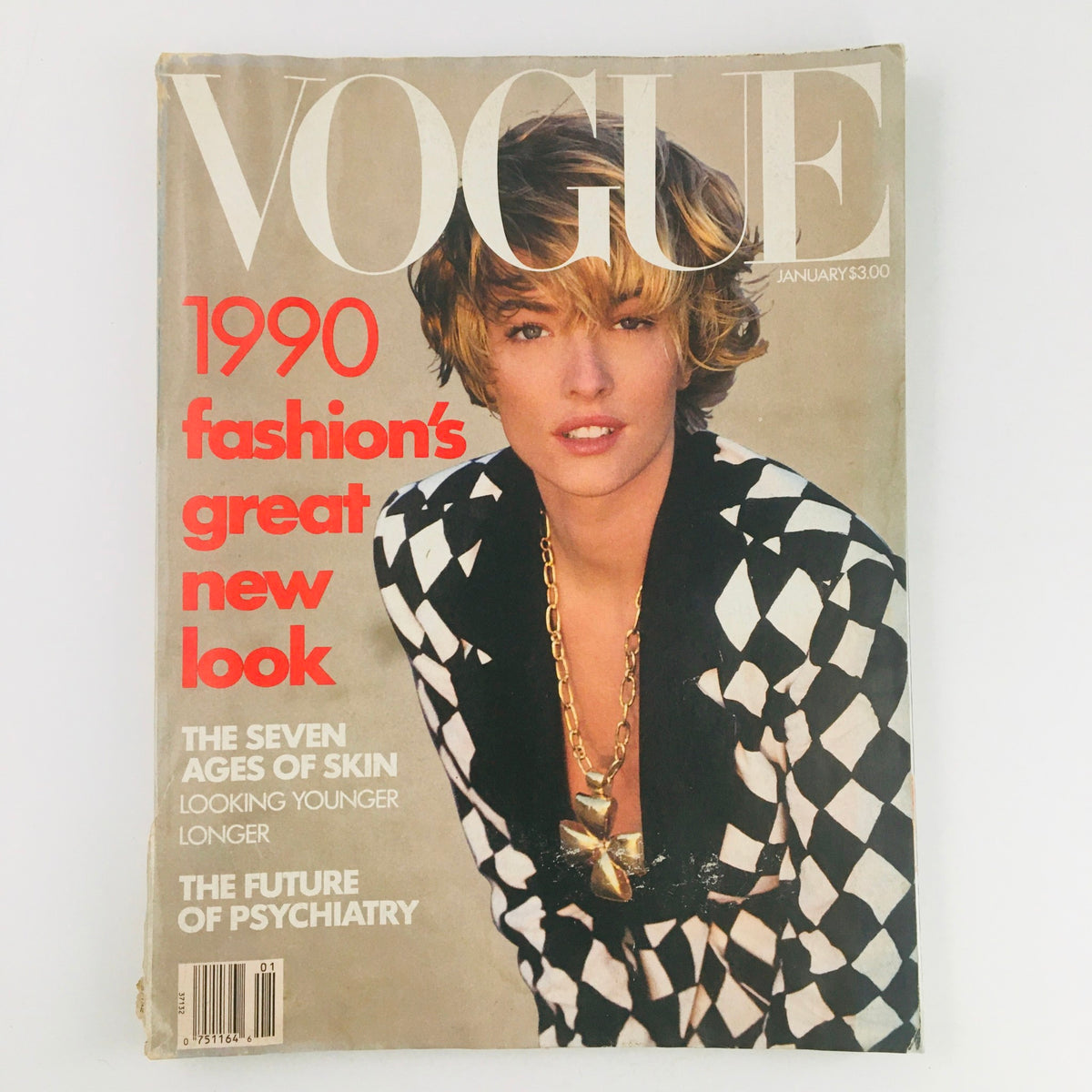
The publications that shaped her image were among the most powerful arbiters of taste in the twentieth century, and they treated her accordingly. Vogue — across its American, British, French, and Italian editions — returned to her repeatedly throughout the late 1980s and 1990s, with photographers like Herb Ritts, Peter Lindbergh, and Steven Meisel framing her in imagery that balanced high glamour with an almost cinematic introspection. It was Ritts who most famously captured her alongside Linda, Naomi, Cindy, and Christy in the iconic 1990 Vogue shoot that crystallized the supermodel era in a single frame. Elle and Marie Claire, meanwhile, often cast her in more editorial, fashion-forward spreads, while Interview magazine — with its distinctly artistic, pop-culture sensibility — explored her as both muse and cultural figure. The photography of her peak era was characterized by sweeping natural light, stark monochrome contrasts, and a cinematic gravitas that made each spread feel less like an advertisement and more like a still from a film that deserved to exist.
Curator's Checklist: Highlights Often Include
- Landmark group covers and editorial spreads from Vogue editions circa 1988–1995, when the supermodel era reached its cultural apex and she was among its most sought-after faces
- Herb Ritts and Peter Lindbergh photography features, including the era of stripped-back, black-and-white portraiture that redefined fashion imagery at the turn of the decade
- Profile and interview features from publications like Interview and Harper's Bazaar that explored her German-Swedish background, her selective approach to her career, and her reputation as one of the more private and intellectually serious figures of her generation
- Runway and ready-to-wear coverage from the golden age of Paris, Milan, and New York Fashion Week, when her appearances for houses like Chanel, Azzedine Alaïa, and Donna Karan were considered events in themselves
- George Michael's Freedom '90 cultural cross-references, as her appearance in that era-defining music video brought her image into mainstream pop consciousness and was widely covered across entertainment and fashion press simultaneously
The Collector's Value
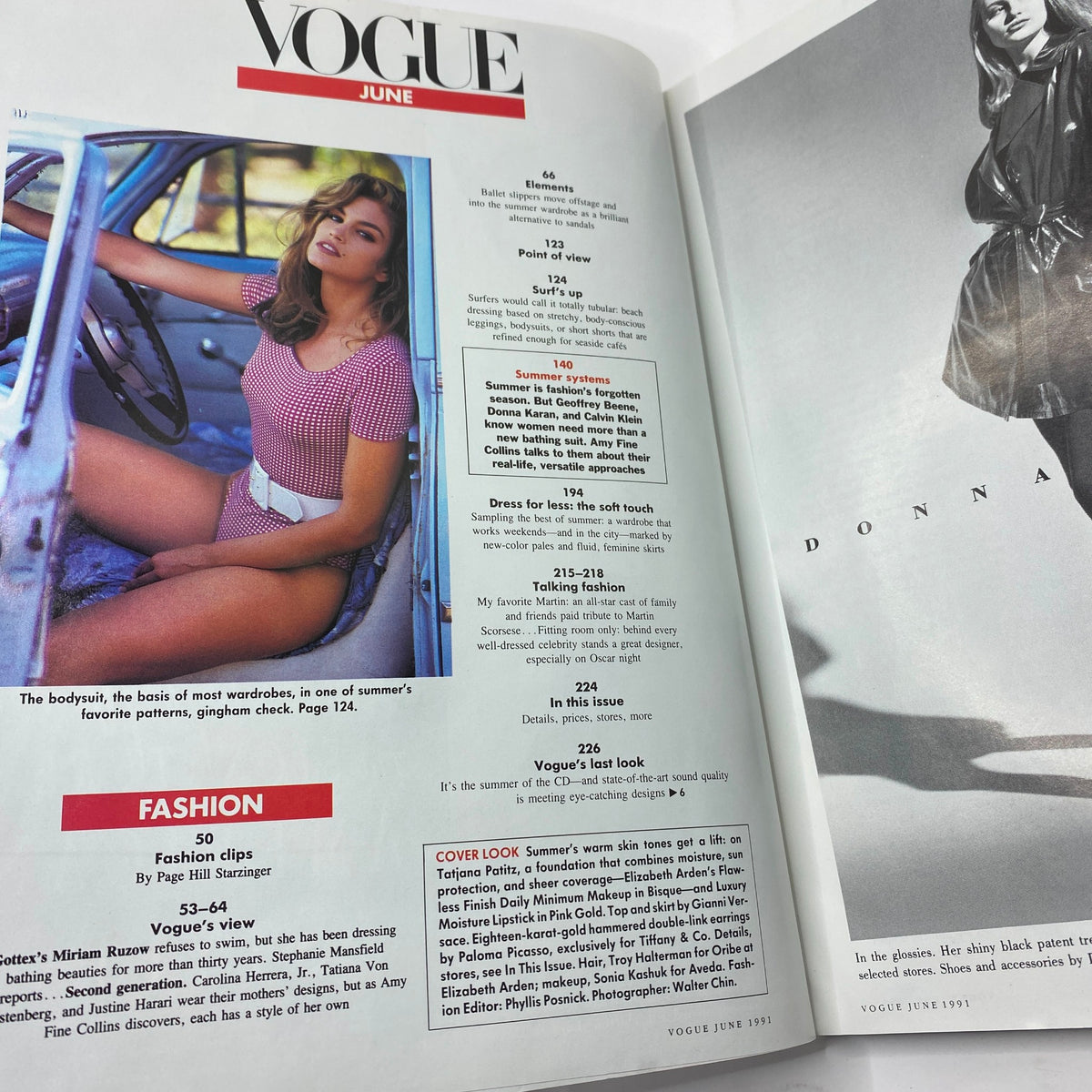
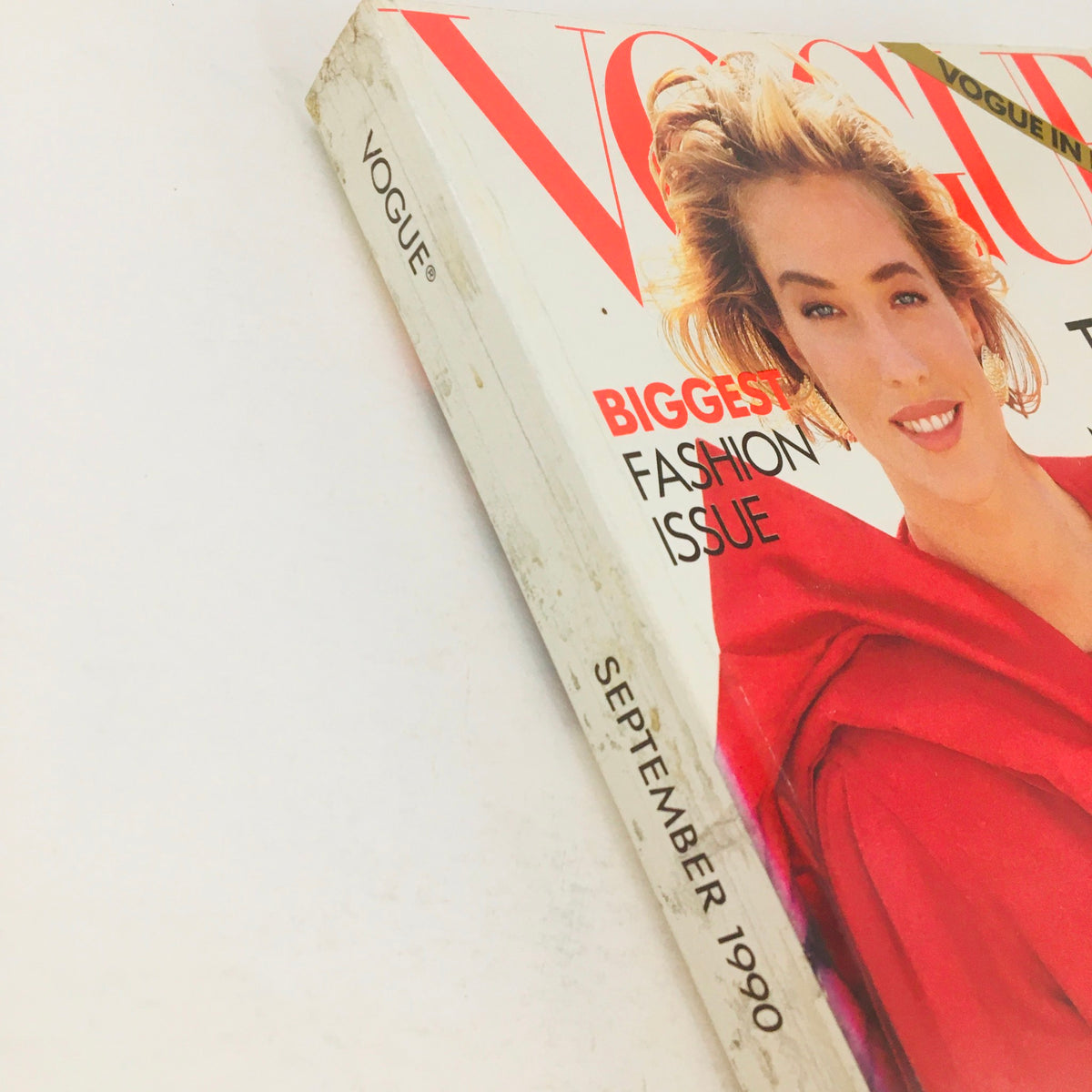
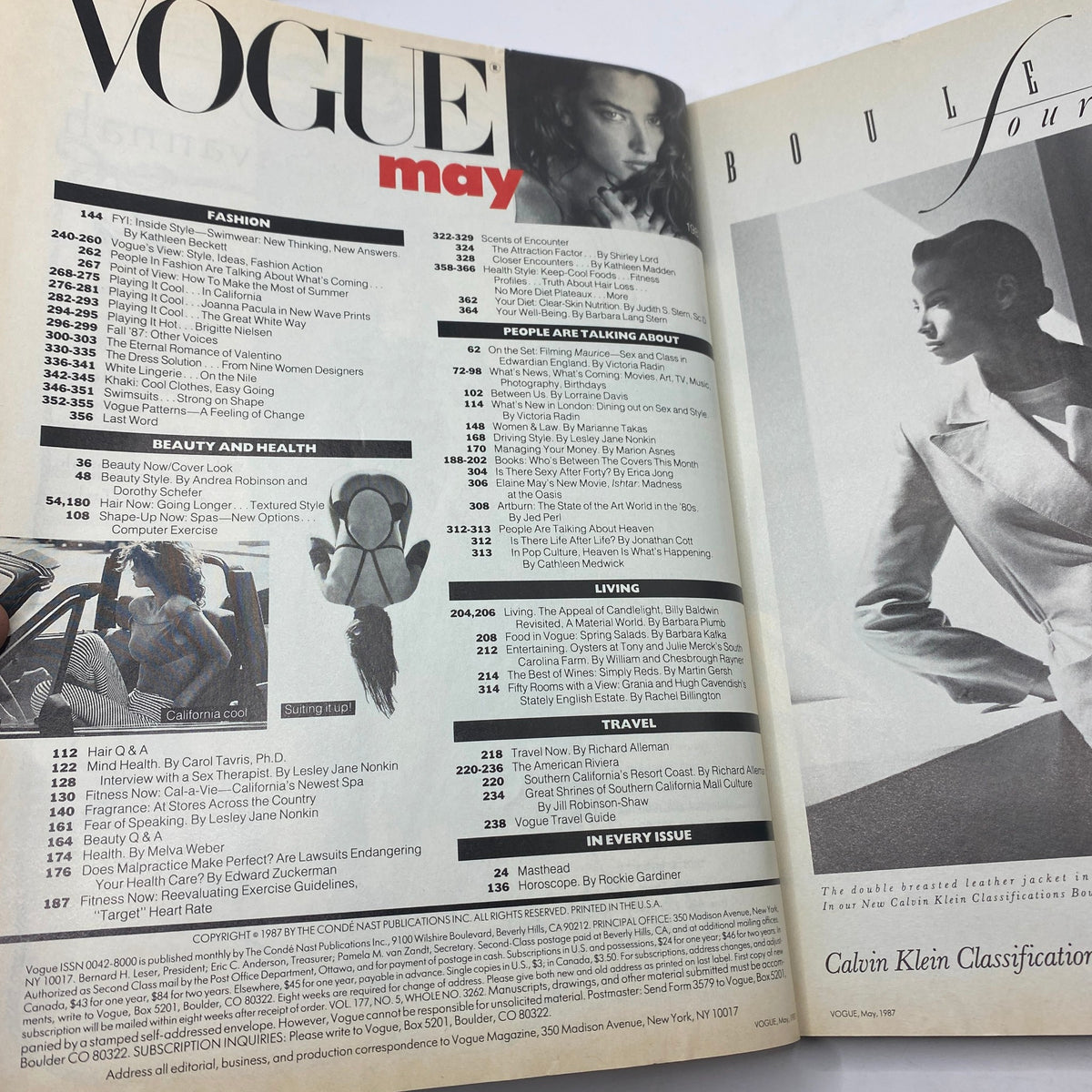
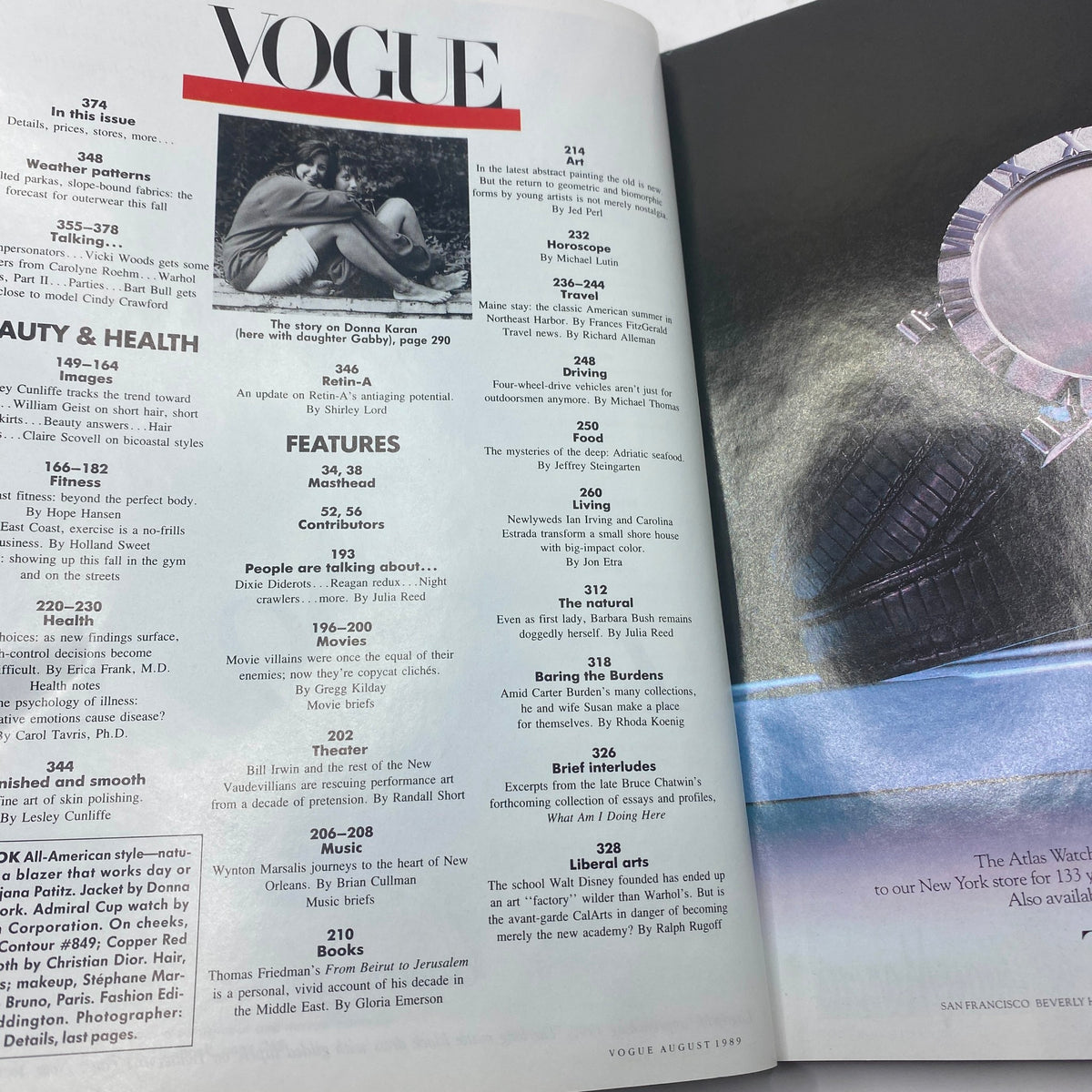
There is something irreplaceable about holding the actual publication in your hands — the particular weight of a late-1980s Vogue, the slight yellowing at the corners that speaks to decades of survival, the smell of aged ink and glossy stock that no digital archive can ever replicate. These are not reproductions or scans; they are primary sources, artifacts of a cultural moment that was documented in real time by editors, photographers, and art directors who understood they were making something lasting. The surrounding contents matter too — the perfume advertisements, the political headlines glimpsed in the table of contents, the fashion that contextualizes exactly where the world was when this image first met its audience. For collectors of supermodel and fashion history, 20th-century photography, or iconic editorial and print culture, these publications offer an irreplaceable window into an era of image-making that will never come again — one defined by craft, intention, and the irreducible power of a single printed page. Browse the current available inventory below and discover what the archive holds today.