📖 About this Collection
Taylor Swift: The Girl Who Became the Moment
The Legend & The Legacy
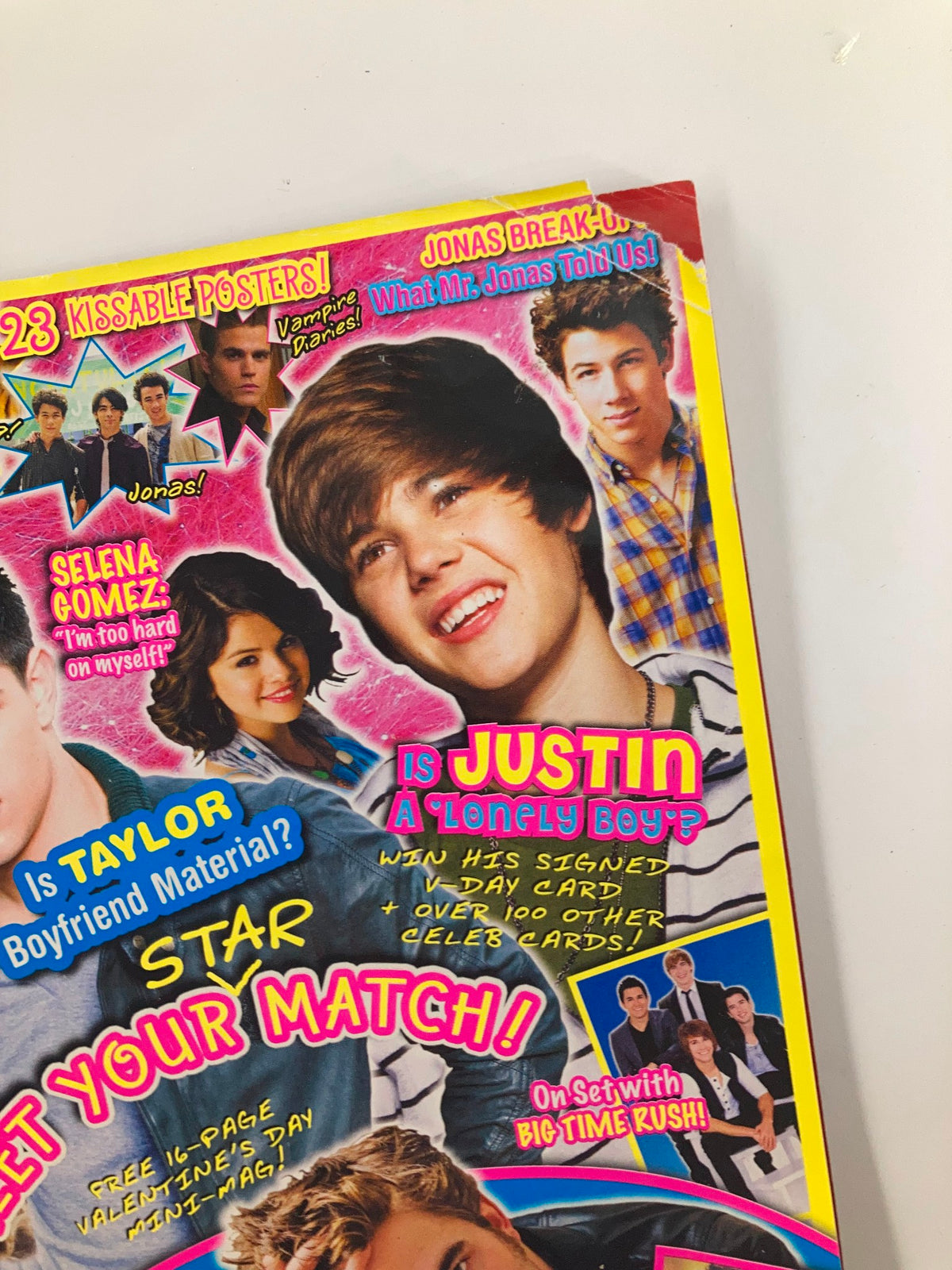
There is a particular kind of fame that does not merely occupy culture — it reorganizes it. Taylor Swift's ascent from a curly-haired teenager on the cover of teen glossies to a generational phenomenon played out in real time across the physical pages of the American press, and then the world's. Long before algorithms decided what was relevant, editors did — and they chose her, again and again, across decades and genres of publication. From the country music trades of Nashville to the high-fashion editorial suites of New York and London, the story of Swift's transformation was told in ink and gloss: the small-town girl with the guitar, the heartbreak anthems that became cultural shorthand, the reinventions that kept critics reaching for new vocabulary. Each era of her career arrived not as a social media drop, but as a magazine moment — a cover shoot, a long-form profile, a centerfold that readers tore out and kept. To hold a print magazine from those years is to hold the precise cultural temperature of the moment she walked into the room.
Inside the Archive
Vintage magazines captured the phenomenon with an intimacy and editorial investment that digital coverage rarely matches. In her early years, the teen and young adult press — publications like Rolling Stone, Teen Vogue, and People — treated her with a blend of breathless enthusiasm and genuine curiosity, their photographers shooting her in sun-drenched, candid Americana: on haystacks, in sundresses, with that guitar always close at hand. As her ambitions expanded, so did the prestige of the mastheads: Vogue granted her its most architecturally composed covers, each image a deliberate statement of artistic arrival. Time magazine, with its tradition of anointing those who reshape the world, placed her among the most influential people on earth — not once, but across multiple issues — lending her story the gravity of the historical record. Throughout, the editorial tone shifted in tandem with her own evolution, from girl-next-door warmth to calculated high-art mystique, each publication's approach serving as its own cultural artifact.
Curator's Checklist: Highlights Often Include
- Early career country crossover coverage — Issues from the late 2000s documenting her emergence from Nashville, often featuring earnest profiles in music trades and mainstream entertainment weeklies that marveled at a teenager writing her own hits
- Era-defining album launch spreads — Editorial features tied to landmark releases, from Fearless through 1989 and beyond, in which major publications devoted multiple pages to dissecting what each sonic reinvention meant for popular culture at large
- High-fashion cover shoots — Glossy, high-production Vogue, Harper's Bazaar, and international fashion magazine covers from her transition into a bona fide style icon, often accompanied by candid long-form interviews of rare editorial depth
- "Most Influential" and cultural retrospective issues — Special editions of newsweeklies and cultural journals in which critics and peers assessed her impact on the music industry, songwriting craft, and the business of celebrity itself
- International press features — Coverage from British, Australian, and European entertainment publications that charted how her fame crossed oceans, offering a fascinating outside-looking-in perspective on the uniquely American scale of her phenomenon
The Collector's Value
What a screen cannot replicate is the weight of the thing — the particular give of a glossy magazine page under your thumb, the faint chemical sweetness of decades-old ink, the way a 2009 issue of Rolling Stone carries within its margins the full texture of that cultural moment: the advertisements for flip phones and department stores, the font choices, the graphic design vocabulary of a world still processing life before streaming. A vintage magazine featuring Swift is not merely a photograph preserved — it is a primary document, a cross-section of how an era chose to see and celebrate her, curated by human editors who staked their publication's credibility on her significance. For collectors of music memorabilia, feminist cultural history, or the golden age of print journalism, these publications offer something irreplaceable: a tactile, authenticated encounter with the moment, unmediated by nostalgia filters or digital compression. Browse the current available inventory below, and find the issue that belongs in your archive.