📖 About this Collection
Ted DiBiase: The Million Dollar Man's Empire in Print
The Legend & The Legacy
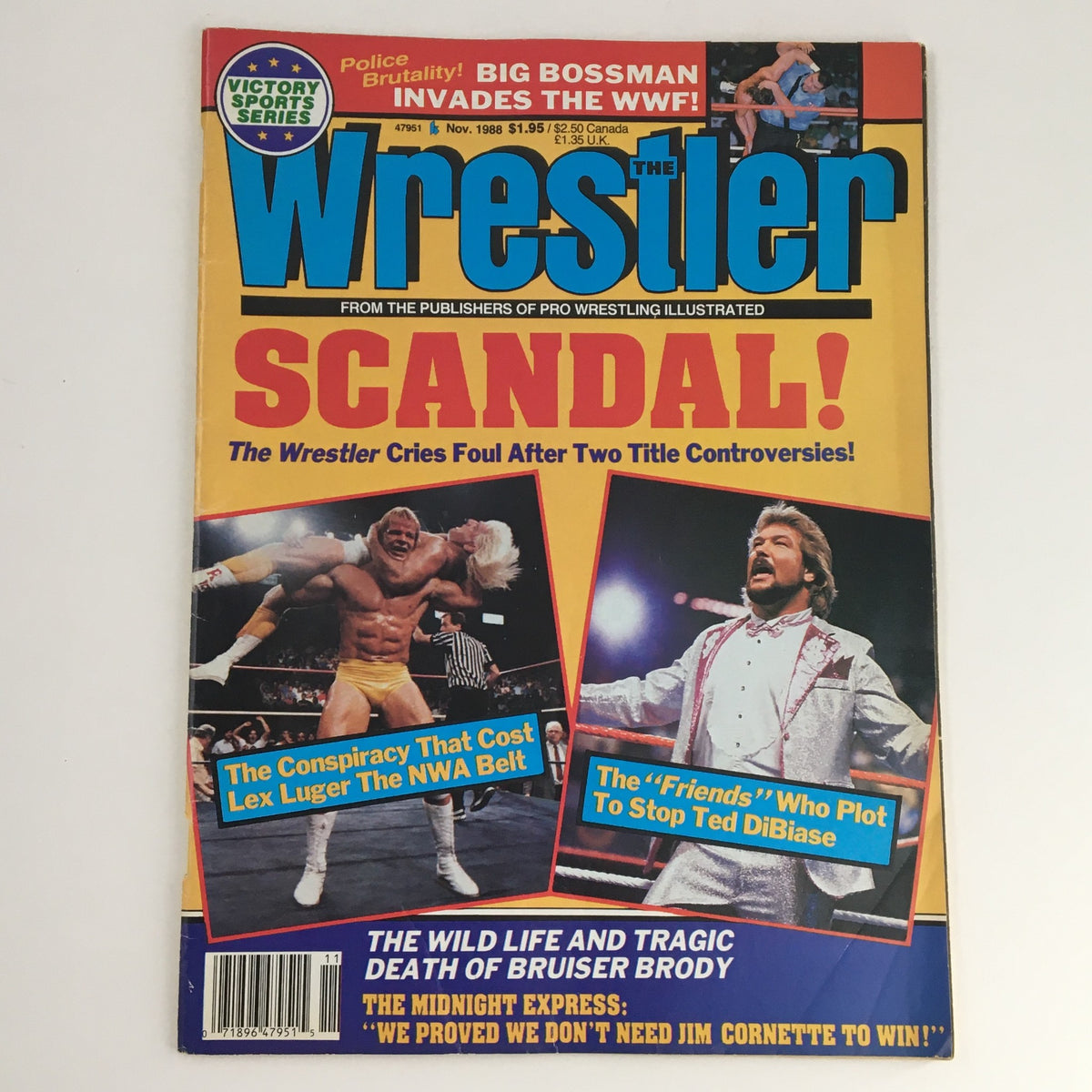
Long before social media algorithms decided who mattered, professional wrestling's greatest villains were enshrined in the glossy pages of magazines sold at drugstore racks and arena concession stands across America. Ted DiBiase — "The Million Dollar Man" — was one of the most brilliantly constructed characters in the history of sports entertainment, a man whose gilded arrogance and unforgettable catchphrase "Everybody's got a price" made him simultaneously the most hated and most compelling figure in the WWF's late-1980s golden era. What made the character transcend the ring was its eerie cultural resonance: DiBiase debuted his millionaire persona in 1987, at the very peak of Reagan-era excess, when Wall Street greed was being mythologized and the gap between the haves and have-nots felt almost theatrical. He wasn't just a heel — he was a mirror. Fans despised him because, somewhere beneath the fur coats and the hired manservant Virgil, they recognized something uncomfortably real about power, wealth, and privilege in America.
Inside the Archive
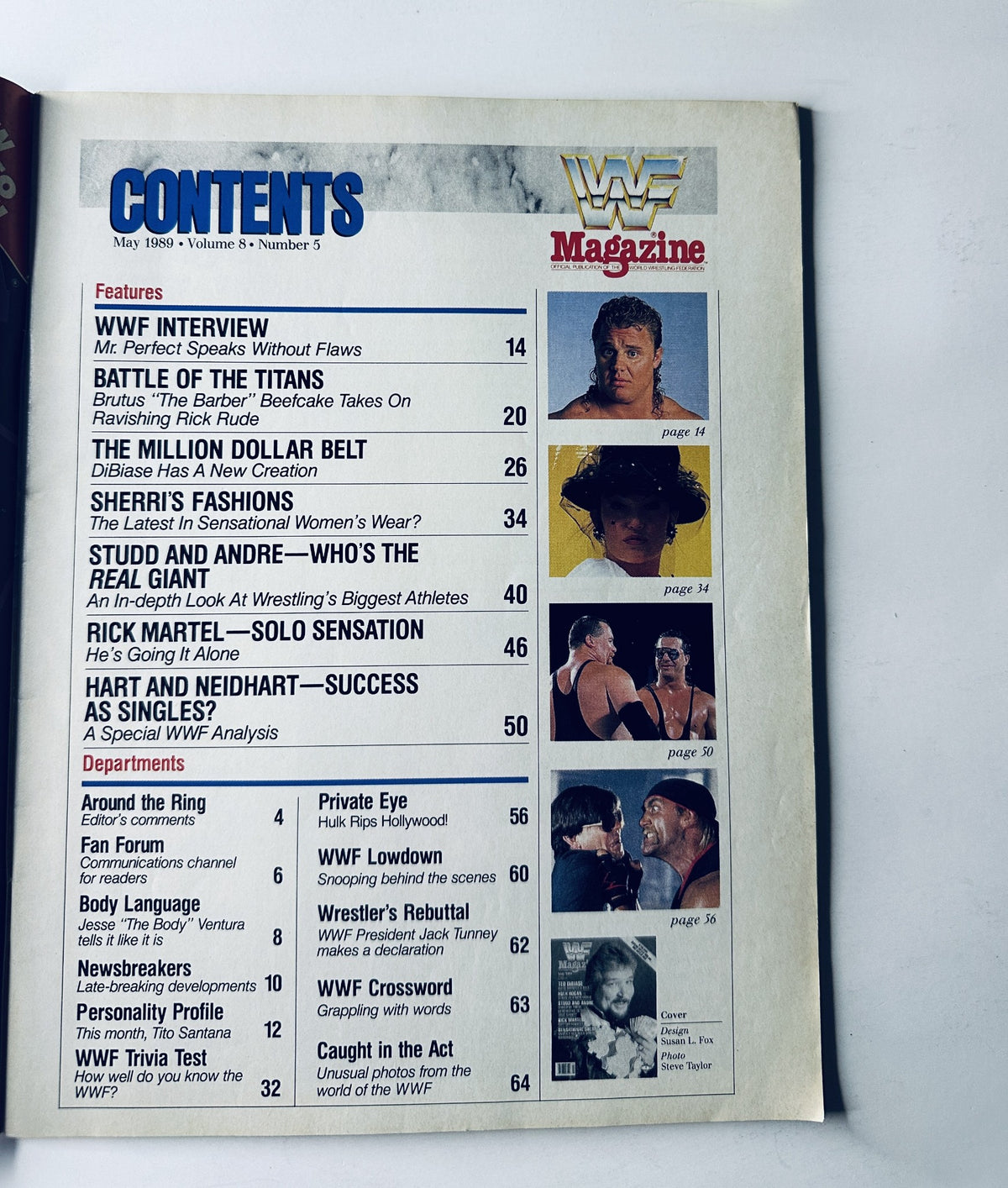
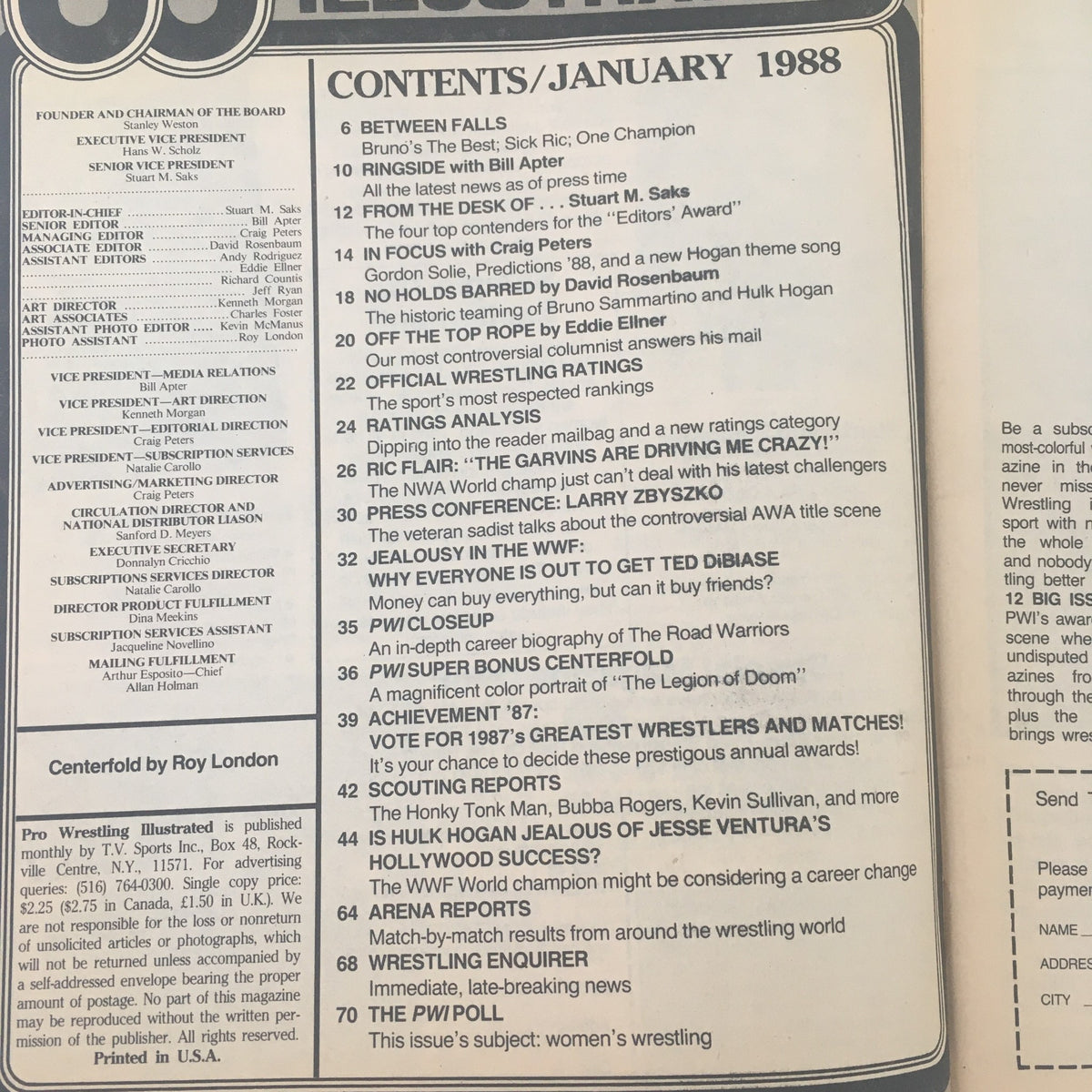
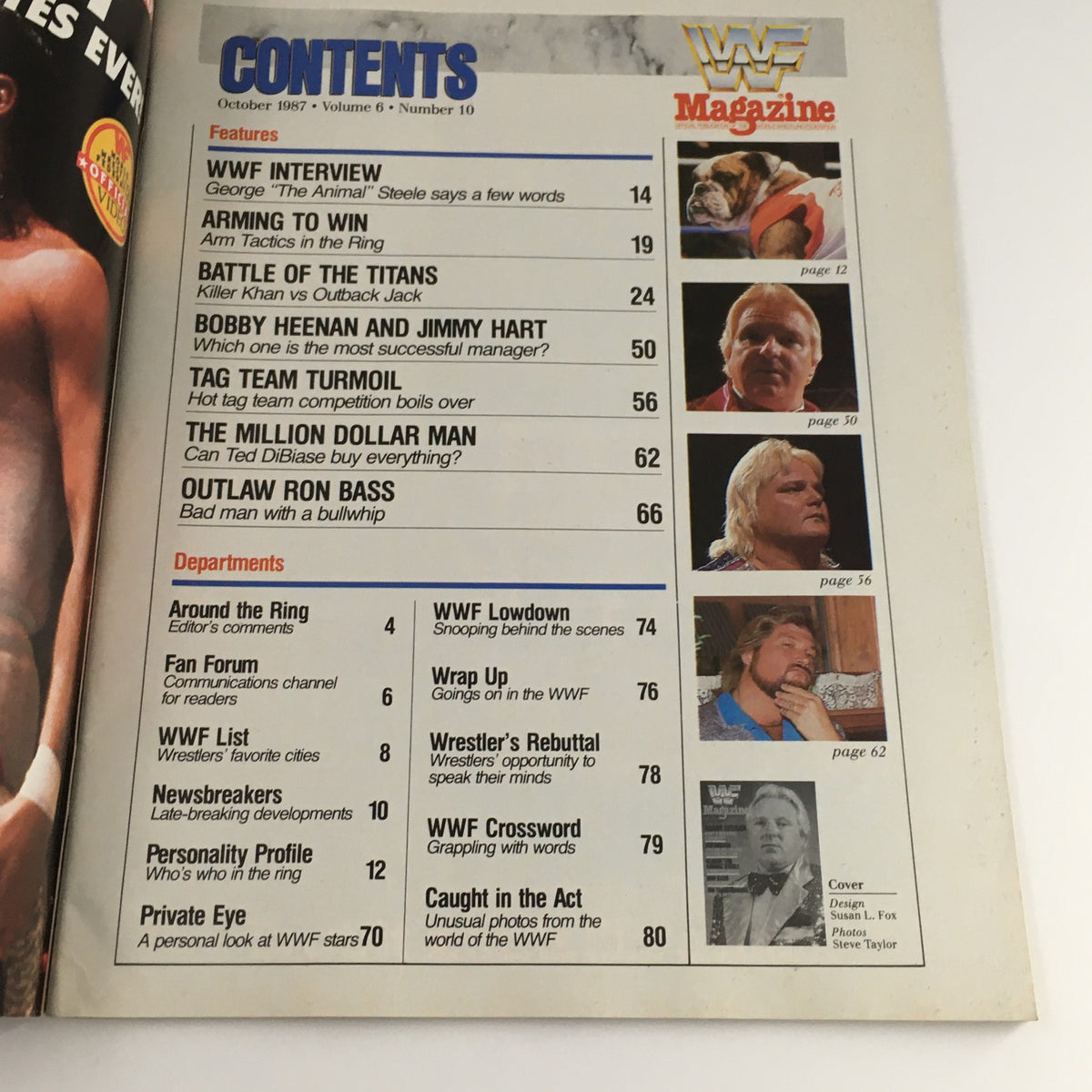
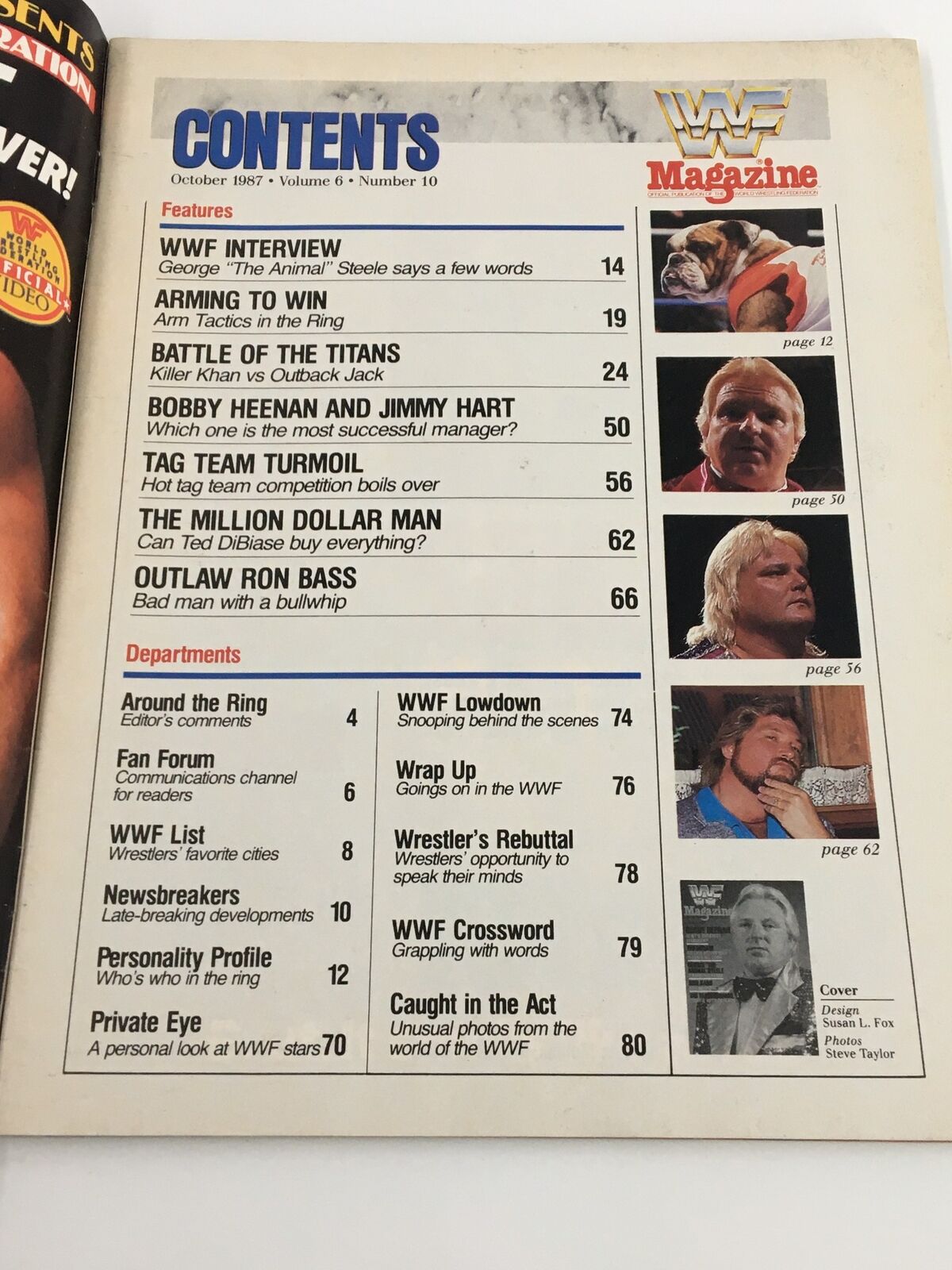
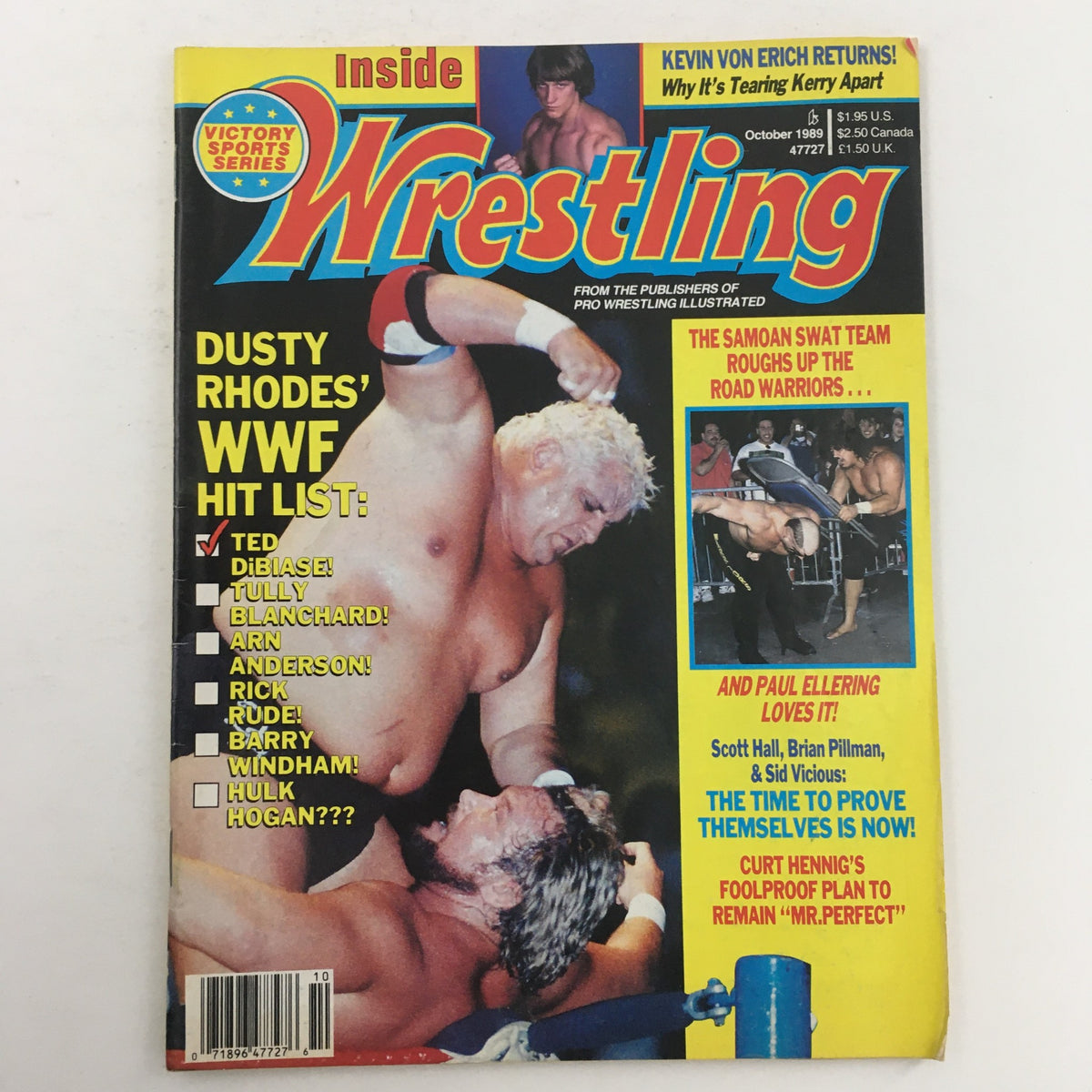
The wrestling press of the late 1980s and early 1990s treated DiBiase with the kind of breathless, character-first storytelling that blurred the line between sport and spectacle — precisely the way the WWF intended. Publications like Pro Wrestling Illustrated, the undisputed journal of record for the industry, devoted extensive real estate to the Million Dollar Man's feuds, profiling his championship pursuits and his infamous Million Dollar Belt with the earnest gravity of a financial newspaper covering a hostile takeover. WWF Magazine, the promotion's own lavishly produced monthly, crafted elaborate in-kayfabe features that presented his wealth as absolute fact, complete with staged photography dripping in conspicuous opulence — DiBiase photographed in limousines, in tailored suits, counting stacks of bills with theatrical disdain. Meanwhile, mainstream sports and entertainment outlets such as Sports Illustrated and TV Guide occasionally turned their gaze toward professional wrestling during its mainstream surge, capturing the cultural phenomenon that figures like the Million Dollar Man helped engineer, lending an air of legitimate cultural analysis to what critics once dismissed as mere spectacle.
Curator's Checklist: Highlights Often Include
- Championship pursuit coverage from the 1988 WWF Championship tournament at WrestleMania IV, where collectors frequently encounter issues documenting his historic run through the bracket and his rivalry with Randy "Macho Man" Savage
- Million Dollar Belt features — editorial spreads and news items surrounding his commissioning of a custom jewel-encrusted championship, one of the most visually iconic props in wrestling history
- Virgil & DiBiase storyline arcs — human interest-style coverage of the servant-and-master dynamic that eventually culminated in one of wrestling's most emotionally charged betrayal angles
- Ted DiBiase Sr. legacy retrospectives — occasional profile pieces connecting the Million Dollar Man to his father's storied NWA career, offering collectors a rare multigenerational wrestling dynasty narrative in a single issue
- Transition-era coverage (1993–1996) — publications documenting his shift into managerial roles, including his controversial stewardship of the Undertaker's "Million Dollar Corporation" faction during the WWF's turbulent mid-decade period
The Collector's Value
To hold one of these magazines is to hold a specific, irretrievable moment in time — the paper stock slightly yellowed at the edges, the ink carrying that faintly sweet, musty perfume that only decades can bestow, the surrounding advertisements for hair metal cassette tapes and sugary cereals serving as an unintentional time capsule of the era itself. These are primary sources, not reprints or digital approximations — objects that were physically present in the cultural conversation as it happened, sold alongside candy bars and paperback novels in the America that Ted DiBiase's character so perfectly satirized. The photography inside these pages was shot on film, the editorials typed on deadline, the design laid out by hand — every element a relic of a media world that no longer exists. For collectors of professional wrestling memorabilia, 1980s Americana, or pop culture history, these publications offer an unmatched depth of narrative, imagery, and historical texture that no action figure or replica belt can replicate. Explore the current available inventory below and claim your piece of the Million Dollar legacy.