


Description
Collector's Note – Why This Issue Matters
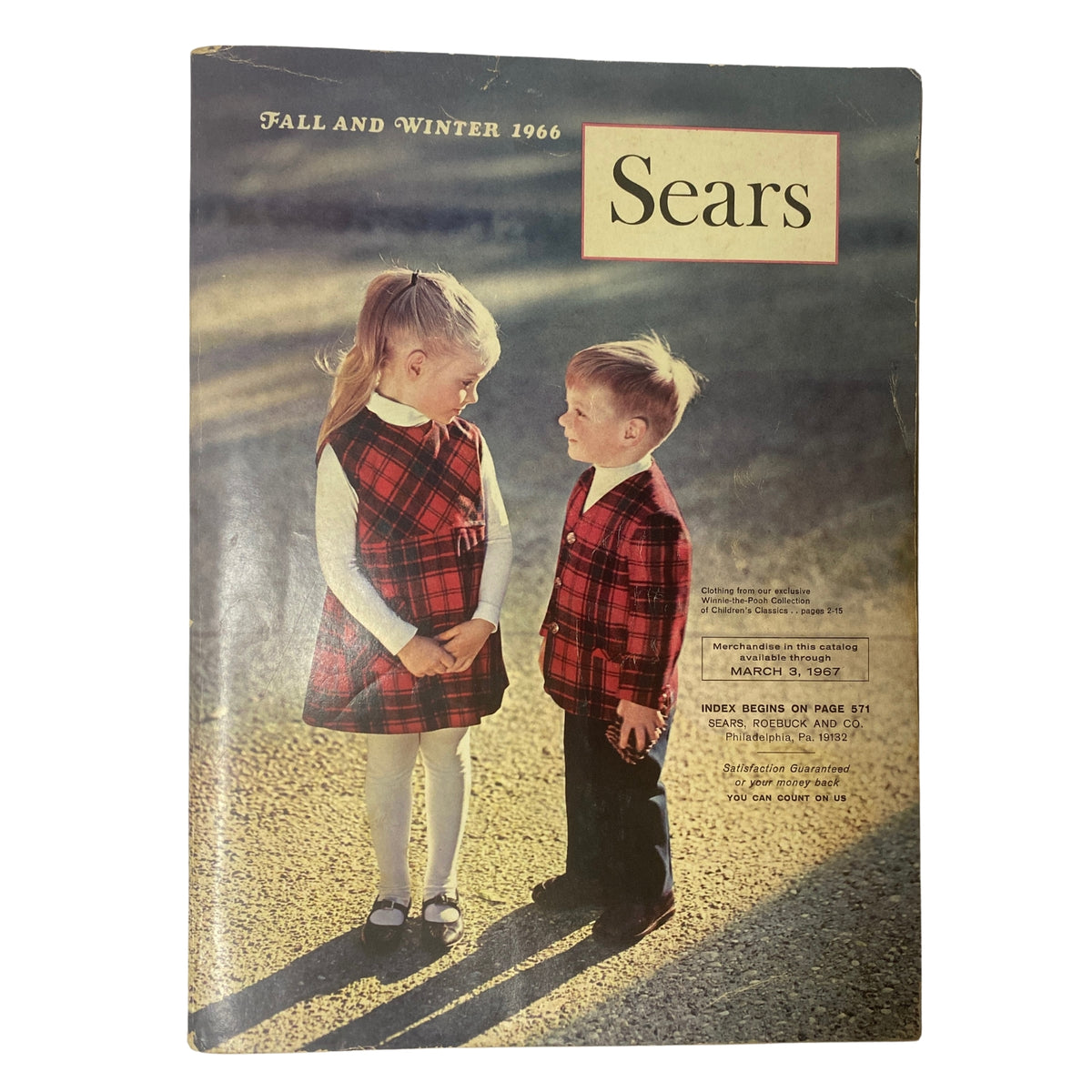
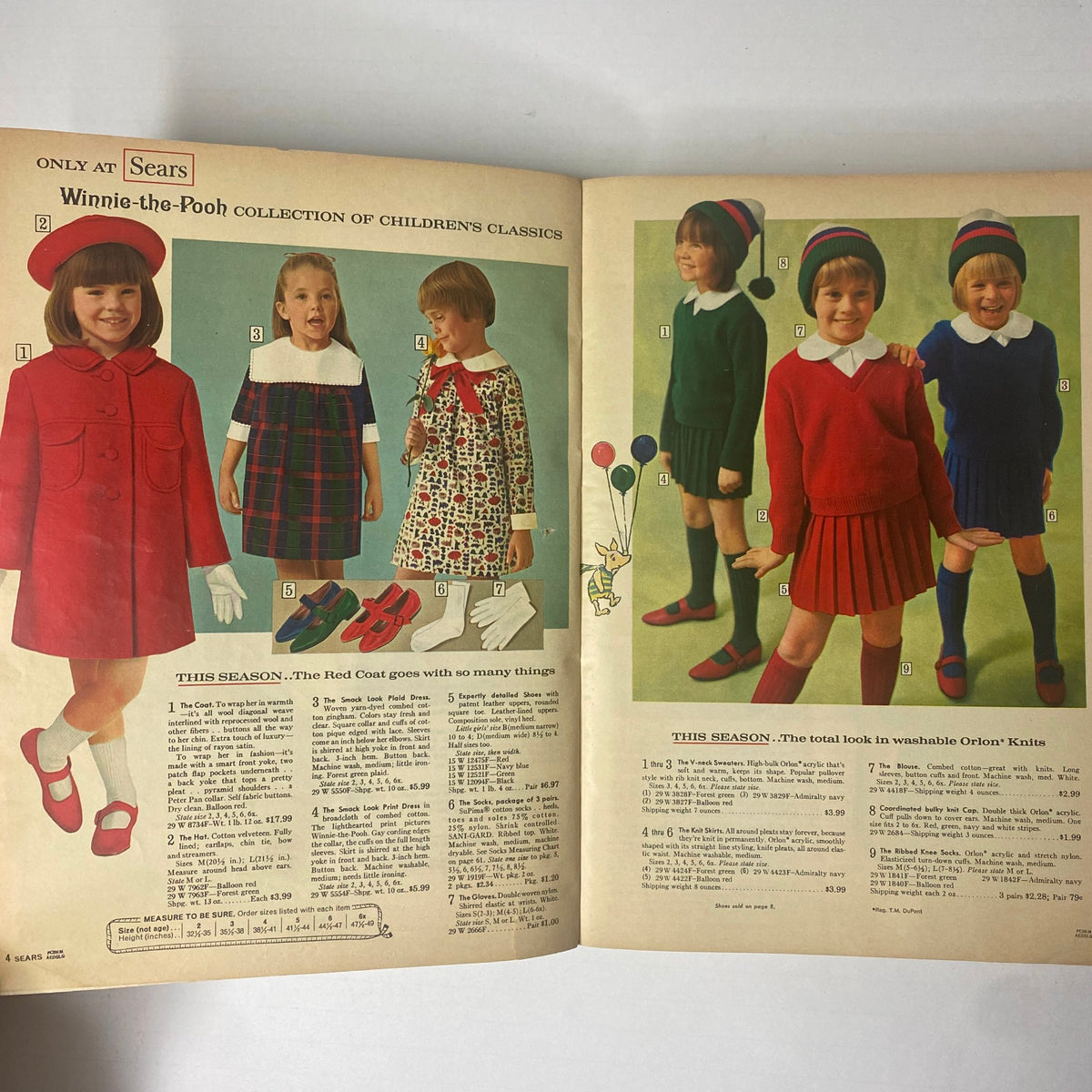
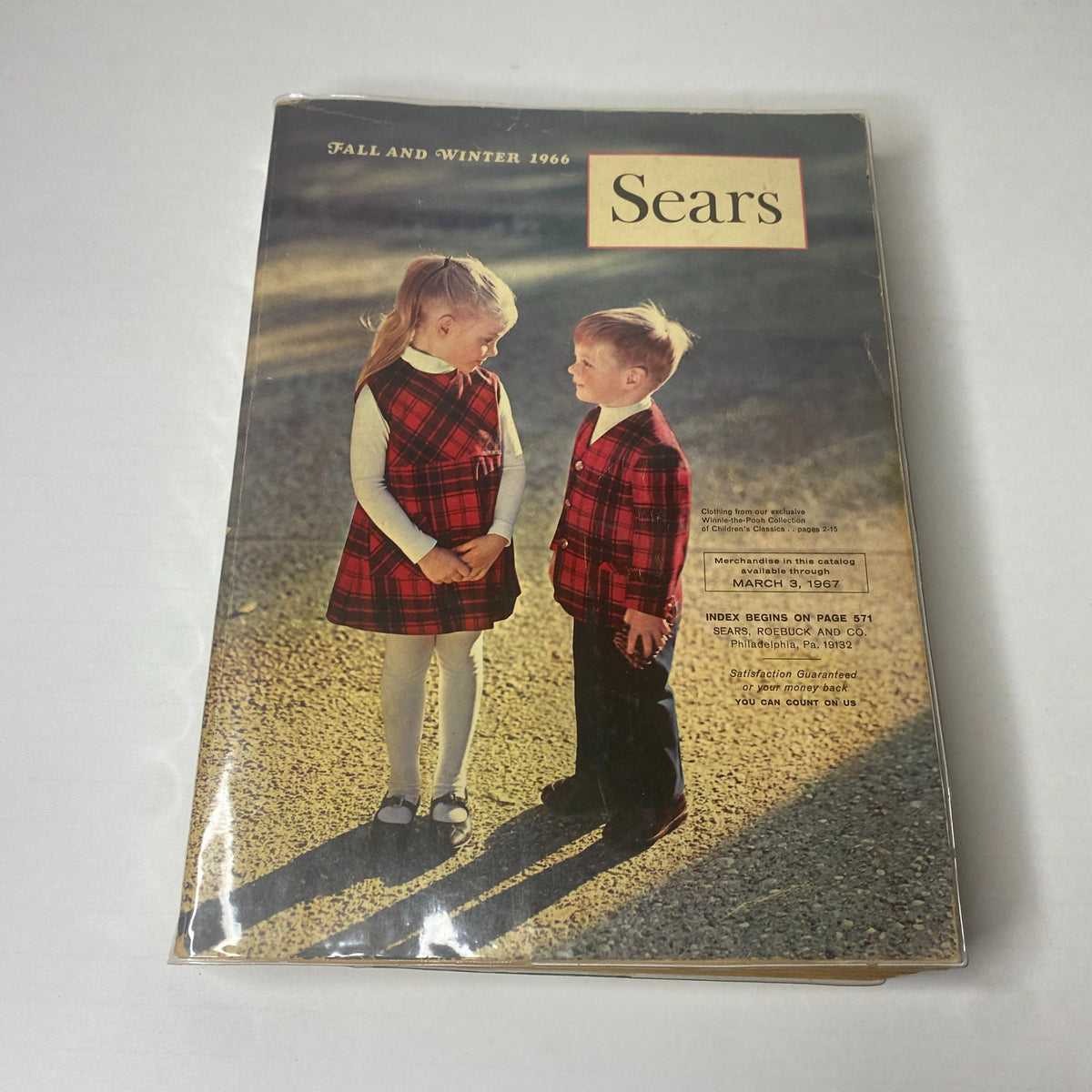
The Sears Fall and Winter 1966 catalog — distributed by Sears, Roebuck and Co. out of Philadelphia and valid through March 3, 1967 — is a significant entry in the Sears catalog archive for a reason that collectors of both vintage retail ephemera and Disney licensing history will immediately recognize: it opens with an exclusive Winnie-the-Pooh Collection of Children's Classics spanning pages 2 through 15. The timing of this is historically precise. Disney had acquired the rights to A.A. Milne's Winnie-the-Pooh characters in 1961 and released its first Pooh animated featurette, Winnie the Pooh and the Honey Tree, in February 1966 — just months before this catalog would have been prepared and distributed. The Sears exclusive children's clothing section documented on the cover represents one of the earliest mass-market retail expressions of Disney's Pooh licensing program, reaching American households at the exact moment the characters were being introduced to a new generation through film. For collectors at the intersection of Sears catalog history, Disney licensing history, and 1960s children's fashion, this catalog occupies a uniquely specific position. The Sears catalog archive at OriginalMagazines.com spans the full twentieth-century run of this institution's publishing history, and the Fall and Winter 1966 edition is among its most collectible entries.
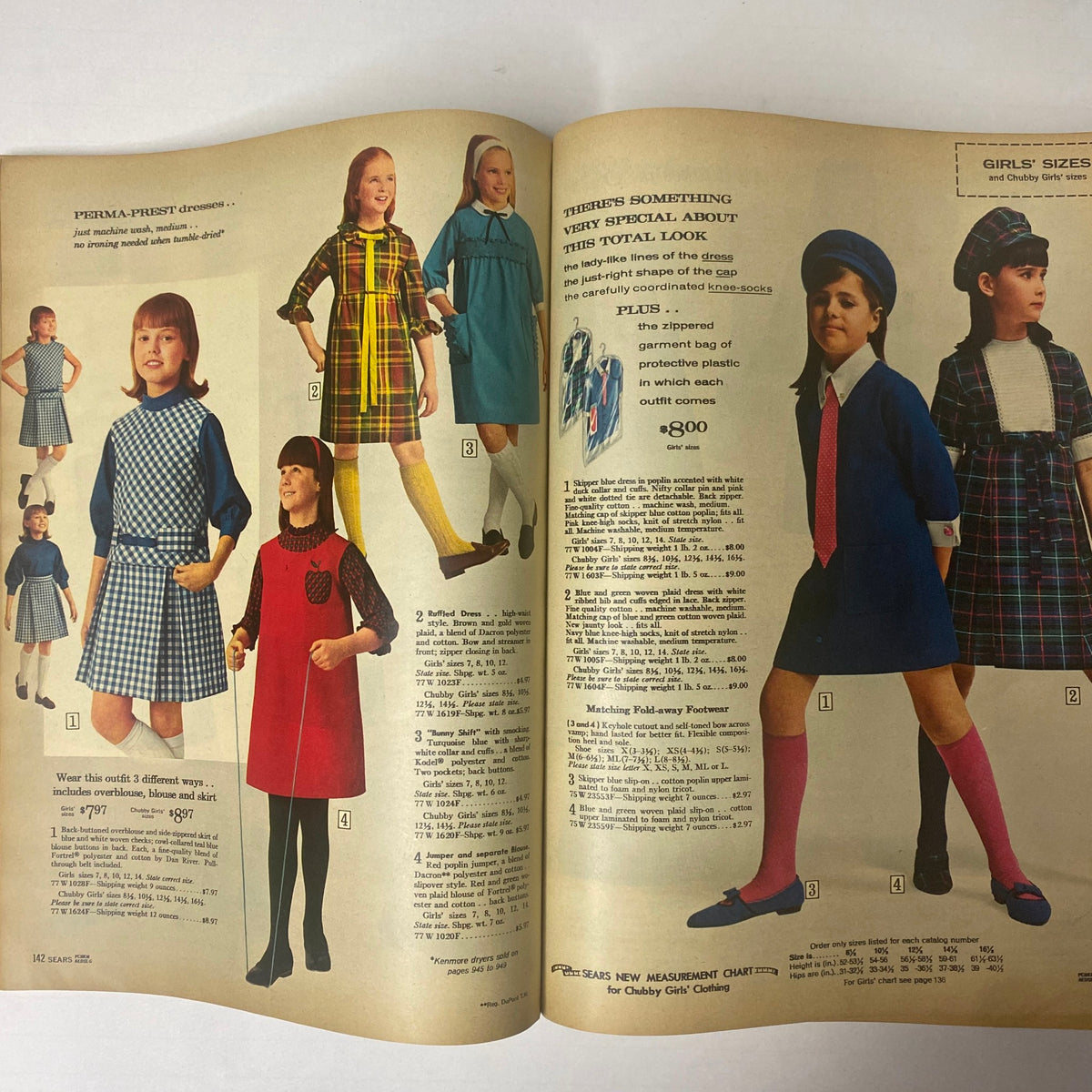
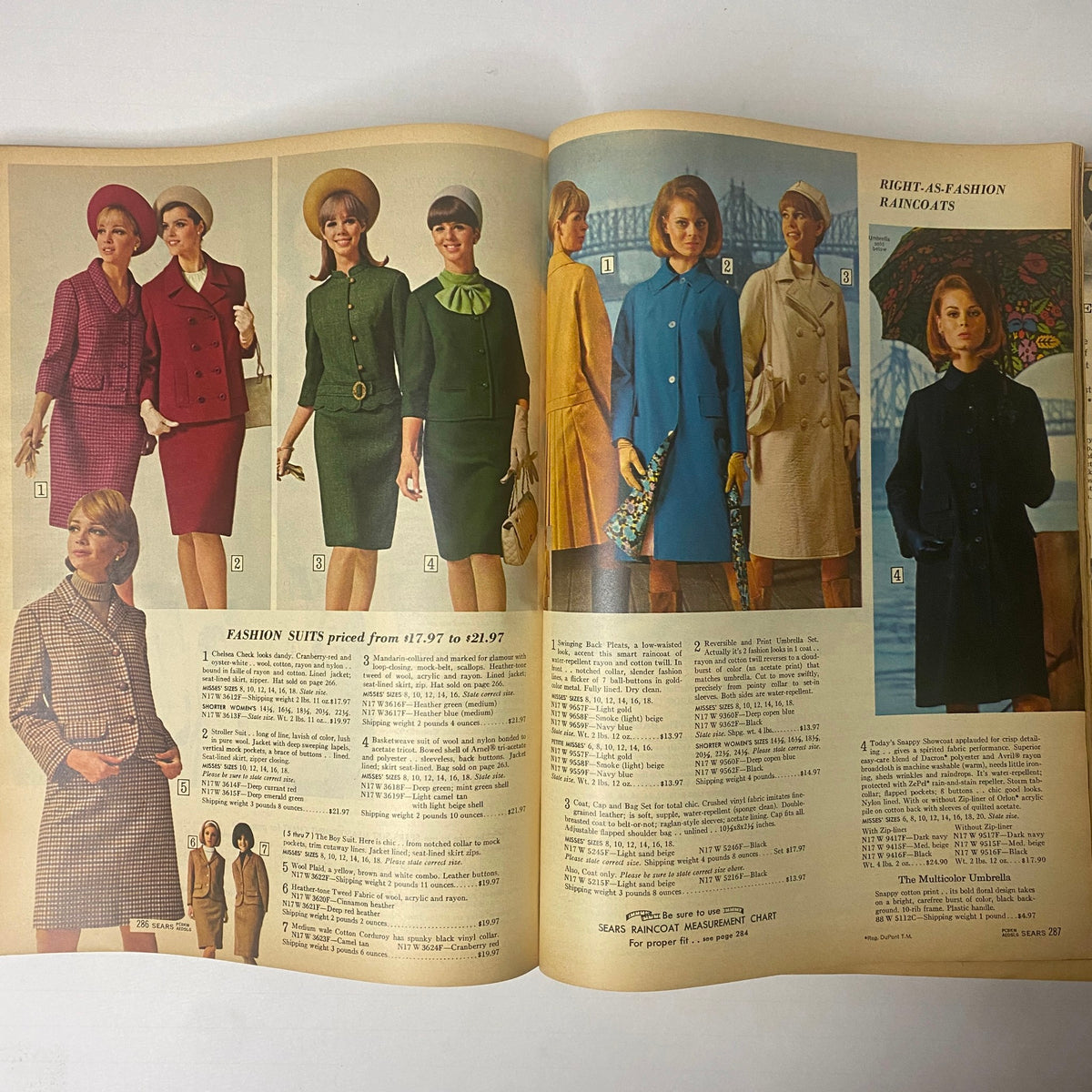
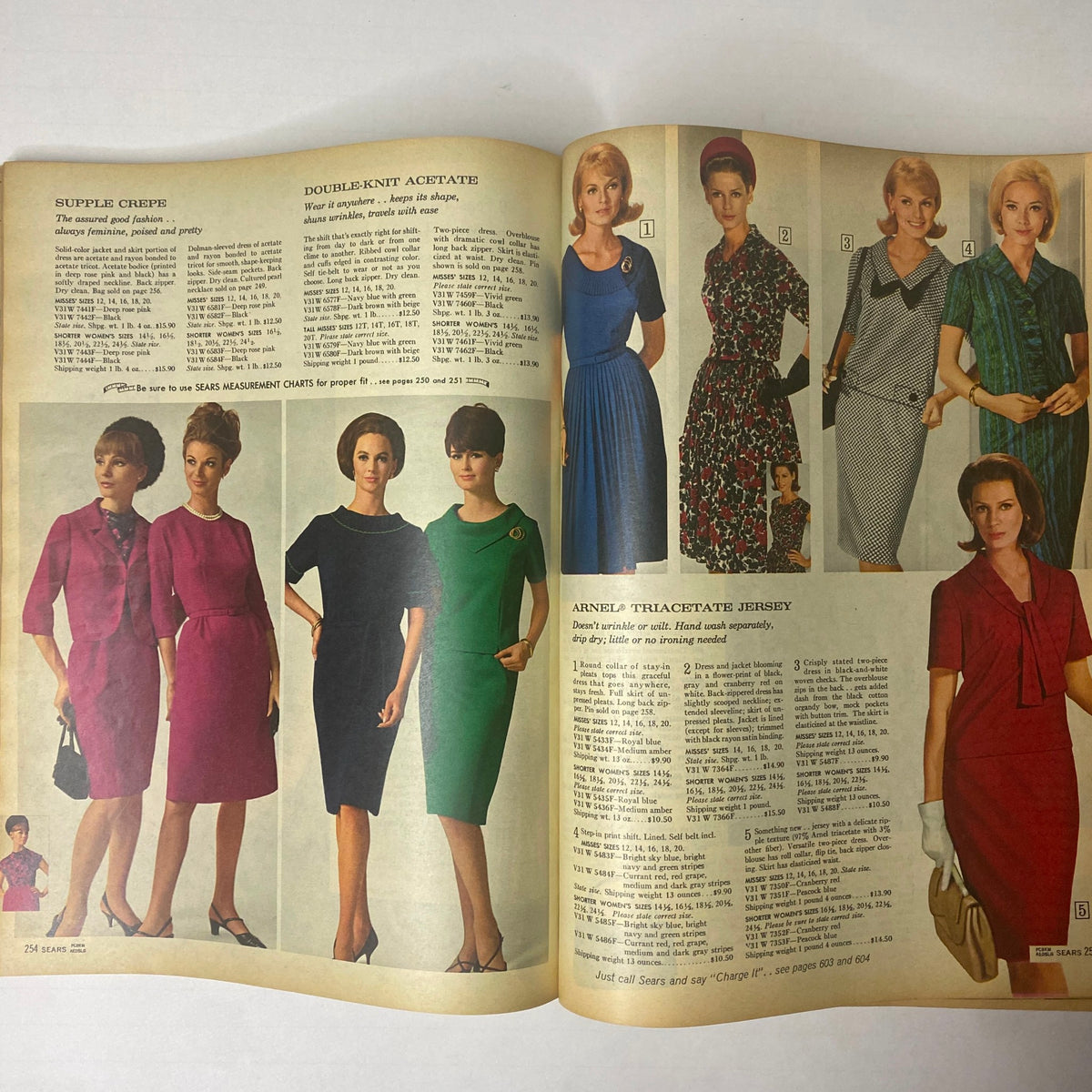
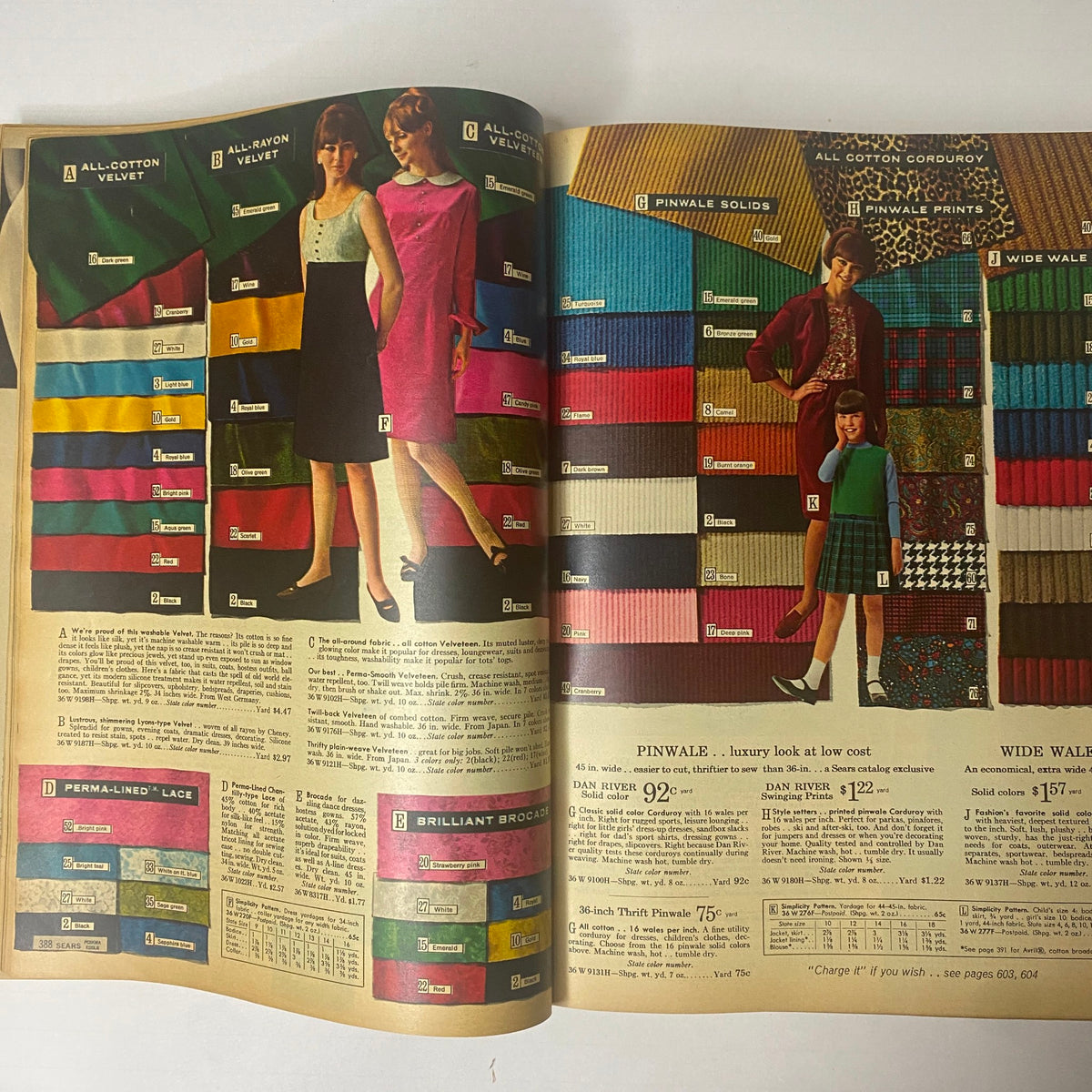
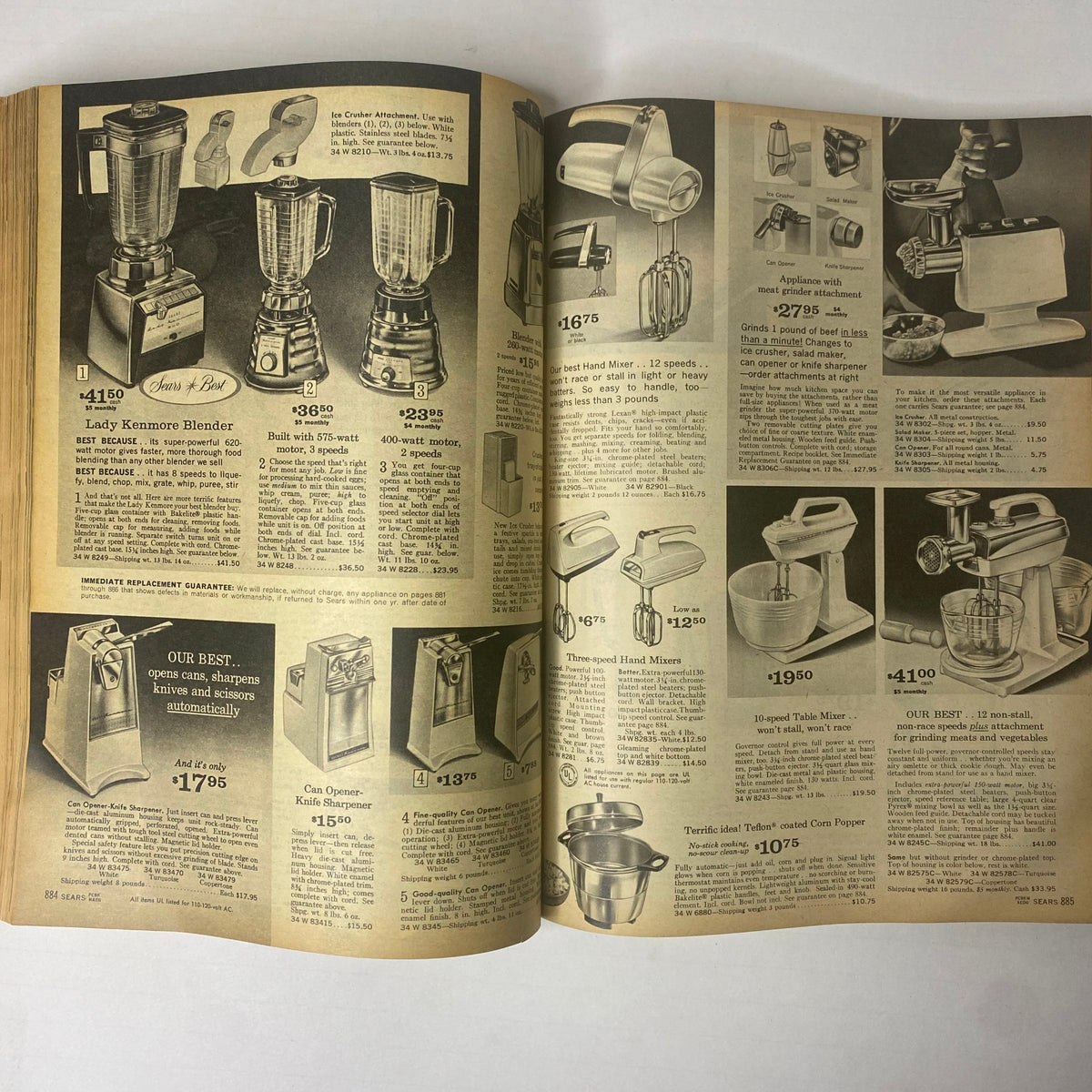
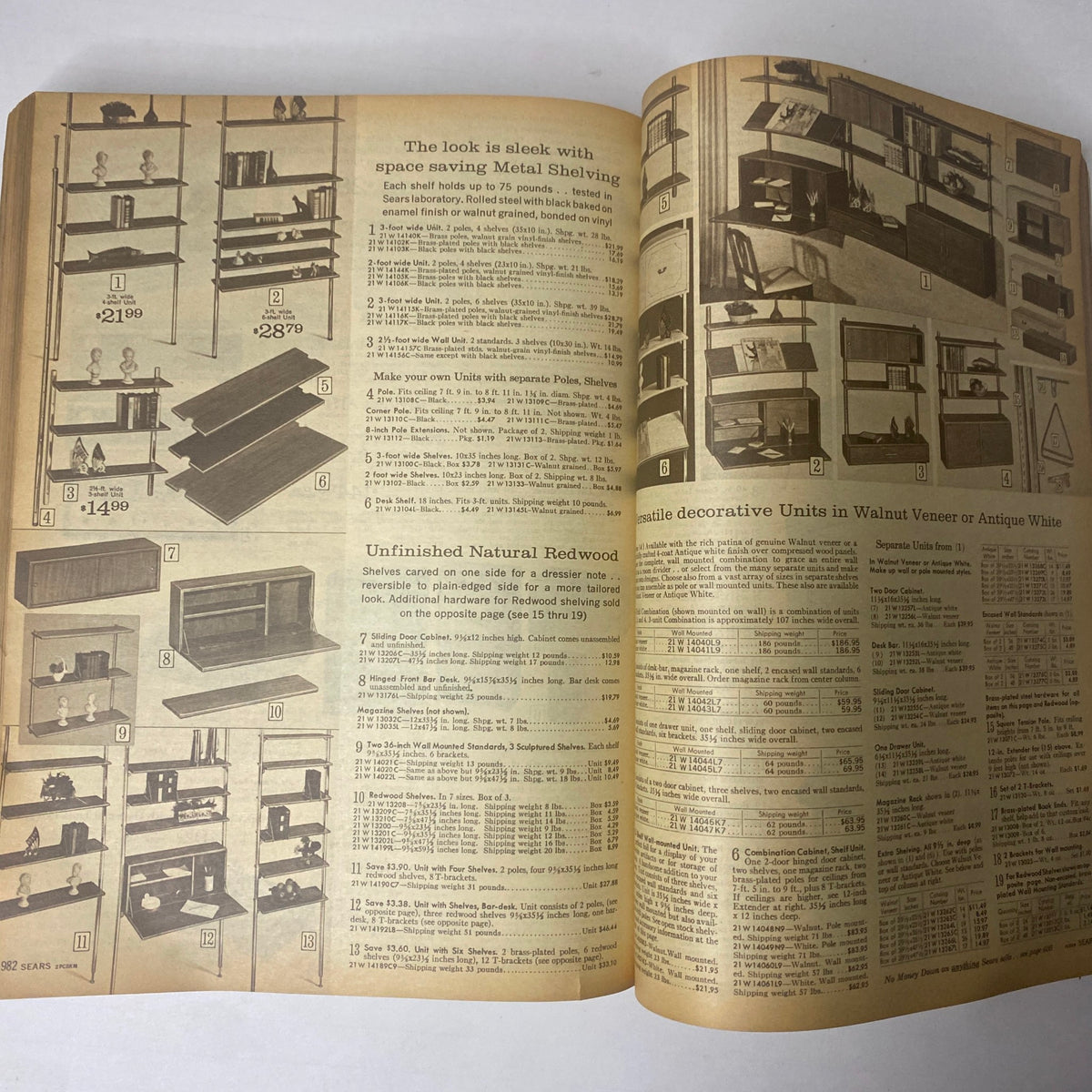
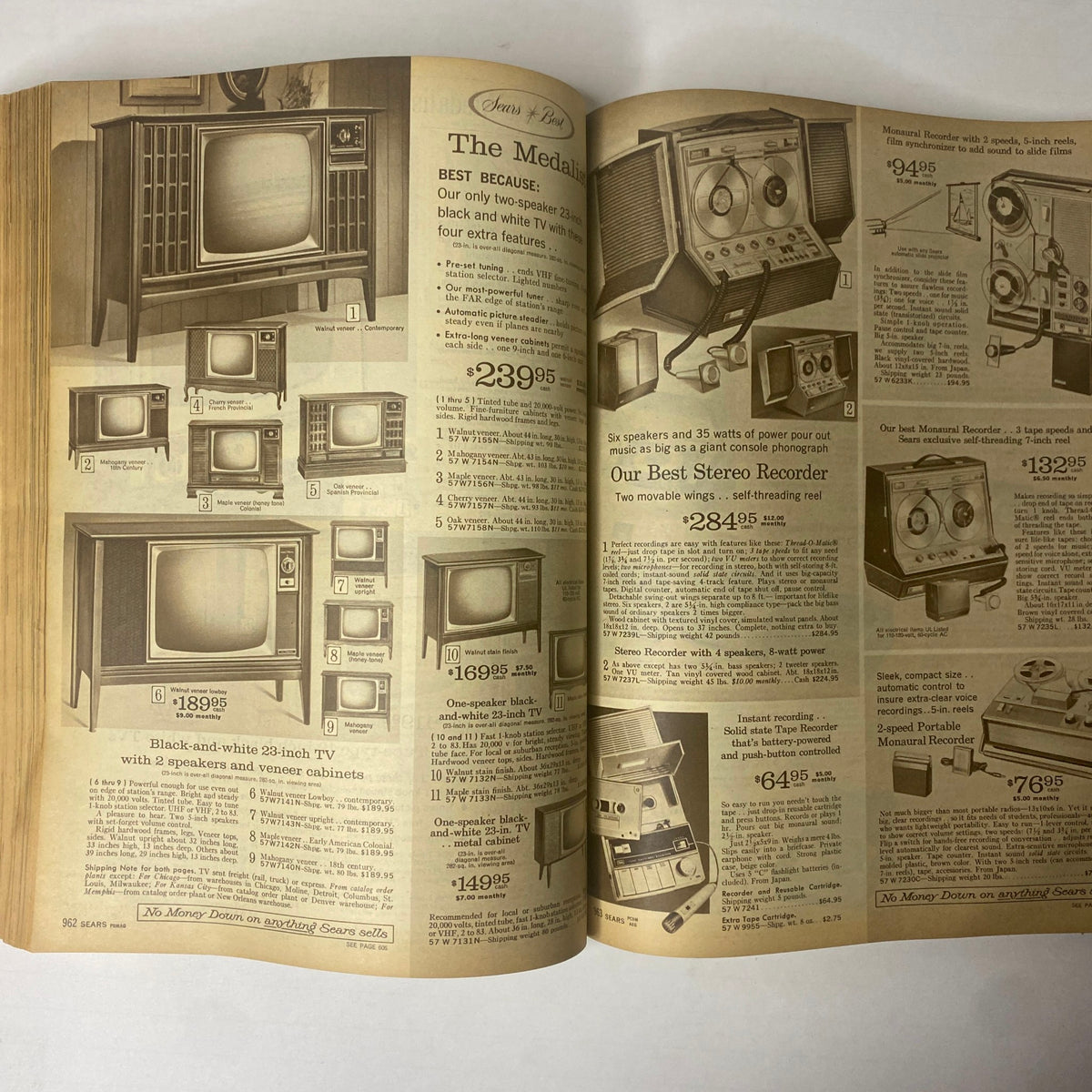
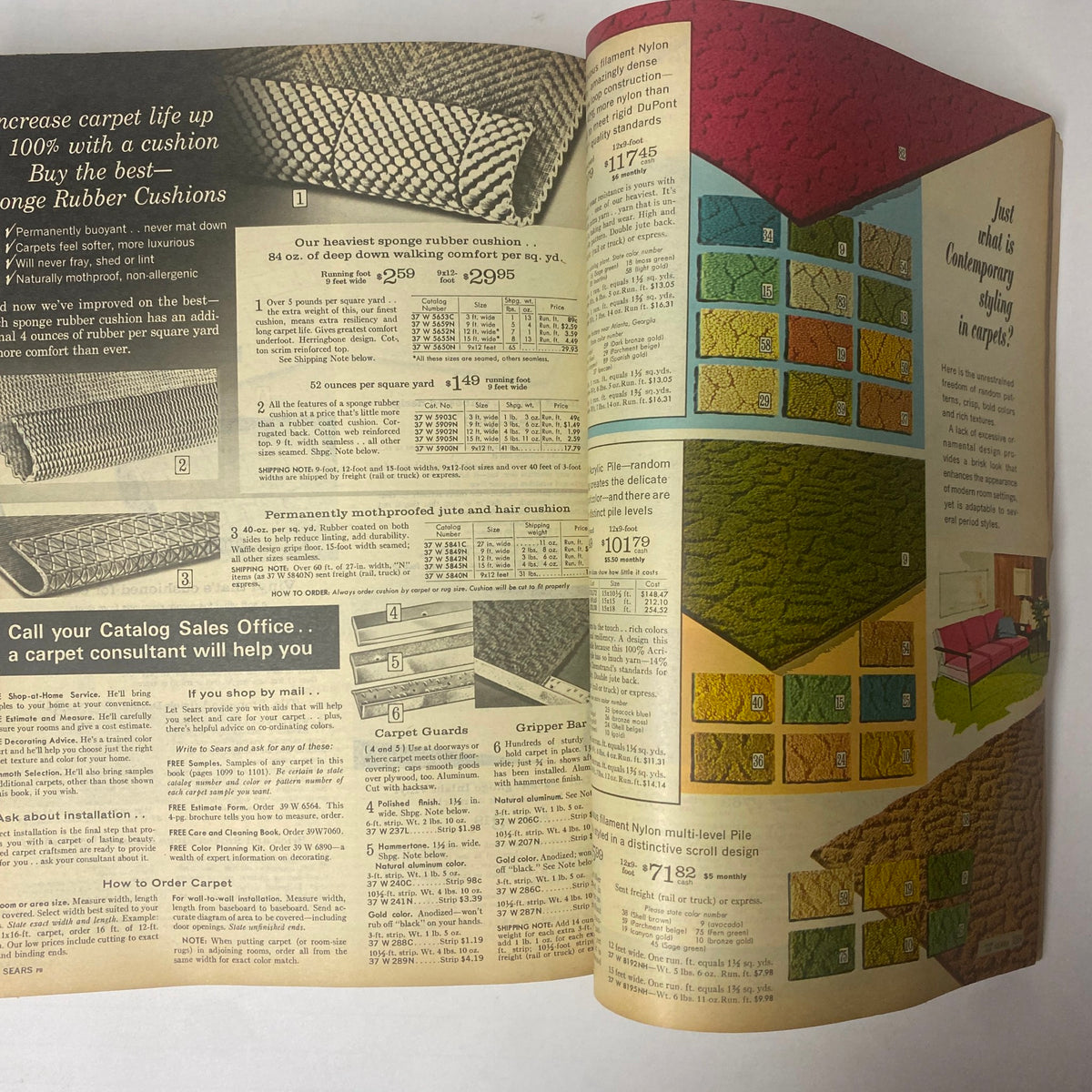
Beyond the Winnie-the-Pooh opening section, this is the full Sears Fall and Winter general merchandise catalog — a publication running to at least 571 pages by index, making it one of the most comprehensive annual retail documents in American consumer history. The Fall and Winter 1966 catalog reached American households at the mid-point of one of the most culturally dynamic decades of the postwar era. The mod aesthetic was at its mainstream commercial peak in the fall of 1966 — bold patterns, geometric silhouettes, and youth-oriented design were fully present in the Sears fashion line, filtered through the company's particular understanding of its broad national customer base. Holiday merchandise, home furnishings, cold-weather clothing for men, women, and children, and the full range of Sears' domestic and farm equipment categories documented across more than 570 pages constitute a primary record of American consumer life at one of the decade's most stylistically vibrant moments. The cover itself — two children in coordinated red plaid — reflects the classic Sears visual identity of the period: wholesome, confident, and squarely aimed at the suburban family market. The full range of 1966 publications provides essential context for the cultural and consumer moment this catalog documented.
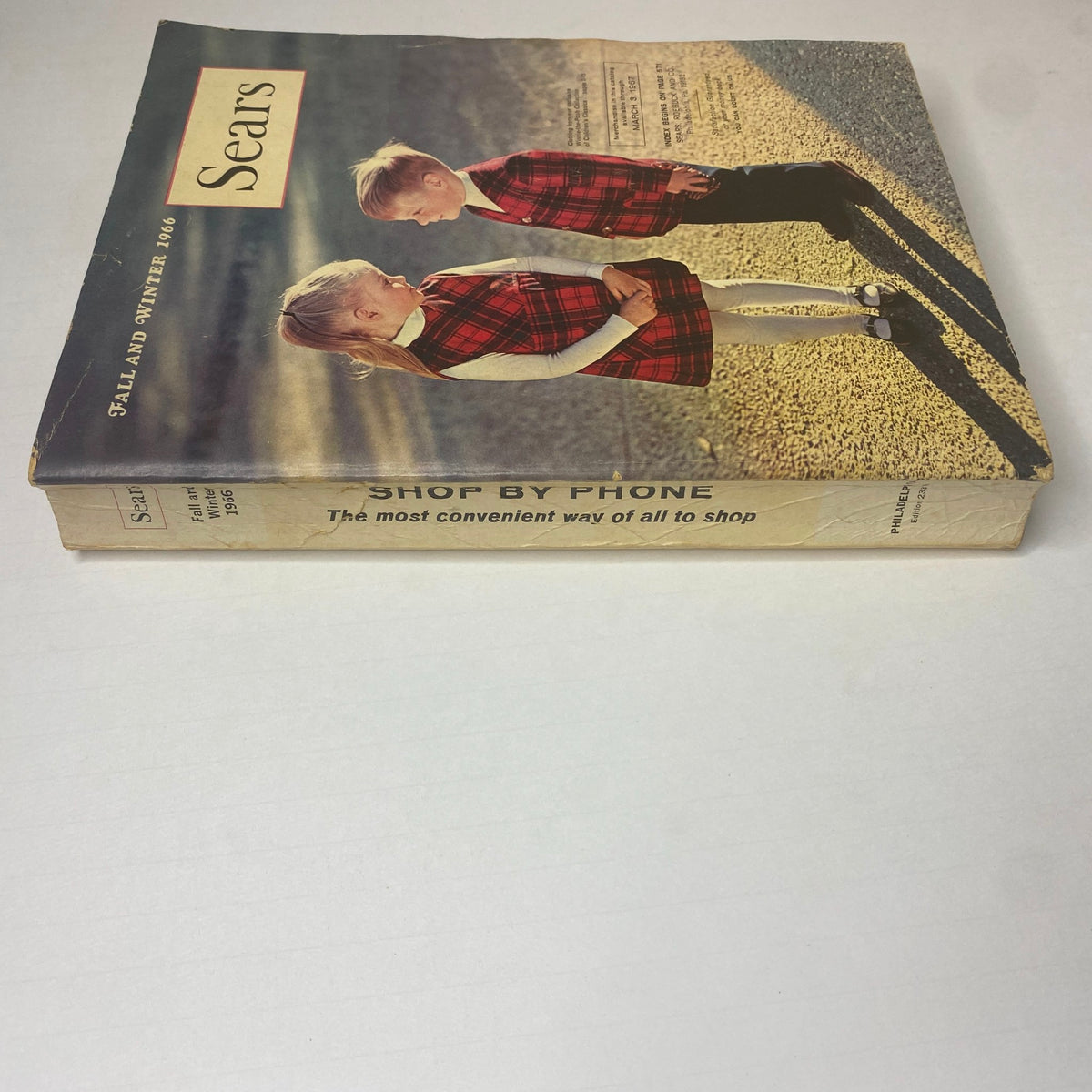
The Philadelphia distribution office identification on the cover — Sears, Roebuck and Co., Philadelphia, Pa. 19132 — is a useful collector's detail for researchers cross-referencing regional catalog variations. Sears issued its standard Fall and Winter catalog through multiple regional distribution centers, and the Philadelphia designation places this specific edition within the northeastern regional distribution network, which occasionally featured regional pricing or merchandise variations relative to other distribution centers' editions.
About the Publication
Sears, Roebuck and Co. issued its general merchandise catalog biannually — Spring/Summer and Fall/Winter — from 1888 through 1993, and at its mid-century peak the Fall and Winter edition was the most widely distributed publication in the United States. Running to hundreds of pages, it covered clothing, appliances, tools, toys, furniture, farm equipment, and a comprehensive range of everyday consumer products, functioning as a complete retail universe for American households. The Fall and Winter 1966 edition's opening Winnie-the-Pooh children's section was an exclusive Sears licensed collection, appearing in the catalog in the same year Disney released its first Pooh animated featurette — making this edition a document of both mainstream American retail and the earliest chapter of the Disney Pooh licensing story.
Key Highlights Inside
- Exclusive Winnie-the-Pooh Collection of Children's Classics, pages 2–15 — Confirmed on the catalog cover as a dedicated Sears-exclusive children's section, representing one of the earliest mass-market retail expressions of Disney's Winnie-the-Pooh licensing program, issued in the same year as the character's first Disney animated featurette.
- Cover children's fashion in coordinated red plaid — reflecting the mid-1960s Sears aesthetic of classic, practical children's clothing presented with the clean confidence of the era's mainstream retail photography.
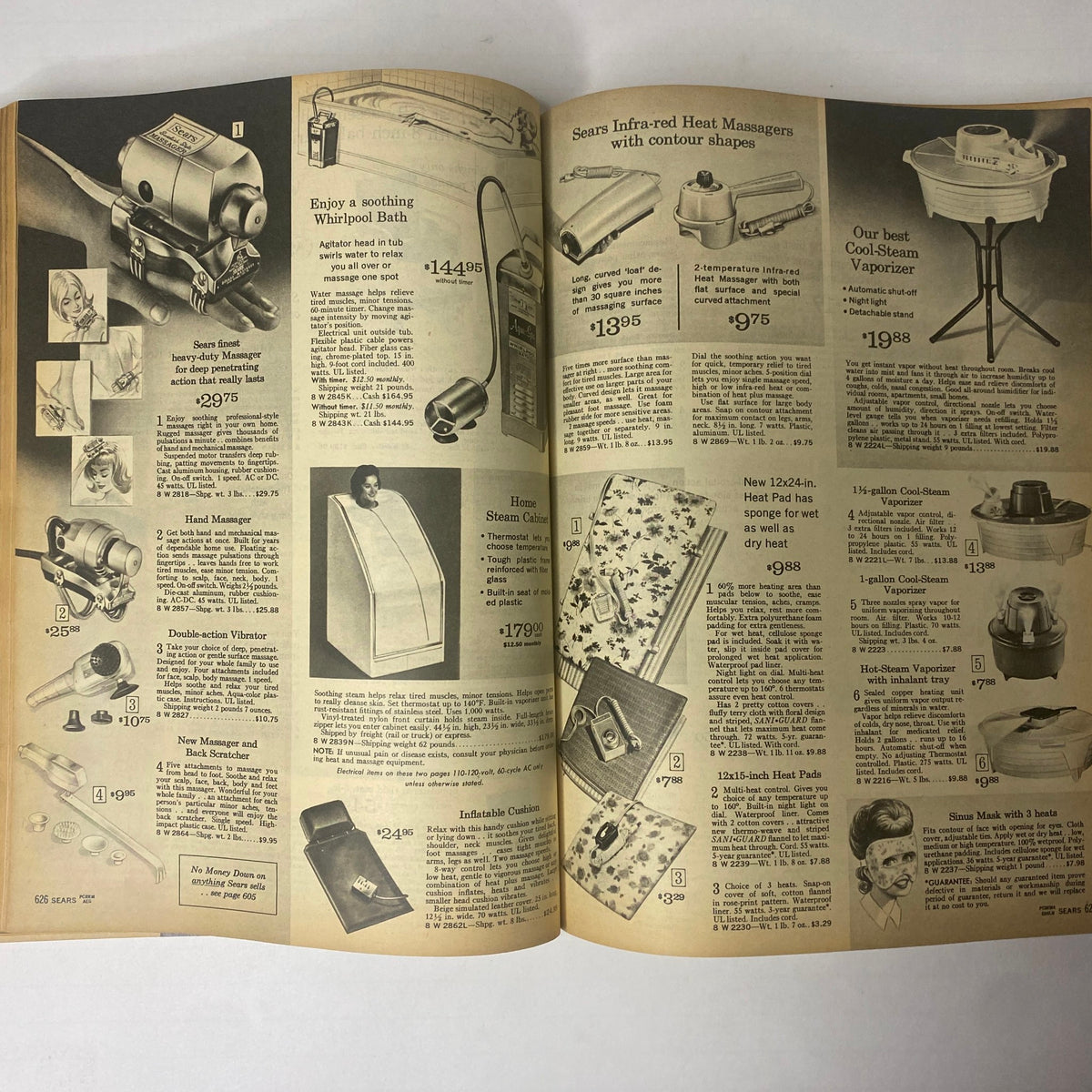
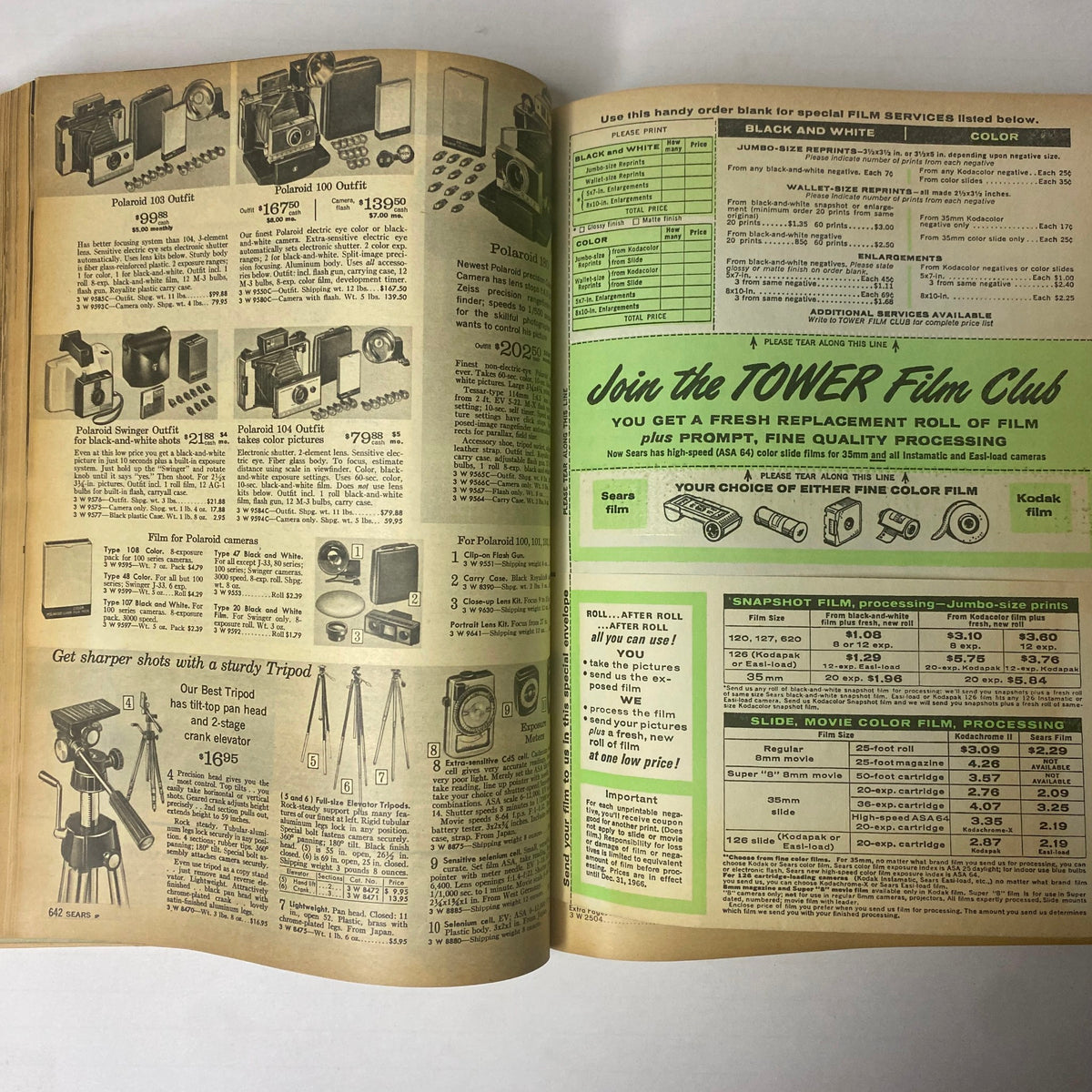
- Full Fall and Winter general merchandise catalog extending to at least page 571 by index — covering the complete range of Sears' seasonal offerings across clothing, home goods, holiday merchandise, tools, and consumer products for the American family market in 1966.
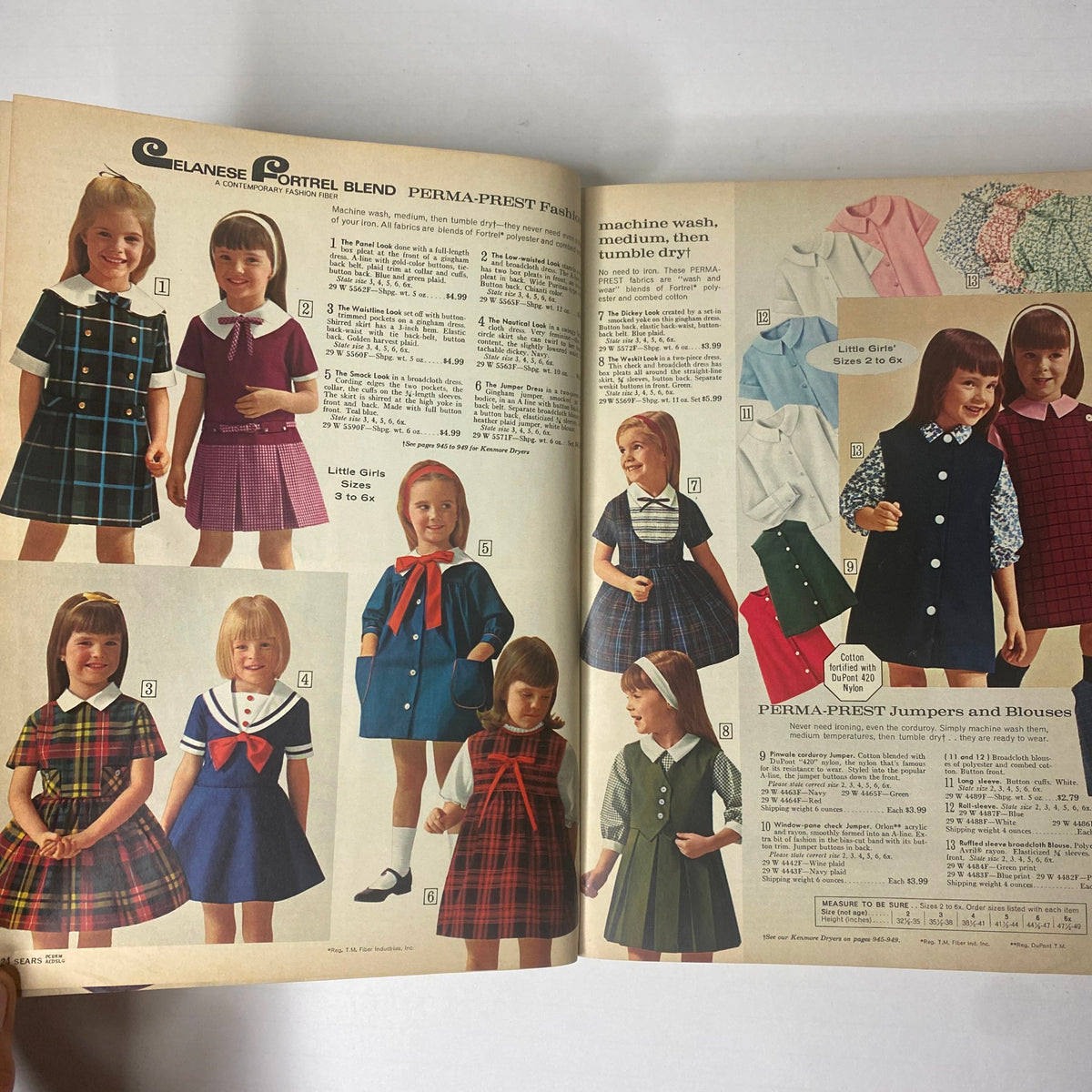
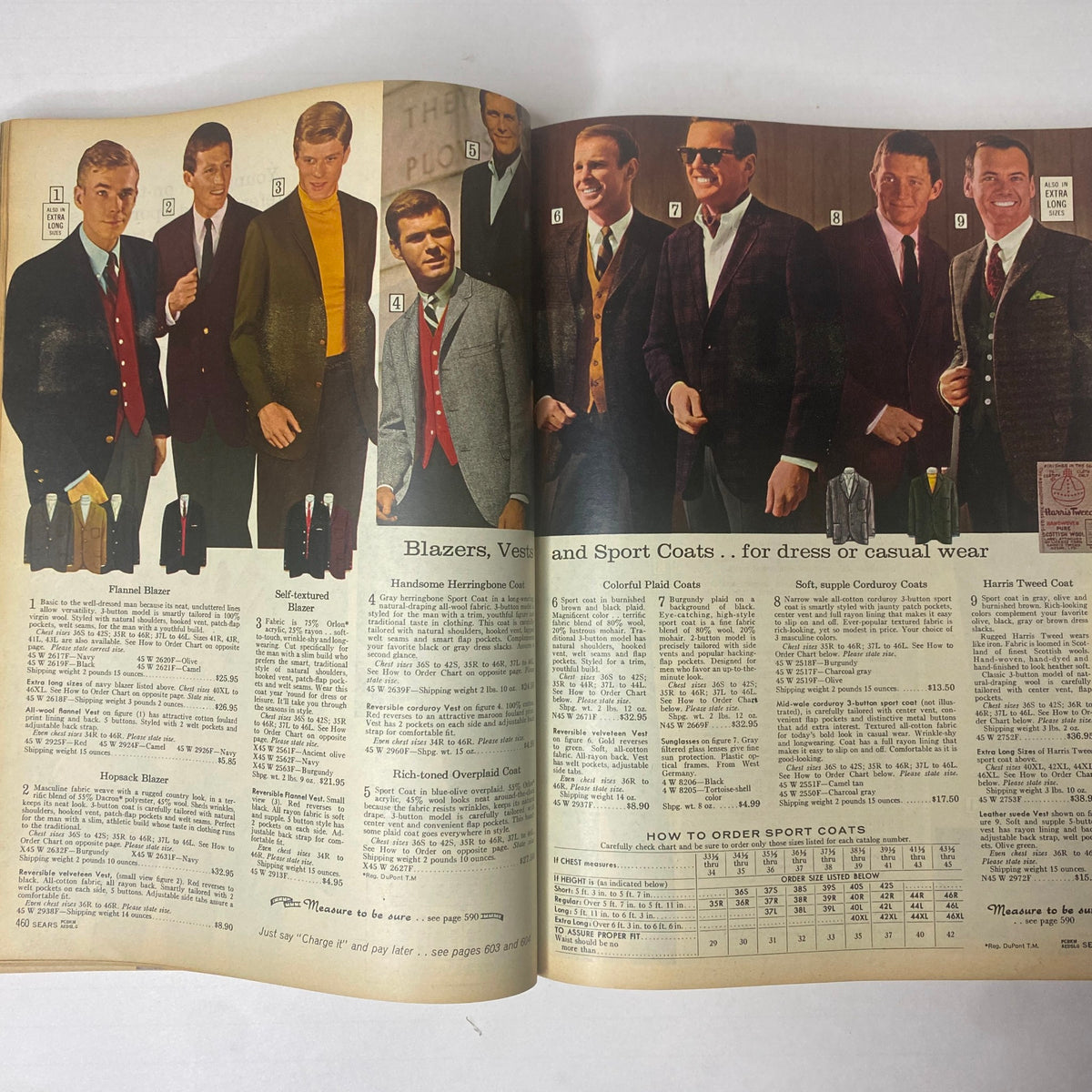
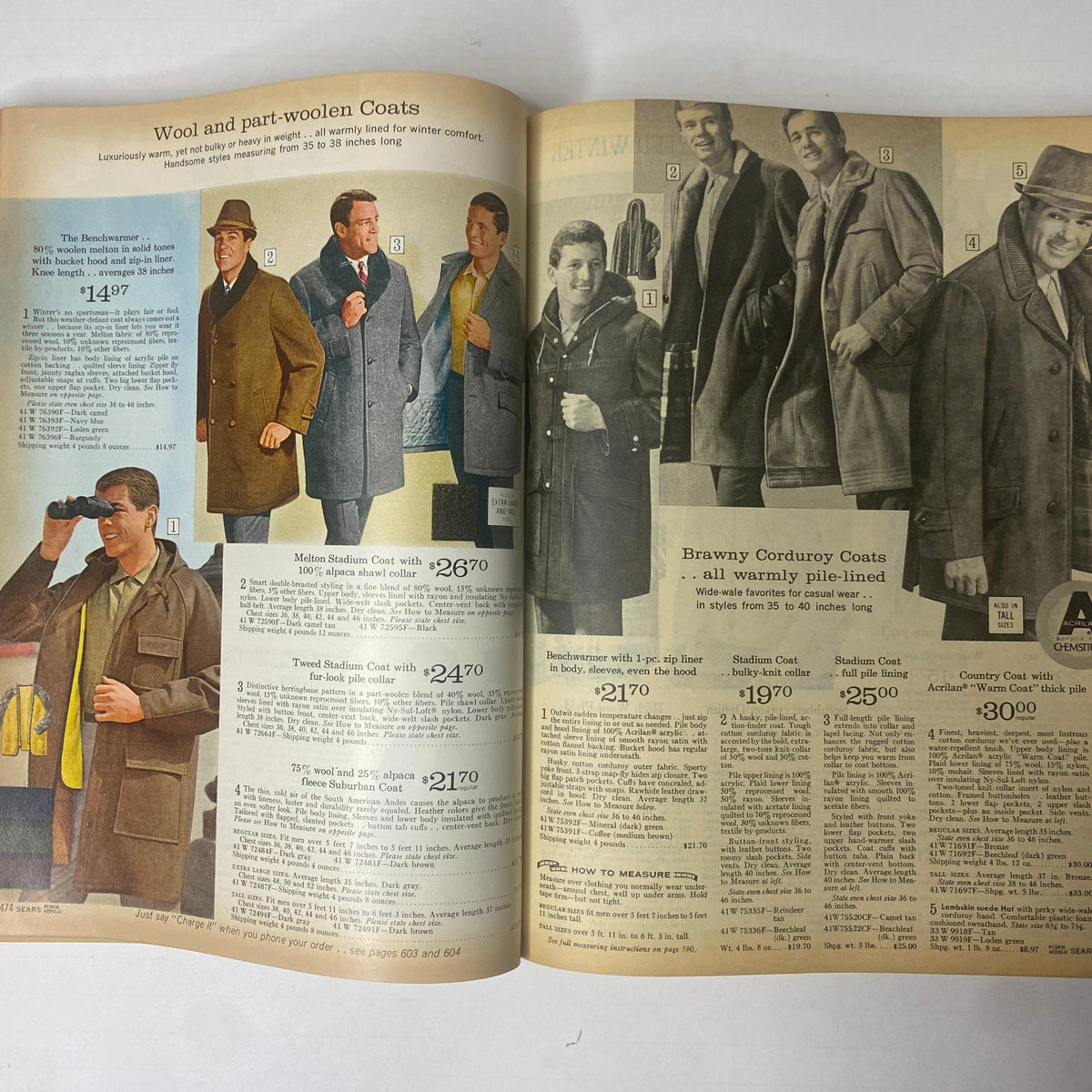
- Fall and winter apparel for men, women, and children reflecting the mid-1960s mass-market fashion moment — the mod aesthetic at its mainstream commercial peak, filtered through Sears' particular approach to accessible, practical family clothing.
- Holiday merchandise and gift sections documenting the Christmas consumer culture of 1966 America, distributed through the Philadelphia regional office to northeastern households in the fall of that year.
- Note: Specific product details within the Winnie-the-Pooh section and other interior categories beyond what is confirmed on the catalog cover have not been independently verified. The above reflects what is directly readable from the cover image and well-documented knowledge of this catalog's format and era.
Condition & Rarity
The Sears Fall and Winter 1966 catalog in good condition with no address label is a meaningful survival. The absence of a subscription mailing label preserves full cover integrity — Sears catalogs were routinely mailed directly to households with address labels affixed to the cover, making label-free copies preferable for display-grade collectors. A catalog of this size — running to over 570 pages — presents specific preservation challenges: the binding stress of a large-format, high-page-count publication is considerable, and spine integrity is the primary structural condition factor for surviving examples of this edition. The cover shows the characteristic wear of a well-used household reference document — surface scuffing and corner handling consistent with a catalog consulted over a five-to-six-month household season — while retaining its photographic and typographic legibility. The Winnie-the-Pooh section on pages 2–15 is the highest-interest interior segment for collectors, and condition of those early pages should be evaluated alongside the overall catalog structure. A protective plastic sleeve limits ongoing surface oxidation.
Looking for More Issues Like This?
The Fall and Winter 1966 Sears catalog with its exclusive Winnie-the-Pooh children's section is one of the more specifically collectible entries in the entire Sears archive — a catalog that sits at the intersection of mid-1960s American retail history and the earliest chapter of Disney's Pooh licensing story. The Sears catalog collection at OriginalMagazines.com is the most comprehensive place to search for other editions spanning the full twentieth-century run of this iconic American retail institution. Collectors focused on the broader mid-1960s consumer and cultural moment will also want to explore the 1966 magazine collection, which brings together a wide range of period publications documenting one of the most colorful and culturally dynamic years of the decade.