

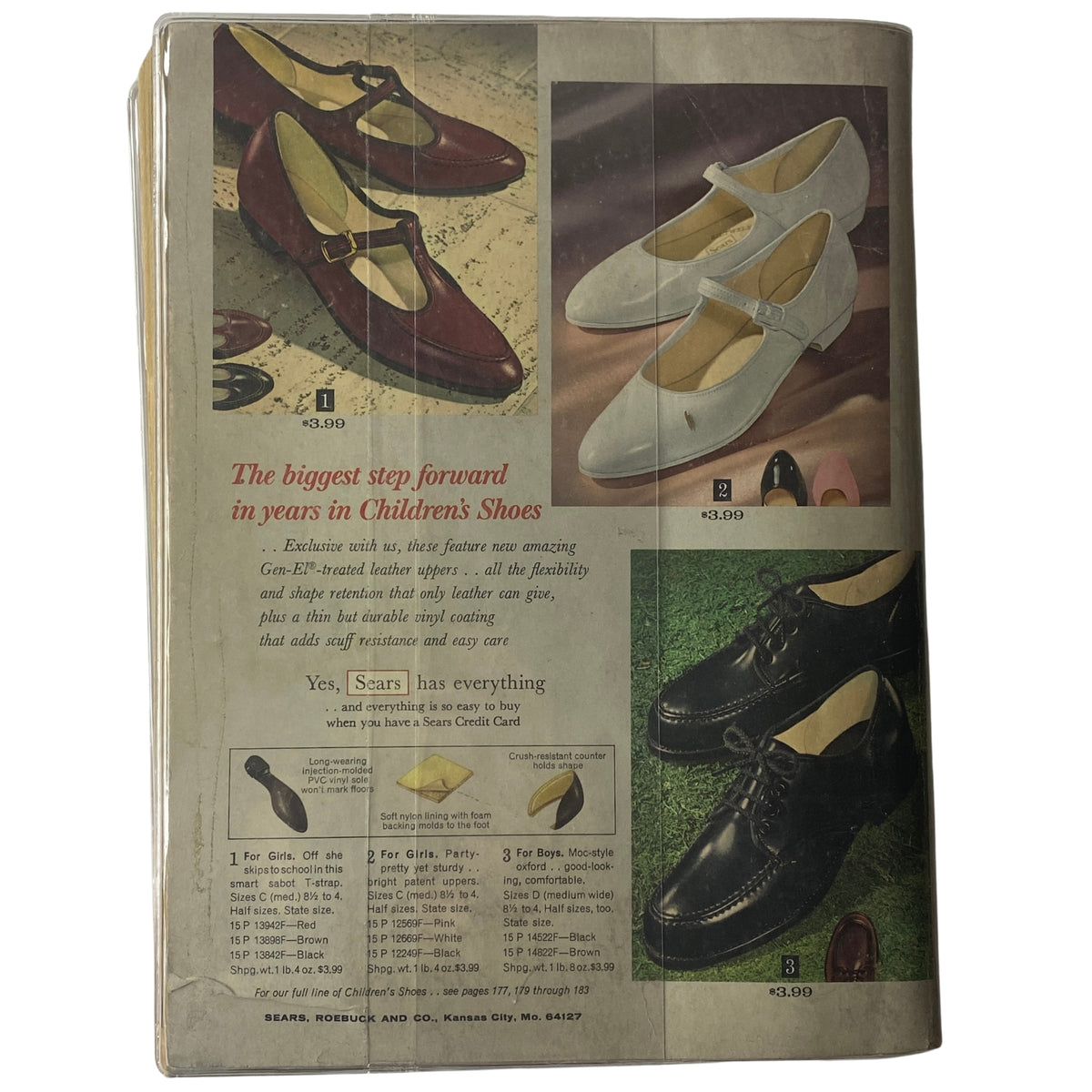


Description
Collector's Note – Why This Issue Matters
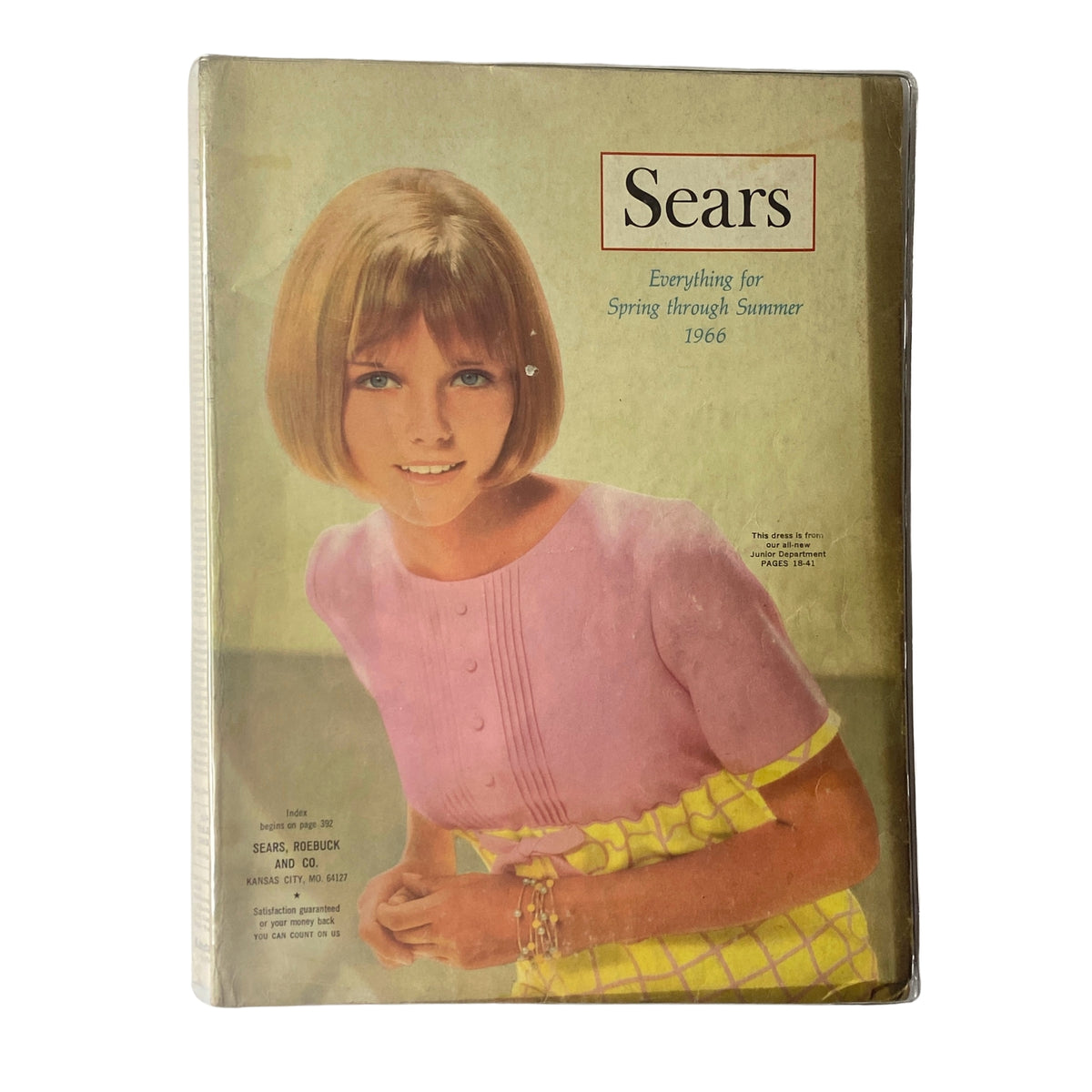
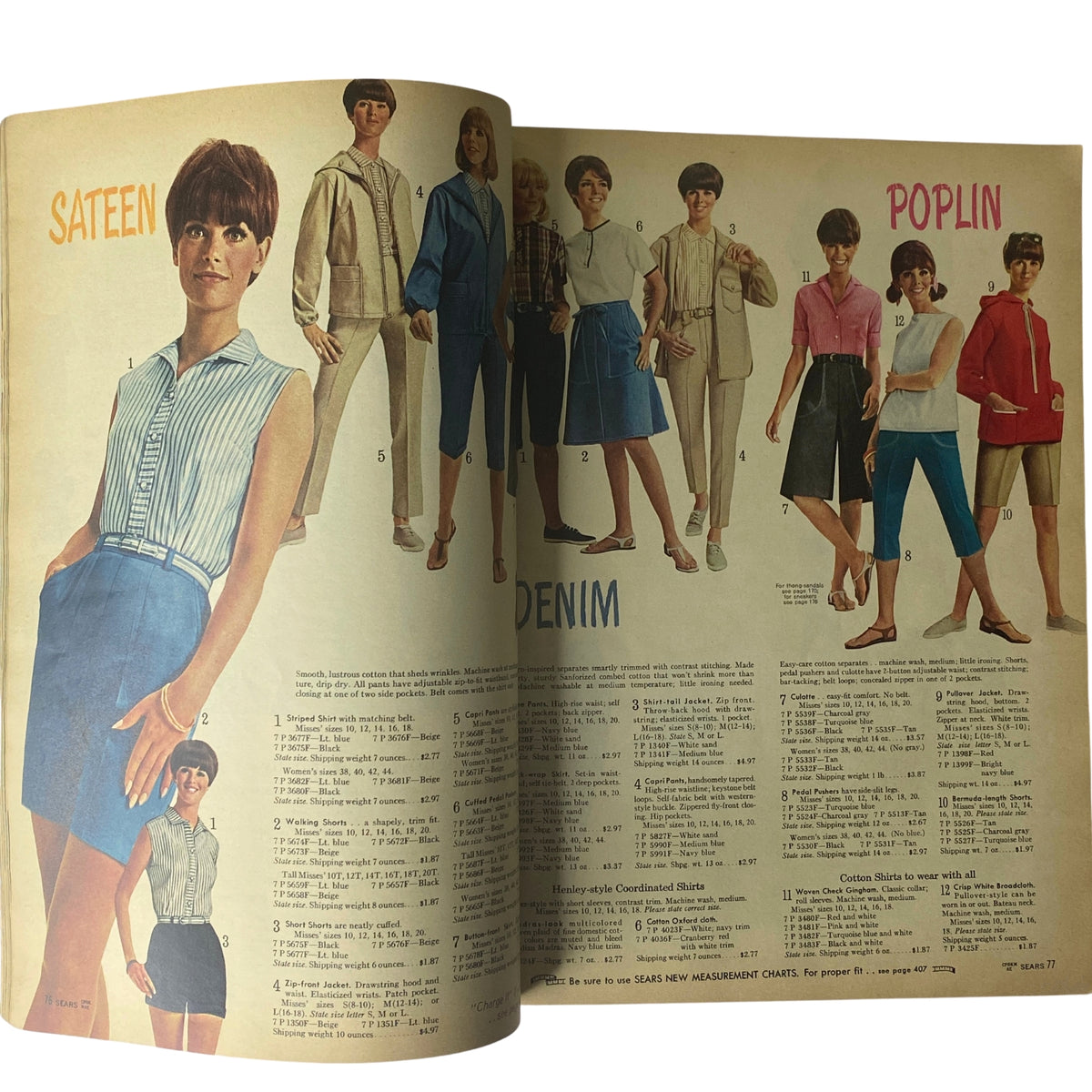
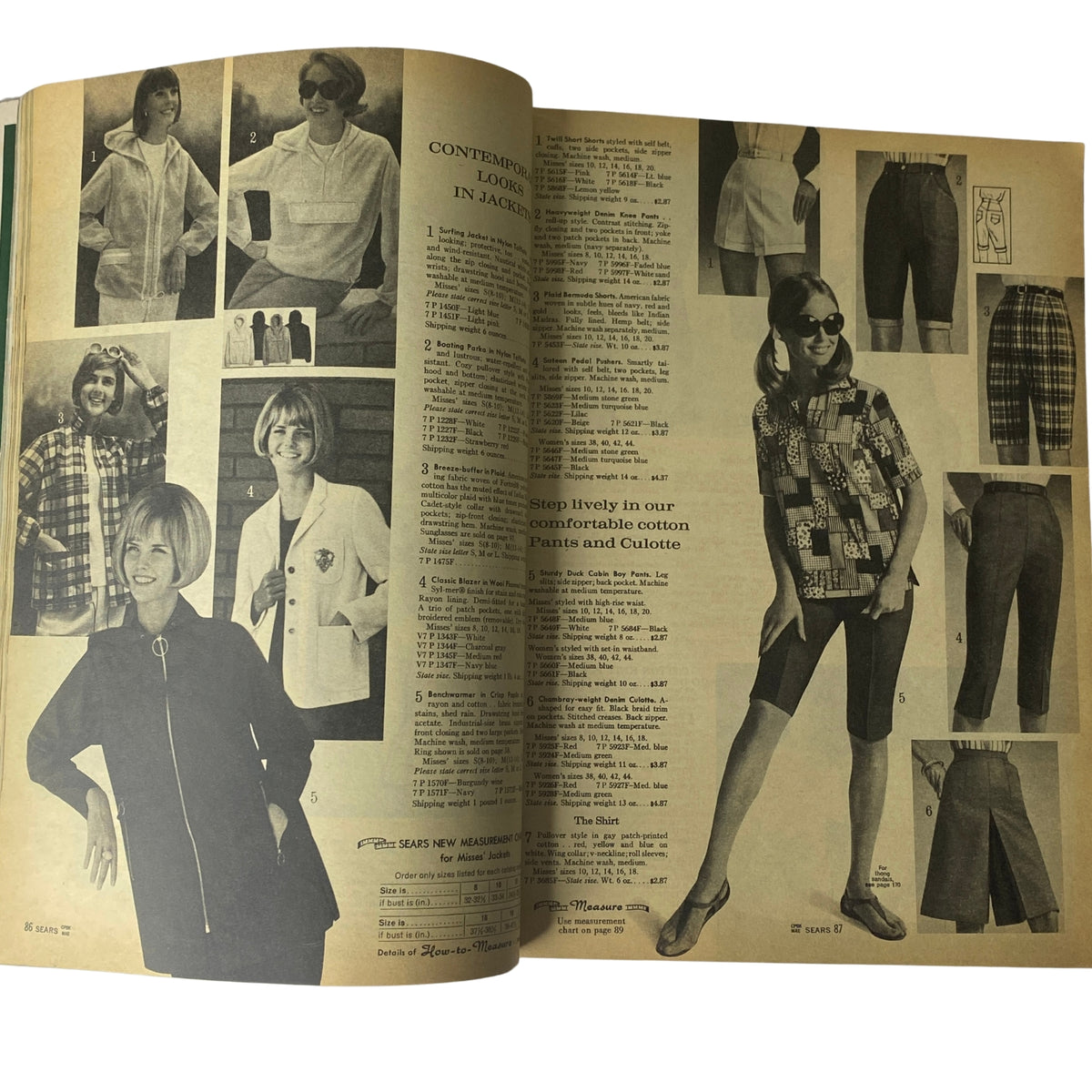
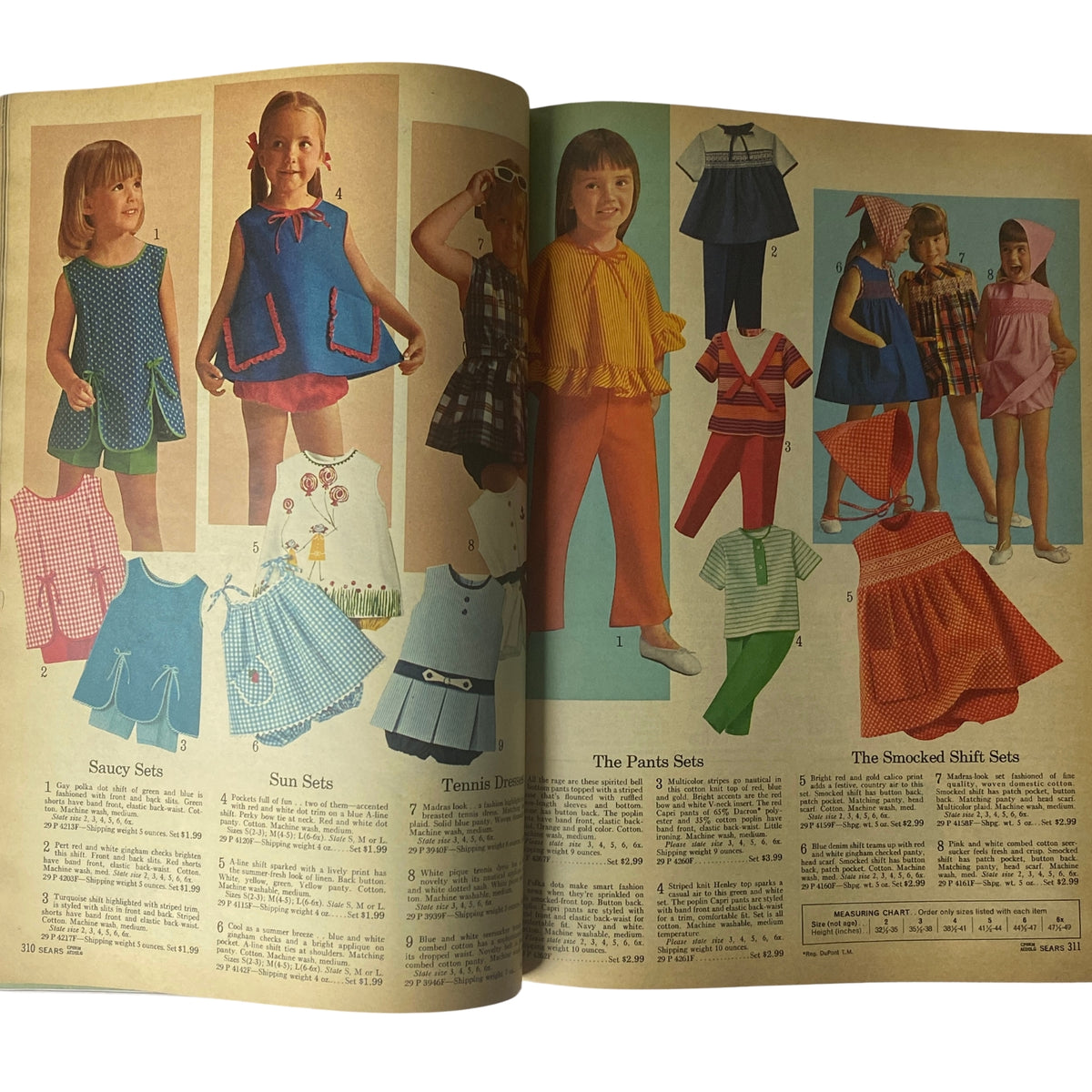
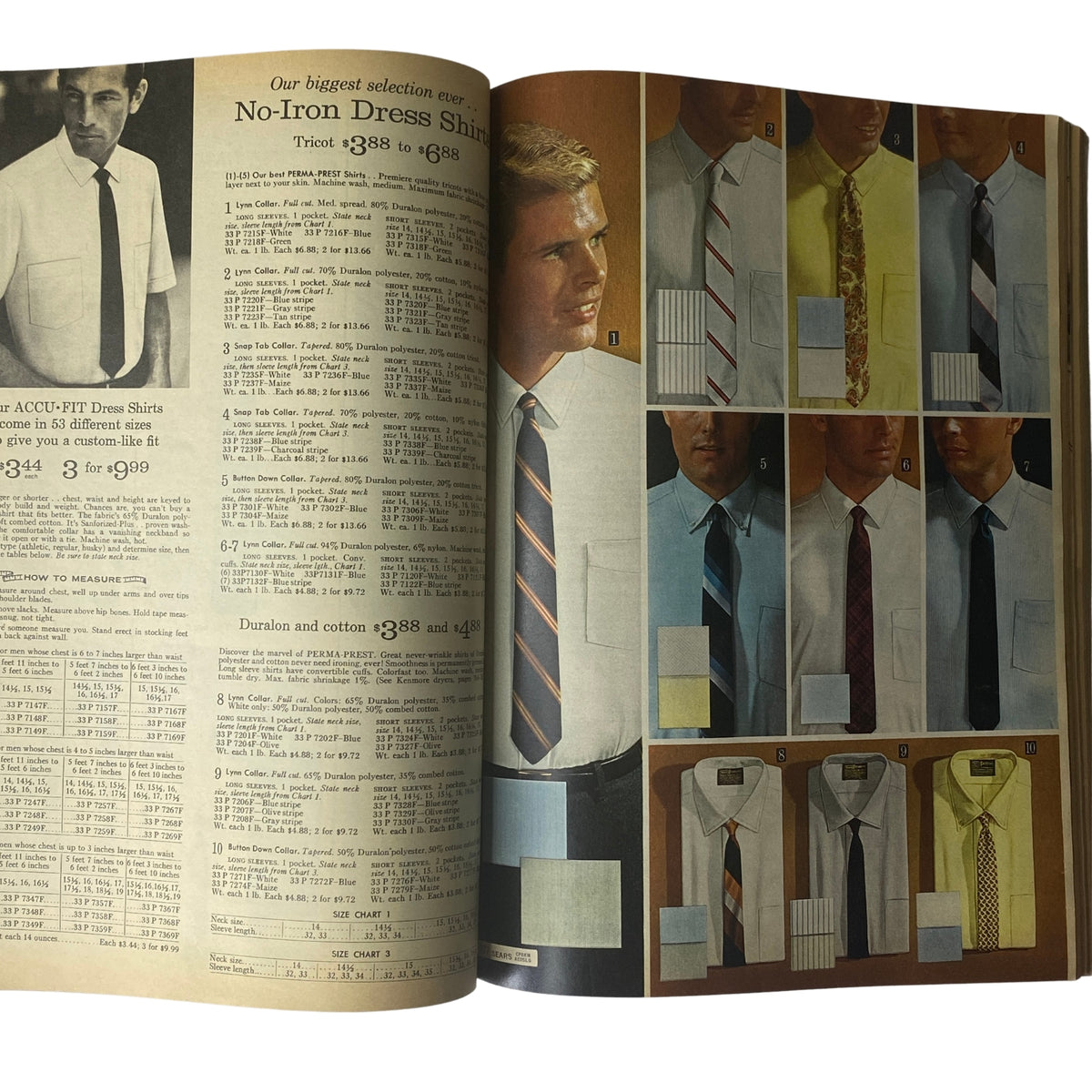
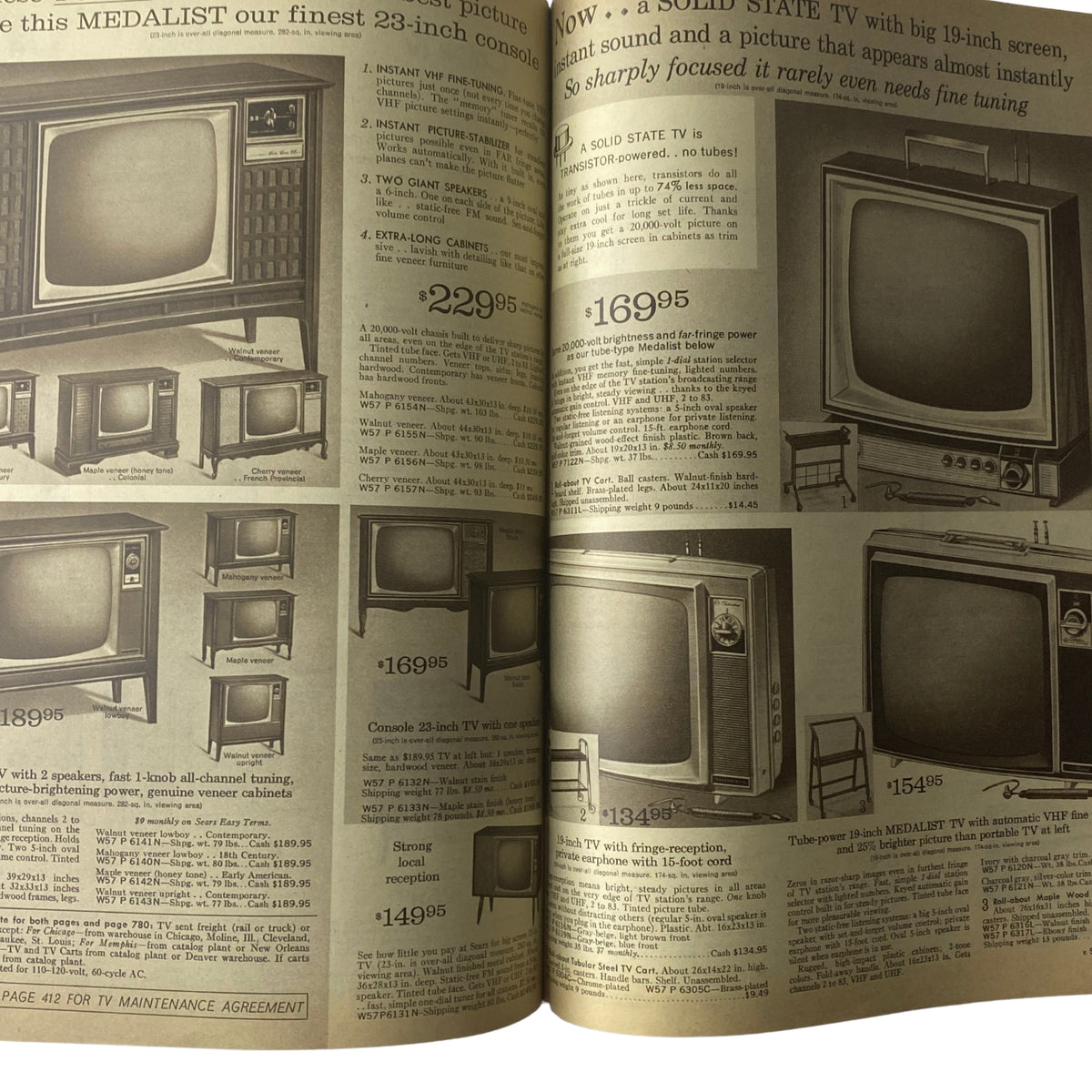
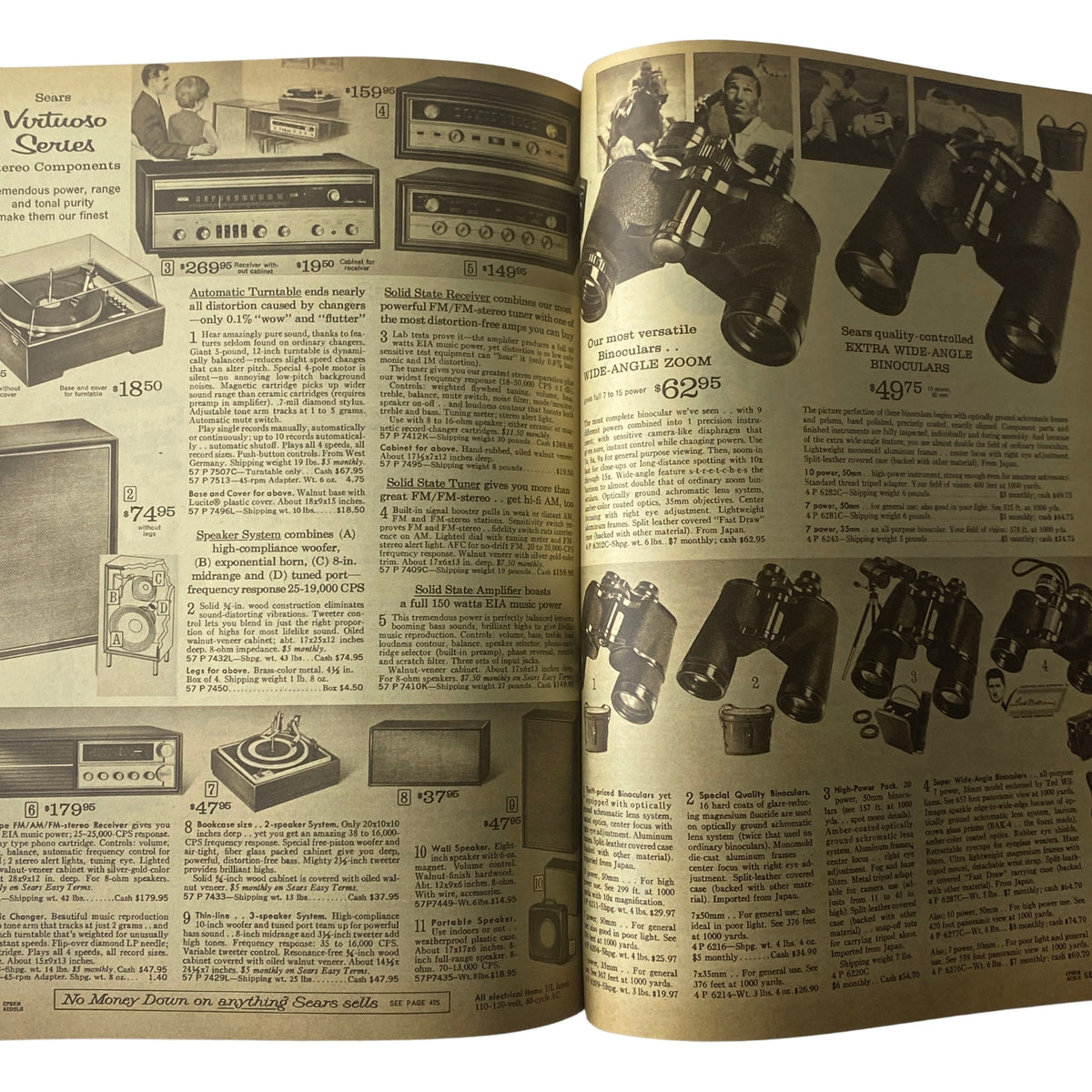
The 1966 Sears "Everything for Spring Through Summer" Catalog is a primary document of American consumer culture at one of the most aesthetically extraordinary moments of the postwar era — the spring-summer season of 1966, when the mod aesthetic had achieved its maximum cultural velocity in American popular life and when the specific visual language of the decade's fashion revolution was being delivered to the broadest possible consumer audience through the catalog retail channel that Sears had dominated for generations. The confirmed content range of this catalog — lightweight suits, sundresses, swimwear, and casual wear for men, women, and children alongside Schwinn bicycles, outdoor toys, camping gear, patio furniture, and garden tools — maps the full breadth of an American family's spring-summer consumer needs at the precise moment when the decade's aesthetic transformation was reshaping what all of these product categories looked like, felt like, and cost. By spring 1966, the Beatles had released "Revolver," Twiggy had arrived in London and her influence was radiating through American fashion at accelerating speed, and the specific bold colors, graphic patterns, and youthful silhouettes of the mid-1960s fashion revolution were appearing in Sears catalogs for the middle-class American family that constituted the company's core customer base. The no-label condition of this catalog is a meaningful collector attribute, preserving the full visual integrity of the 1966 spring-summer cover without subscription label disruption — a positive that matters considerably for a catalog whose aesthetic character is itself a primary object of collector interest. For collectors building a serious archive of Sears catalog history and 1960s American consumer culture, the Sears catalog collection at OriginalMagazines.com provides essential depth across the company's full publishing history, with the mid-1960s specialty catalogs representing a particularly vibrant and aesthetically significant tier within that body of material.
The "Everything for Spring Through Summer" title — distinct from the comprehensive fall-winter and spring-summer main catalogs — places this as a specialized seasonal supplement or focused specialty edition rather than one of Sears' flagship comprehensive seasonal publications. This distinction is collector-relevant: specialty editions of this type were produced in different quantities and distributed through different channels than the main seasonal catalogs, making them less common in the surviving pool and often more focused in their content on the specific seasonal categories most commercially relevant to the spring-summer market. The confirmed specific content range confirms this focused character — fashion, outdoor living, sports and recreation, and toys and seasonal items are precisely the categories that define the spring-summer consumer moment rather than the full-year comprehensive range that the main catalogs covered. The Schwinn bicycle confirmation is particularly interesting as a primary commercial document: Schwinn was at the height of its American market dominance in 1966, and its presence in a Sears spring-summer catalog documents the specific retail relationship between America's dominant bicycle brand and the country's largest retailer at the precise moment of the American bicycle market's most culturally visible mainstream commercial peak. The full range of 1966 magazines and publications from this year documents American popular culture at one of its most aesthetically charged and most historically significant transitional moments, and this Sears catalog sits within that body of material as a comprehensive primary source for the full range of middle-class American consumer life in the spring and summer of one of the decade's most extraordinary years.
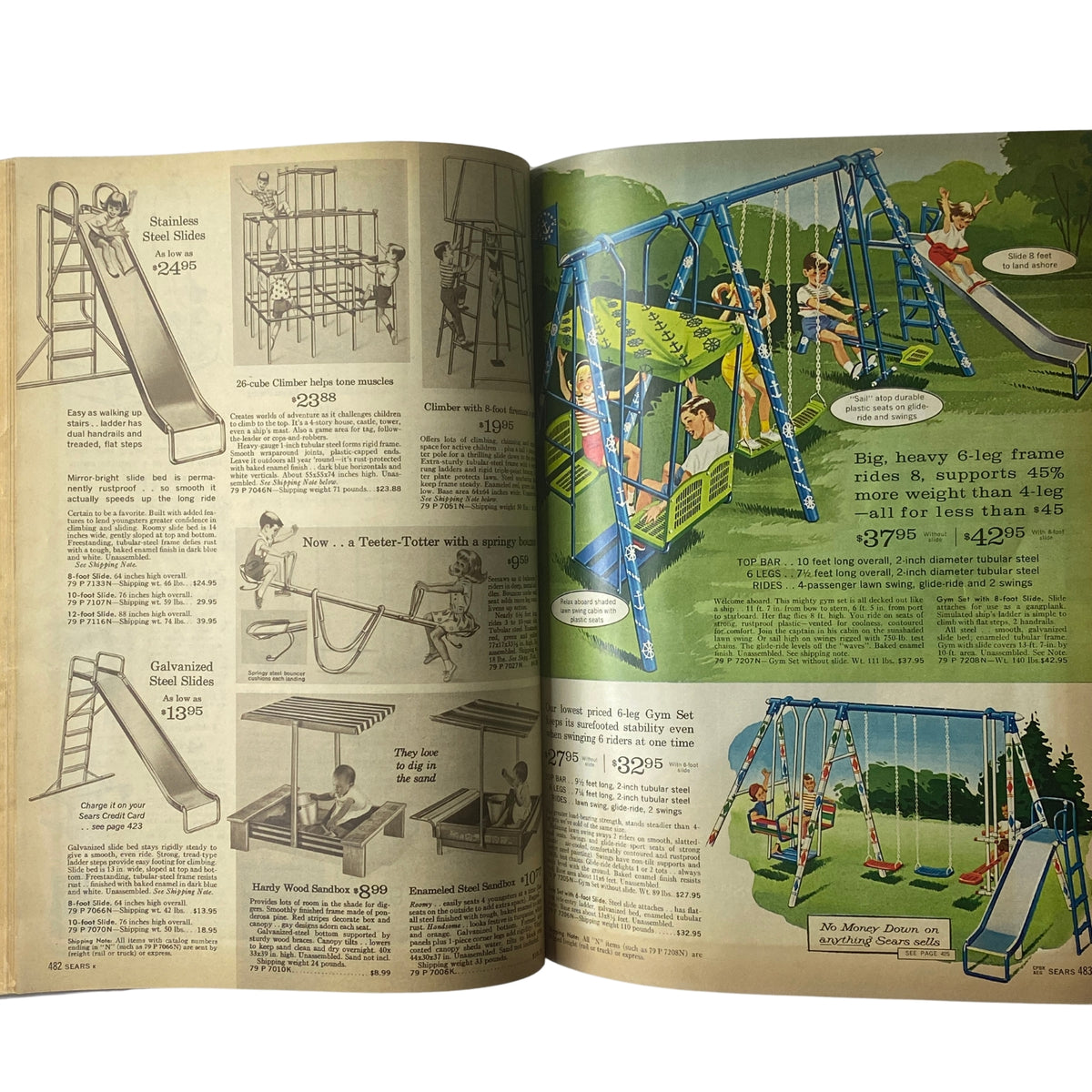
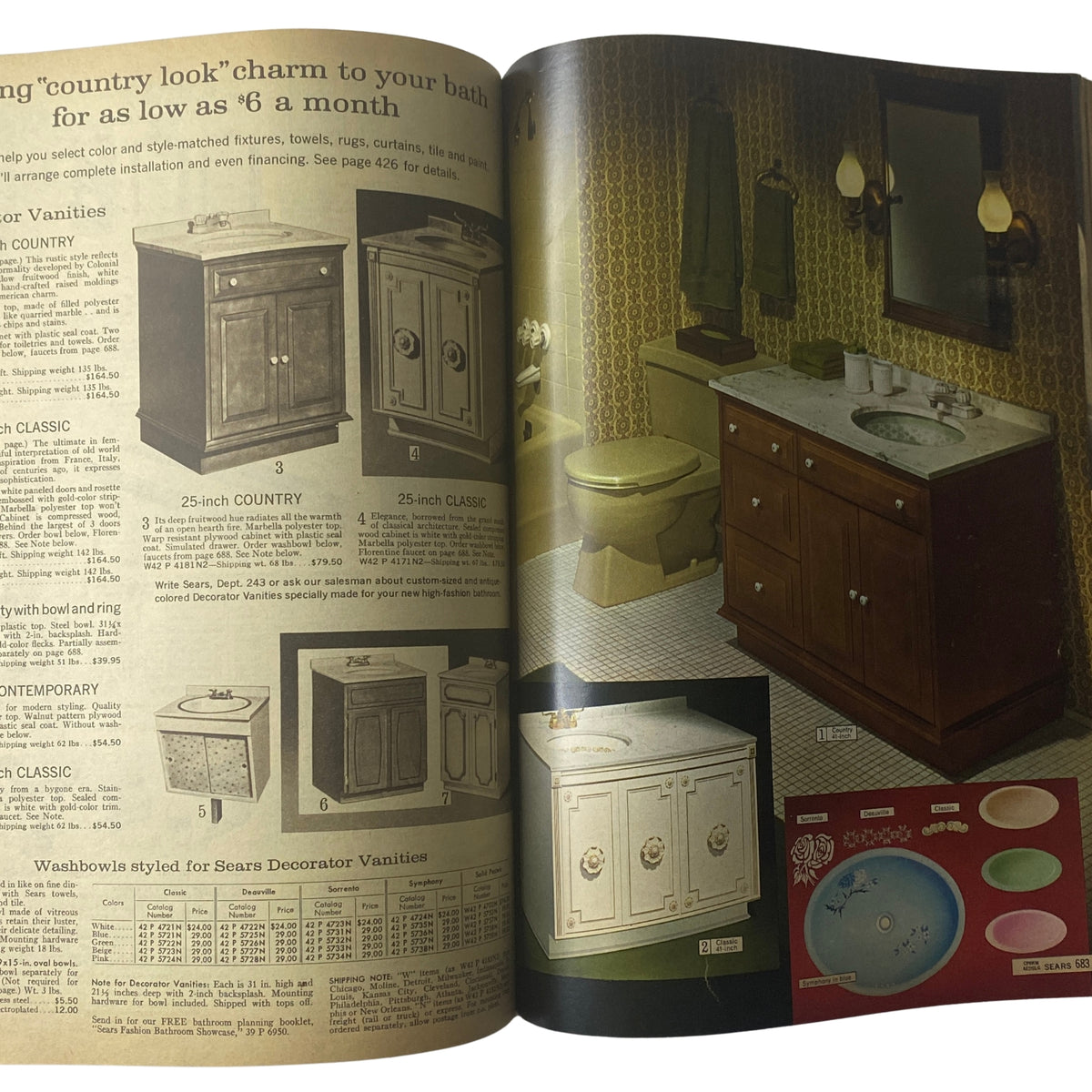
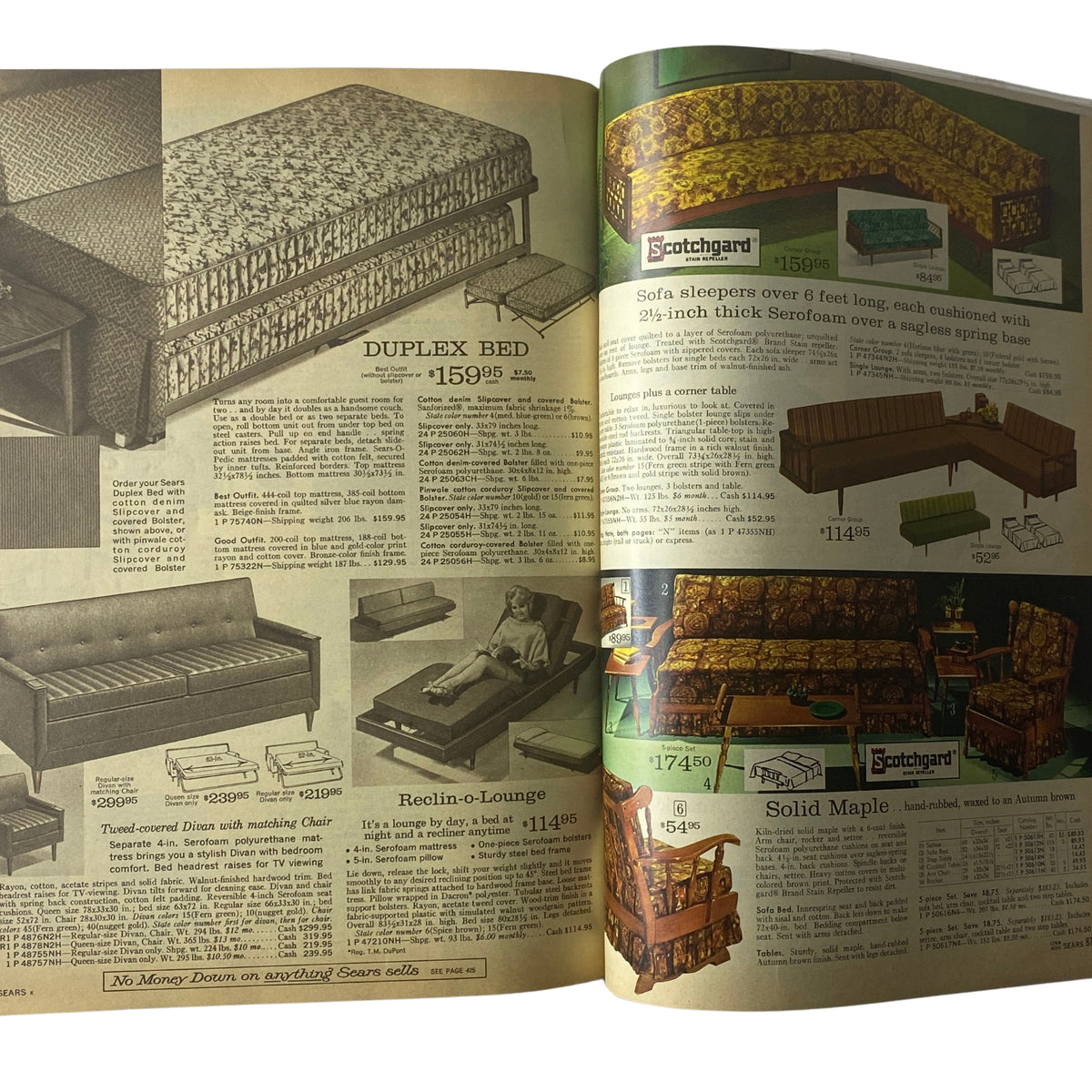
The specific product categories confirmed in this catalog deserve individual attention as primary historical documentation. The floral patterns and patio furniture in the home and outdoor living section document the mid-1960s American domestic aesthetic at its most optimistic and most colorfully expressive — the specific design vocabulary of an era when the back patio and the suburban outdoor living space were being culturally constructed as primary sites of American family aspiration. The outdoor toys and camping gear section documents the mid-1960s American recreational culture at the height of its postwar suburban expansion, when the specific activities — camping, bicycling, outdoor play — that defined American childhood were being commercially supported with a range and quality of products that previous generations had not available. Each of these confirmed categories is primary commercial evidence of the specific products, brands, and price points through which the country's largest retailer was serving the spring-summer aspirations of the broadest possible American consumer audience at the aesthetic and cultural peak of one of the most visually extraordinary decades in American consumer history.
About the Publication
The Sears "Everything for Spring Through Summer" Catalog was a specialized seasonal publication produced by Sears, Roebuck and Company focused on the spring-summer consumer categories — fashion, outdoor living, recreation, and seasonal goods — distinct from the company's comprehensive main seasonal catalogs that covered the full range of merchandise. As a specialty catalog rather than the flagship fall-winter or spring-summer main editions, it provided focused depth in the categories most relevant to the seasonal moment, combining the visual production values that Sears' market leadership enabled with the specific product focus of a publication designed to serve the spring-summer consumer's particular seasonal needs. The 1966 edition's position at the aesthetic and cultural midpoint of the decade's most dramatic fashion and consumer transformation gives it a documentary significance that routine specialty editions do not possess.
Key Highlights Inside
- Mid-1960s fashion — lightweight suits, sundresses, swimwear at the mod era's peak — The confirmed men's, women's, and children's spring-summer fashion content documents the specific visual vocabulary and commercial pricing of mid-1960s American mass-market fashion at the precise moment of the mod aesthetic's maximum cultural penetration of the Sears catalog's broad middle-class customer base, preserving primary evidence of the decade's fashion revolution in its most mainstream commercial form.
- Schwinn bicycles — American cycling's dominant brand at peak market presence — The confirmed Schwinn content documents America's most culturally significant bicycle brand in the spring-summer season of 1966 at the height of its American market dominance, preserving primary commercial evidence of the specific Schwinn models and pricing available through the Sears catalog channel at the mid-decade peak of American bicycle culture.
- Patio furniture and floral patterns — mid-1960s outdoor living aesthetic documented — The confirmed patio furniture and fresh floral pattern content preserves primary commercial evidence of the mid-1960s American domestic and outdoor aesthetic at its most colorfully optimistic and most culturally specific expression, documenting the specific design vocabulary of the suburban outdoor living space in its postwar developmental peak.
- Outdoor toys and camping gear — mid-1960s American recreational culture documented — The confirmed outdoor and camping content preserves primary commercial evidence of the specific recreational products and price points through which Sears was serving the mid-1960s American family's outdoor leisure aspirations, documenting the recreational consumer culture of an era when camping, bicycling, and outdoor play were defining the American family's vision of summer.
- No address label — clean cover presentation preserved — The confirmed no-label condition preserves the full visual integrity of the 1966 spring-summer catalog's cover design without subscription label disruption, representing a meaningful positive for a specialty catalog whose aesthetic character is itself a primary object of collector interest and whose mid-1960s visual vocabulary is among the most sought-after in the Sears catalog archive.
- Note: Specific brand names beyond the confirmed Schwinn, individual product models, pricing details, and the complete catalog contents have not been independently verified beyond the listing description. The highlights above reflect what is documentable from the listing and the well-established historical context of Sears' 1966 spring-summer specialty catalog format.
Condition & Rarity
This catalog is described as being in good condition with no address label and light wear typical for its age — a condition profile that represents a well-maintained survivor of a specialty seasonal publication from sixty years ago. The no-label status is the most significant positive condition attribute: Sears distributed its catalogs through direct mail to registered customer households, and address labels bonded permanently to cover stock over decades are the norm for surviving copies. A label-free example preserves the full visual integrity of the 1966 catalog's cover design without address block disruption, representing a meaningful presentation advantage over the labeled majority of survivors. The light overall wear is honest and expected for a publication of this age that was produced as a practical shopping reference, and the good condition designation suggests that the catalog has avoided the more severe deterioration that affects the lower end of the surviving pool. The "Everything for Spring Through Summer" specialty format — distinct from the comprehensive main seasonal catalogs — was likely produced in somewhat smaller quantities calibrated to a more targeted audience, which combined with the natural attrition of sixty years makes surviving specialty editions in good no-label condition meaningfully less common than equivalent main catalog examples.
Looking for More Issues Like This?
Sears specialty spring-summer catalogs from the mid-1960s — particularly no-label examples from 1966 with confirmed fashion, Schwinn bicycle, outdoor living, and recreational content documenting the decade's aesthetic revolution at its mainstream commercial peak — are actively sought by fashion historians, bicycle collectors, outdoor living design researchers, and mid-century Americana enthusiasts who recognize these publications as primary documents of American consumer culture at one of its most visually extraordinary and historically consequential moments. If this 1966 specialty catalog is no longer available, the Sears catalog collection at OriginalMagazines.com is the most comprehensive resource for exploring what else has surfaced from this foundational American retail publishing tradition. For collectors building a broader documentary picture of American consumer life, fashion, and popular culture during one of the decade's most aesthetically charged and culturally significant years, the 1966 magazines collection brings together a wide range of primary source material from that extraordinary year.