



Description
Collector's Note – Why This Issue Matters
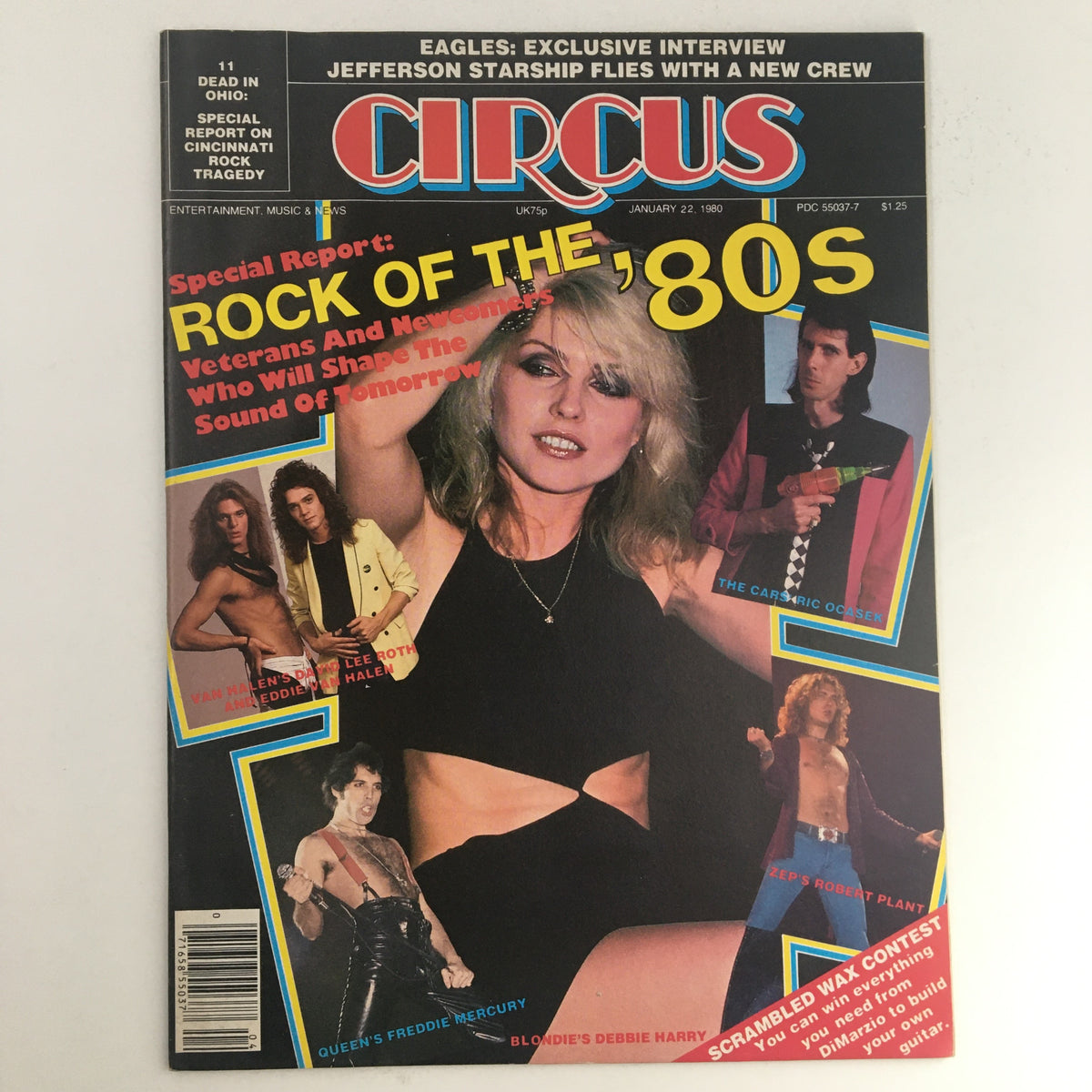
The January 22, 1980 issue of Circus magazine captures rock and new wave culture at the exact moment when the late 1970s were giving way to a louder, more image-driven 1980s music scene. The listing identifies Debbie Harry and Van Halen as the central featured names, with the title also noting a Van Halen poster and no-label presentation. Debbie Harry, best known as the lead singer of Blondie, stood at the intersection of punk, new wave, disco, fashion, and downtown New York style. Van Halen, led by the explosive guitar presence of Eddie Van Halen and the flamboyant frontman energy of David Lee Roth, represented the hard-rock sound and arena-stage confidence that would help define the next decade. Bringing these names together in one issue shows how broad the rock-magazine audience had become by 1980, with new wave sophistication and hard-rock spectacle sharing the same fan culture.
For collectors researching Debbie Harry magazine appearances, this issue is meaningful because it places her within the broader rock-press environment rather than only within fashion, celebrity, or new wave coverage. For Van Halen collectors, the issue connects to the band’s early peak, when Eddie Van Halen’s guitar style and David Lee Roth’s stage persona were reshaping the look and sound of American hard rock. Related archives such as Eddie Van Halen magazine features and David Lee Roth magazine appearances help show why this issue has cross-collector appeal. It bridges two powerful music identities: Harry’s cool, urban, art-pop presence and Van Halen’s high-voltage rock spectacle. That contrast makes the issue especially useful for understanding how music magazines presented different versions of stardom at the start of the decade.
The date also matters. January 1980 sits at a turning point when rock magazines were still one of the main ways fans encountered interviews, posters, band photography, tour imagery, and music-scene commentary. Within the archive of vintage Circus magazine issues and the wider field of magazines published in 1980, this issue documents a moment when music fandom was intensely physical: printed posters, magazine covers, clipped photos, and saved issues were central to how fans built their connection to artists. Because the listing does not confirm specific interview titles, article text, page counts, or full interior contents, the issue should be evaluated from the verified publication date, title, featured artists, poster reference, no-label detail, and stated condition notes. As a collector artifact, it preserves the pre-digital, pre-MTV relationship between rock fans and printed music media.
About the Publication
Circus was a music magazine closely associated with rock, hard rock, heavy metal, pop culture, band photography, interviews, posters, reviews, and fan-oriented coverage. Its readership included teenagers, rock fans, musicians, collectors, and readers who followed bands through magazines, radio, concerts, posters, and record-store culture. By 1980, Circus occupied an important place in the music-magazine landscape because it presented artists as visual personalities as much as recording acts. The magazine’s format often appealed to fans who wanted photographs, band updates, performance energy, and collectible imagery alongside written coverage. Issues from this period are useful to collectors because they preserve the look and language of pre-MTV rock fandom, just before music television would dramatically change how artists were seen. A Debbie Harry and Van Halen issue is especially relevant because it reflects the broad reach of rock publishing at the start of the decade, when new wave style and hard-rock excess could appear within the same fan-magazine space. Complete issues also preserve the surrounding advertisements, layouts, photo choices, and editorial tone that shaped how readers experienced music culture in print. For collectors, those surrounding elements can be just as revealing as the named cover subjects.
Key Highlights Inside
- January 22, 1980 issue of Circus magazine, a rock and pop-culture publication associated with music features, band photography, and fan-oriented coverage.
- Identified in the listing as featuring Debbie Harry, connecting the issue to Blondie, new wave, punk-influenced pop, and late-1970s style culture.
- Identified in the listing as featuring Van Halen, placing the issue within the early-1980 hard-rock and arena-rock moment.
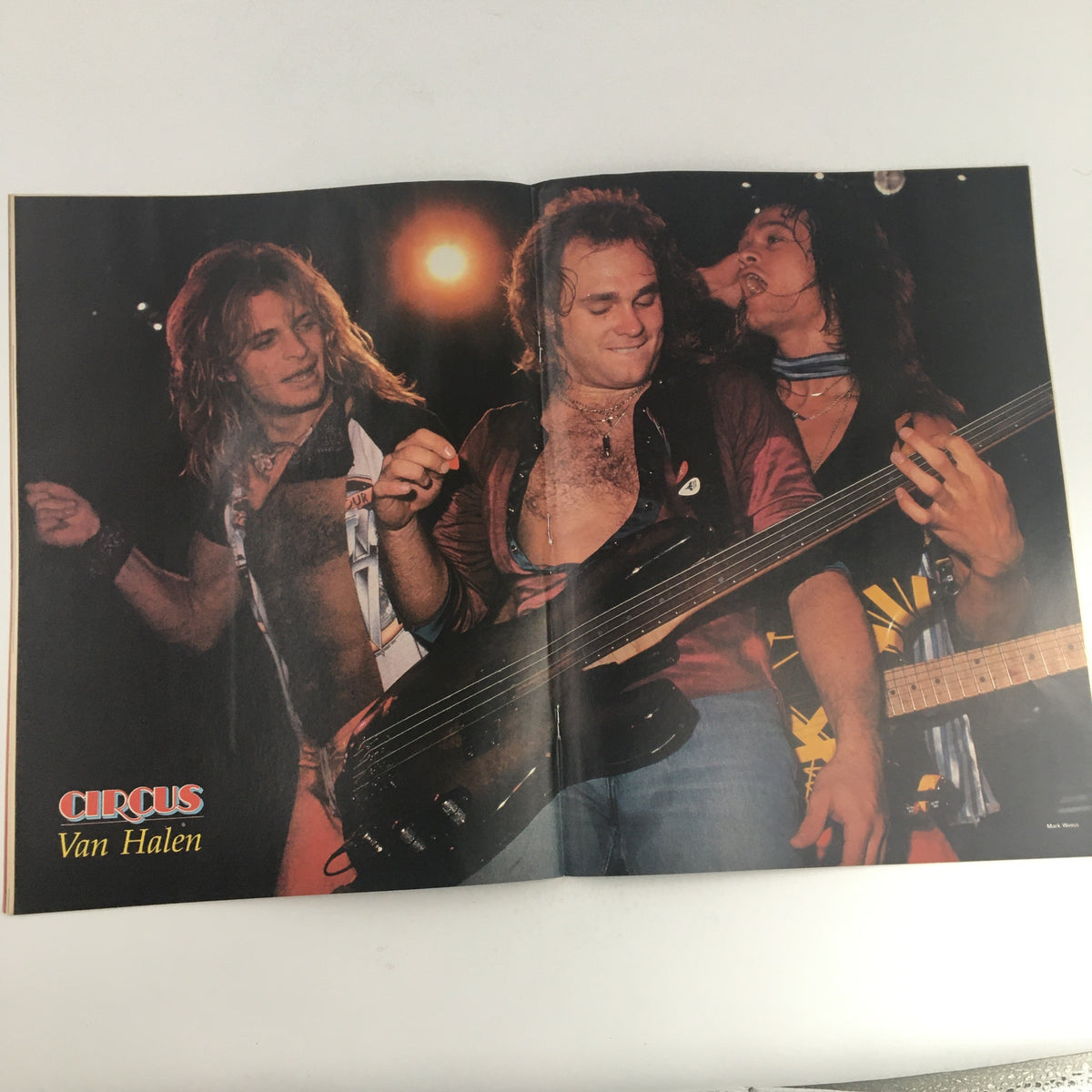
- The title references a Van Halen poster, making completeness especially important for collectors evaluating this issue.
- No-label presentation is noted in the title, preserving a cleaner cover appearance for display and archival comparison.
- Described as being in good condition, with minor or light wear typical for its age.
- Comes with a protective covering according to the listing, a useful preservation detail for a vintage music magazine.
- The listing mentions imagery and interviews, though specific article titles, interview subjects, poster condition, and full interior contents are not confirmed.
- Useful as a reference issue for collectors studying Debbie Harry, Van Halen, Eddie Van Halen, David Lee Roth, rock-magazine design, and music fandom at the start of the 1980s.
- Represents a music-magazine moment when posters, photographs, interviews, and cover presentation were central to how fans collected and remembered artists.
- Relevant to collectors comparing how late-1970s new wave figures and early-1980s hard-rock stars were framed within the same popular music press.
Condition & Rarity
Collector evaluation for this issue should note the described good condition, with light wear typical of age and a protective covering included. The no-label detail is significant because music magazines are often collected for cover presentation, artist imagery, and display appeal, and an unobstructed cover is generally preferred by collectors. Since the title references a Van Halen poster, completeness should be assessed carefully: posters in music magazines were often removed, unfolded, displayed, or damaged, so the presence, attachment, folding, and condition of any poster material should be verified when examining any surviving example of this issue. Grading should also consider cover surface, spine stability, staple condition, page completeness, edge wear, creases, marks, tears, paper toning, and whether any photographs, advertisements, interviews, or poster pages have been clipped or removed. Music magazines from this period were frequently handled, shared, and used for wall art, so intact interiors are especially important. A good-condition, no-label example with complete pages and any stated poster material preserved has stronger archival and display value than an incomplete issue with a cleaner cover alone. Collectors should also inspect the centerfold or poster area for stress at folds or staple points, since that is often where music magazines show the most handling. Even modest wear can be acceptable when the cover remains presentable, the binding is sound, and the artist-related content is complete.
Looking for More Issues Like This?
Music magazines from the turn of 1980 can be especially rewarding because they preserve rock culture just before MTV changed the relationship between sound, image, and fandom. Related material can be explored through Debbie Harry magazine appearances, Eddie Van Halen magazine features, David Lee Roth magazine appearances, the broader Circus magazine collection, or other titles from the 1980 magazine collection. Together, those archives help place this January 22, 1980 issue within the wider print record of new wave style, hard-rock performance, poster culture, and early-1980s music journalism. They are also useful for comparing how magazines documented different kinds of rock celebrity before music video became the dominant visual language of popular music.