


Description
Collector's Note – Why This Issue Matters
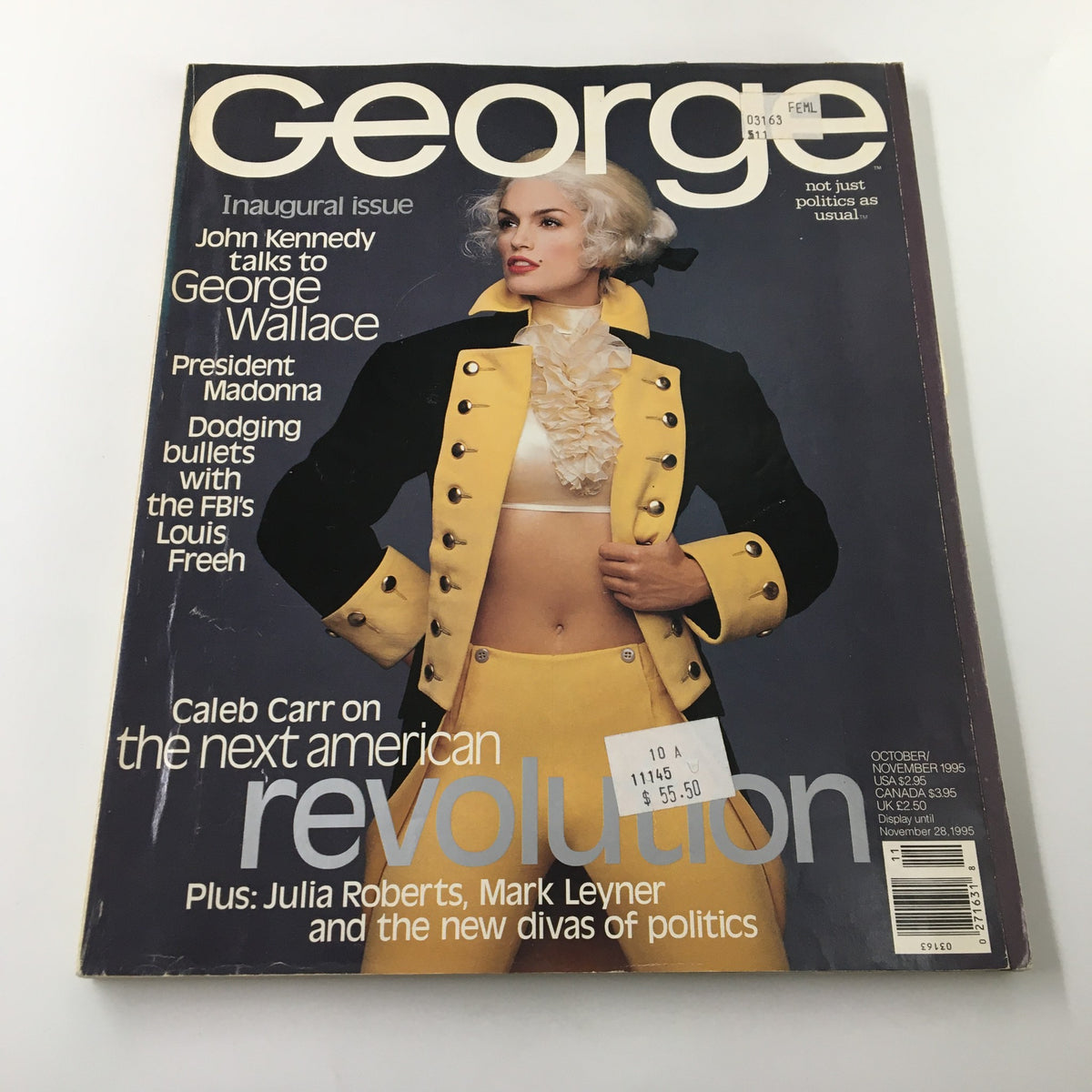
The inaugural year of George magazine was itself a cultural event, and the October 1995 issue — just months after the publication's celebrated debut — arrived at a moment when John F. Kennedy Jr. was redefining what political media could look like. This issue features Kennedy in conversation with George Wallace, the former Alabama governor whose career arc — from the architect of one of American segregationism's most defiant stands to a later-life apostle of racial reconciliation — made him one of the most complex and contested figures in twentieth-century American politics. That Kennedy chose Wallace as an early interview subject says something deliberate about George's editorial ambitions: this was not a magazine content to profile the comfortable or the uncontroversial. Collectors interested in the full run of George magazine issues will recognize this early installment as representative of the title at its most intellectually adventurous.
By October 1995, Wallace was 76 years old, largely wheelchair-bound following the 1972 assassination attempt that had paralyzed him, and had spent years seeking forgiveness from the civil rights leaders and communities he had once opposed. A conversation between him and Kennedy — young, glamorous, the son of a president whose legacy was permanently entangled with the civil rights era — carried a weight that few magazine interviews of the decade could match. It was the kind of editorial pairing that only George, with Kennedy's unique access and cultural position, could credibly stage. For collectors focused on 1995 magazines as documents of a pivotal political moment, this issue belongs in any serious survey of the period.
The cover of this issue features Cindy Crawford, whose appearance as the face of the launch and early issues was central to George's strategy of blending celebrity culture with political seriousness. Crawford's presence was not decorative — it was a thesis statement about the magazine's belief that politics and popular culture were already deeply intertwined, whether Washington liked it or not. Collectors who follow Cindy Crawford magazine covers will find this issue particularly significant, as her association with George in its founding months remains one of the more unexpected and memorable collaborations between a supermodel and a political publication.
About the Publication
George was a monthly American political lifestyle magazine founded by John F. Kennedy Jr. and publisher Hachette Filipacchi, with its debut issue dated October/November 1995. The magazine occupied a then-novel editorial space, treating politics with the visual language and cultural energy of a mainstream lifestyle publication — profiles, fashion, celebrity, and long-form journalism coexisted within its pages. Its target audience was younger readers who engaged with politics but felt alienated by the stiff conventions of traditional political press. Kennedy served as editor-in-chief until his death in July 1999, after which the magazine ceased publication in early 2001. Its run of roughly five and a half years produced some of the most visually distinctive and editorially bold political journalism of the late 1990s.
Key Highlights Inside
- A feature conversation between editor John F. Kennedy Jr. and former Alabama Governor George Wallace, exploring Wallace's political legacy and his decades-long journey toward reconciliation with the civil rights community.
- Coverage situated within George's founding editorial framework — the intersection of celebrity culture, political influence, and media in mid-1990s America.
- Cindy Crawford cover imagery consistent with the magazine's early visual identity, which used high-fashion photography to signal its departure from conventional political publishing.
- Content reflecting the political landscape of late 1995, a period defined by the aftermath of the 1994 Republican Revolution, the early maneuvering of the 1996 presidential cycle, and ongoing national conversations about race, memory, and political redemption.
Condition & Rarity
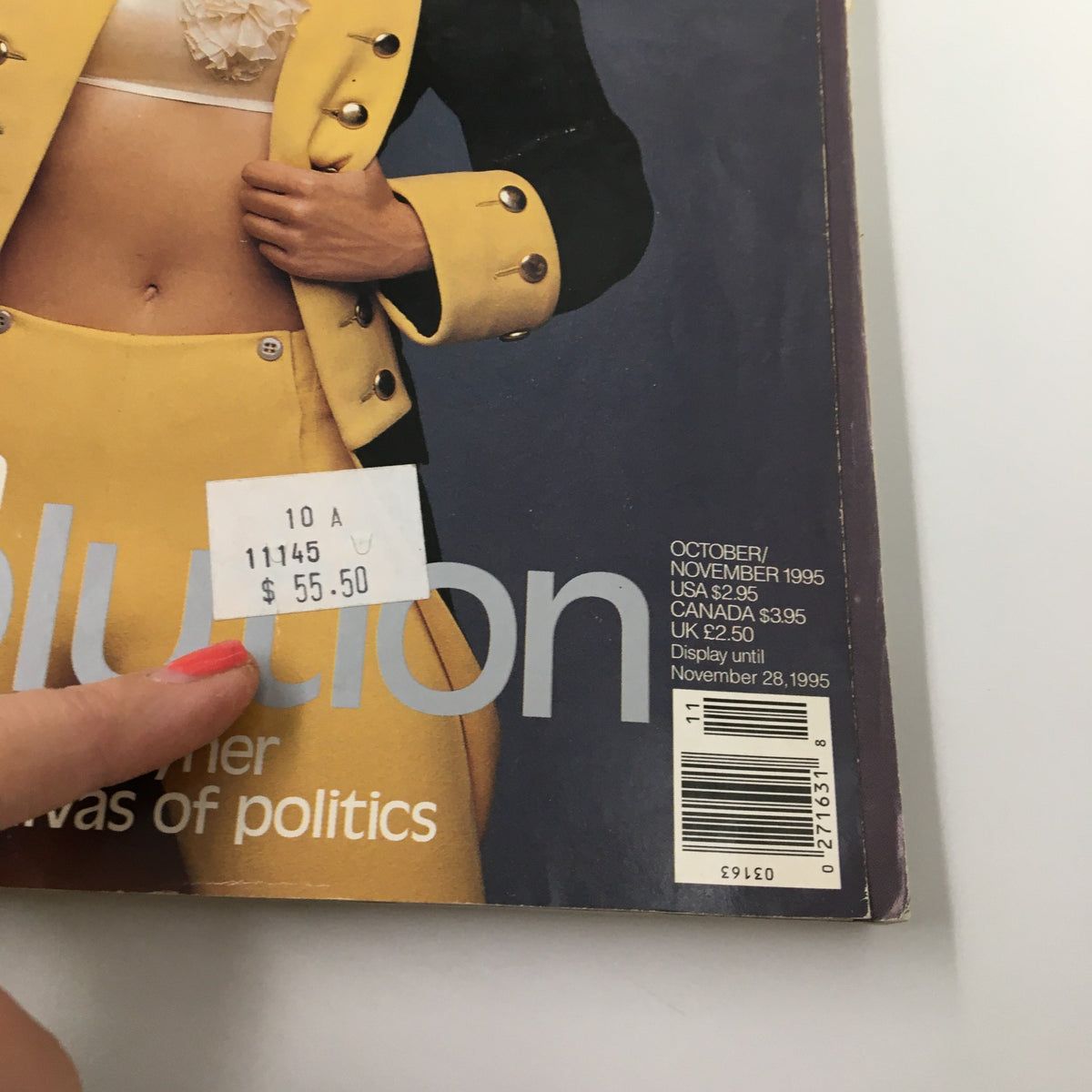
Surviving copies of early George issues in collectible condition have become increasingly difficult to locate, as the magazine was consumed as a cultural object rather than archived by most of its original readership. Copies in good overall condition with intact covers and sound page structure represent a solid find. When evaluating any surviving copy of this issue, the presence of a mailing label on the front cover is a common attribute of subscriber copies and is generally accepted within the collector market, though newsstand copies without labels carry a modest premium. A price sticker, similarly, is a minor cosmetic note rather than a structural flaw. The presence of a plastic protective sleeve indicates that a previous owner recognized the issue's collectible value and took deliberate steps toward preservation — a positive indicator of overall handling care. Page integrity and cover vibrancy are the primary condition criteria for George issues of this era, as the magazine used high-quality coated stock that holds color well when stored properly but shows handling wear clearly at corners and spine edges.
Looking for More Issues Like This?
Early issues of George from its founding year are among the harder finds for collectors of 1990s political media, and this particular issue — with the Kennedy–Wallace conversation — draws interest from multiple collecting communities at once. If this one has already moved, the full George magazine collection at OriginalMagazines.com is the best place to browse what's currently available across the title's run. Collectors working on a broader 1990s political library should also explore the 1995 magazine archive, and those tracking Crawford's extensive cover history will find additional appearances in the Cindy Crawford magazine collection.