

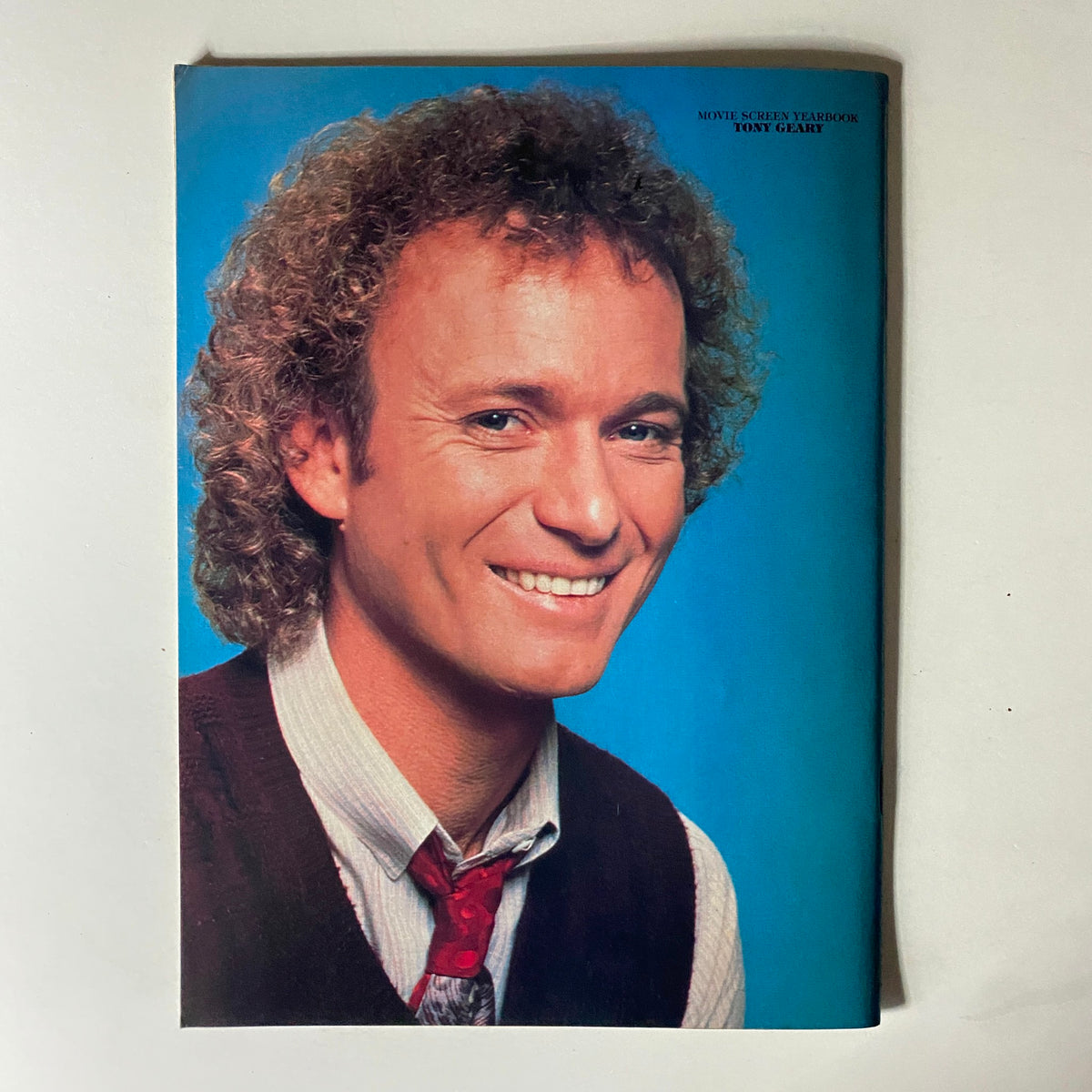


Description
Collector's Note – Why This Issue Matters
Movie Screen Yearbook No. 31, published in 1982, arrived at a remarkably specific and well-documented moment in both Rick Springfield's and Tom Selleck's careers — and the convergence of the two on a single yearbook cover is itself a precise map of where mainstream American entertainment was in that year. Tom Selleck had launched Magnum, P.I. in December 1980, and by 1982 the show was a top-ten hit and Selleck had become one of the most recognizable faces on American television. His near-casting as Indiana Jones — a role he lost to Harrison Ford due to Magnum scheduling conflicts — had made him the subject of constant media attention, and his particular brand of accessible masculine glamour was exactly what fan publications of this era were built around. Rick Springfield's trajectory in 1982 was if anything even more dramatic: "Jessie's Girl" had won the Grammy for Best Male Rock Vocal Performance in February 1982, and his dual identity as a pop recording artist and General Hospital cast member made him one of the few entertainers simultaneously dominating both music charts and daytime television. Tom Selleck's magazine appearances across the early 1980s document his peak television celebrity period in detail, and this yearbook is one of the more historically concentrated individual issues from that sequence.
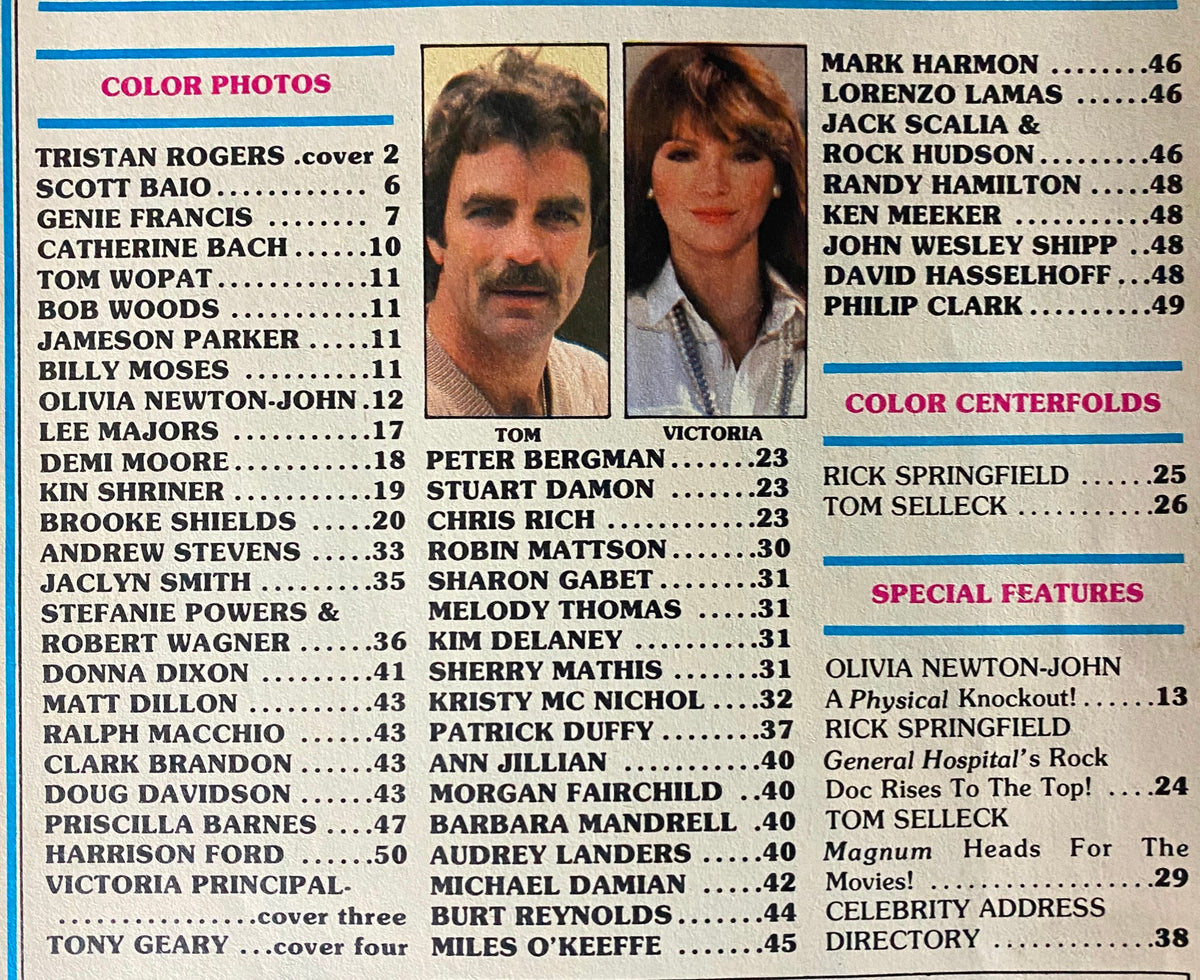
The yearbook format adds a specific collector dimension that monthly fan magazines cannot provide. Movie Screen Yearbooks were annual retrospective publications that condensed the year's celebrity coverage into a single reference volume — more substantial and more carefully produced than any individual monthly issue, and designed to function as a lasting record of the year's entertainment landscape rather than a disposable weekly or monthly update. A No. 31 yearbook from 1982 covering Springfield and Selleck at their respective career peaks is therefore a deliberately assembled document of what the fan press judged most significant about that year in popular entertainment — a curatorial statement about who mattered, why, and how their stories should be remembered. The included original posters are the issue's primary condition-sensitive collector assets, as poster content was the most frequently removed element from fan publications of this format.
About the Publication
Movie Screen was an American fan magazine with roots in the classic Hollywood era, published across several decades as part of the broader entertainment fan press that covered television and film celebrities for a mainstream popular audience. Its yearbook editions, published annually, compiled celebrity coverage, photography, and editorial features from the preceding year into a standalone collectible format aimed at readers who wanted a lasting record of their favorite stars' activities. By the early 1980s the yearbook format served both as a fan document and as a collector's item in its own right, with poster inclusions that made individual issues significantly more desirable than their editorial content alone would warrant.
Key Highlights Inside
- Rick Springfield and Tom Selleck cover feature. Both subjects at the precise moment of their maximum early-1980s visibility — Selleck as the reigning television leading man of Magnum, P.I. and Springfield as the Grammy-winning artist and General Hospital star whose dual entertainment identity was uniquely compelling to the fan press.
- Original poster inclusions. The listing confirms original posters are present and intact — the critical condition factor for yearbooks of this format, since poster pages were the most actively removed element from fan publications and complete copies with all posters in place are meaningfully more valuable than those without.
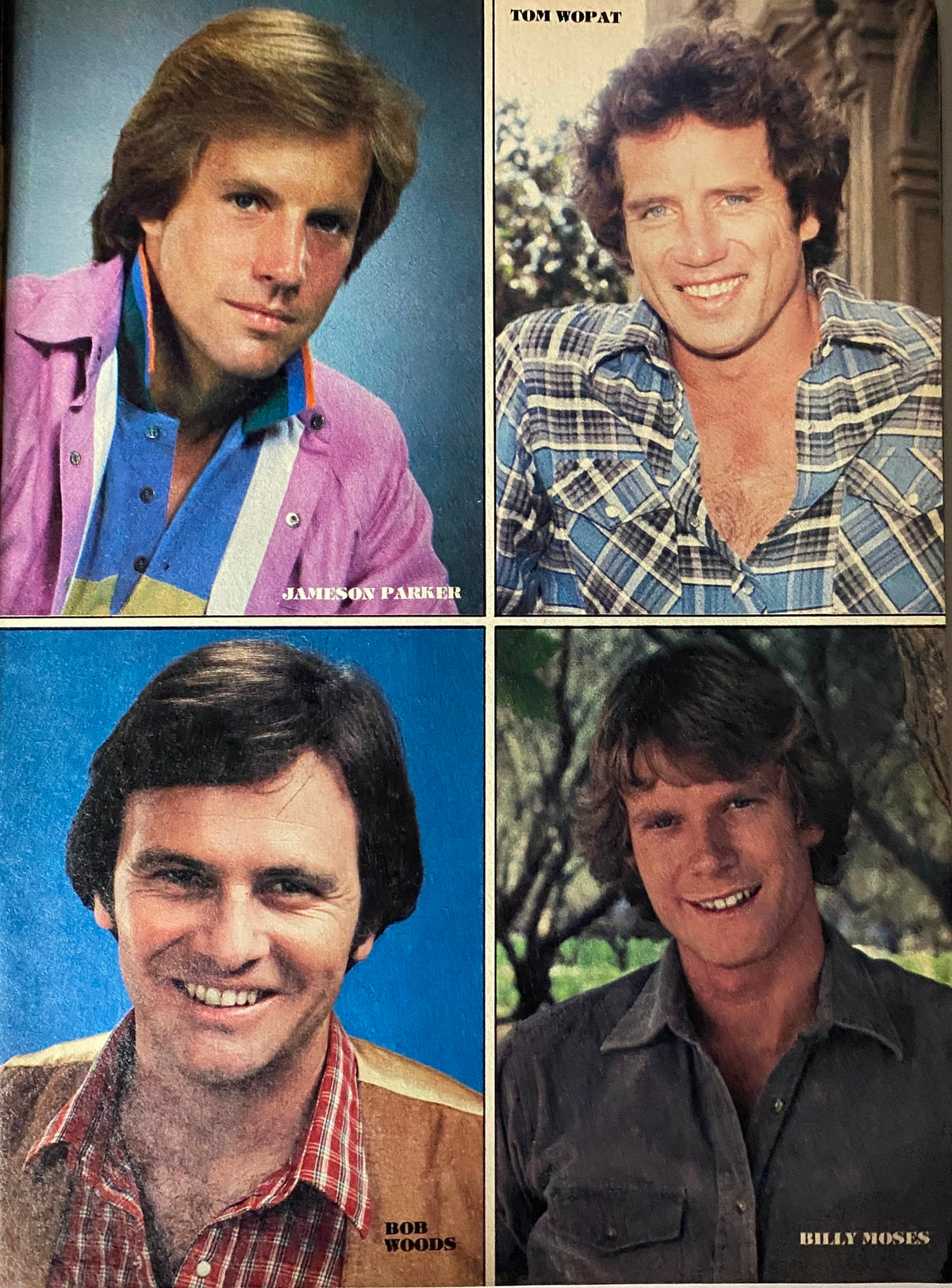
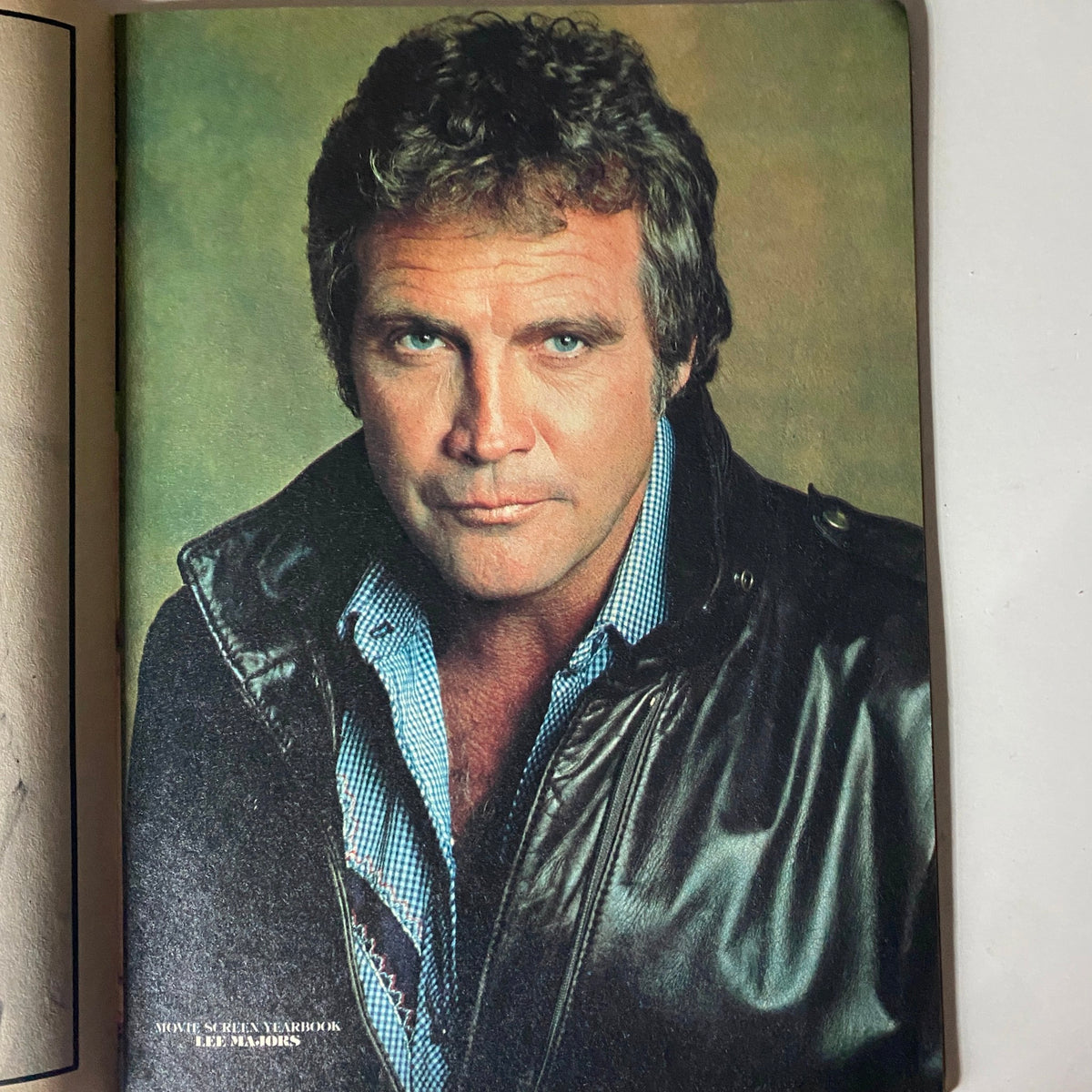
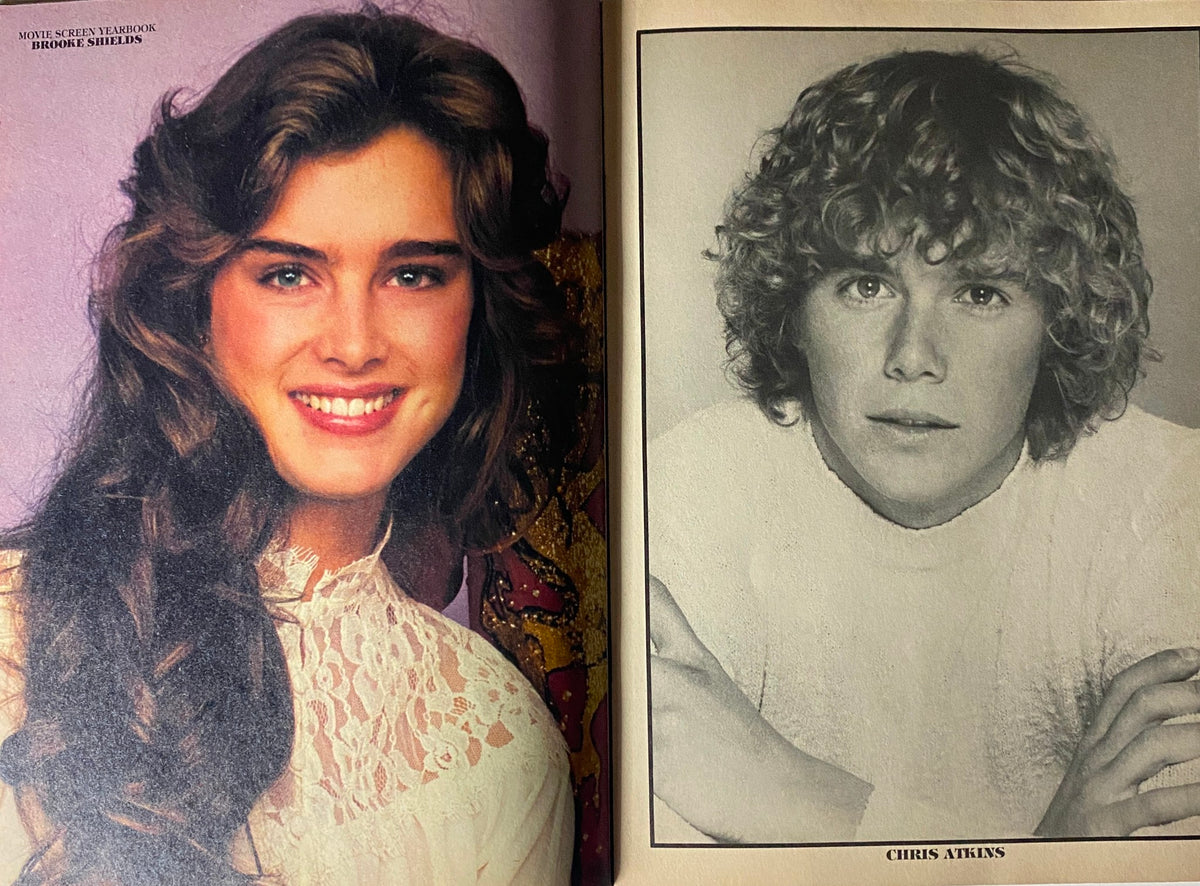
- Full-color celebrity photography. As a 1982 yearbook production, the photography would have reflected the specific visual language of early-1980s celebrity portraiture — a distinct aesthetic document of how mainstream entertainment stars were being photographed and presented to their fan audiences at the decade's commercial peak.
- Annual retrospective editorial format. The yearbook structure means this issue functioned as a curated summary of 1982's most significant entertainment personalities and stories, making it a more deliberate historical document than any individual monthly issue from the same period.
Condition & Rarity
The listing describes this yearbook as in good condition with all pages intact, original posters included, light age-appropriate wear, no address label, and protective plastic covering. For a forty-plus-year-old fan publication, good condition with intact pages and confirmed poster presence represents a strong collector-grade assessment — page completeness and poster integrity are the two factors that most significantly affect value for yearbooks of this format, and both are confirmed positive here. The no-label status is a meaningful attribute for display purposes. Protective plastic covering indicates deliberate long-term preservation. Yearbook format publications were produced in more limited quantities than monthly issues and were more likely to be treated as keepsakes by their original purchasers, which can mean better average survival rates — but also means that collector-grade examples surface less frequently than standard monthly issues in the broader fan magazine market.
Looking for More Issues Like This?
A 1982 Movie Screen Yearbook with Rick Springfield and Tom Selleck coverage and original posters intact is a specific find for collectors of early-1980s television and pop culture ephemera — yearbook format fan publications in good condition with complete poster content are less commonly encountered than their monthly counterparts. For collectors building a comprehensive archive of Selleck's magazine presence across his peak Magnum, P.I. years, the Tom Selleck magazine collection is the most direct place to continue that search.