



Description
Collector's Note – Why This Issue Matters
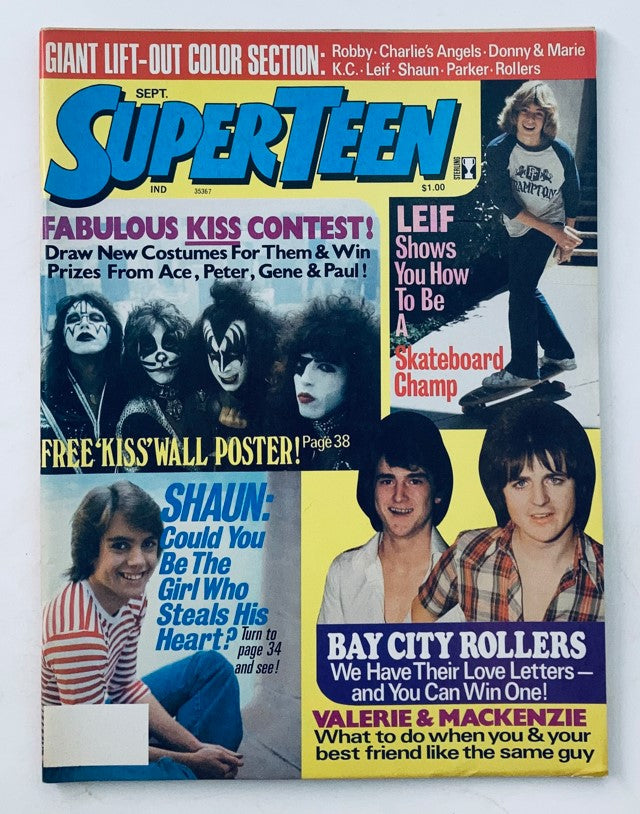
The September 1977 issue of Super Teen Magazine — Volume 1, Number 5 — featuring Kiss, David Cassidy, and the Bay City Rollers is a primary document of the American teen fan magazine market at one of its most historically interesting convergence points: a single issue that documents three dramatically different commercial phenomena within the same youth-oriented entertainment ecosystem, each at a specific and historically meaningful phase of its cultural trajectory. Kiss in September 1977 were at the absolute peak of their commercial dominance — the Love Gun album had been released in June 1977, the four individual solo albums were in simultaneous production for their October 1978 release, and the band's marketing apparatus was generating the KISS Army following and the merchandising empire that made them the most commercially successful rock act of the late 1970s in terms of licensed products. The specific juxtaposition of Kiss with David Cassidy in a teen magazine from September 1977 is itself historically revealing: Cassidy's peak teen idol moment had been 1971-73 during his Partridge Family run, and his presence in a September 1977 teen magazine represents either a retrospective celebration of his established fan base or a documentation of his continued attempts to maintain relevance in the changing teen entertainment landscape. The Bay City Rollers in September 1977 were navigating a genuine commercial transition — the "Rollermania" peak had passed, and the band was in the process of losing original members and renegotiating their identity — making this issue's documentation of them in the teen fan magazine context a primary record of that specific transitional phase. For collectors building a serious archive of 1970s teen fan magazine culture, the David Cassidy magazine collection at OriginalMagazines.com provides essential depth across his documented career, with the late-1970s publications capturing his post-Partridge-Family period in the specific form most directly relevant to his fan community.
The Volume 1, Number 5 designation gives this issue a specific and collector-relevant identity within the Super Teen Magazine publishing history that the serious collector will recognize. Fifth issues of publications in their inaugural volume represent a genuinely formative stage in a publication's development — the editorial team is still establishing its specific identity, its relationship with its audience, and its competitive positioning relative to the established players in the teen fan magazine ecosystem of 16 Magazine, Tiger Beat, and Teen Beat. The specific combination of Kiss, David Cassidy, and the Bay City Rollers in a September 1977 fifth issue suggests an editorial team making aggressive cover choices designed to maximize newsstand appeal by presenting the broadest possible cross-section of the teen market's most active fan communities simultaneously — the hard rock demographic that Kiss commanded, the established Cassidy legacy fan base, and the surviving Rollers audience — in a single publication. That specific editorial intelligence, visible in the cover subject selection, is itself primary evidence of how the teen fan magazine market was being navigated by newer entrants in September 1977. The full range of 1977 magazines and publications from this year documents American popular culture at a specific and historically interesting transitional moment — the year of Elvis Presley's death, the emergence of punk and disco as dominant youth culture forces, and the specific late-1970s commercial landscape that Kiss's marketing machine was navigating with extraordinary commercial success.
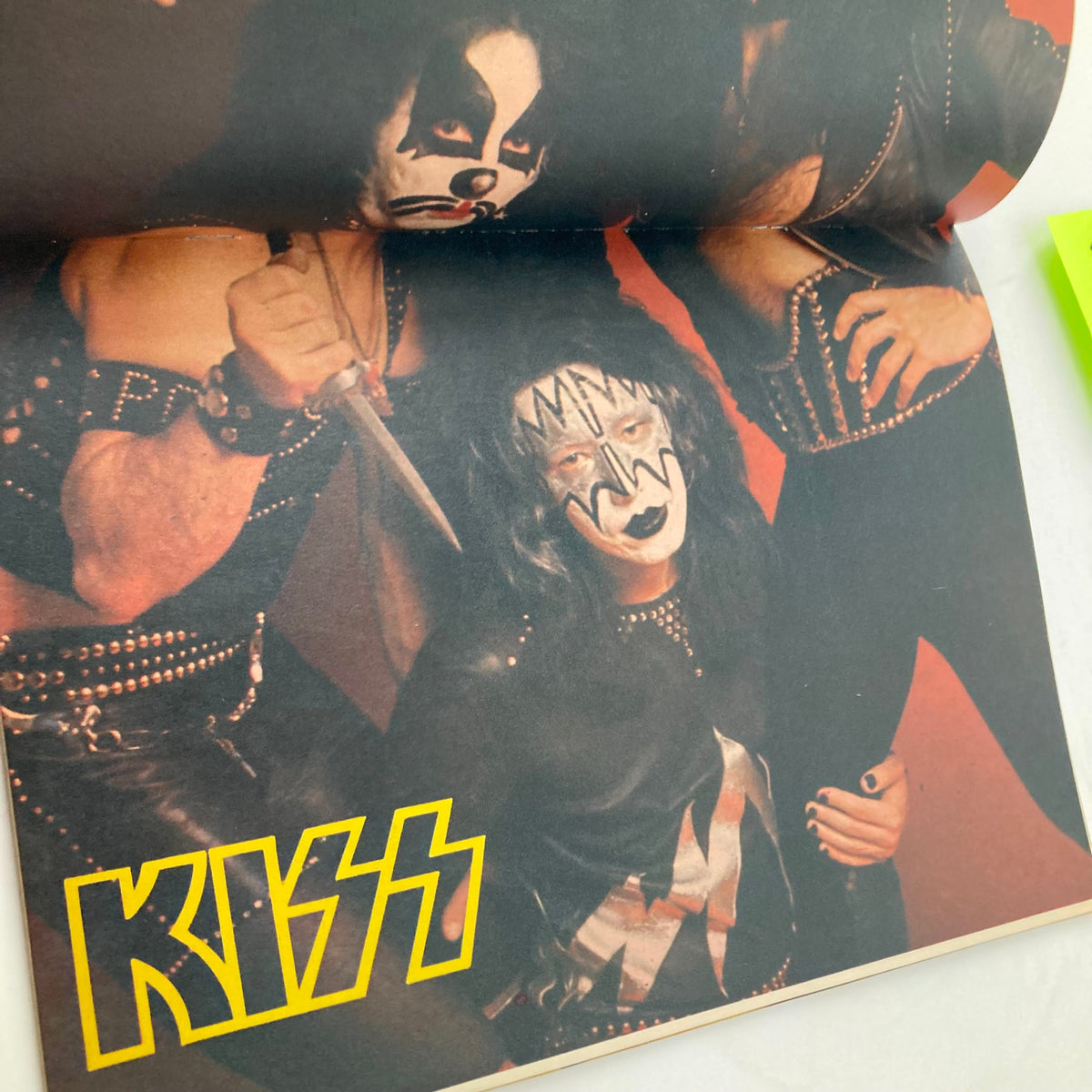
Kiss's specific significance in September 1977 within the teen fan magazine context is worth engaging directly for collectors who approach this issue from the rock music documentation perspective. By 1977, Kiss had achieved the unusual distinction of being simultaneously one of the most commercially successful rock acts in the country and one of the most enthusiastically covered subjects in the teen fan magazine press — a crossover that reflected the specific youth demographic crossover their combination of theatrical visual presentation, melodic hard rock, and aggressive marketing had achieved. Kiss in a teen magazine in 1977 was not a concession to mainstream pop but a genuine reflection of where the band's audience actually was, and their documentation alongside David Cassidy and the Bay City Rollers in a single issue is primary evidence of the specific cultural space they occupied in the teen entertainment market of that year.
About the Publication
Super Teen Magazine was an American teen fan publication operating in the mid-to-late 1970s as a participant in the competitive teen fan magazine market dominated by longer-established titles like 16 Magazine and Tiger Beat. Its Volume 1 designation indicates a relatively new publication attempting to establish its own identity within this competitive space, and its editorial approach — confirmed by the September 1977 issue's cover subjects — combined rock music coverage with the established teen idol and pop act profiles that the genre's audience demanded. Its audience was the same young female demographic that the established teen magazines served, and its format combined color photography, personality profiles, and the fan service content that defined the genre. The Vol. 1, No. 5 designation places this specific issue in the early formative phase of the publication's development, making it a primary document of the magazine's editorial identity-building period alongside its celebrity content.
Key Highlights Inside
- Kiss feature — peak commercial era hard rock documentation in teen magazine context — The confirmed Kiss content documents the band during their most commercially dominant period — the Love Gun release year of 1977 — in the specific teen fan magazine format that was one of the primary vehicles for their marketing machine's connection to their youth audience, preserving primary evidence of how Kiss was being presented to the teen demographic at the height of KISS Army culture.
- David Cassidy feature — post-Partridge Family teen idol in late-1970s fan press — The confirmed Cassidy content documents his presence in the teen fan magazine market in September 1977, capturing his specific post-peak career phase in the fan publication format most directly relevant to the legacy audience that continued to follow his career after his Partridge Family moment had passed.
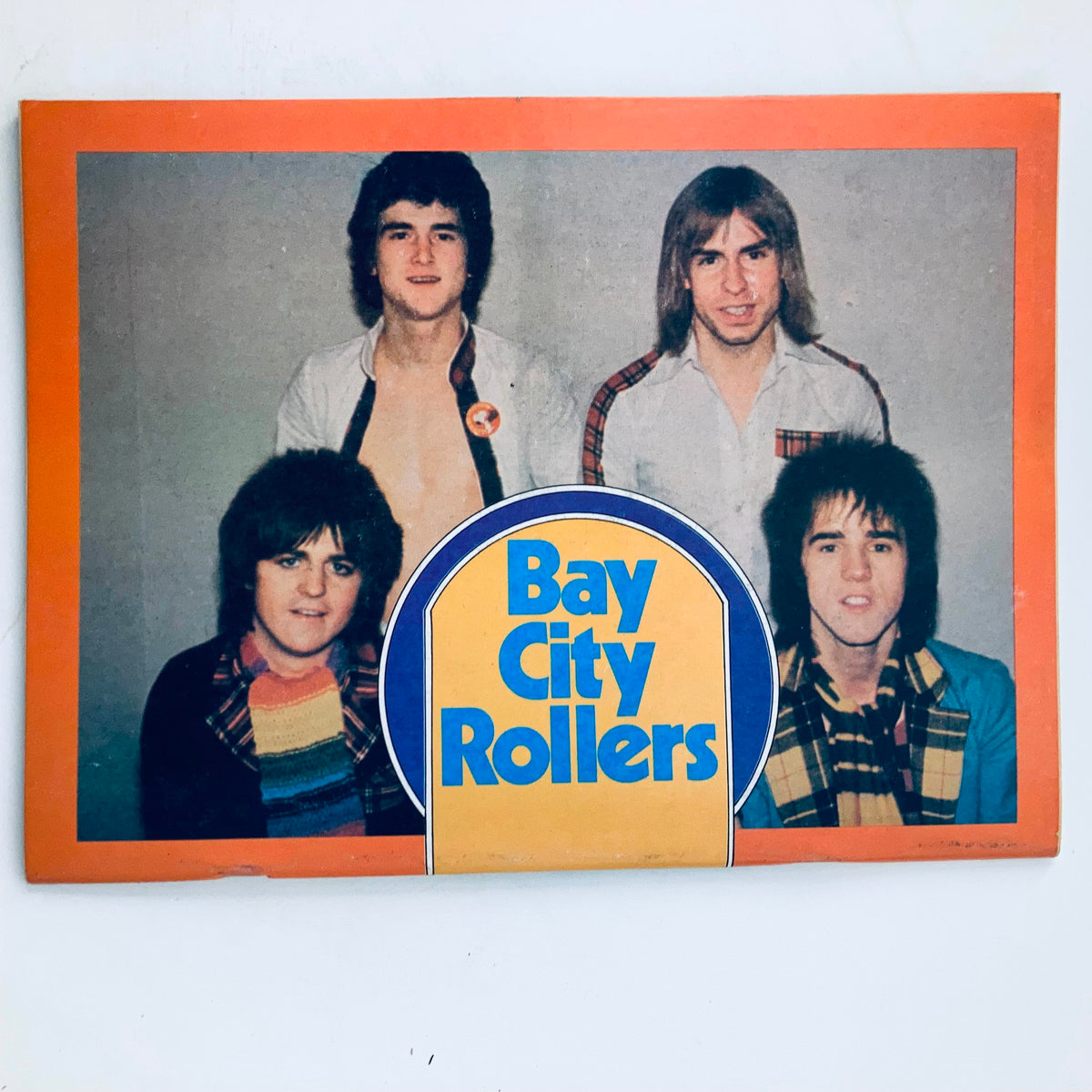
- Bay City Rollers feature — transitional phase documentation in teen fan press — The confirmed Rollers content documents the Scottish pop-rock band during the specific transitional period following their "Rollermania" commercial peak, preserving primary evidence of their continued teen fan press presence during the roster changes and commercial renegotiation that characterized their late-1977 period.
- Volume 1, Number 5 — early publication identity-building phase documented — As the fifth issue of Super Teen Magazine's inaugural volume, this publication preserves primary evidence of the magazine's editorial identity in its formative development phase, with the specific celebrity selection strategy visible in the cover choices providing primary evidence of how a new teen publication was positioning itself competitively in the established market of September 1977.
- Note: Specific interview content, additional celebrity profiles beyond the confirmed cover subjects, full article titles, and the complete editorial contents of this issue have not been independently verified beyond the listing description. The highlights above reflect what is documentable from the listing and the well-established historical context of Kiss, David Cassidy, and the Bay City Rollers in September 1977.
Condition & Rarity
This issue is described as showing creases on the front cover, marks inside, and minimal rips, with a plastic protective covering — an honest condition profile for a teen fan magazine now nearly fifty years old that was produced for active readership use among a young audience rather than archival preservation. The cover creases are the most visible surface attribute and their placement relative to the Kiss, Cassidy, and Bay City Rollers cover imagery determines their impact on display quality — a condition variable worth assessing from the accompanying photographs. The marks inside and minimal rips are consistent with a publication that was actively read and handled by its original audience in the way teen fan magazines characteristically were: consulted repeatedly, shared among friends, and eventually stored without collector intent. The plastic protective covering indicates deliberate preservation care applied at some point in the object's history. Teen fan magazines from the mid-to-late 1970s in any condition are actively sought by the specific collector communities dedicated to Kiss, David Cassidy, and Bay City Rollers documentation, and the Vol. 1, No. 5 designation adds a secondary collecting dimension for researchers interested in the formative publishing history of individual teen fan magazine titles from this era.
Looking for More Issues Like This?
Teen fan magazines from 1977 featuring Kiss and David Cassidy — and particularly early-volume issues like this Vol. 1, No. 5 that capture the teen fan magazine market's competitive landscape at the height of the late-1970s youth entertainment boom — are sought by Kiss collectors, David Cassidy fans, Bay City Rollers memorabilia enthusiasts, and 1970s teen culture researchers who recognize these publications as primary documents of the specific commercial and fan culture ecosystem that sustained these artists. If this September 1977 Super Teen issue is no longer available, the David Cassidy magazine collection at OriginalMagazines.com is a focused resource for other significant fan press coverage of his career. For collectors building a broader documentary record of 1970s youth culture, rock music, and teen entertainment at one of the decade's most commercially distinctive moments, the 1977 magazines collection brings together a wide range of primary source material from that pivotal year.