


Description
Collector's Note – Why This Issue Matters
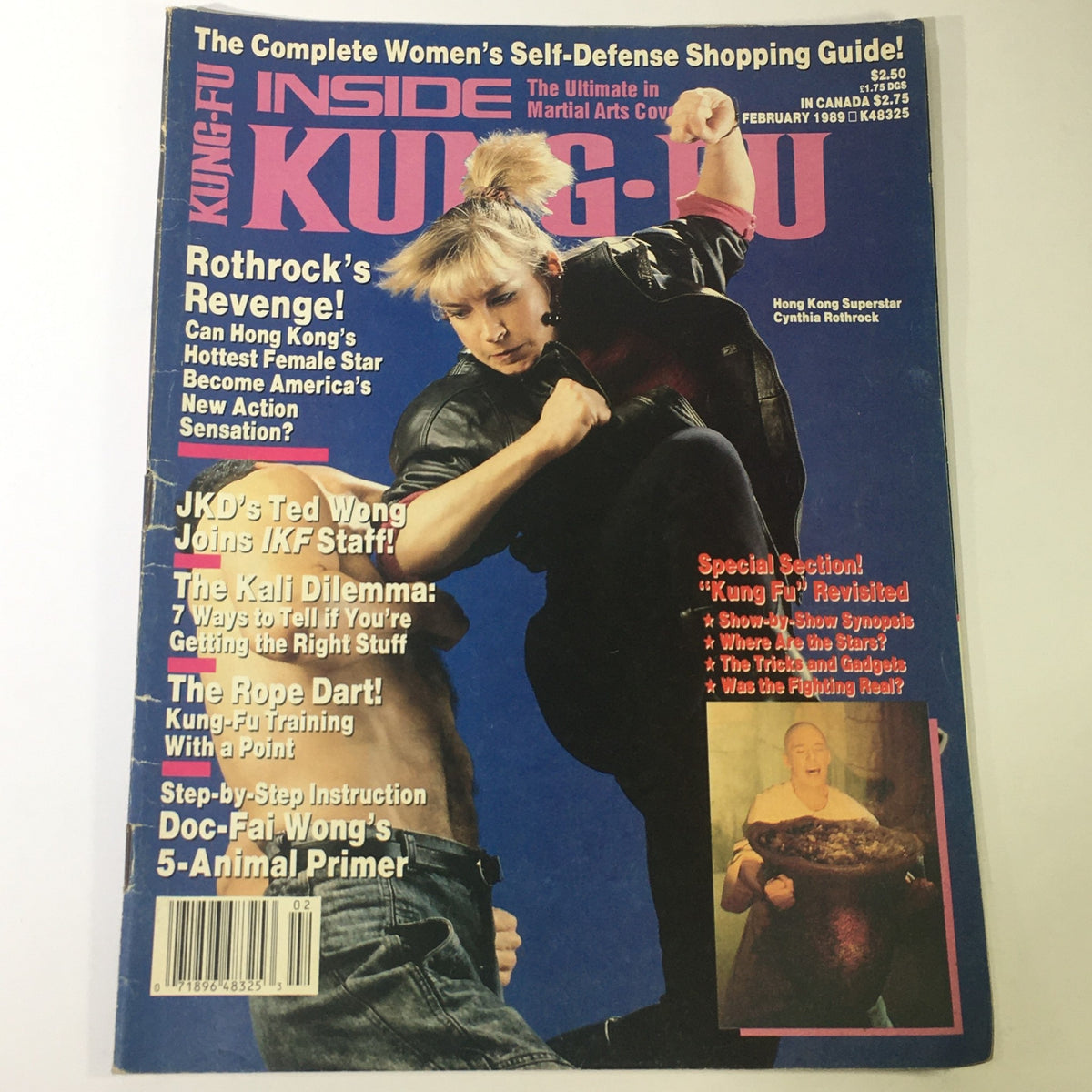
Inside Kung Fu Magazine February 1989 captures a key moment in martial arts pop culture, when action cinema, Hong Kong filmmaking, and American martial arts readership were strongly connected. The issue’s listed cover subject, Cynthia Rothrock, gives it clear historical importance. Rothrock became one of the most recognizable Western martial artists working in Hong Kong action films during the 1980s, known for her screen fighting ability, athletic presence, and role in expanding the visibility of women in martial arts cinema. Her appearance on the cover reflects how martial arts magazines helped introduce readers to performers whose reputations crossed between real training, film choreography, and international fan culture.
The February 1989 issue reflects the late-1980s action-film environment, when martial arts stars were followed not only through movies, but also through specialty magazines that documented training, film work, personalities, and industry trends. The listing describes in-depth articles, interviews, film reviews, martial arts training material, and insider perspectives, though specific article titles beyond the Cynthia Rothrock feature are not confirmed. For collectors of Cynthia Rothrock magazine appearances, this issue is especially relevant because it identifies her as a Hong Kong superstar during the period when her martial arts film reputation was strongly established. It also helps document how Rothrock was presented to English-language martial arts readers at a time when Hong Kong action cinema had a strong influence on video-store culture and martial arts fandom.
As part of the broader archive of Inside Kung Fu magazine issues, this edition shows how martial arts publications bridged serious practice and screen culture. It also sits naturally within 1989 magazine issues, a year near the end of a decade defined by video-store action cinema, international martial arts stars, and growing fan interest in Hong Kong film. For researchers and collectors, the issue preserves how a martial arts magazine presented a performer whose career connected real training, film performance, and global action-movie fandom. That makes it useful not only as a Cynthia Rothrock collectible, but also as a record of how martial arts media treated women action stars during a male-dominated genre era.
About the Publication
Inside Kung Fu was a martial arts magazine aimed at practitioners, instructors, film fans, competitors, collectors, and readers interested in Asian martial arts and related fighting disciplines. Its editorial format commonly included profiles, interviews, training features, technique discussions, film coverage, martial arts philosophy, and reports on notable figures within the community. By the late 1980s, the magazine served readers who were interested in both practical martial arts knowledge and the expanding influence of martial arts cinema. For collectors, Inside Kung Fu is valuable because it preserves how martial arts culture was presented before digital archives, streaming platforms, and online fan communities changed access to training and film history. The publication also shows how martial arts magazines acted as bridges between schools, tournaments, movie screens, and fan communities.
Key Highlights Inside
- February 1989 issue of Inside Kung Fu Magazine, representing late-1980s martial arts publishing.
- Features Cynthia Rothrock on the cover, as stated in the listing title and description.
- Identifies Rothrock as a Hong Kong superstar, reflecting her importance in late-1980s martial arts cinema.
- Represents the overlap between martial arts training culture and action-film fandom during the 1980s and early 1990s.
- Listing notes in-depth articles, interviews, features, film reviews, training content, and industry-insider perspectives.
- Reflects how martial arts magazines documented both screen performers and practical training culture for a specialized readership.
- Identified as newsstand/no label, preserving the cover presentation without mailing-label obstruction.
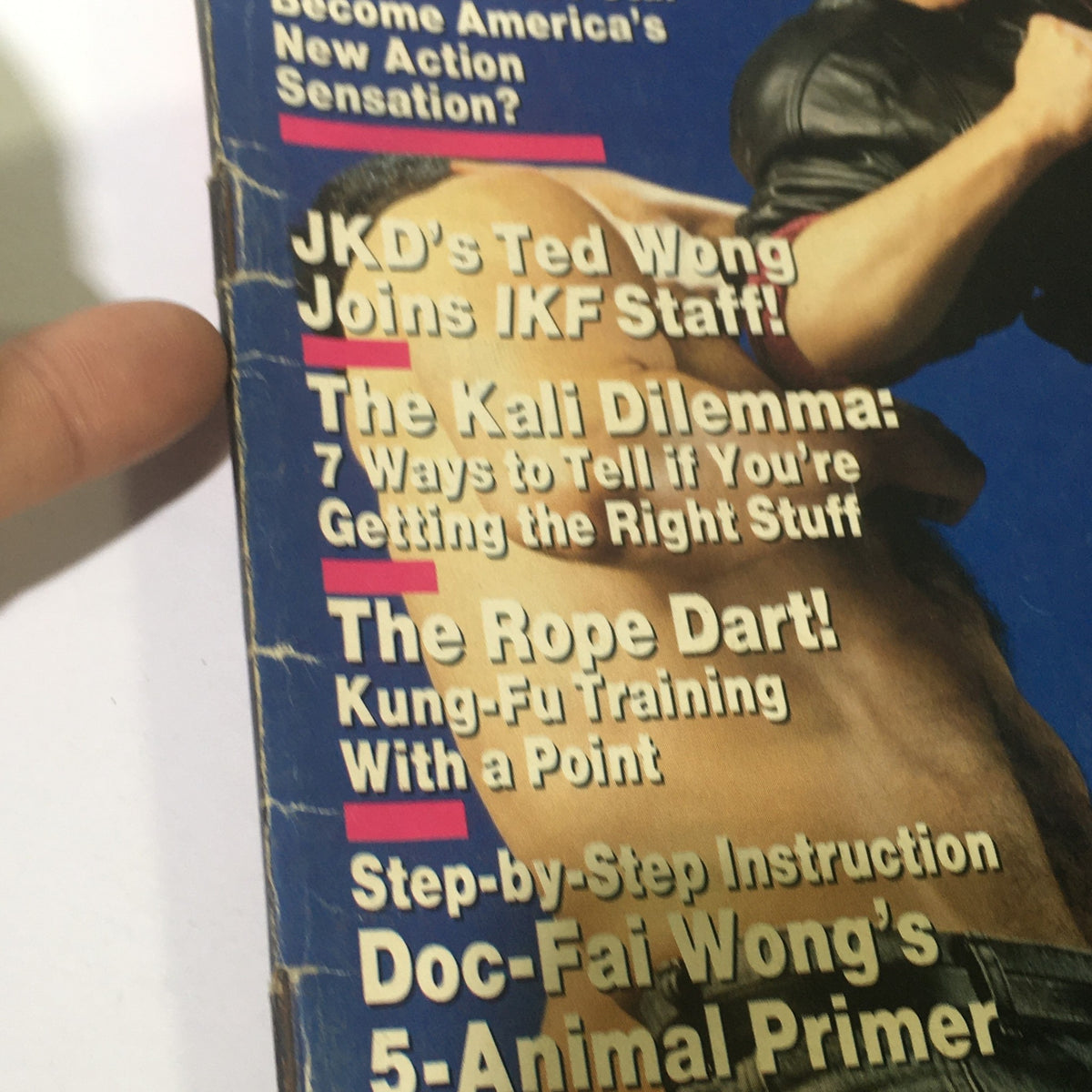
- Condition described as good, with minor edge wear and light marks typical for its age.
- Protected in a plastic covering, according to the listing description.
- Specific interior article titles beyond the Cynthia Rothrock cover feature are not confirmed from the provided listing.
Condition & Rarity
Surviving examples of this February 1989 issue should be evaluated by cover clarity, edge condition, spine stability, page completeness, surface marks, and whether the Cynthia Rothrock cover remains free from mailing-label obstruction. The provided listing describes the magazine as good condition, with minor edge wear and light marks typical for its age. A newsstand/no-label example is meaningful for collectors because the cover image and text remain visually uninterrupted, which matters for celebrity-focused and martial-arts-film-related issues. The noted plastic protective covering suggests preservation-minded storage and can help reduce handling wear, dust exposure, and surface abrasion. For a magazine tied to a major martial arts film personality, the cover presentation and complete readable interior are especially important collector-grade factors. Because martial arts magazines were often read repeatedly by both film fans and practitioners, moderate handling wear is common, but a clear cover, intact binding, and complete pages remain central to long-term reference value.
Looking for More Issues Like This?
The February 1989 Cynthia Rothrock cover issue is a tough find for collectors interested in Hong Kong action cinema, women in martial arts film, and late-1980s martial arts publishing. Readers looking for related material can browse more Cynthia Rothrock magazine appearances to compare how her screen image and martial arts reputation were documented across vintage print media. That broader view can help show how Rothrock’s career was framed across martial arts, film, and fan publications during a major period for action cinema.
The broader Inside Kung Fu magazine collection is also useful for tracing how the publication covered training, film stars, styles, and martial arts personalities across different decades. For collectors building by year, the 1989 magazines collection helps place this issue within the wider pop-culture and specialty-magazine landscape of the late 1980s. Viewed in that context, the issue becomes part of the larger print record connecting martial arts practice, Hong Kong cinema, and American action-film fandom.