📖 About this Collection
Cynthia Rothrock: The Queen Who Threw the First Punch
The Legend & The Legacy
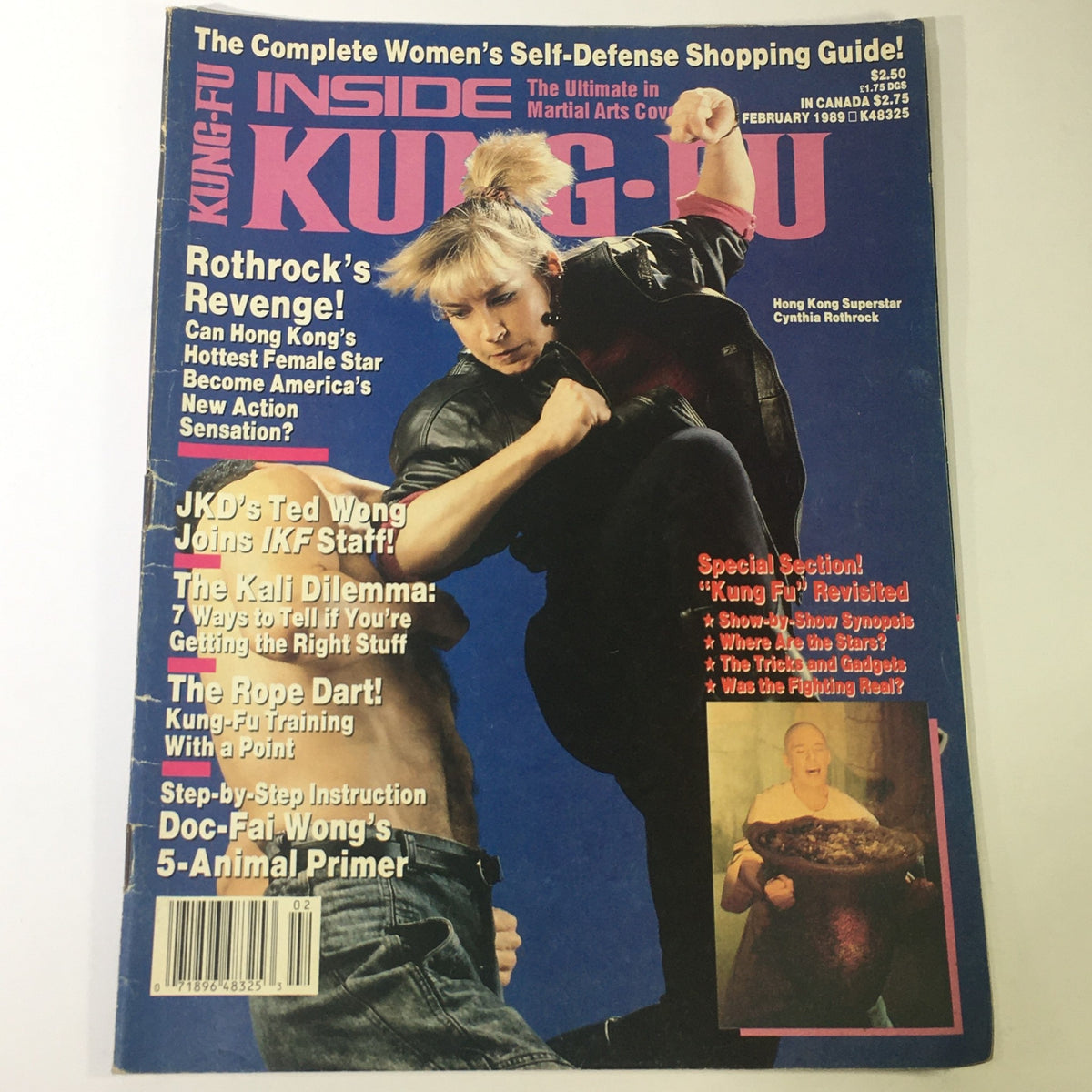
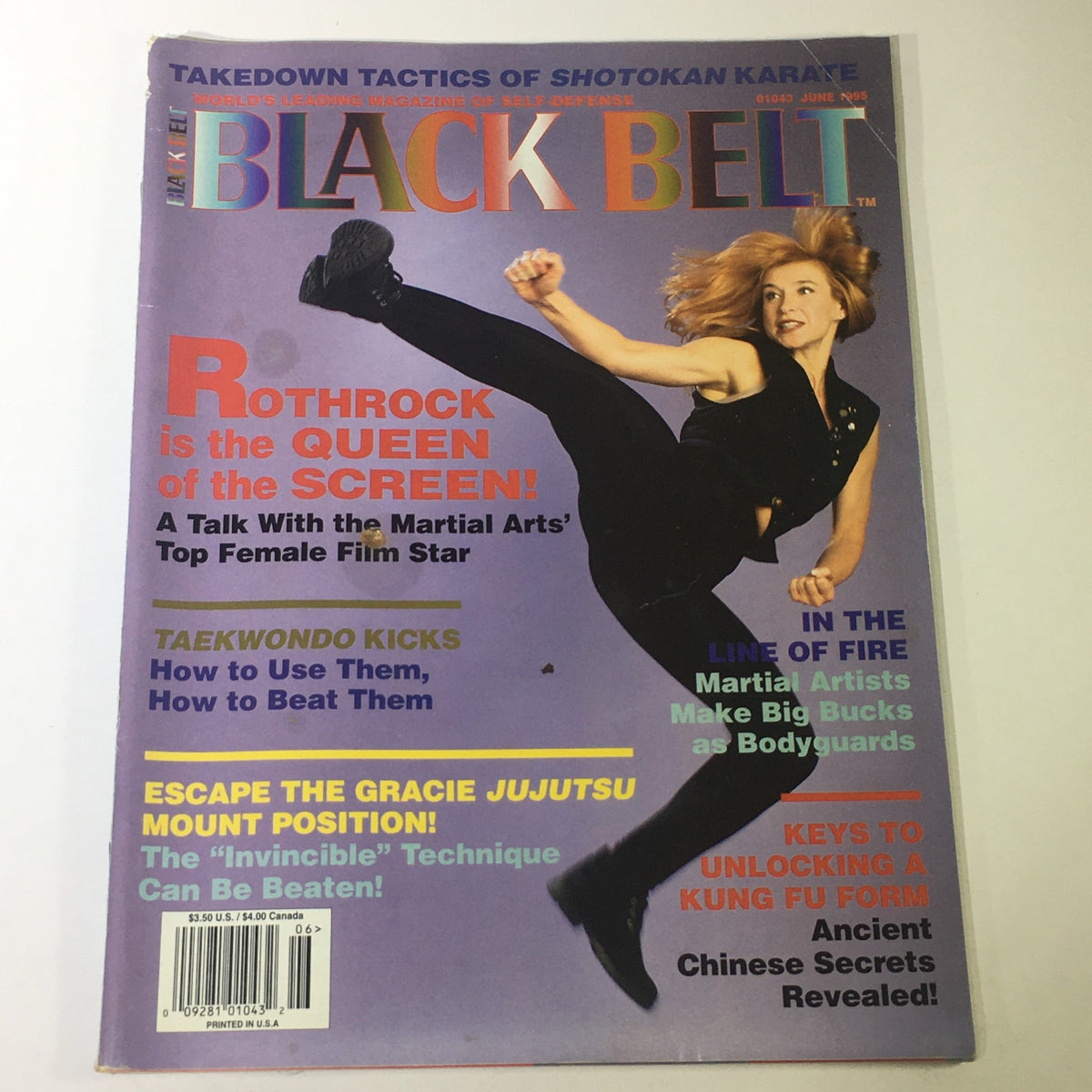
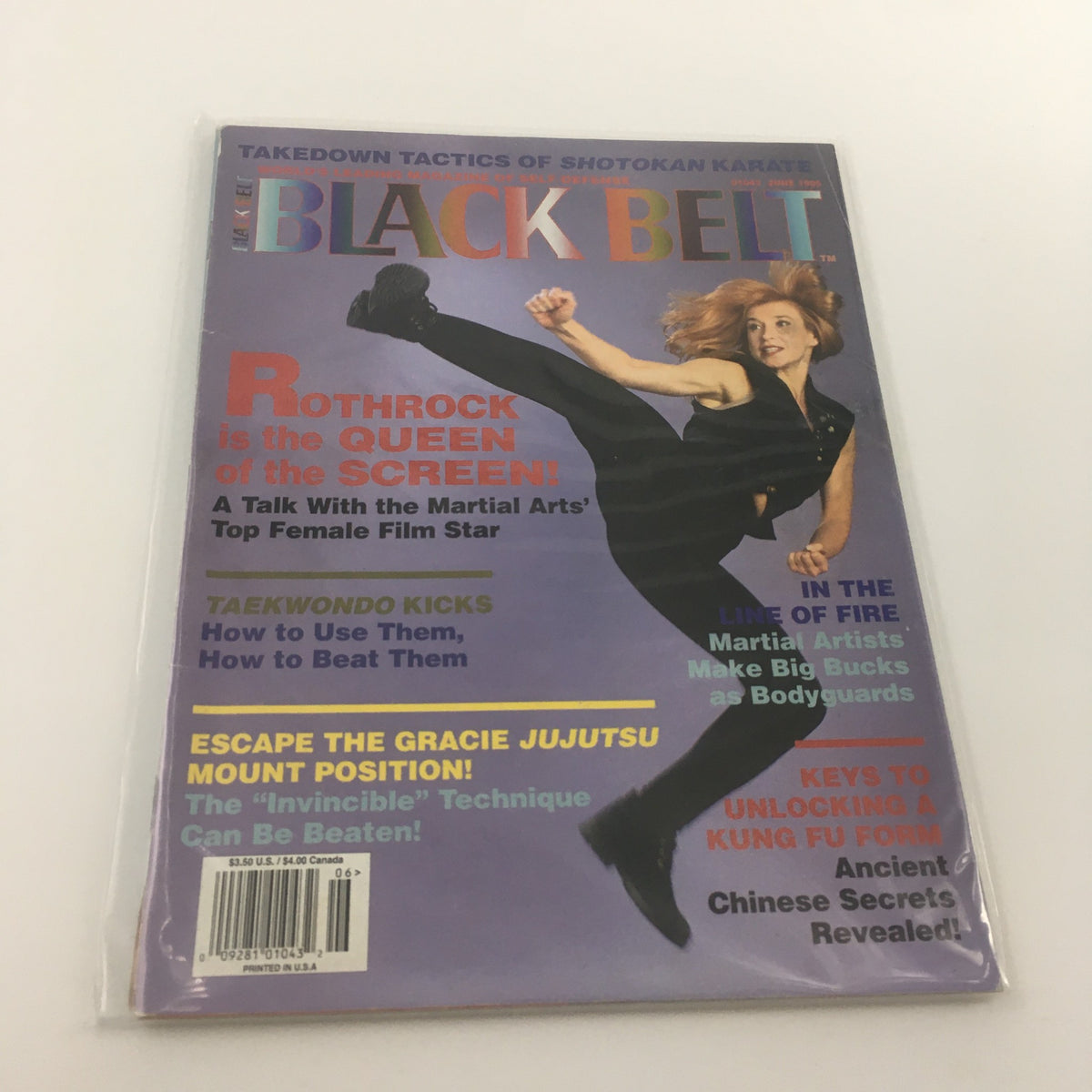
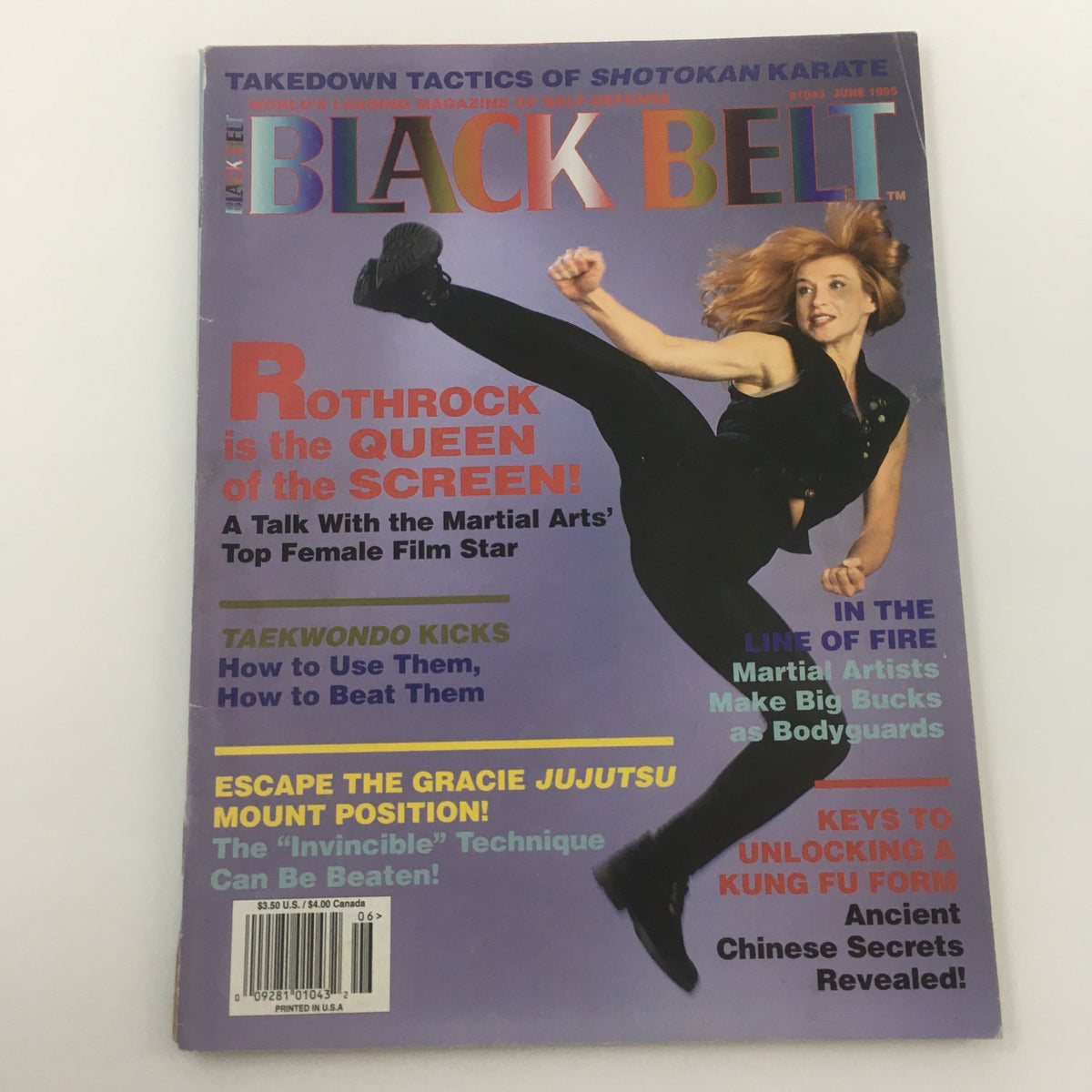
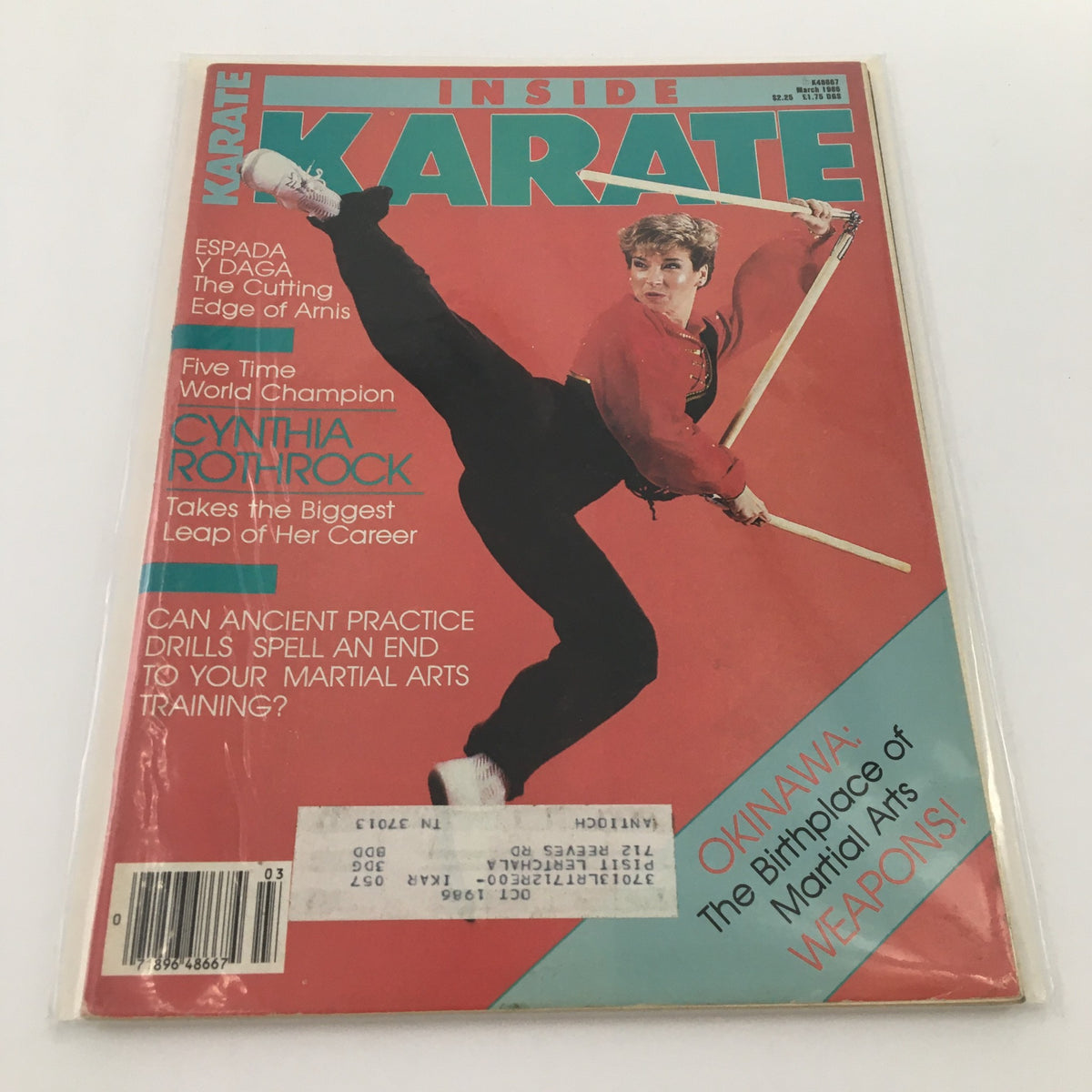
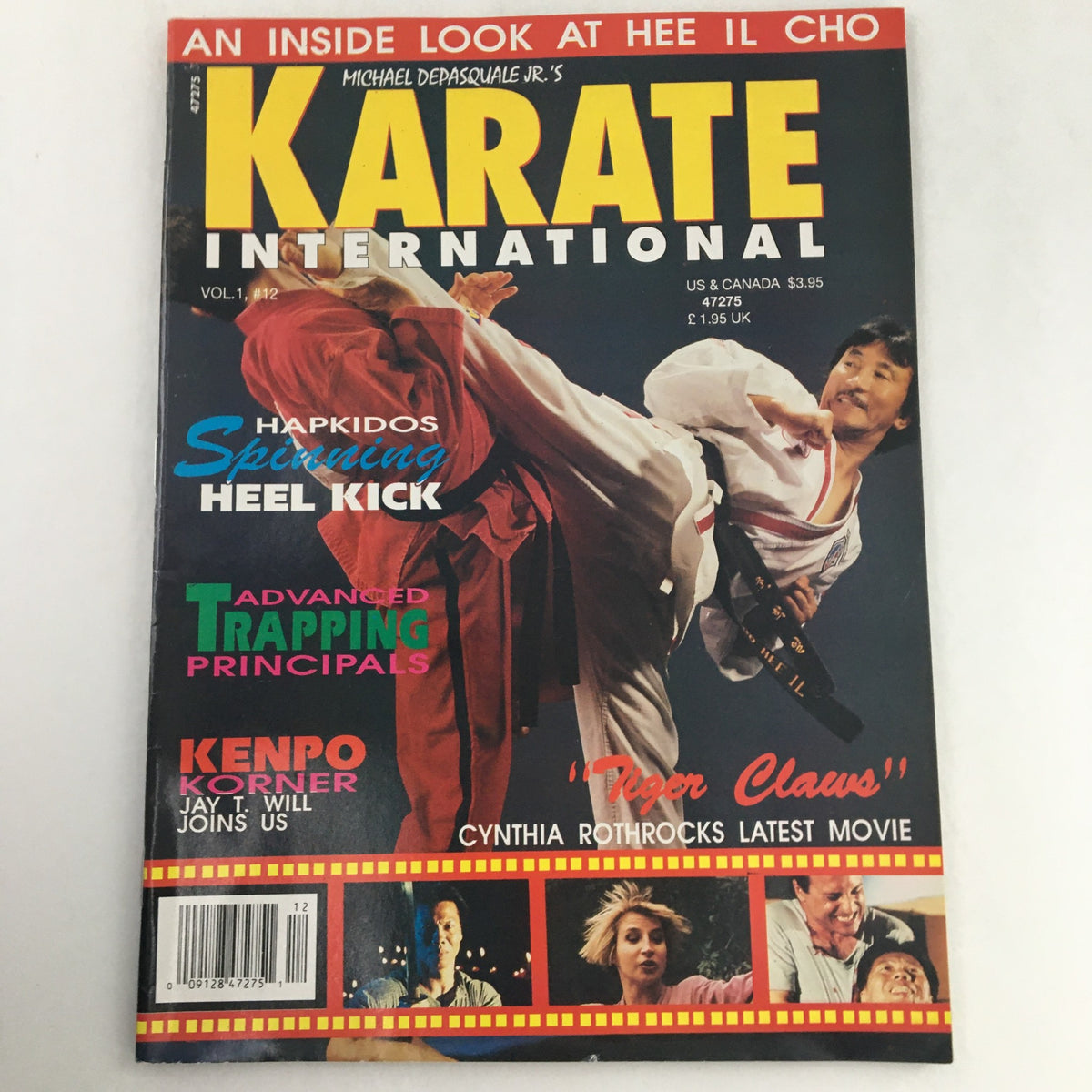
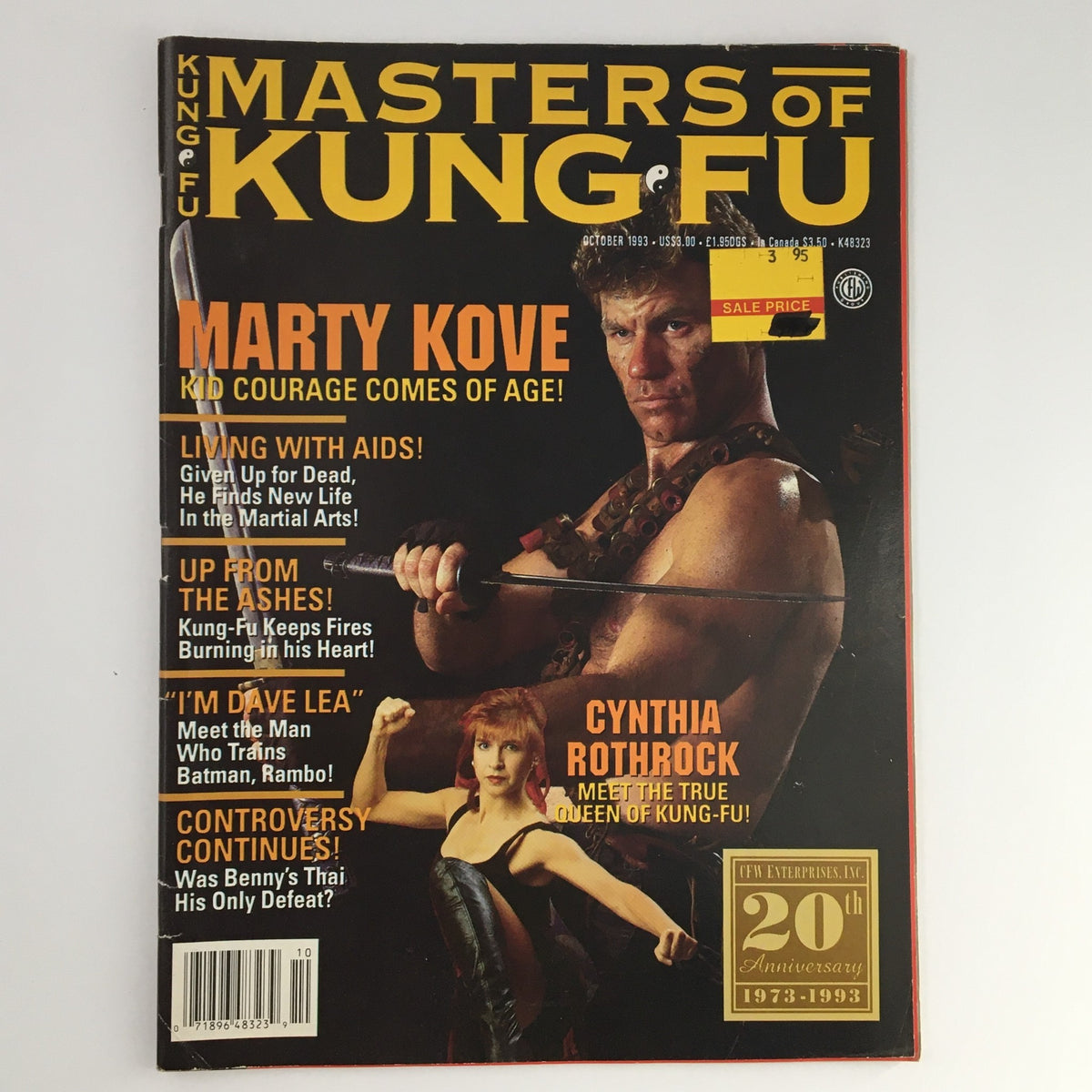
Long before the age of algorithmic fame and viral moments, Cynthia Rothrock built an empire one printed page at a time. Rising to international stardom in the mid-1980s, she became the first Western woman to conquer the Hong Kong martial arts film industry — a market that had, until her arrival, reserved its pedestals exclusively for men. With five black belts and a competition record that bordered on myth, she was not a novelty; she was a phenomenon. In an era when audiences received their entertainment news through glossy covers and ink-stained fingers, her image — fierce, athletic, and radiantly self-possessed — landed on newsstands from Los Angeles to London to Kowloon. For fans who never attended a live tournament or a Hong Kong premiere, the magazine rack was the portal through which Rothrock entered their world. She was, in the truest sense, a print media creation: a legend assembled issue by issue, photograph by photograph, across a decade of breathless coverage.
Inside the Archive
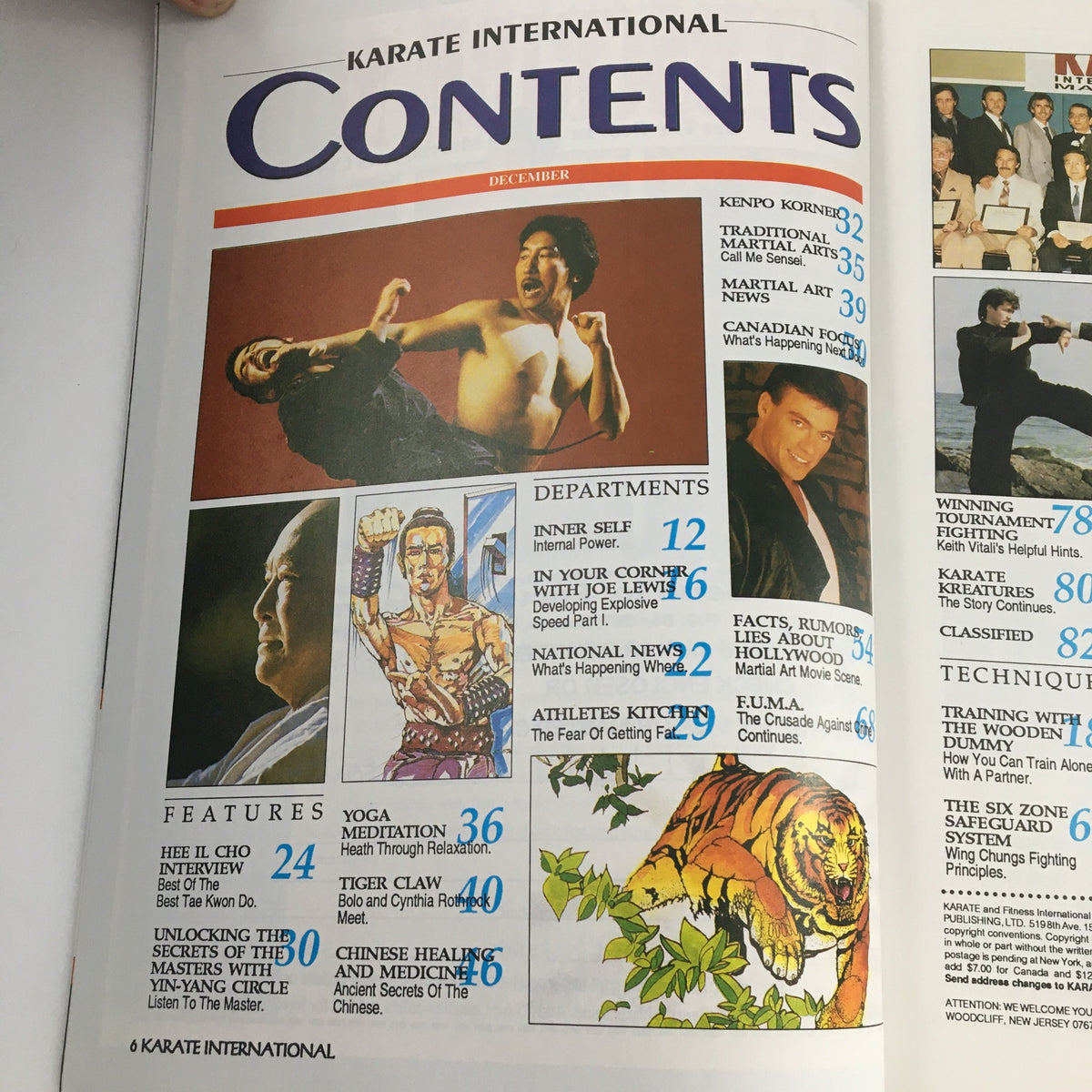
The publications that covered her during her peak years understood instinctively that they were documenting something unprecedented. Martial arts and action cinema magazines of the 1980s and early 1990s — titles such as Black Belt, Inside Kung-Fu, and Martial Arts Illustrated — devoted lavish editorial space to the trailblazing fighter, commissioning dynamic action photography that showcased both her technical precision and her cinematic charisma. The photography of this era had a particular visual grammar: high-contrast stills captured mid-kick, behind-the-scenes production shots from her Hong Kong film sets, and formal portrait sessions that balanced glamour with power in a way the industry had rarely attempted with a female subject. The editorial tone was one of barely contained astonishment — writers struggled to situate her within a tradition that she was, in real time, inventing. Beyond the specialist press, she surfaced in broader entertainment and pop culture outlets as her American film career gained momentum in the early 1990s, making her one of the few martial artists of her generation to command coverage across multiple publishing genres simultaneously.
Curator's Checklist: Highlights Often Include
- Championship & Tournament Coverage — Early issues from the mid-1970s through the early 1980s frequently document her dominance on the sport karate circuit, including her consecutive World Karate Championship titles, often accompanied by competition photography and technical breakdowns of her fighting style.
- Hong Kong Film Era Features — Coverage from the mid-to-late 1980s tied to productions such as Yes, Madam and Righting Wrongs often includes on-set interviews, co-star profiles alongside Sammo Hung and Michelle Yeoh, and editorial pieces examining the novelty of a Western woman headlining Asian action cinema.
- American Action Cinema Profiles — As her Hollywood career accelerated through the early 1990s with the China O'Brien series and subsequent direct-to-video releases, domestic entertainment and action genre publications frequently ran career retrospectives and new film previews positioning her as the foremost female action star of her generation.
- Instructional & Technique Spotlights — Martial arts publications of the era regularly featured her in a pedagogical capacity — breaking down forms, demonstrating weapons techniques, or discussing the philosophy of competitive training — lending her coverage an authoritative, almost archival dimension.
- Pioneer & "First" Narratives — As awareness of her barrier-breaking status grew, the collector may encounter think-pieces and broader cultural profiles framing her explicitly as a trailblazer for women in action cinema and combat sports, a framing that grew more prominent as the 1990s progressed.
The Collector's Value
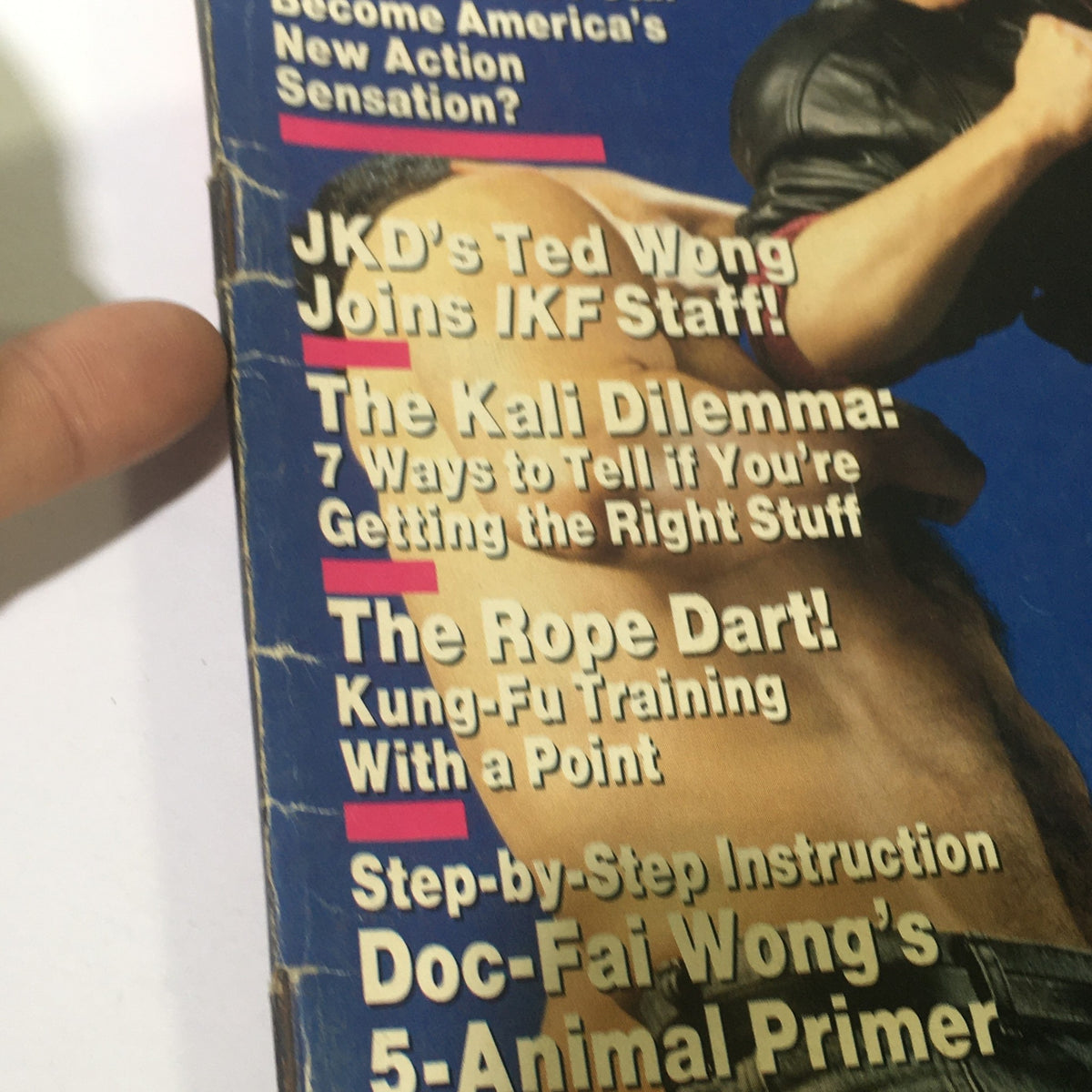
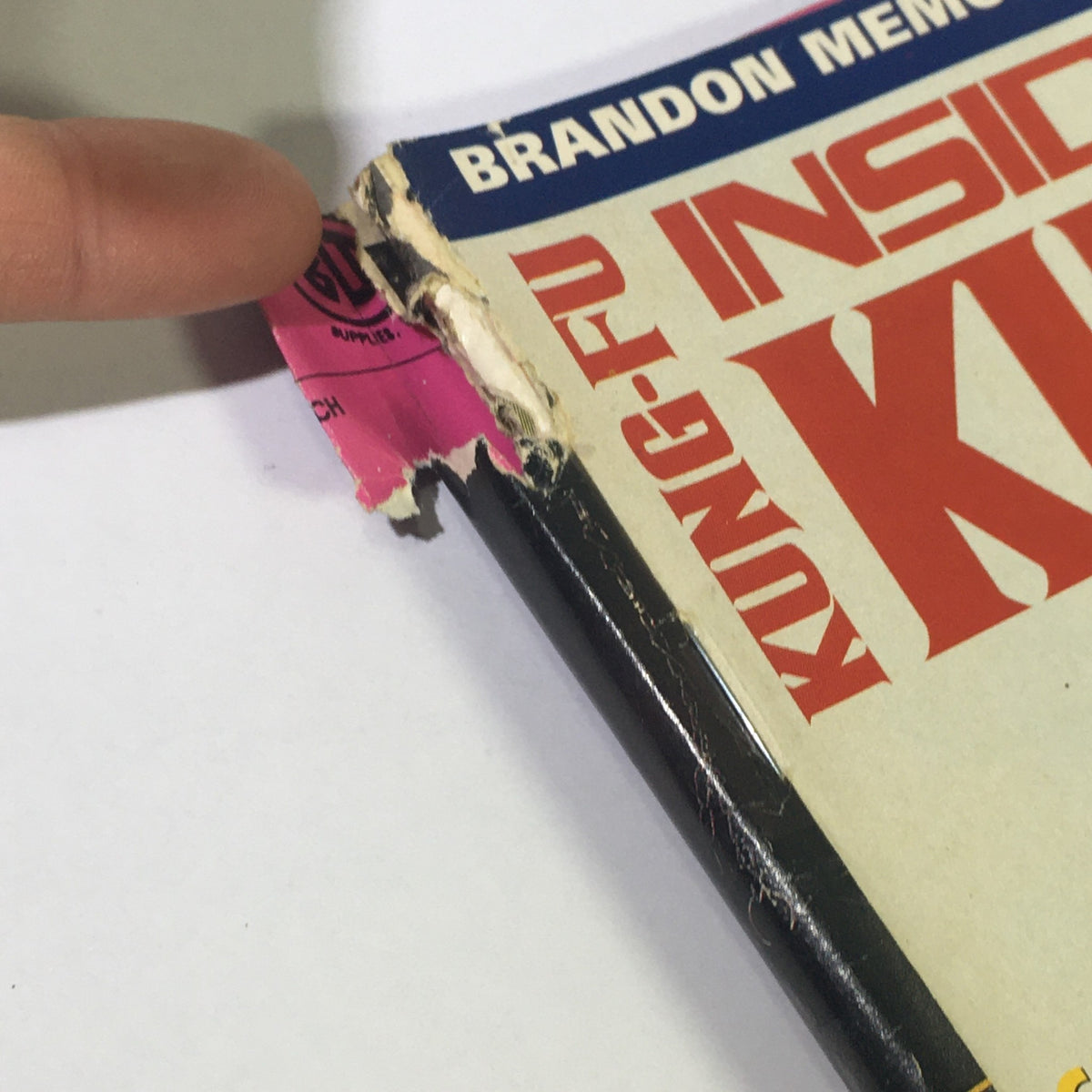
There is something irreplaceable about holding one of these original issues in your hands — feeling the particular weight of the coated stock favored by martial arts publications of the 1980s, the slight resistance of pages that have not been turned in decades, and catching that faint, distinctive perfume of aged ink and paper that no digital archive has ever successfully replicated. Surrounding her features, you will find the advertisements and cultural ephemera of the era itself: mail-order training equipment, VHS release announcements, tournament calendars for circuits that no longer exist — a complete time capsule of a world at the precise moment it was being made. These are primary sources, not reprints; artifacts of first encounter, not retrospective tribute. For collectors of martial arts history, 1980s and 1990s action cinema, or pioneering figures in women's sport and entertainment, these publications offer something that streaming services and Wikipedia entries fundamentally cannot — the unmediated texture of the era, preserved in print, exactly as it was first experienced. We invite you to explore the current available inventory below and claim your piece of this remarkable legacy.