


Description
Collector's Note – Why This Issue Matters
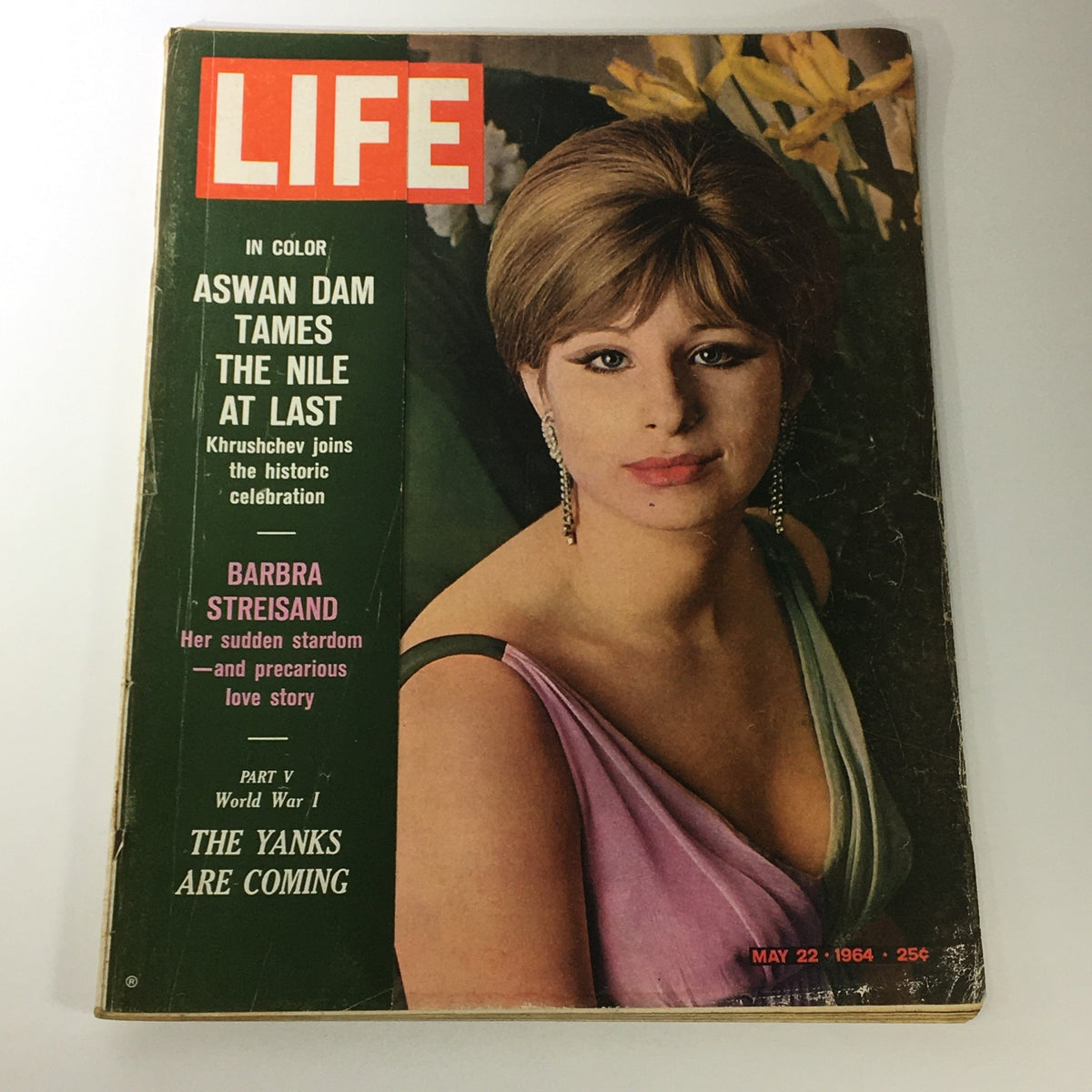
The May 22, 1964 issue of Life documents Barbra Streisand at the exact moment she crossed from rising Broadway curiosity into national phenomenon. Streisand had opened in Funny Girl at the Winter Garden Theatre on March 26, 1964, and by the time this issue reached newsstands less than two months later, she was already being treated by the national press as a fully arrived star rather than a promising newcomer. The cover and accompanying feature were shot by Milton H. Greene, a photographer already well known in entertainment circles for his earlier work with Marilyn Monroe, and the piece inside traced Streisand's improbable path from a self-described "loser" in Brooklyn's Flatbush neighborhood to the toast of Broadway at twenty-two. For collectors building out a Barbra Streisand magazine collection, this issue represents one of the earliest major national magazine treatments of Streisand at the height of her breakout moment, predating much of the saturation press coverage that would follow once Funny Girl became a defining cultural touchstone of the decade.
What makes the timing especially notable is how directly Life's narrative engaged with Streisand's own self-mythology. The piece leaned into the contrast between her unconventional looks and her undeniable talent, framing her as someone who had willed her way to stardom against considerable odds — a narrative Streisand herself was actively shaping in interviews of the period. This was also the same general stretch in which Streisand was drawing attention from figures like Frank Sinatra, who reportedly wrote to praise her performance, underscoring just how quickly her reputation had spread beyond Broadway insiders to the upper tier of American entertainment. The issue captures a narrow and historically interesting window: Streisand was famous enough to warrant a national cover story, but young enough, and recent enough to her stage debut, that the coverage still carried the breathless quality of a discovery story rather than an established-star profile.
The issue also arrived during a particularly newsworthy stretch for Life itself and for American current events more broadly, with the magazine's reporting that week extending into the political and judicial sphere alongside its entertainment coverage. For collectors mapping the cultural landscape of the period more broadly, the 1964 magazines collection offers useful context for how the era's major weeklies were covering entertainment, politics, and society side by side.
About the Publication
Life was one of the most widely circulated and culturally influential American magazines of the twentieth century, known for its large-format photojournalism and its role in defining how mid-century Americans visually experienced news, culture, and celebrity. By 1964, the magazine had been publishing in its modern photo-essay format for nearly three decades, reaching a broad, mainstream readership that spanned politics, science, entertainment, and everyday American life within a single weekly issue. Its editorial format combined extensive photography with substantial feature writing, and a cover story in Life carried considerable cultural weight, often functioning as a marker that its subject had entered the mainstream of American public consciousness.
Key Highlights Inside
- Cover and feature photography by Milton H. Greene: A cover story tracing Barbra Streisand's rise from Brooklyn to Broadway stardom in Funny Girl, accompanied by an extended inside spread of photographs.
- Profile centered on Streisand's Funny Girl breakthrough: The feature recounts her path from a difficult, uncertain start in show business to her star turn as Fanny Brice, framing her as an unlikely success story.
- Coverage reflecting Streisand's rapid mainstream arrival: The piece situates Streisand within the broader entertainment conversation of spring 1964, capturing the early, breathless phase of her national fame.
- 132-page issue: A full-length weekly edition consistent with Life's standard format of the period, combining photojournalism, feature writing, and contemporary news coverage.
- Newsstand edition, no address label: Distributed without a subscriber label, leaving the Streisand cover image clean and unobscured.
Condition & Rarity
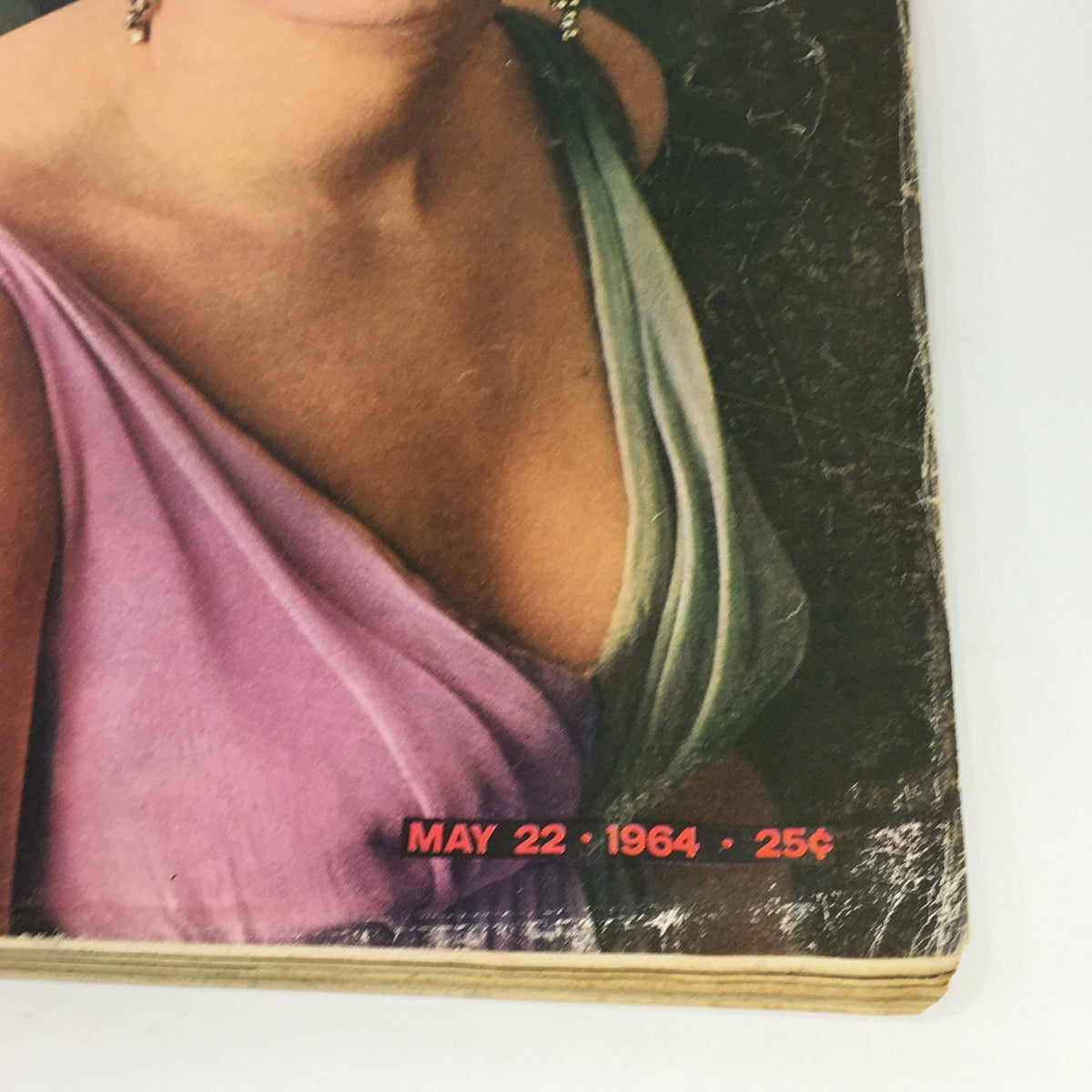
An issue of this age described as being in good condition with minor wear on the edges, occasional rips, and marks falls within the expected range for a sixty-plus-year-old large-format weekly newsstand magazine. Life's oversized page format and high page count made it especially prone to edge wear, spine softening, and minor tears at the corners through ordinary handling, so light damage of this kind is generally read by collectors as evidence of authentic period circulation rather than poor care. The absence of an address label confirms newsstand rather than subscription origin, which collectors typically favor because it leaves the cover photograph fully intact without a printed mailing panel. A plastic protective covering indicates an effort to slow further deterioration, though it does not by itself establish a specific grade; collectors generally still want to know the state of the spine, the completeness of interior pages, and whether any pages have separated from the staple binding before assessing overall condition. Because Life was printed and distributed at enormous scale and intended for disposable weekly consumption, the existence of any well-preserved cover-story issue from this period — particularly one tied to a culturally significant subject like an emerging Streisand — owes as much to incidental survival as to deliberate archiving.
Looking for More Issues Like This?
A May 22, 1964 Life with Barbra Streisand on the cover, photographed by Milton H. Greene at the height of her Funny Girl breakthrough, sits among the more historically significant early Streisand cover stories, and issues like it can be genuinely difficult to track down in well-preserved condition. The Barbra Streisand magazine collection is the most direct place to look for other issues documenting her career across the decades. The Life magazine collection offers a broader view of the title's run, and the 1964 magazines collection is worth a look as well for collectors interested in the wider cultural and news landscape of that particular year.