



Description
Collector's Note – Why This Issue Matters
The April 1995 issue of Inside Kung Fu magazine captures a martial-arts culture in transition. The listing identifies Royce Gracie, Cynthia Rothrock, and Chi Sau as key subjects, which places the issue at the intersection of early mixed martial arts, martial-arts cinema, and traditional Chinese training practice. In 1995, Gracie’s name carried enormous weight because Brazilian jiu-jitsu had recently forced many martial artists to reconsider assumptions about distance, grappling, and real-world effectiveness. His presence in a kung fu-oriented magazine reflects the broader mid-1990s conversation about which methods worked, how systems should be tested, and how traditional arts could respond to the new visibility of mixed-style competition. That tension gives the issue historical value beyond any single article, because it documents a moment when old and new martial-arts frameworks were being compared in public.
Cynthia Rothrock brings a different but equally important collector context. By the 1980s and 1990s, she had become one of the most recognizable women in martial-arts cinema, with a reputation built on competitive forms, screen fighting, and action-film visibility in both Hong Kong and American productions. For collectors researching her print appearances, this issue belongs naturally within the archive of Cynthia Rothrock magazine features and covers. Her appearance alongside Royce Gracie in the same issue shows how martial-arts magazines of the period could move between film culture, combat-sport credibility, and traditional training subjects without treating them as separate worlds. It also reflects Rothrock’s unusual position in martial-arts media: she was not simply a screen personality, but a performer whose legitimacy was tied to real martial training and competitive accomplishment.
The Chi Sau reference gives the issue a specifically kung fu-centered significance. Chi Sau, often translated as “sticky hands,” is closely associated with Wing Chun training and is used to develop sensitivity, structure, contact reflexes, and close-range control. Its inclusion in an April 1995 issue reinforces the magazine’s role as a bridge between practical technique, lineage-based instruction, and contemporary martial-arts debate. Within the wider field of Inside Kung Fu magazine back issues and magazines published in 1995, this issue is especially useful for understanding how traditional kung fu training was being discussed during the same period that mixed martial arts was changing the public conversation. It stands as a compact record of the mid-1990s martial-arts media landscape, where readers could encounter grappling revolution, kung fu technique, and action-film stardom in the same publication.
About the Publication
Inside Kung Fu was an American martial-arts magazine founded in the 1970s and known for covering Chinese martial arts, kung fu systems, instructors, self-defense, weapons, martial philosophy, tournament culture, and action-film personalities. Its readership included students, instructors, school owners, collectors, martial-arts film fans, and practitioners interested in both technique and cultural background. By the mid-1990s, the magazine occupied an important position in martial-arts publishing because it had to speak to readers who valued traditional kung fu while also acknowledging the rapid rise of mixed martial arts and new public debates about effectiveness. Its editorial identity was rooted in specialist martial-arts culture rather than general entertainment, which makes surviving issues useful as printed records of how systems, personalities, training methods, and controversies were presented to serious readers before online forums and video platforms became dominant. The magazine also helped preserve coverage of instructors, methods, and stylistic debates that might otherwise have remained scattered across schools, seminars, and regional martial-arts communities. For collectors, that makes Inside Kung Fu back issues especially valuable as cultural documents as well as martial-arts references.
Key Highlights Inside
- April 1995 issue of Inside Kung Fu magazine, a specialist martial-arts publication with strong collector interest among kung fu practitioners and historians.
- Identified in the listing as featuring Royce Gracie, connecting the issue to the early mixed martial arts era and the growing influence of Brazilian jiu-jitsu in the 1990s.
- Features Cynthia Rothrock, a major martial-arts film figure whose career connected competitive martial arts, Hong Kong cinema, and American action films.
- Includes an exploration of Chi Sau, a training method commonly associated with Wing Chun and close-range sensitivity development.
- Reflects a period when traditional kung fu, action-film celebrity, and mixed martial arts were all part of the same specialist magazine conversation.
- Documents the broader mid-1990s martial-arts climate, when readers were increasingly comparing traditional systems with emerging mixed-style competition.
- Useful for collectors interested in how martial-arts magazines balanced technique instruction, personality coverage, and cultural commentary during the 1990s.
- Specific article titles, interview text, and complete interior contents are not confirmed from the listing, so the issue should be evaluated from the stated date, publication, named subjects, and listed Chi Sau topic.
Condition & Rarity
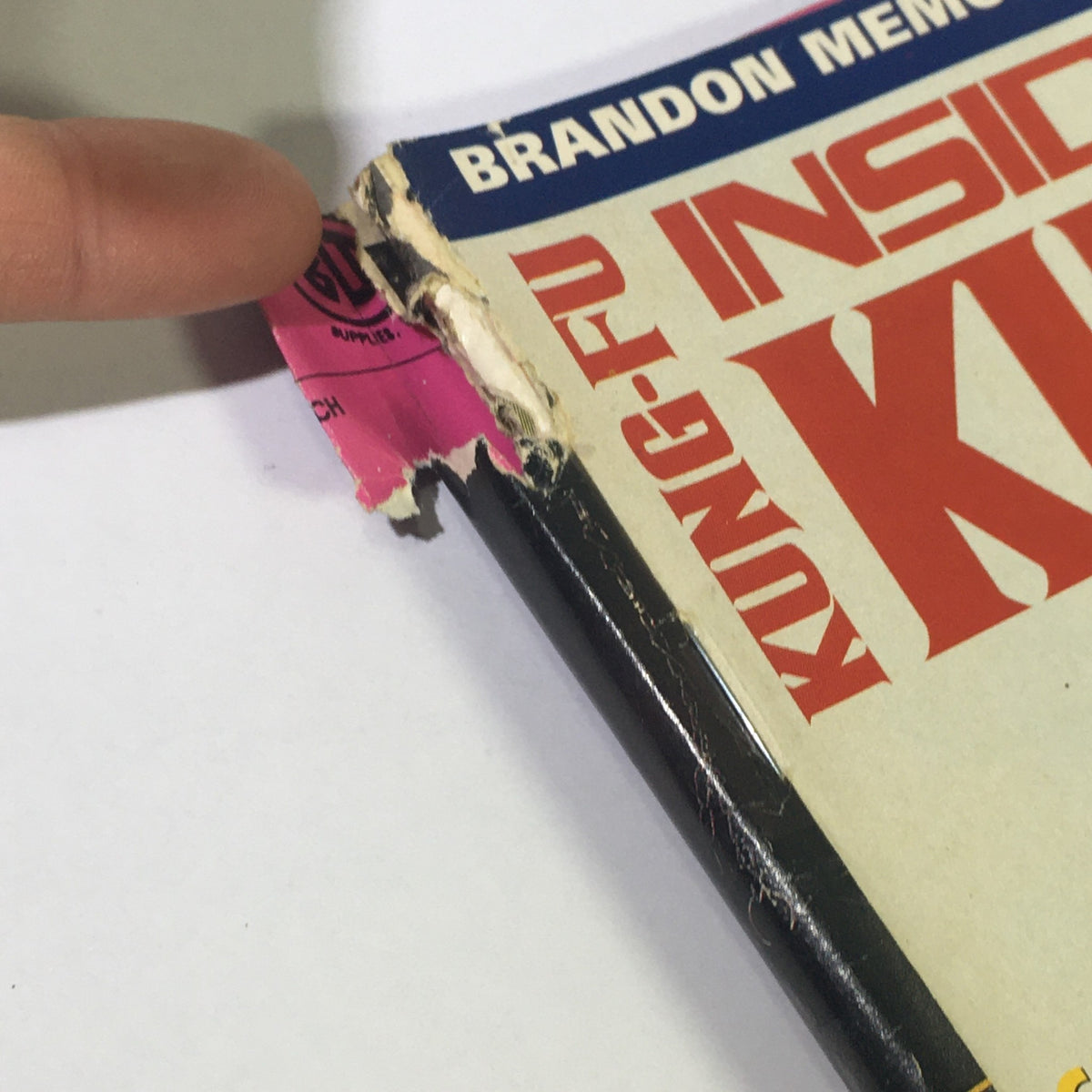
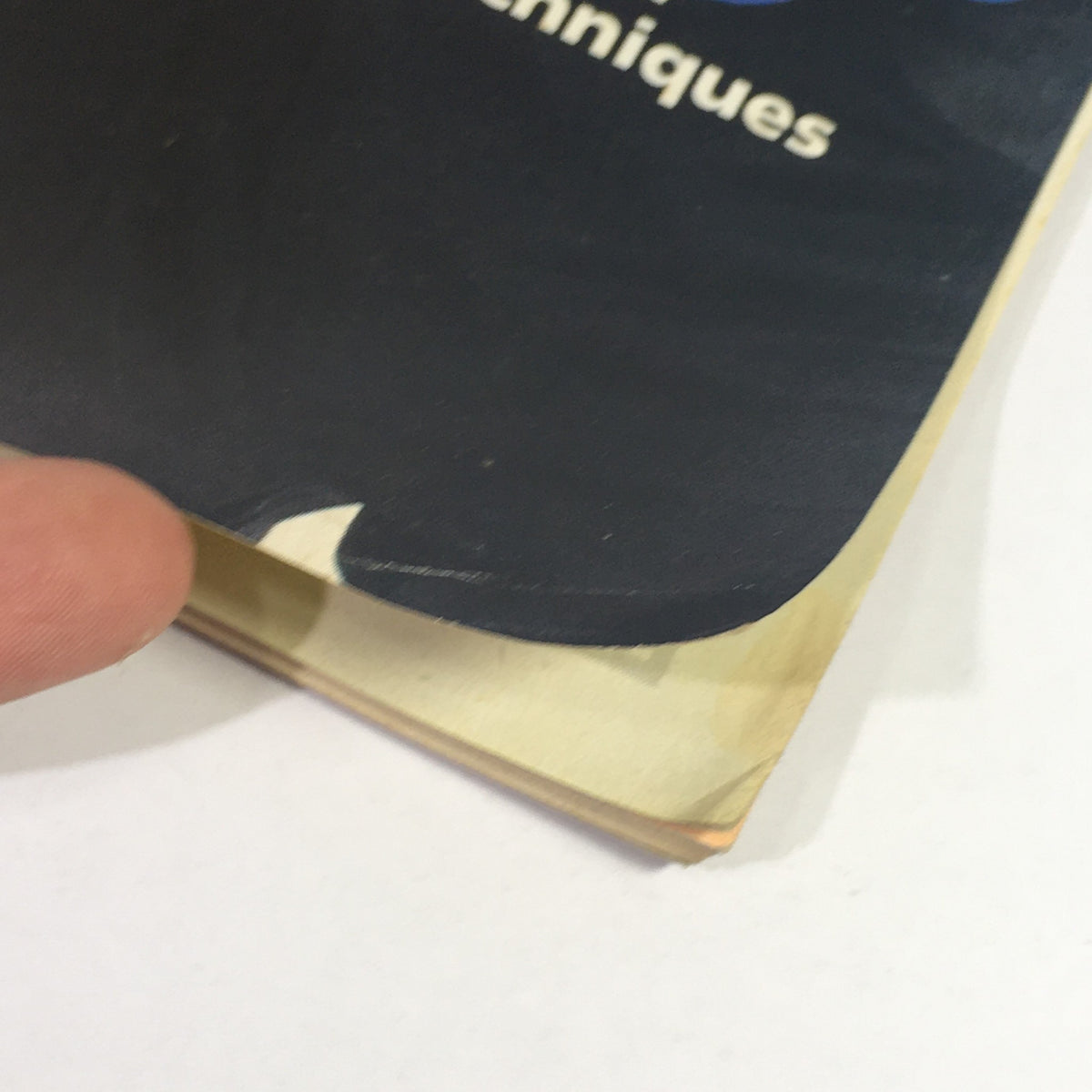
Collector evaluation for this issue should note the described good used condition, with minor wear consistent with age, including slight marks, edge wear, and some rips noted in the listing. The protective plastic covering is relevant for storage and handling, though condition grading should focus on the magazine itself: cover surface, spine stability, page completeness, interior cleanliness, paper toning, tears, creases, markings, and any looseness around the staples. Martial-arts magazines from the 1990s were often read actively by students and instructors, sometimes used as training references rather than preserved as archival objects. That usage pattern makes complete interiors and stable bindings especially important for collector and research value. Copies with visible wear can still remain significant when the named subjects are historically important and the magazine retains its full readable content. Collectors should also check whether any technique pages, photographs, or advertisements have been clipped, since martial-arts magazines were sometimes used practically rather than stored untouched. In an issue associated with Royce Gracie, Cynthia Rothrock, and Chi Sau, completeness matters because the reference value depends on preserving the full context in which those subjects appeared.
Looking for More Issues Like This?
Issues that bring together Royce Gracie, Cynthia Rothrock, and traditional kung fu training topics can be difficult to contextualize without comparing them to related martial-arts magazines from the same period. Collectors interested in similar material may want to browse Cynthia Rothrock magazine appearances, the broader Inside Kung Fu magazine collection, or other titles from the 1995 magazine collection. Together, those archives help show how film stars, fighting systems, and the early mixed martial arts conversation overlapped in mid-1990s martial-arts publishing. They are also useful for comparing how different issues treated kung fu instruction, celebrity martial artists, and the changing standards of martial effectiveness during the decade.