📖 About this Collection
John Gotti: The Don in Print — Power, Myth, and the Headlines That Made a Legend
The Legend & The Legacy
In an era before social media algorithms and round-the-clock cable news cycles, the American public's understanding of John Gotti — the Gambino crime family boss who rose from the streets of East New York to become the most recognizable mob figure since Al Capone — was shaped almost entirely by the printed page. Through the 1980s and into the early 1990s, newsstand readers watched the saga unfold issue by issue: the brazen 1985 murder of Paul Castellano outside Sparks Steak House, the theatrical courtroom acquittals that earned him the name "The Teflon Don," and the tabloid-ready image of a man who seemed to relish the spotlight in a world that demanded shadows. He was a paradox the press could not resist — a silk-suited crime boss who threw block parties in Howard Beach, waved to cameras, and treated federal indictments like inconveniences. Long before true crime became a genre unto itself, Gotti was its unlikely, dangerous star, serialized across glossy covers and ink-stained tabloid spreads for a fascinated, unsettled nation.
Inside the Archive
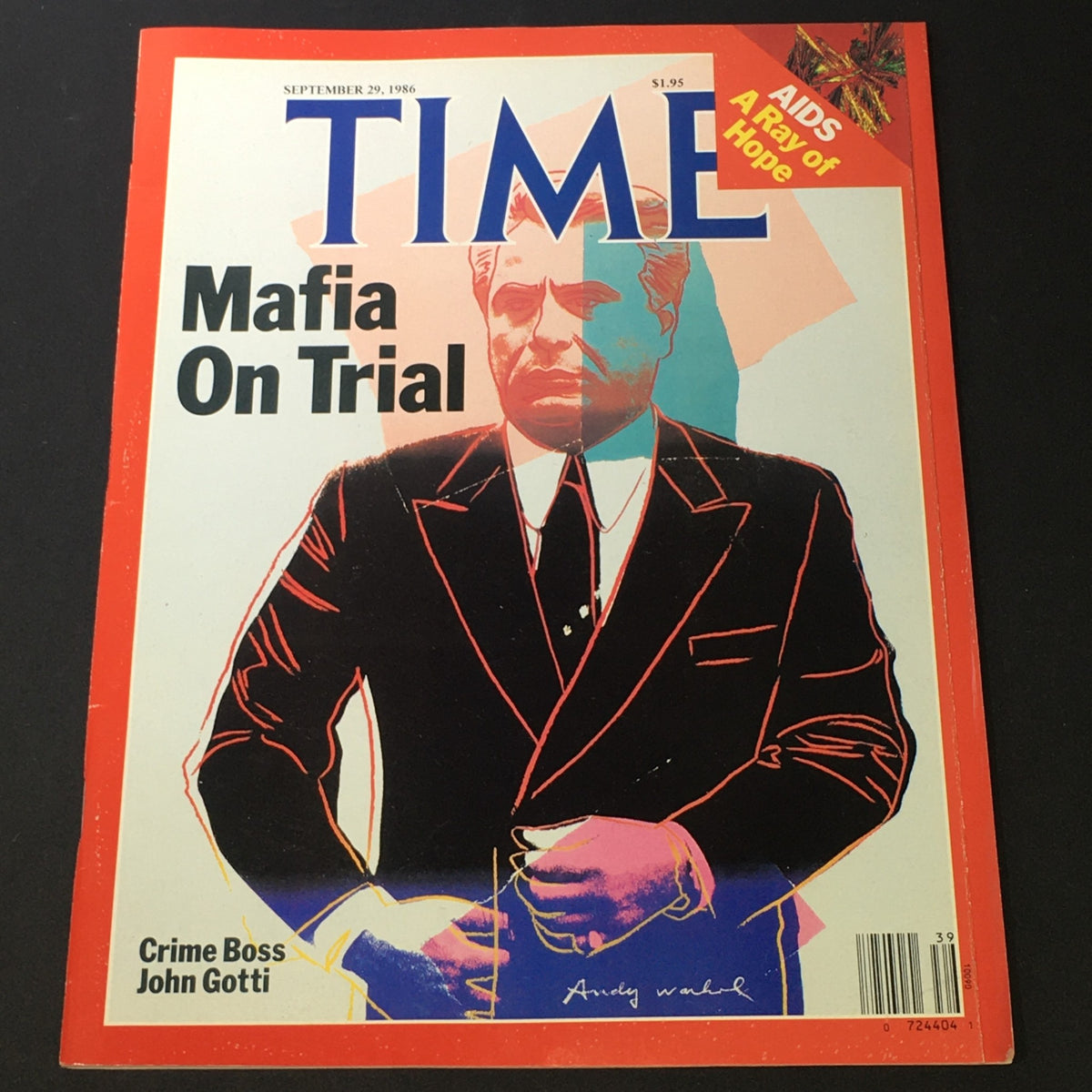
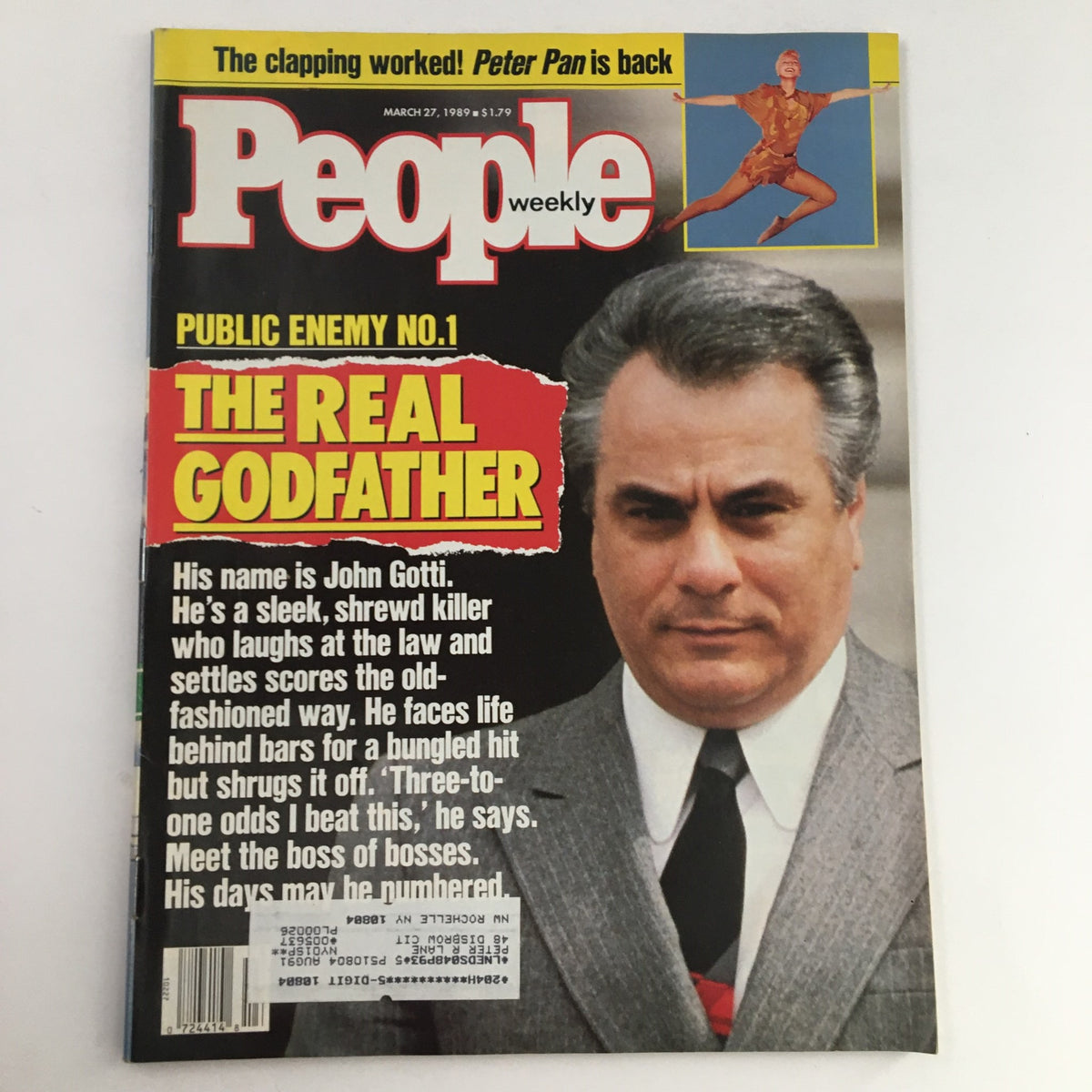
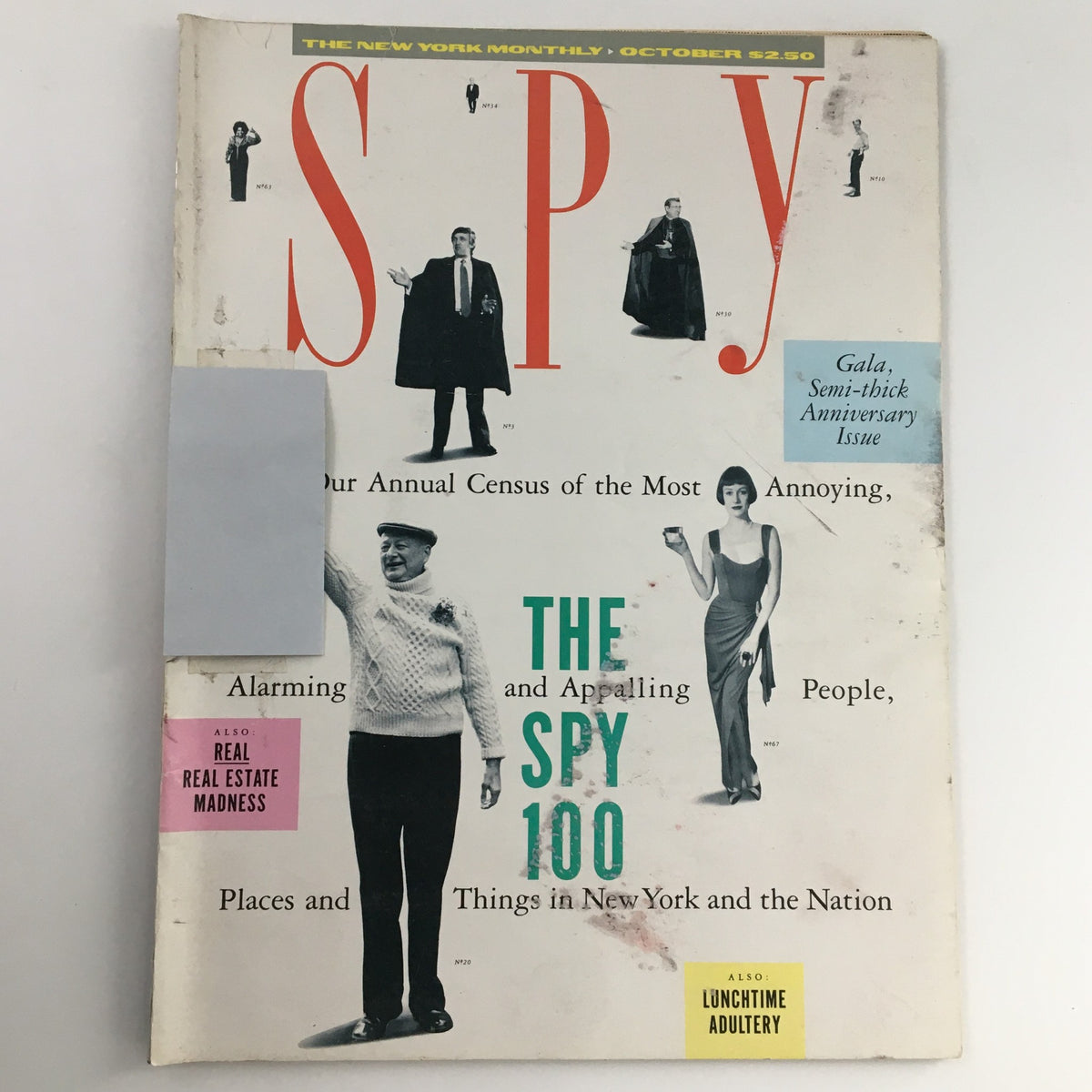
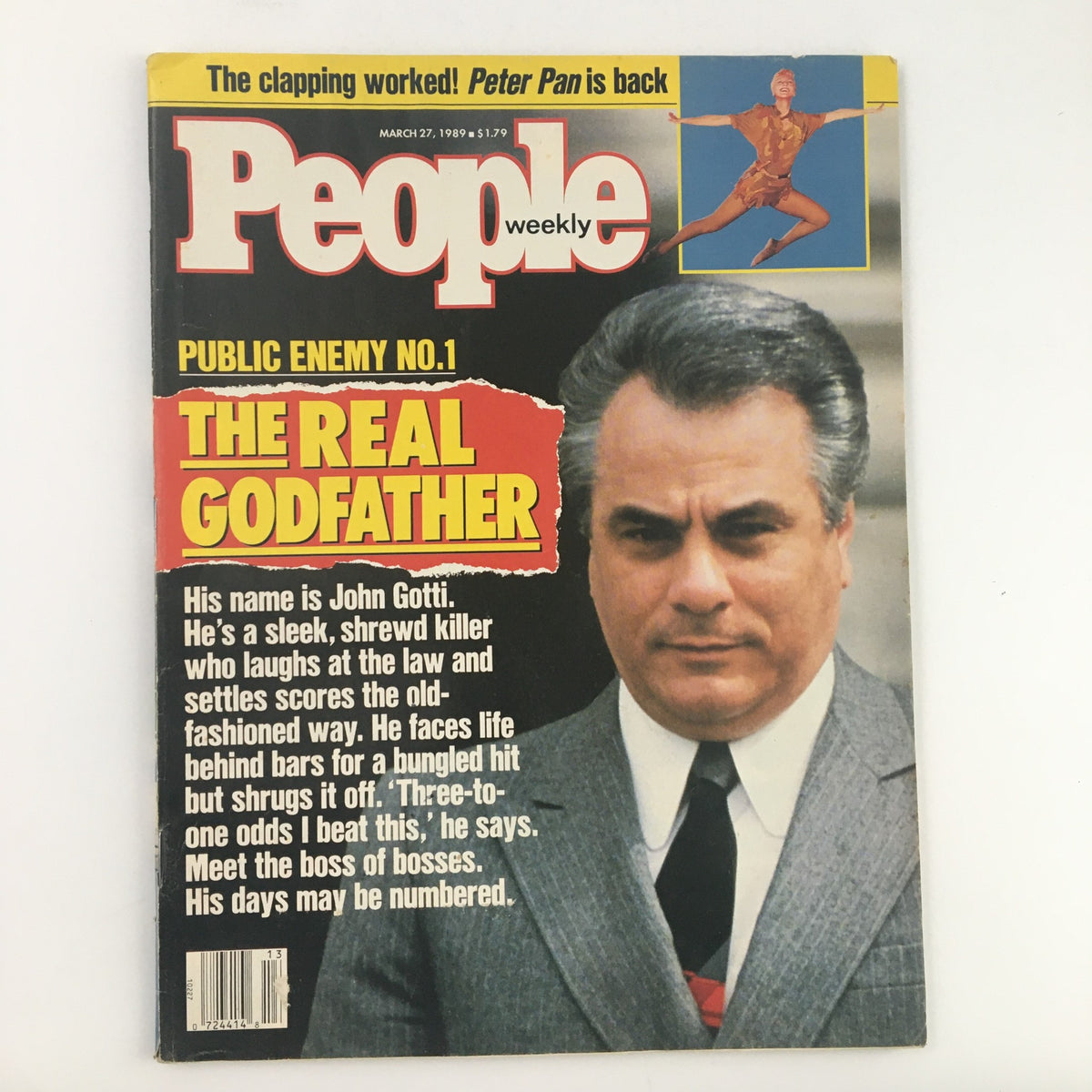
Vintage magazines and periodicals of the Gotti era captured him with a visual intensity that no digital archive can replicate. Crime and news photographers stationed outside the Ravenite Social Club in Little Italy produced some of the most iconic street portraiture of the decade — images of the Don in his double-breasted Brioni suits, silver hair immaculate, projecting a patrician confidence wholly at odds with the charges being leveled against him. Time and Newsweek were among his most dedicated chroniclers, running major features during the high-water marks of his trials, framing him alternately as a folk anti-hero and a symbol of American organized crime's stubborn persistence. People magazine brought his story into living rooms across the country, contextualizing him within the pop culture moment of Reagan-era America, while the Village Voice and investigative-leaning periodicals offered deeper, more skeptical dives into the FBI's long pursuit of the Gambino hierarchy. International publications, particularly Italian newsweeklies and British titles fascinated by the mythology of American gangsterism, also devoted considerable ink to the man the tabloids had made into something close to a celebrity criminal.
Curator's Checklist: Highlights Often Include
- Trial Coverage Issues — Publications from the mid-1980s through the early 1990s frequently document the landmark federal RICO trials, the dramatic courtroom acquittals, and the eventual 1992 conviction that ended the Teflon Don era, often with striking courtroom sketch illustrations and in-depth legal analysis.
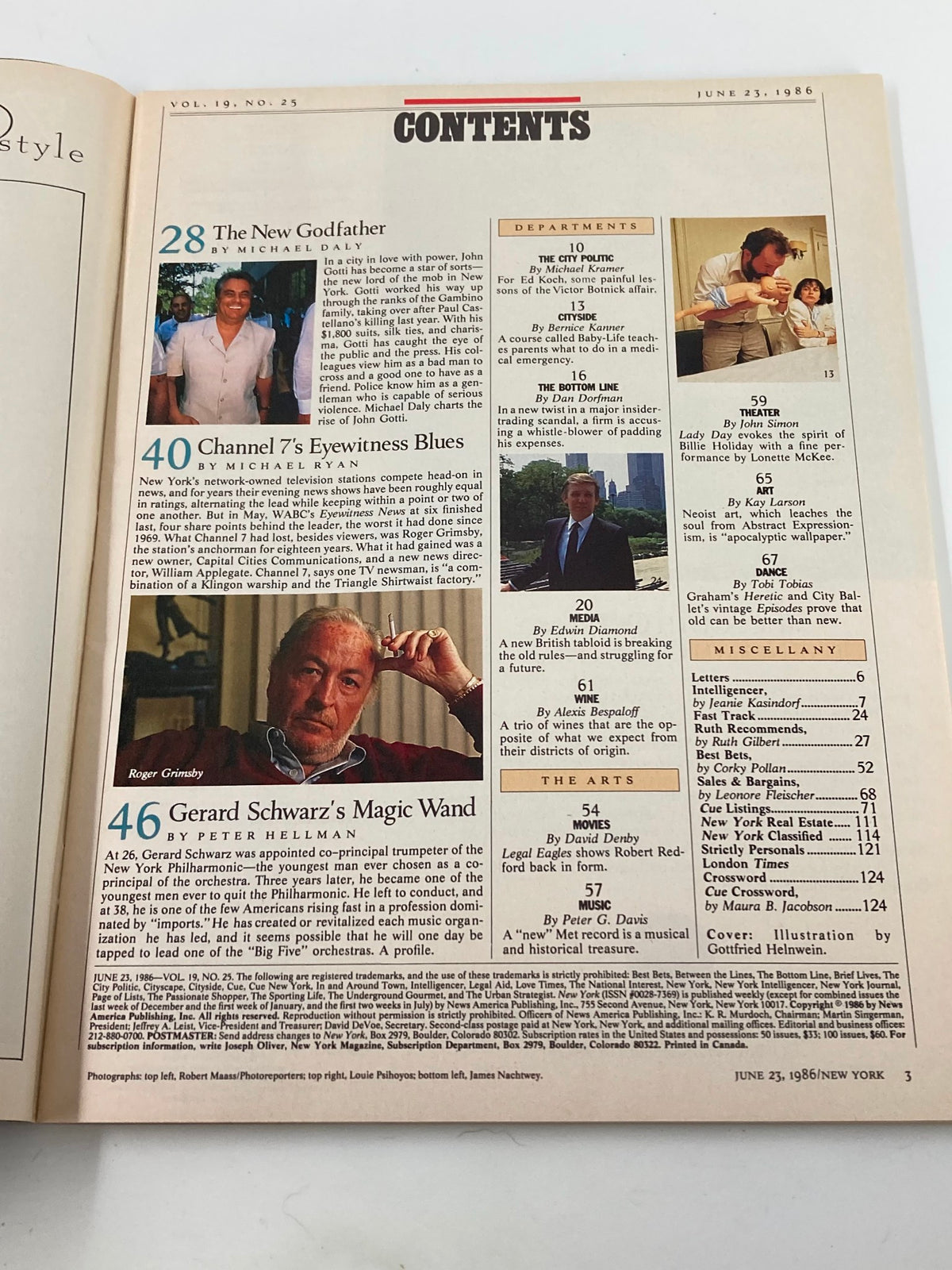
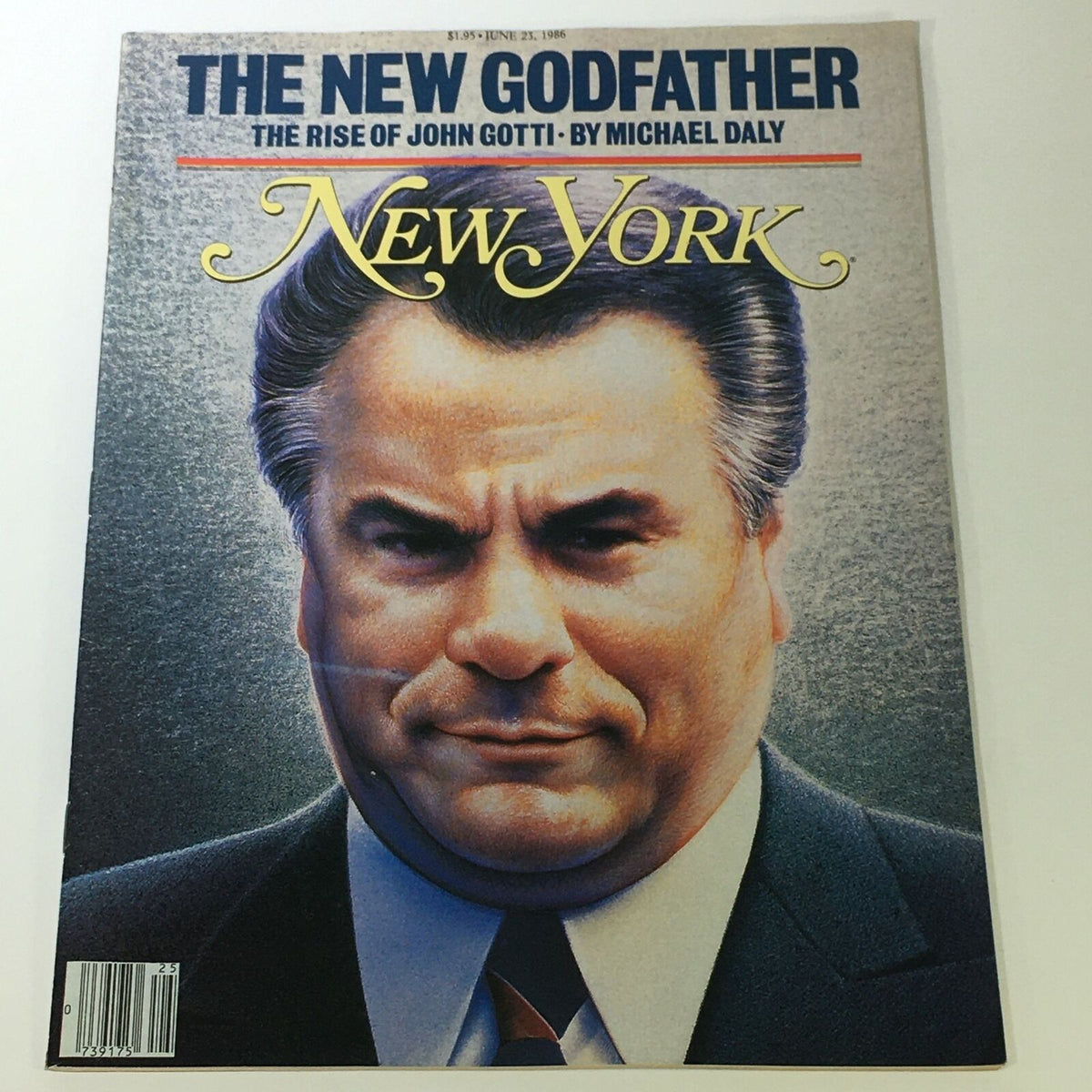
- The Castellano Assassination & Rise to Power — Coverage from late 1985 and 1986 often traces the seismic power shift within the Gambino family, with investigative features examining how an ambitious capo staged a coup that shocked even the FBI.
- FBI & Law Enforcement Features — Periodicals of the era regularly produced companion pieces profiling the federal agents and prosecutors — figures like Rudy Giuliani — who made dismantling the Five Families a national priority, providing essential historical context for the full arc of the story.
- Organized Crime in America Retrospectives — Broad cultural features in major monthly magazines often situated Gotti within the longer history of the American Mafia, running vivid photo essays on mob culture, Little Italy, and the Gambino family's reach into New York life.
- Pop Culture & Media Reflection Pieces — By the late 1980s, several publications began examining the unsettling phenomenon of Gotti's celebrity itself — why America was captivated, what his tailored image said about the culture, and how the press itself had contributed to his mythology.
The Collector's Value
To hold one of these original issues today is to handle a primary document of one of the most riveting criminal sagas in modern American history — and the experience is irreducibly physical. The slightly waxy resistance of a late-1980s Newsweek cover stock, the particular mustiness of ink and coated paper that no digital scan can simulate, the full-page advertisements for products long discontinued that frame the editorial content and anchor the reader unmistakably in time — these are the details that transform a magazine from a mere object into a portal. The surrounding cultural noise of those advertisements, the hairstyles in the fashion spreads, the anxious Cold War–era editorials sharing pages with Gotti's latest acquittal — all of it conspires to restore the original shock and spectacle of the story as it was actually experienced. For collectors of true crime history, New York City cultural ephemera, or mid-to-late 20th-century American journalism, these publications offer something no streaming documentary or podcast ever can: the unmediated, ink-on-paper record of a nation watching, in real time, and not quite knowing what to make of what it saw. Explore the current available inventory below and find the issue that belongs in your collection.