📖 About this Collection
Montgomery Clift: A Soul Too Sensitive for the World That Adored Him
The Legend & The Legacy
Montgomery Clift arrived in Hollywood at the precise moment America was ready to be unsettled. In an era dominated by broad-shouldered certainty — by the square-jawed heroism of Cooper and Gable — this brooding, intellectually restless actor introduced something the screen had rarely seen: genuine psychological interiority. His performances in A Place in the Sun, From Here to Eternity, and The Heiress weren't merely acting; they were confessions. The public consumed his story voraciously through print, because print was the only window they had. Fan magazines, trade weeklies, and glossy pictorials were the sole conduit between a mesmerized audience and this deeply private, deeply complicated man. Long before gossip became instantaneous, readers would wait weeks for the next issue of a magazine to arrive — searching for clues to who he really was beneath the beauty and the talent, sensing, somehow, that the story was more layered than anyone was willing to print.
Inside the Archive
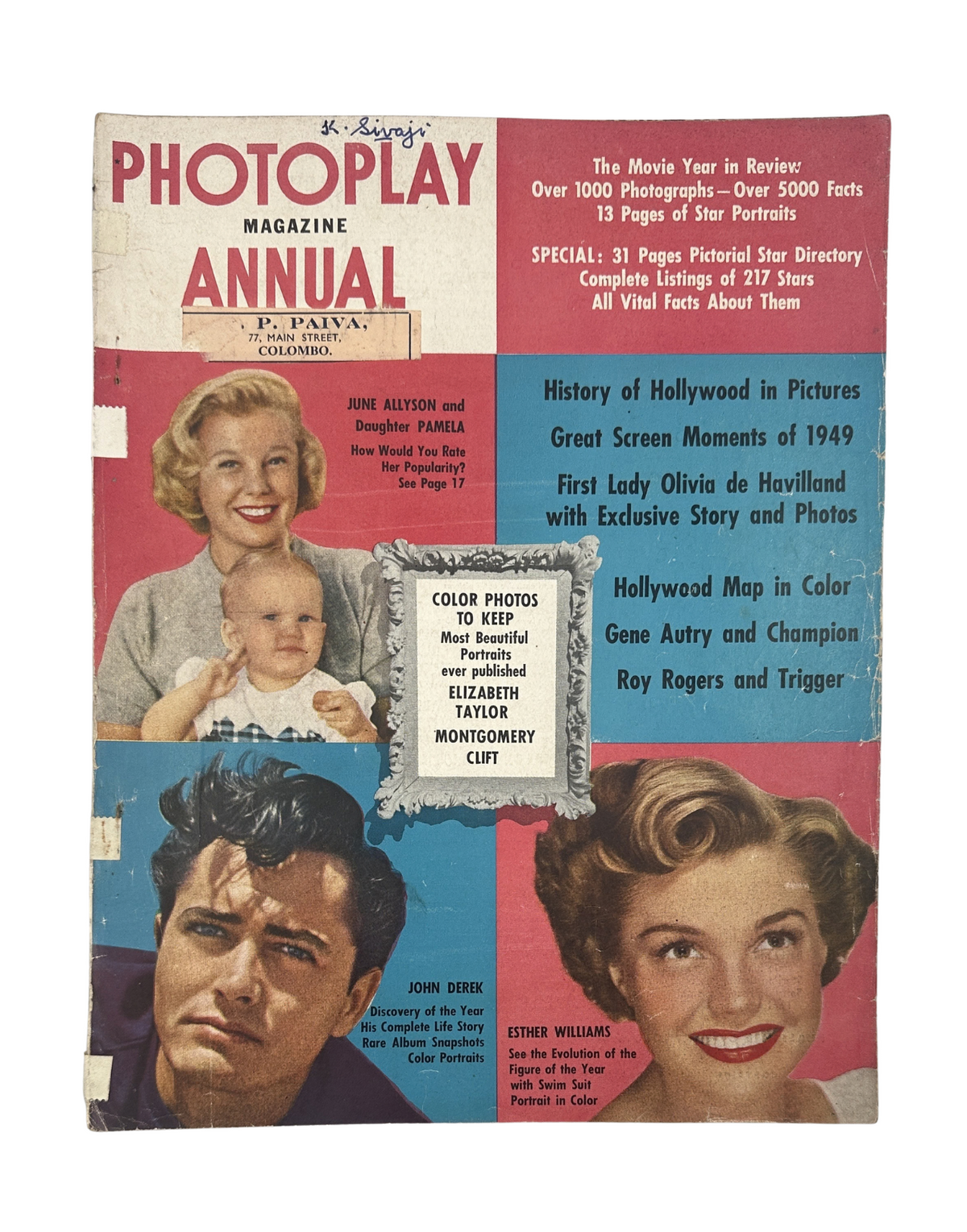
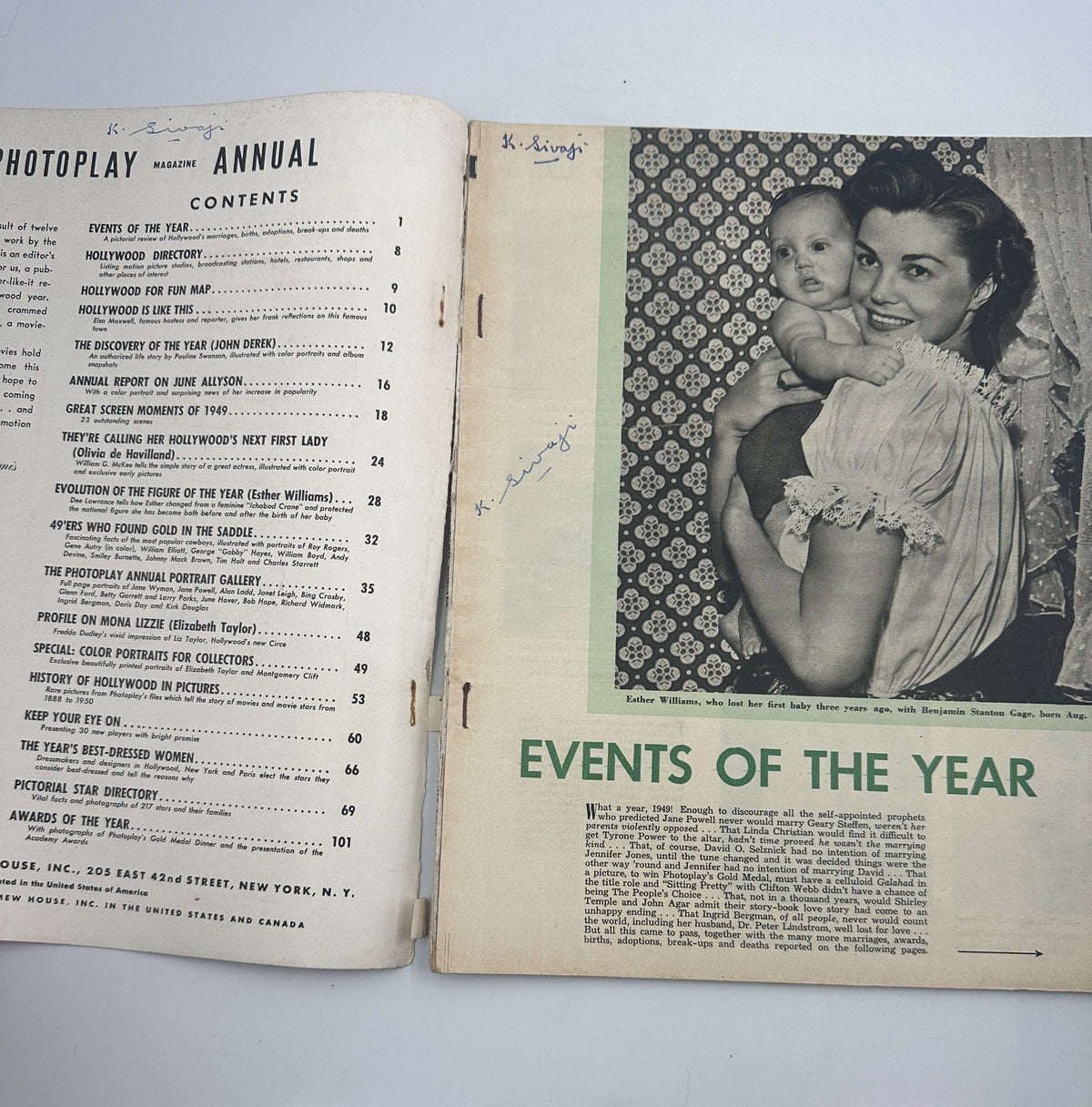
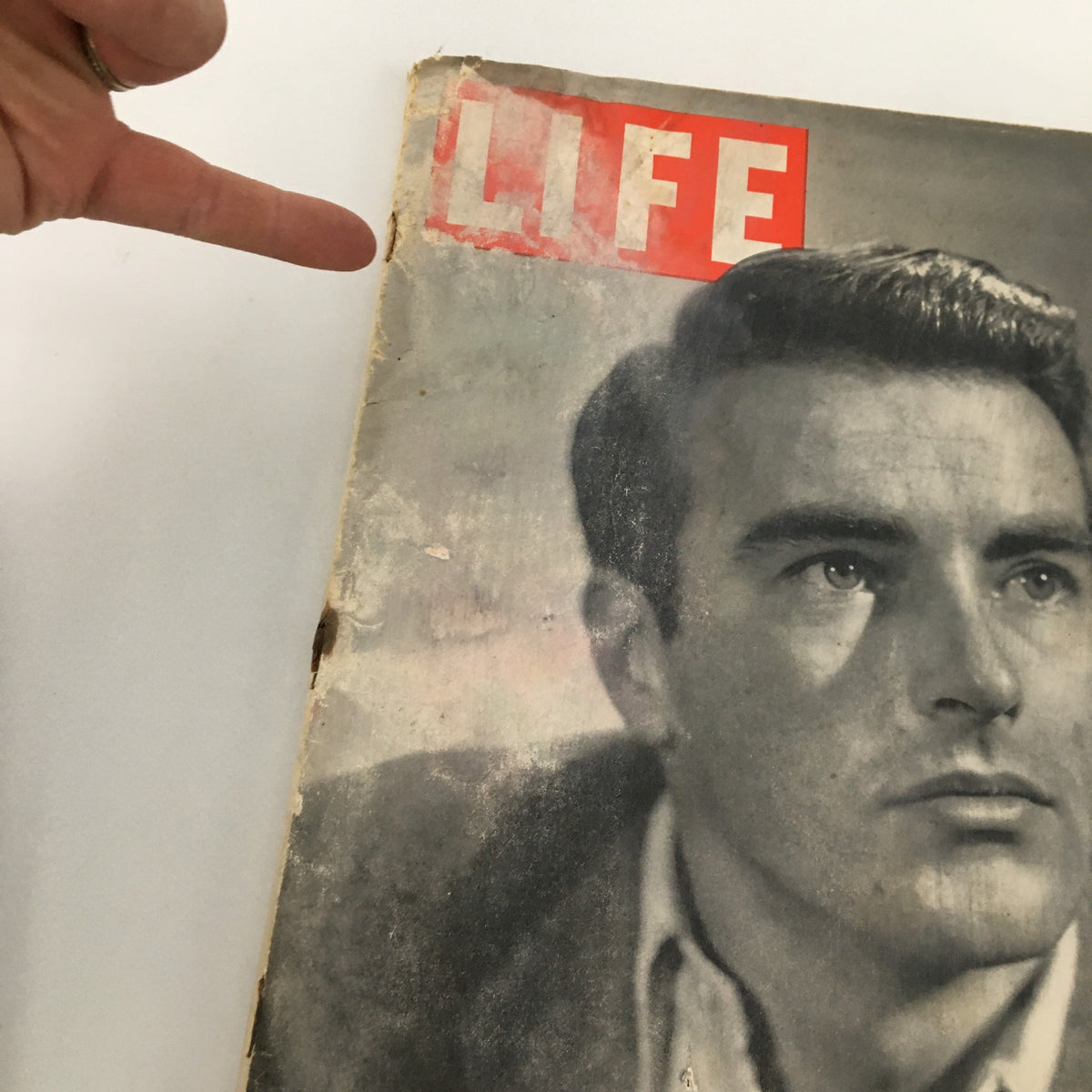
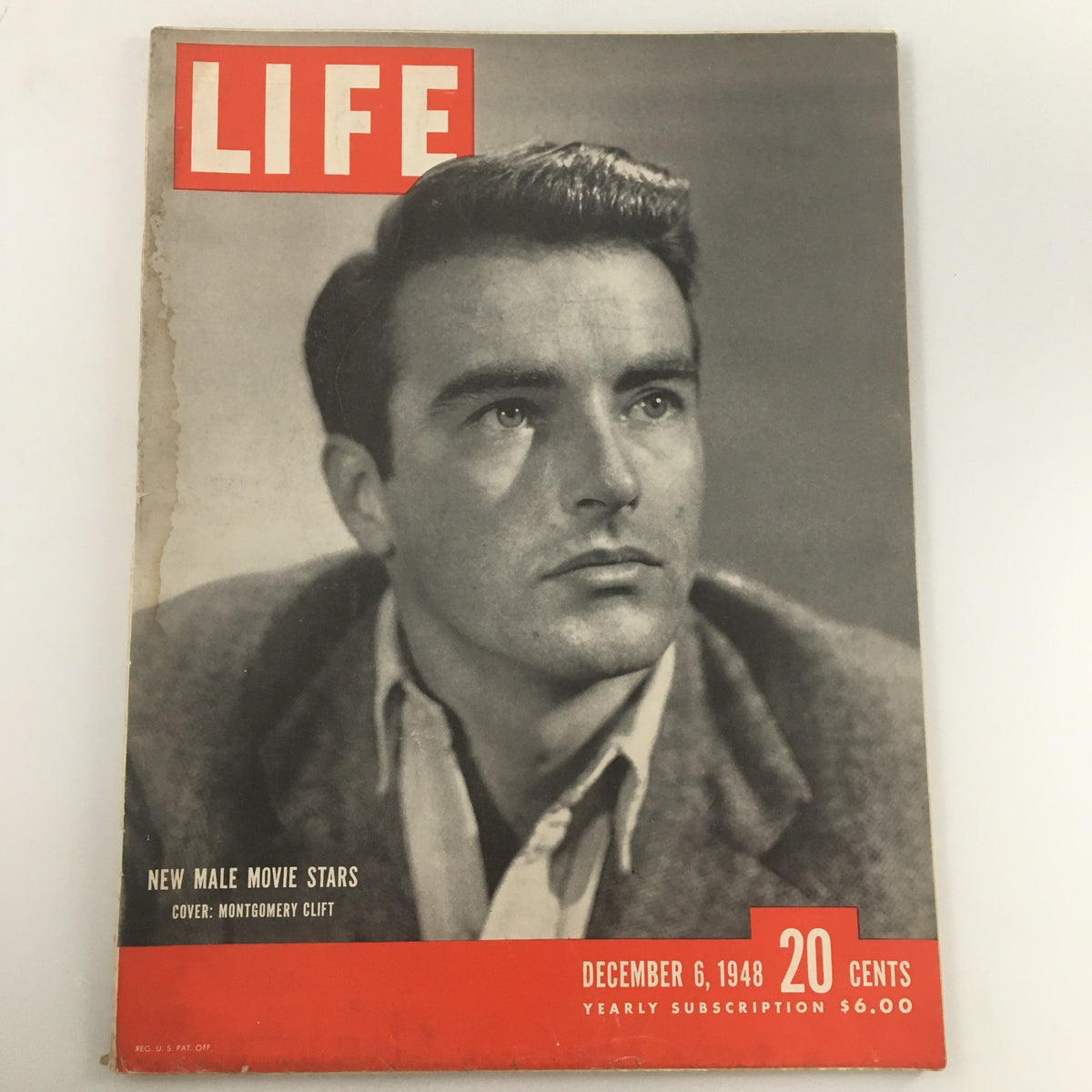
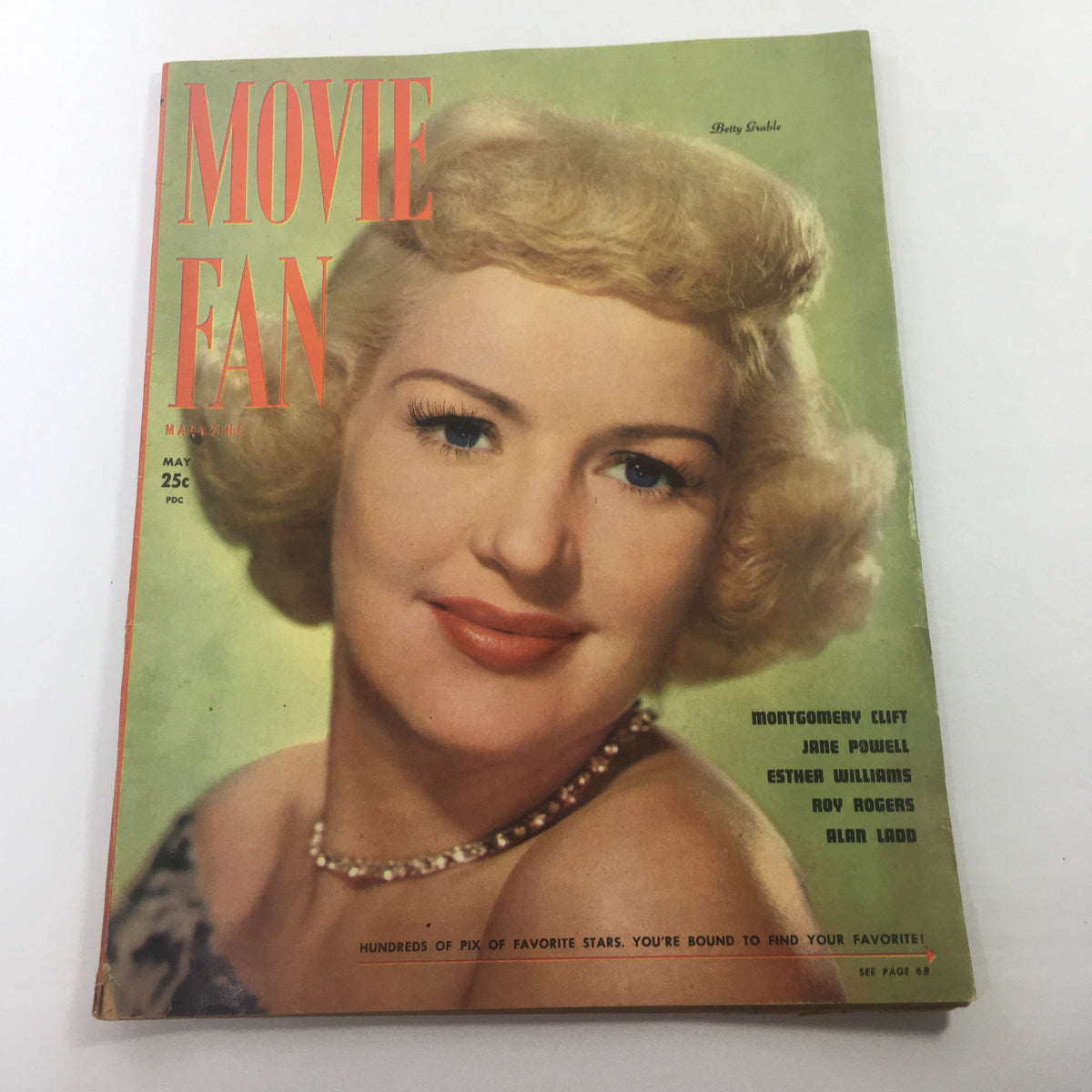
Vintage magazines treated Montgomery Clift as both matinee idol and cultural enigma — a tension that made for extraordinary editorial photography and some of the most charged celebrity journalism of the postwar decades. Life magazine captured him in that signature style of mid-century photojournalism: intimate black-and-white portraiture that lingered on his cheekbones and his eyes, which seemed always to be focused on some private grief just out of frame. Photoplay and the fan magazine circuit documented his rise with a breathless devotion, chronicling his friendships with Elizabeth Taylor and his rumored romances with the obsessive detail that only physical print could sustain across months of serialized coverage. European publications, particularly Paris Match, afforded him an intellectual seriousness that American fan culture occasionally resisted — treating him less as a commodity and more as an artist of the first order. Together, these publications form an extraordinary portrait of a man perpetually negotiating between what the world wanted him to be and what he could not stop himself from becoming.
Curator's Checklist: Highlights Often Include
- Early career feature spreads from the late 1940s and early 1950s, when the entertainment press was heralding him — alongside Marlon Brando and James Dean — as the vanguard of a new, emotionally raw style of American acting
- Production and premiere coverage tied to landmark films including Red River (1948), A Place in the Sun (1951), and From Here to Eternity (1953), for which he received an Academy Award nomination that many still consider one of cinema's great near-misses
- Post-accident documentation from 1956 onward, following the near-fatal car crash on Mulholland Drive that altered both his appearance and the tone of his press coverage — a before-and-after that collectors of Hollywood's darker chapters find profoundly compelling
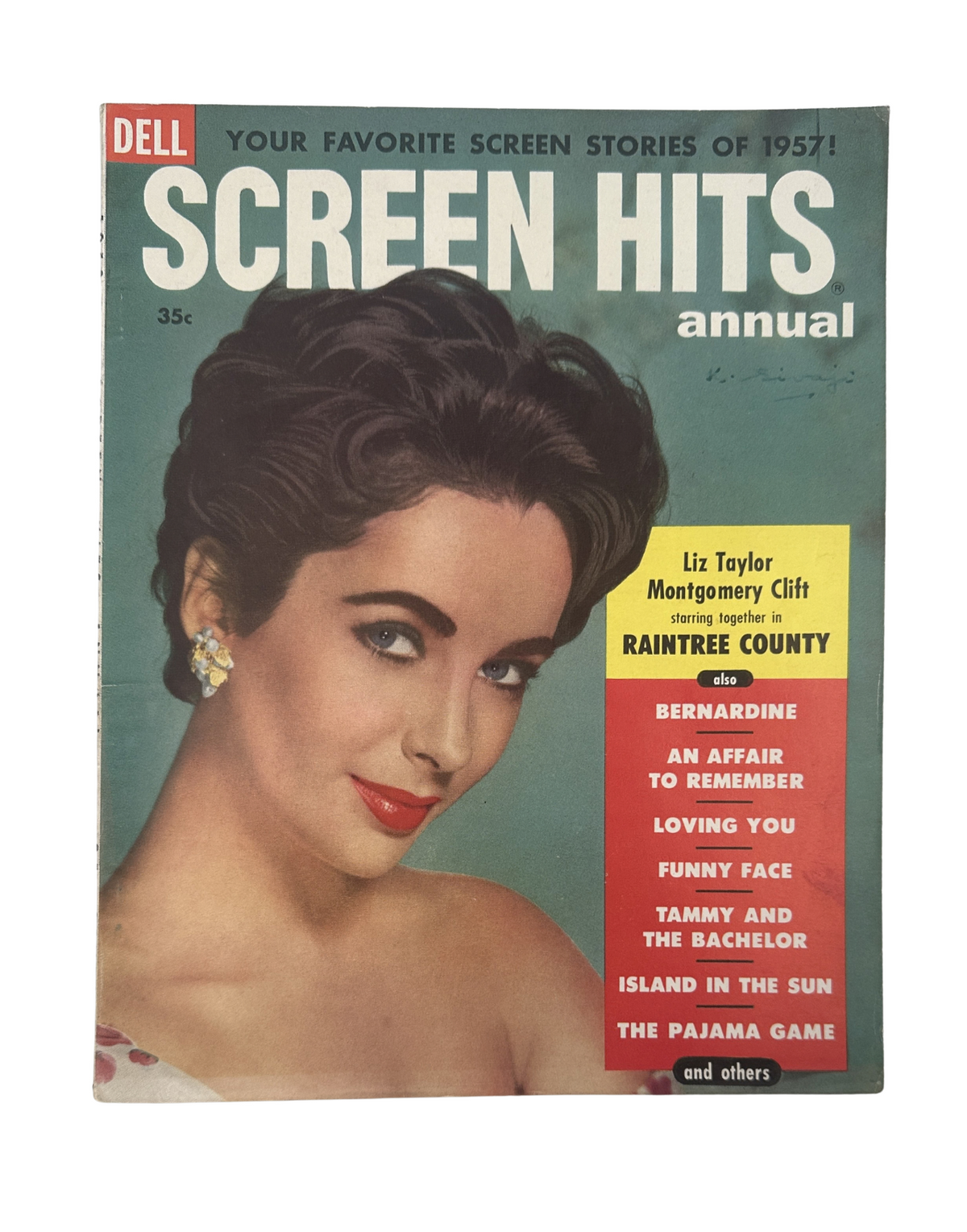
- Elizabeth Taylor tributes and dual profiles, as the two were inseparable friends and frequent co-stars, making issues that feature both figures especially sought-after crossover collectibles
- International and art cinema press coverage from French and Italian publications that recognized his method-influenced craft within a broader European conversation about serious film performance
The Collector's Value
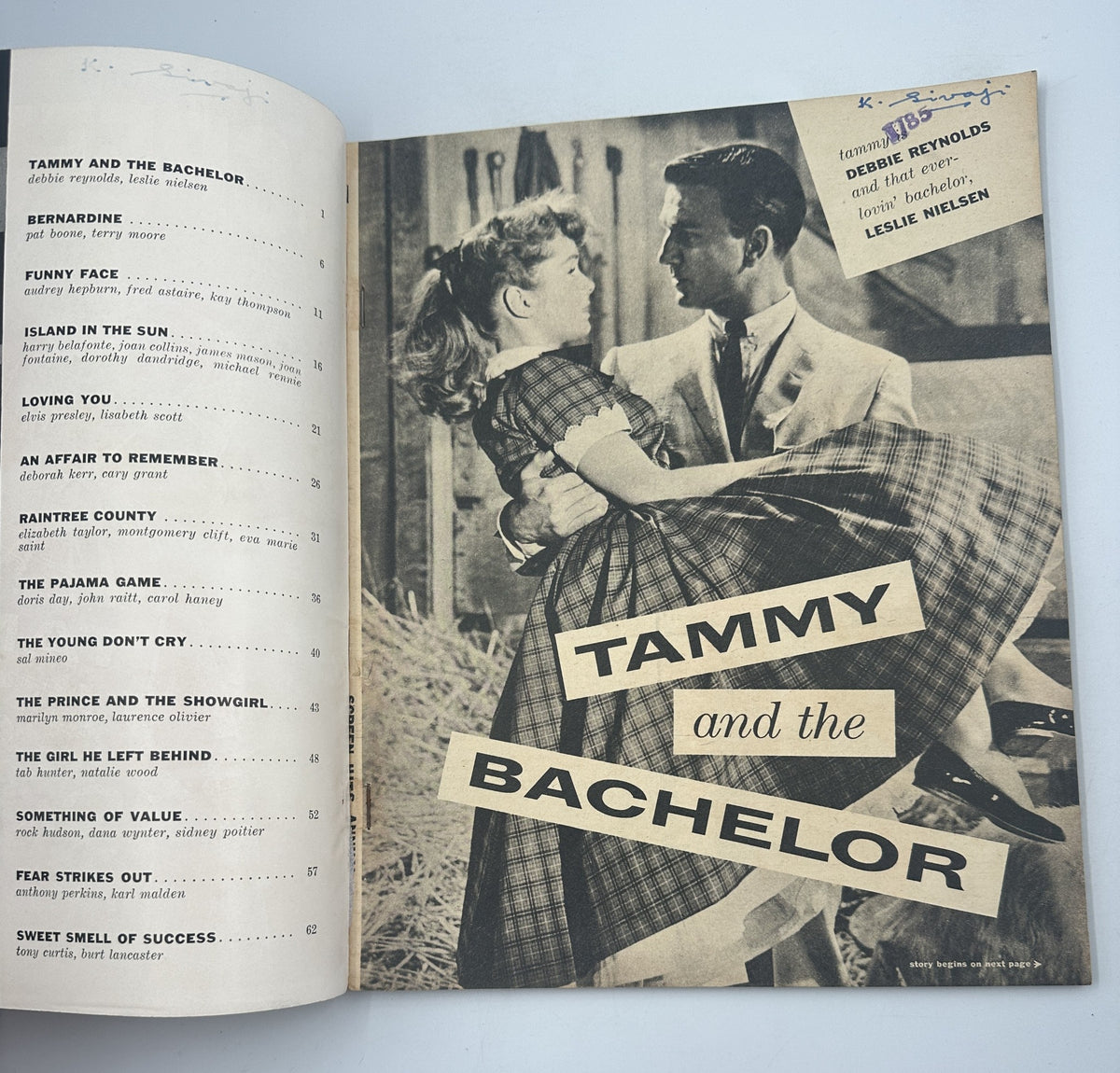
To hold one of these original issues is to hold something that cannot be reproduced by a digital archive or a streaming retrospective. The paper stock of a 1950s Life or Photoplay carries a specific weight — slightly yellowed at the margins, cool and smooth beneath the fingers — and the ink, dense and flat in the way only letterpress printing achieves, gives the photographs a tonal richness that modern reproduction cannot replicate. The advertisements surrounding his image tell their own story: postwar American abundance framing a man who was quietly, privately, falling apart, the dissonance between the cheerful consumer culture of the page and the turbulence behind his eyes made all the more poignant with the distance of decades. For collectors of classic Hollywood memorabilia, mid-century American cultural history, or the golden age of Method acting, these publications offer not just an artifact but an argument — evidence, held in the hands, that this was an artist who mattered enormously, who was watched and written about and obsessed over in real time, by a world that printed its passions on paper. Explore the current available inventory below and find the issue that speaks to you.