📖 About this Collection
November 1989: The Month the Iron Curtain Shattered
The Historical Context
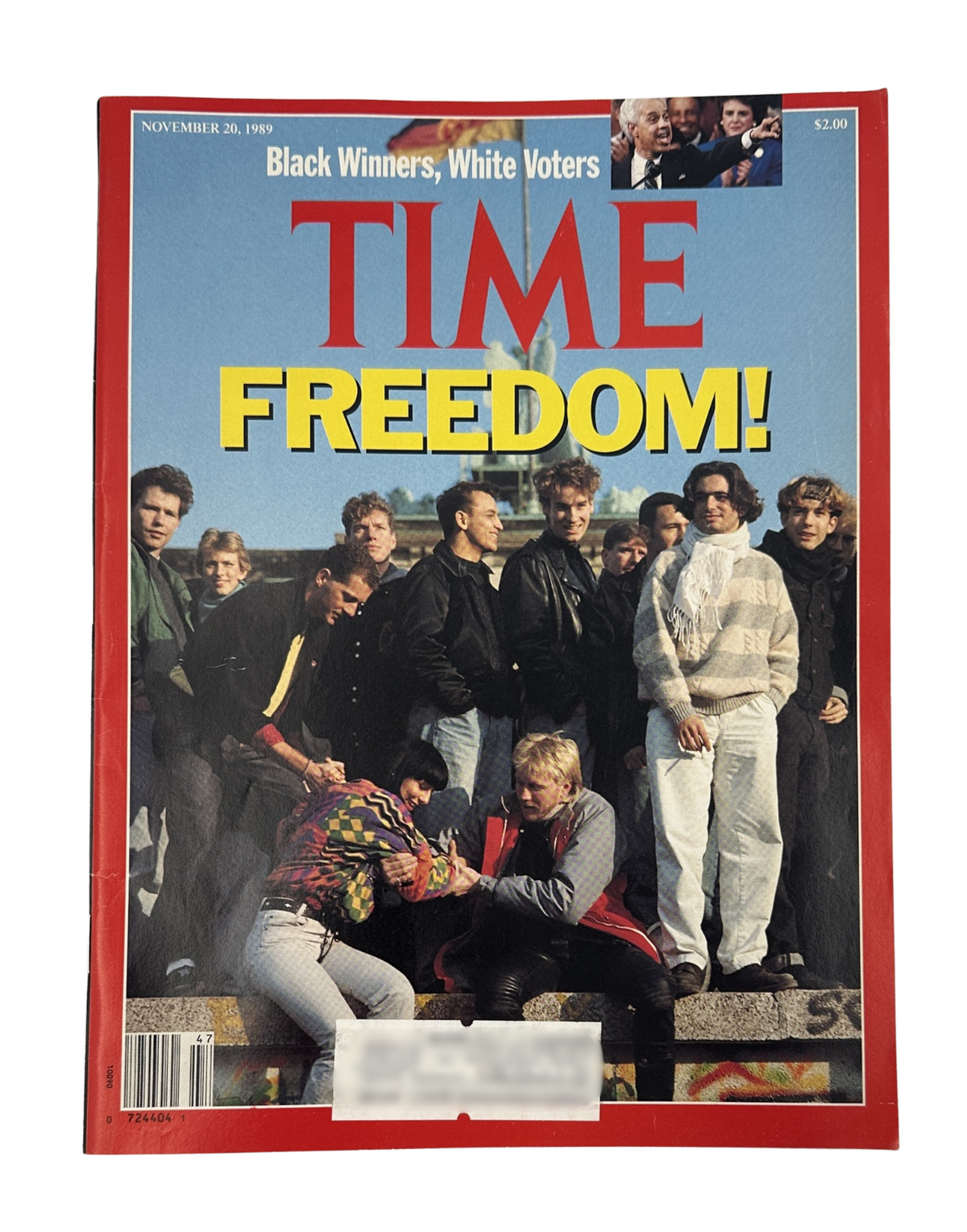
The world held its breath in November 1989 as the impossible became reality. On a cold evening in Berlin, East German officials fumbled a press announcement, inadvertently triggering the opening of border crossings that would bring thousands of jubilant citizens streaming through checkpoints. Within hours, hammers and chisels attacked the Berlin Wall itself—that stark concrete symbol of Cold War division. The dismantling spread rapidly: Czechoslovakia's Communist Party resigned after the Velvet Revolution erupted from student protests in Prague, while in Bulgaria, the 78-year-old party president Todor Zhikov stepped down after three decades of rule. Half a million demonstrators had already flooded East Berlin's Alexanderplatz demanding reforms just days before the Wall cracked open. In South Africa, President F.W. de Klerk announced the scrapping of the Separate Amenities Act, beginning the dismantlement of apartheid's legal architecture. This was the world your loved one entered in November 1989—a month when history accelerated, and the post-war order began its irreversible transformation.
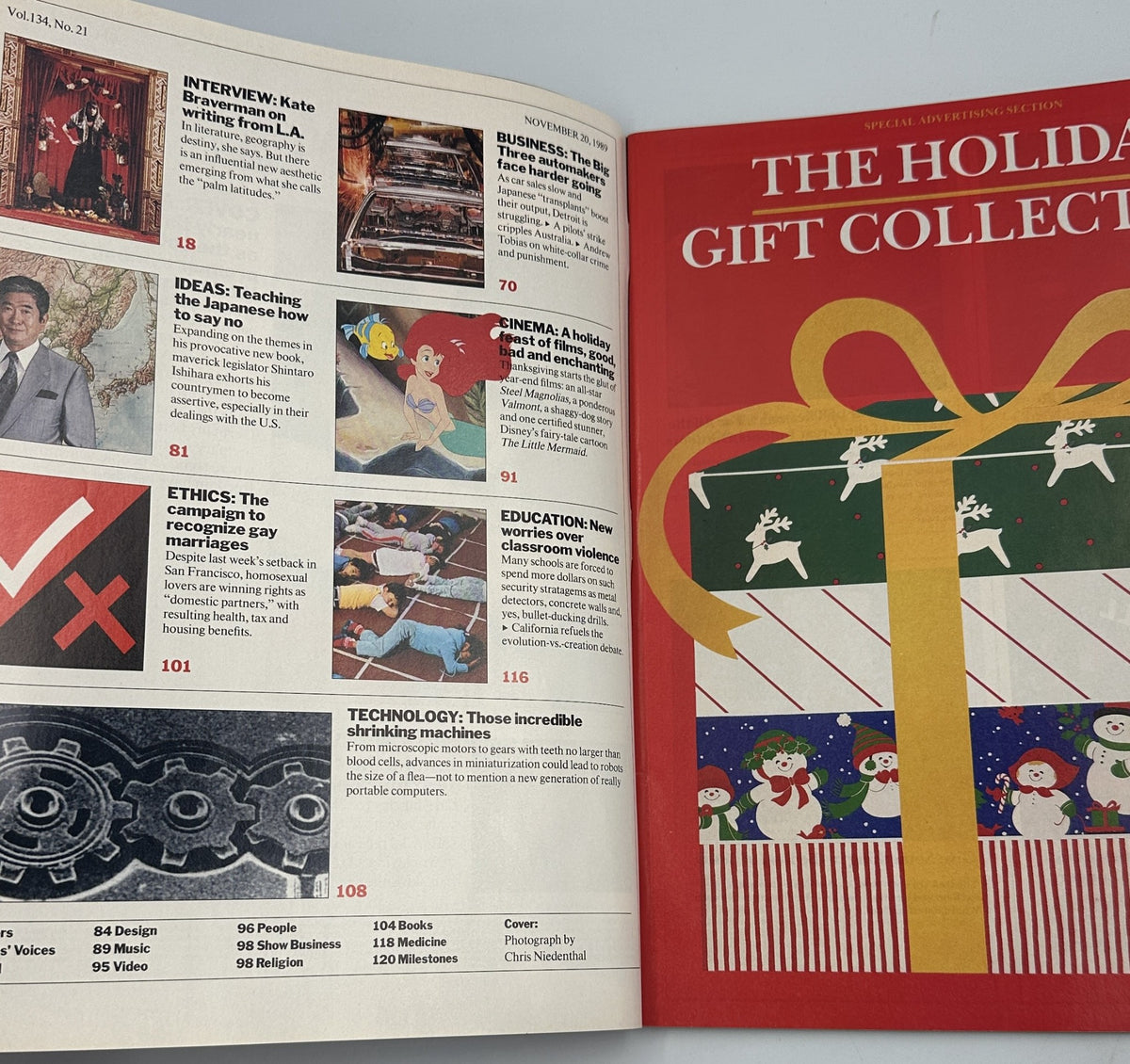
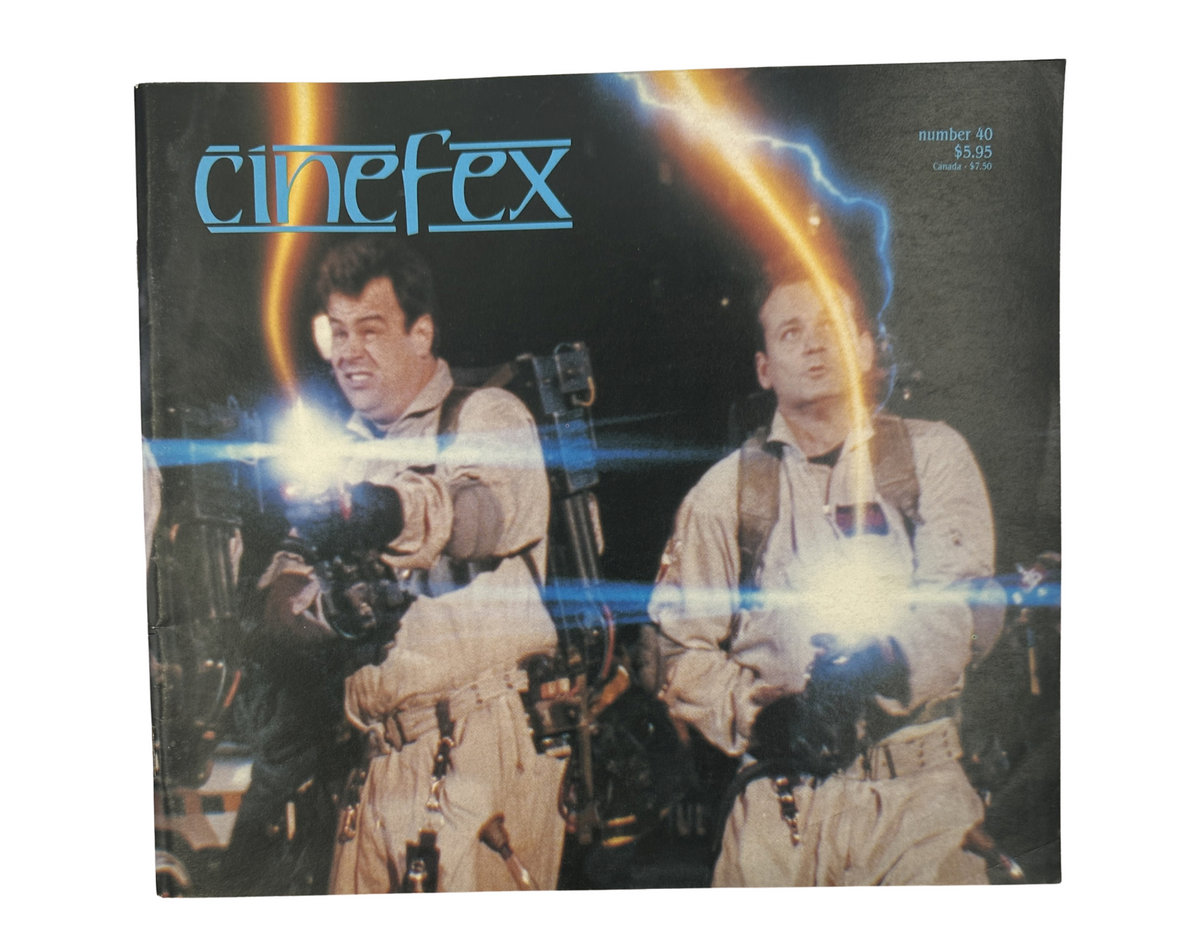
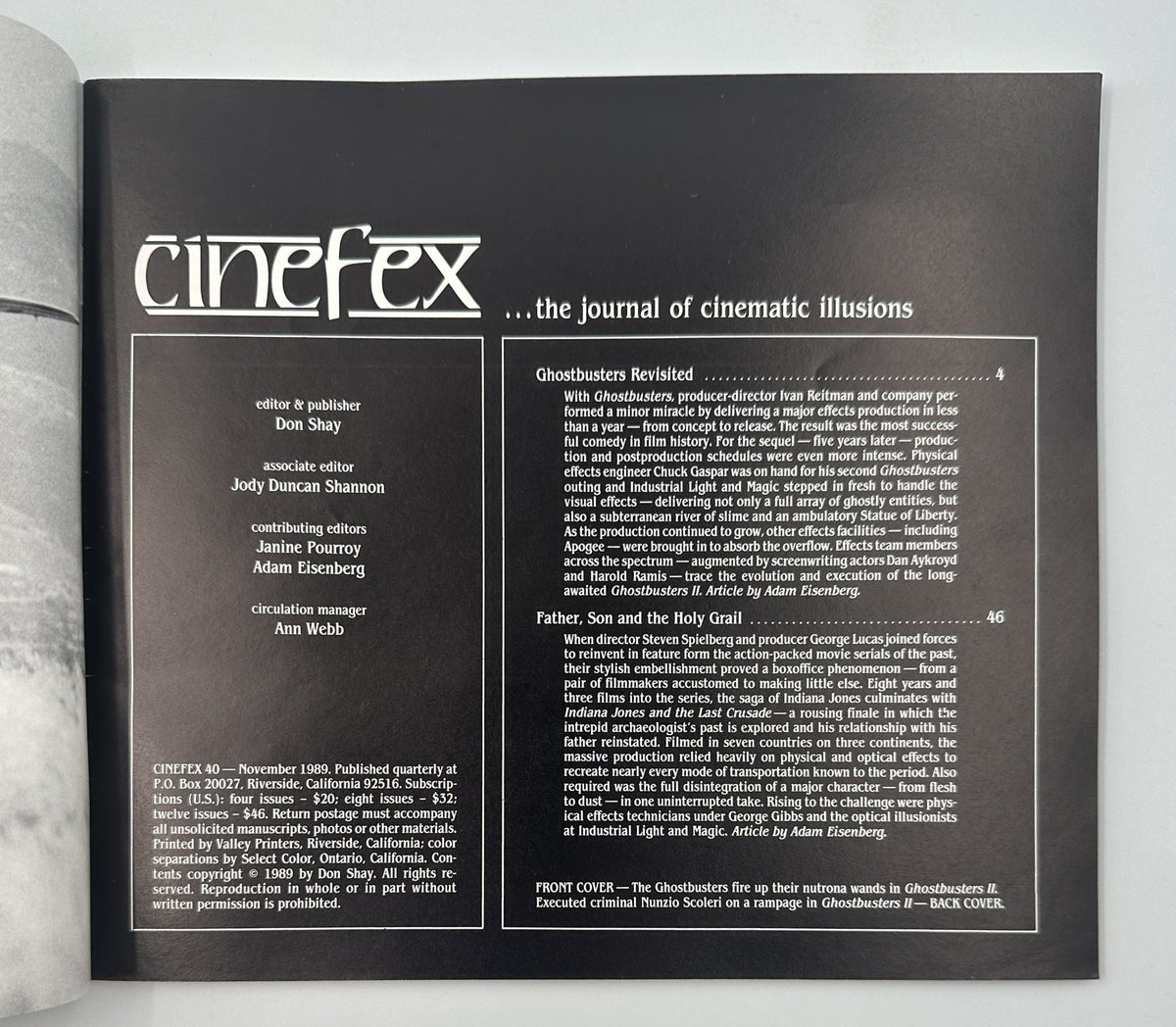
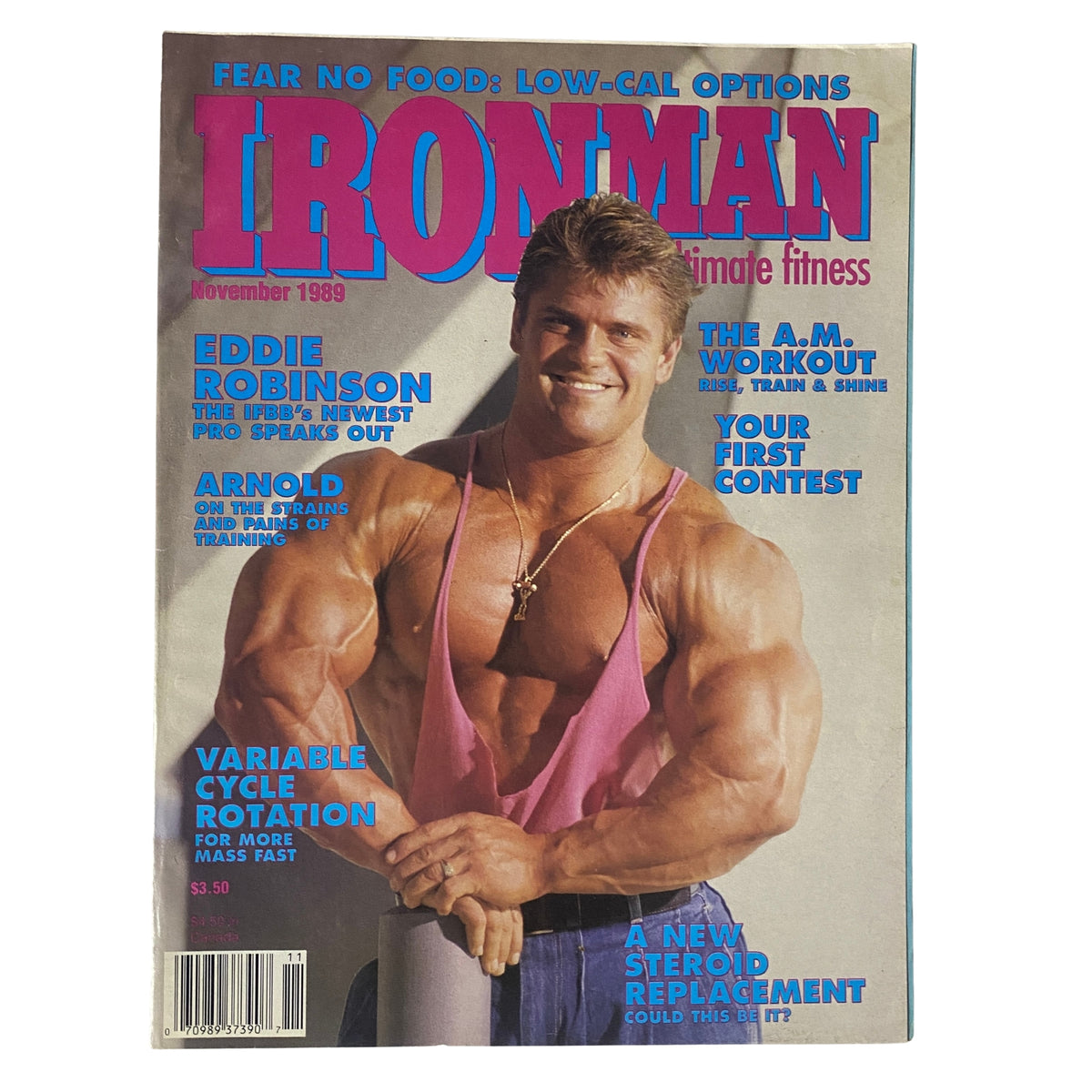
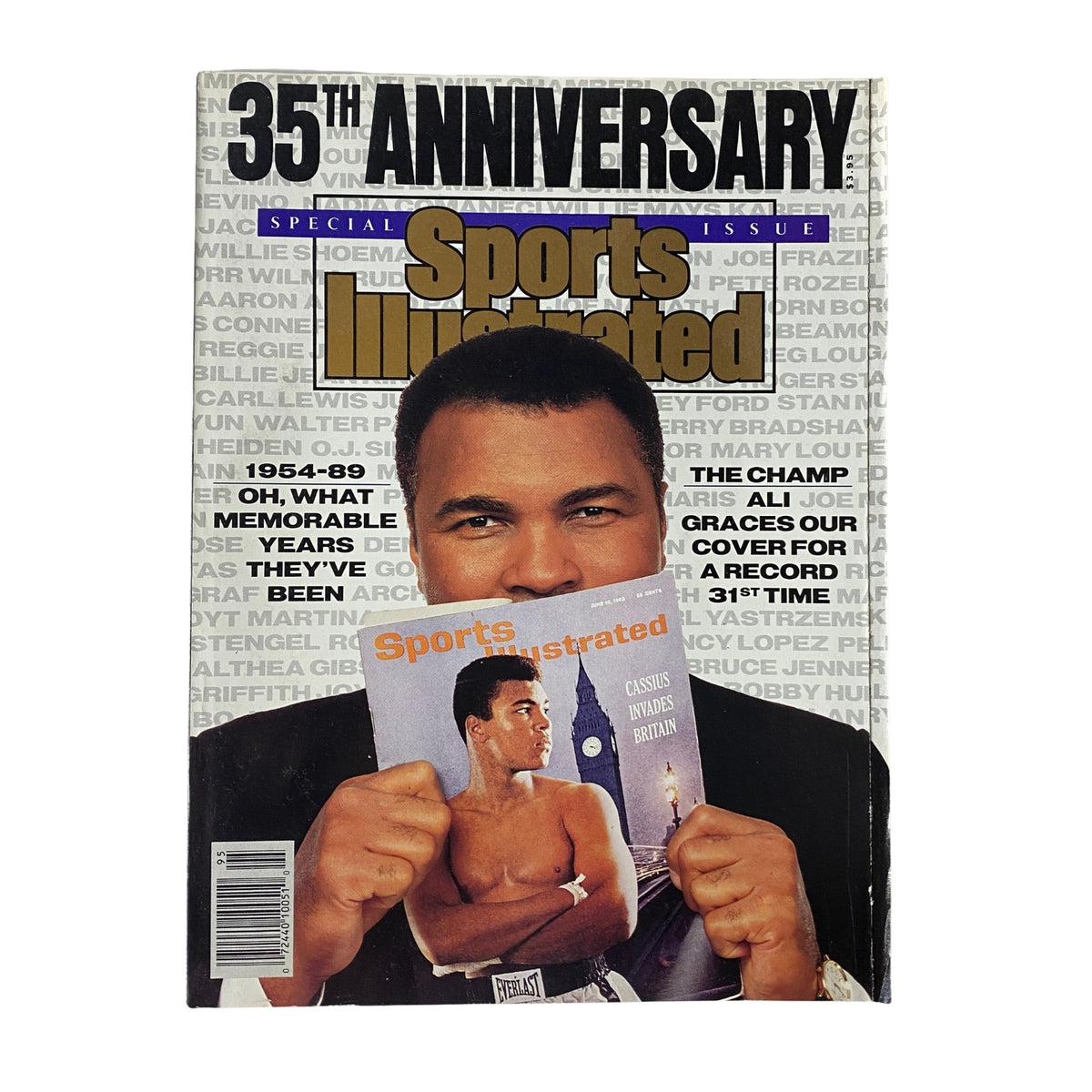
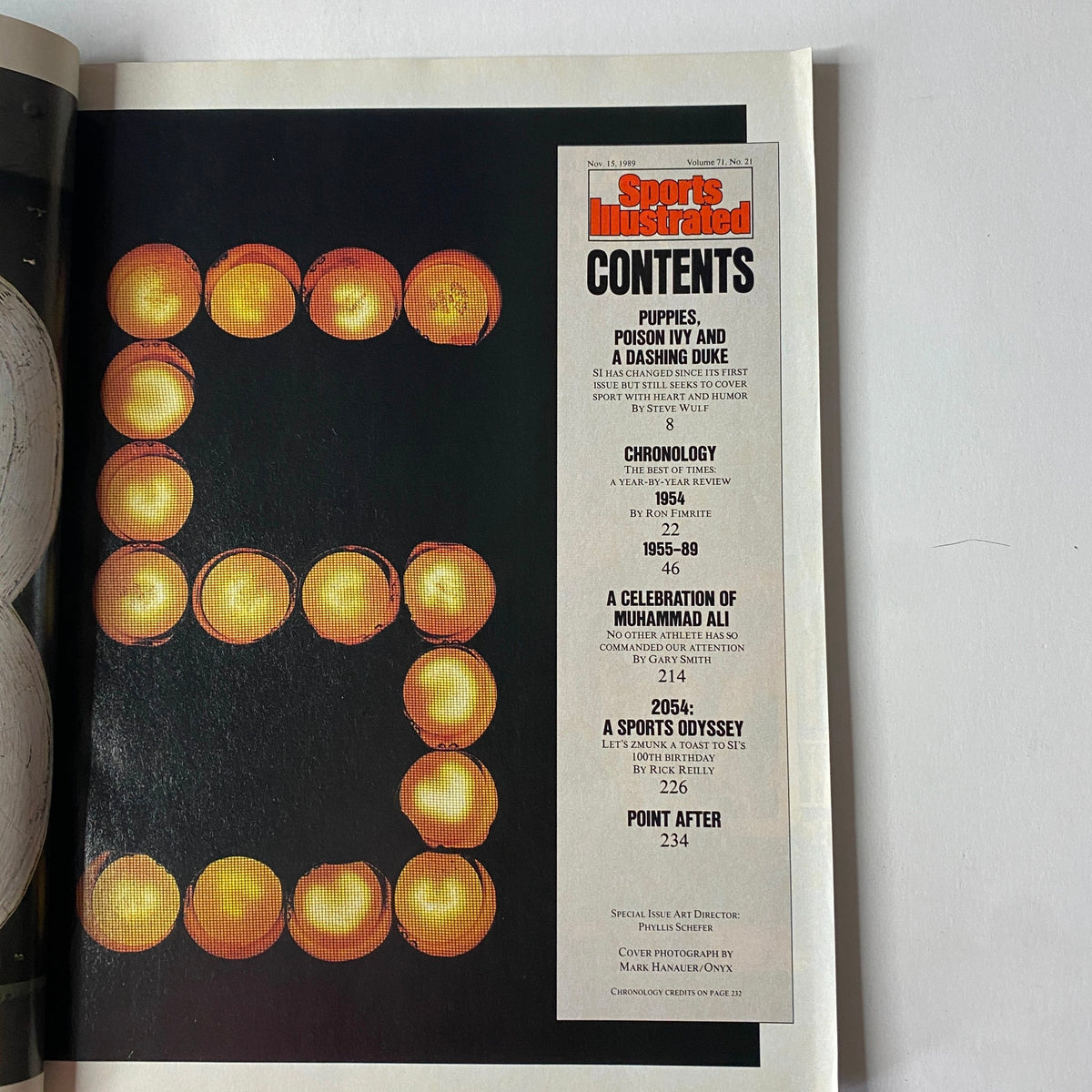
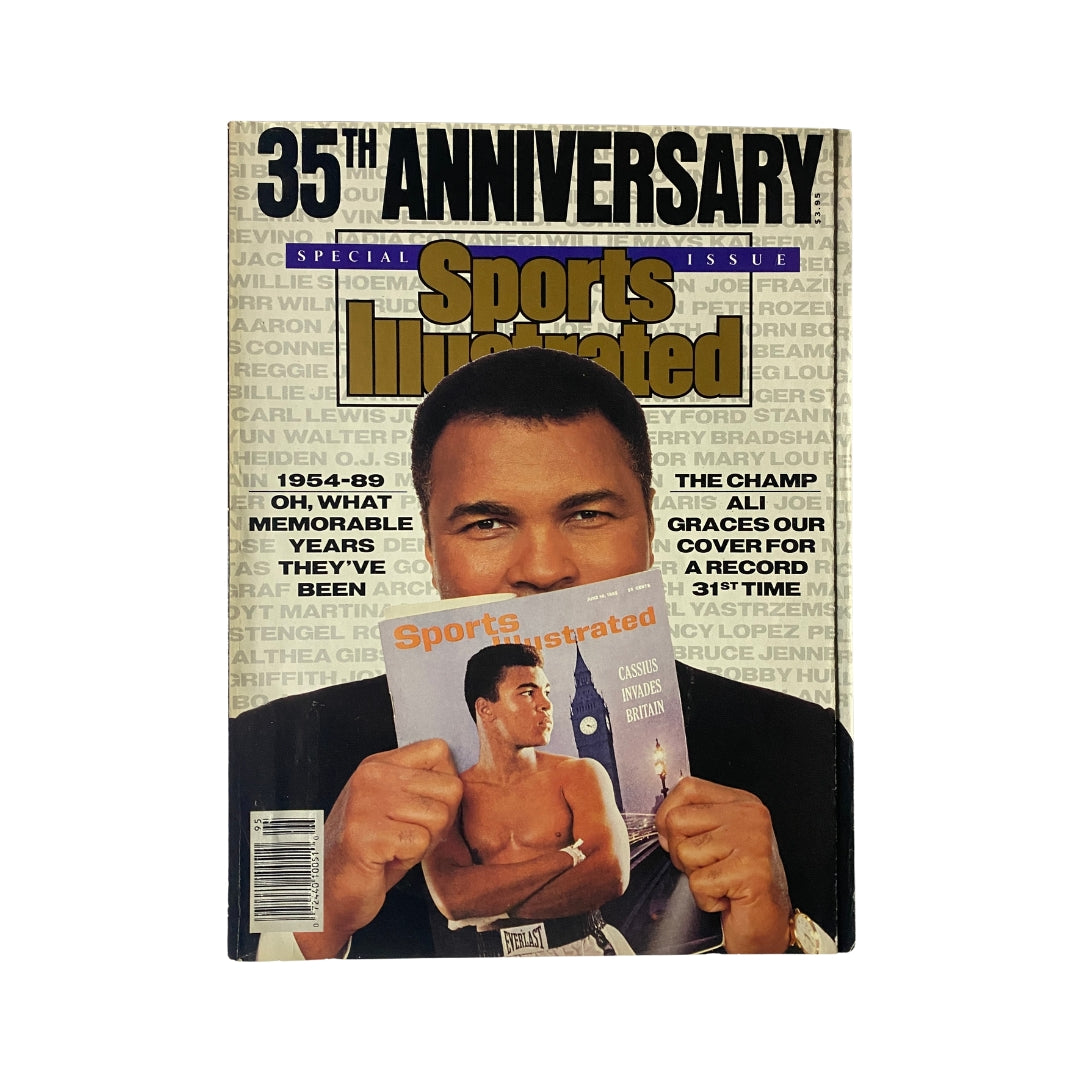
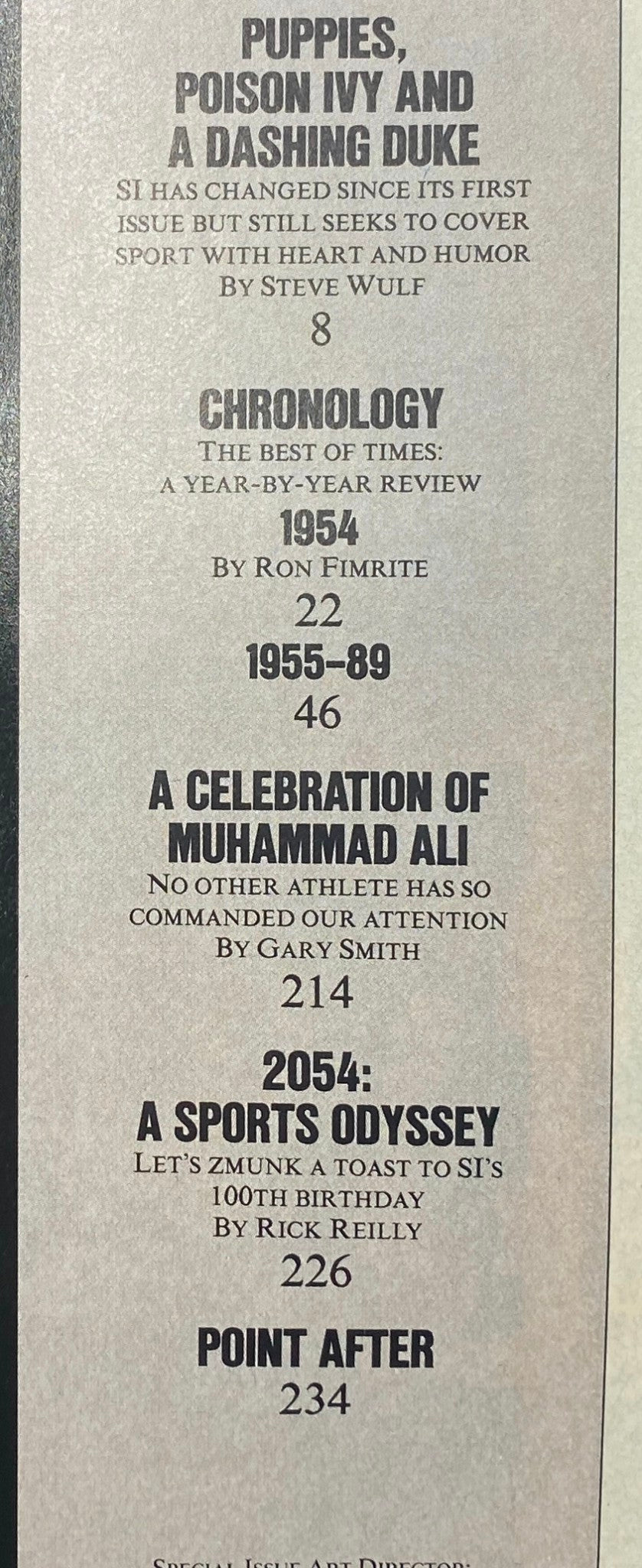
While political earthquakes reshaped continents, American living rooms witnessed their own cultural shifts. The final episode of "Blackadder Goes Forth"—starring Rowan Atkinson in the haunting World War I finale "Goodbyeee"—aired on the BBC, its poignant closing scene becoming one of British television's most memorable moments. Queen Latifah released her groundbreaking debut album "All Hail the Queen," featuring "Ladies First," helping establish female voices in hip-hop. At Broadway's Martin Beck Theatre, "Grand Hotel: The Musical" opened for what would become a 1,018-performance run and five Tony Awards. The Beatles' legacy continued as George Harrison released "Cheer Down" and Paul McCartney dropped "Figure of 8." Sports Illustrated and Time covered history from every angle, while original magazines from November 1989 captured the Breeders' Cup at Gulfstream Park, Steffi Graf's WTA Championship victory over Martina Navratilova, and the NBA debuts of the Minnesota Timberwolves and Orlando Magic. Movie theaters premiered "Batman" on videotape, bringing Tim Burton's blockbuster into homes nationwide.
What to Look for in Vintage Magazines from November 1989
-
The Fall of the Berlin Wall: News weeklies like Time, Newsweek, and Life featuring dramatic photography of Germans celebrating atop the Wall, sledgehammers in hand, with close-up shots of graffiti-covered concrete chunks and the Brandenburg Gate backdrop that defined the 20th century's most iconic moment.
-
Revolution Across Eastern Europe: Illustrated spreads in Look and rare magazines chronicling the Velvet Revolution's Prague demonstrations, Bulgaria's leadership change, and Czechoslovakia's Communist Party resignation—often with maps tracking the domino effect across the Soviet bloc.
-
South African Apartheid's Legal Dismantlement: Photographs in international news publications showing F.W. de Klerk's announcement of the Separate Amenities Act repeal, typically accompanied by images of segregated facilities and protest movements that pressured the change.
-
American Political Firsts: Coverage in major newspapers and magazines of David Dinkins becoming New York City's first African American mayor and Douglas Wilder winning Virginia's governorship—the first African American elected governor in any state—with election night celebration photographs.
-
Sports Expansion and Records: Sports Illustrated and specialty athletics publications featuring the NBA's historic international expansion with Russians Šarūnas Marčiulionis and Alexander Volkov debuting, plus franchise launches for the Minnesota Timberwolves and Orlando Magic, complete with team logos and player rosters.
The Perfect Gift
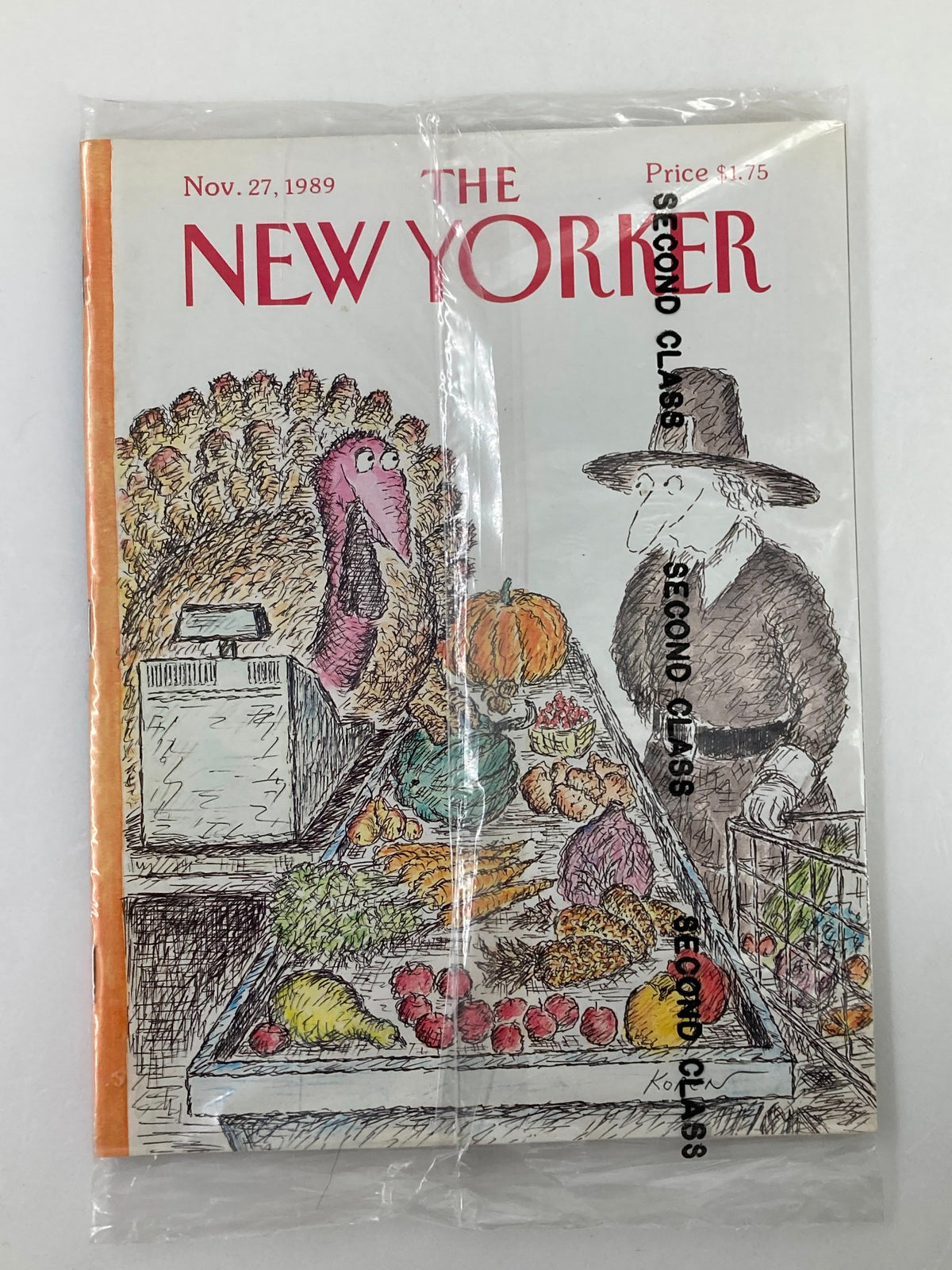
For someone born in November 1989, an original magazine from this extraordinary month isn't just a birthday gift—it's an authenticated time capsule from the thirty days that ended the Cold War, preserved in genuine headlines, photographs, and advertisements that no digital archive can replicate.