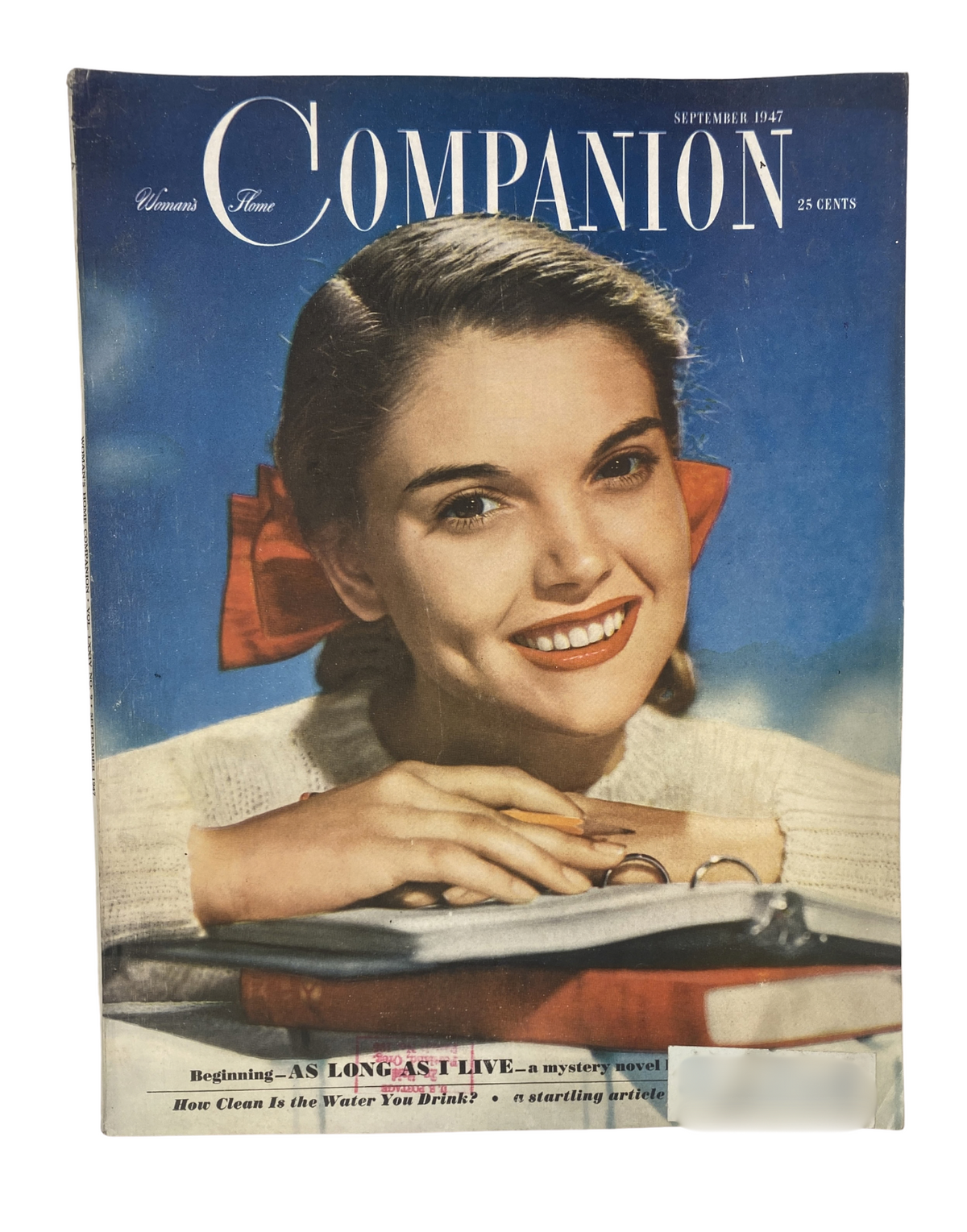
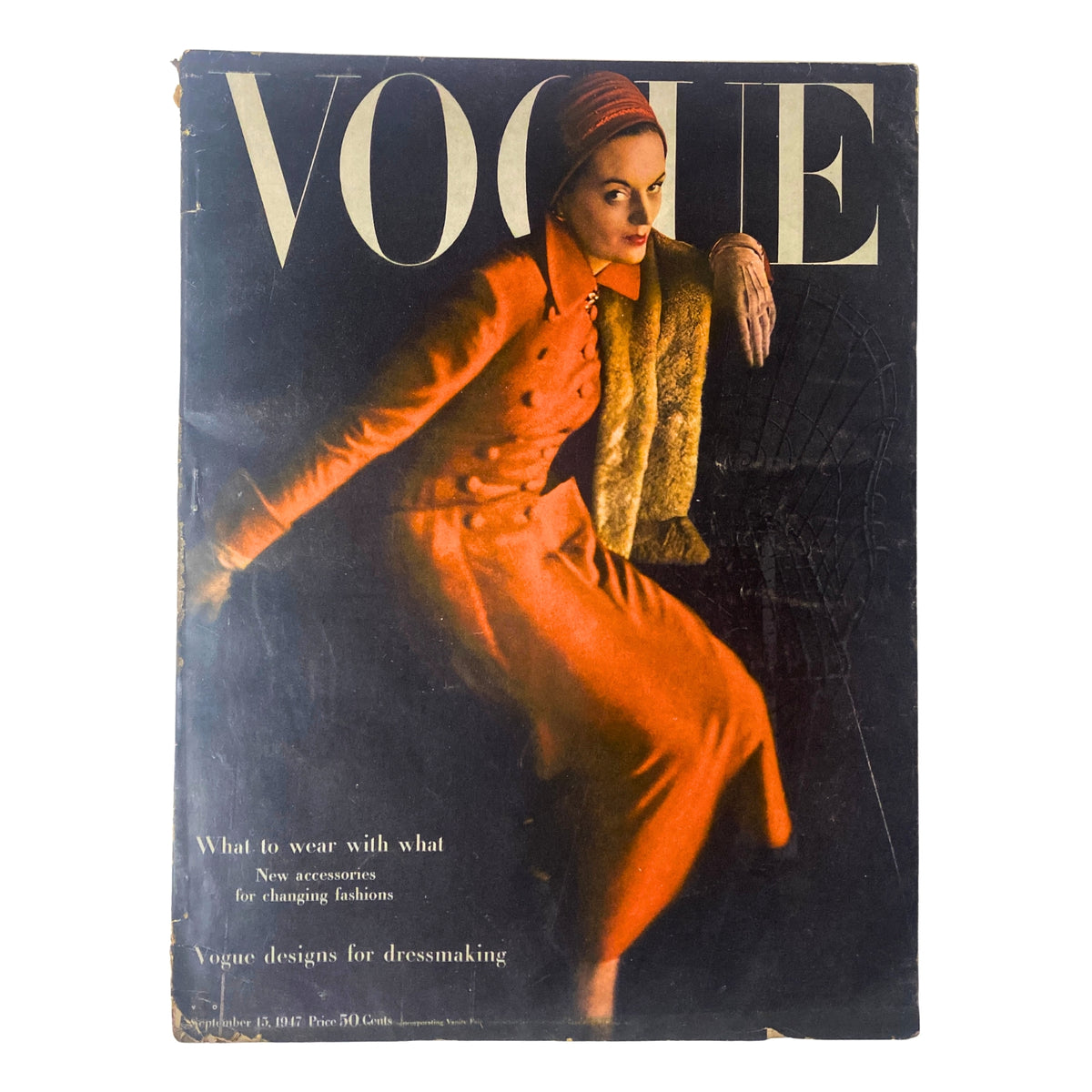
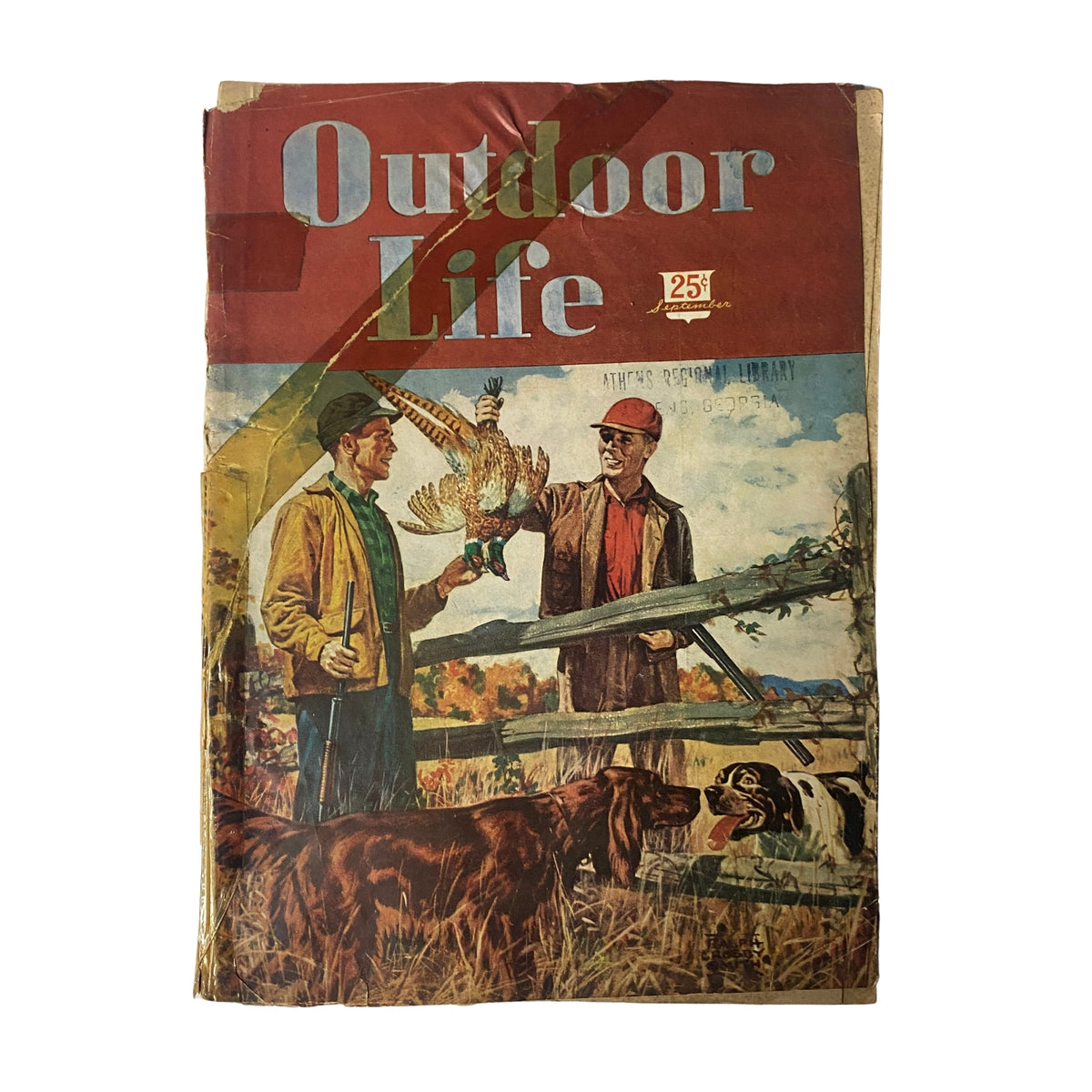
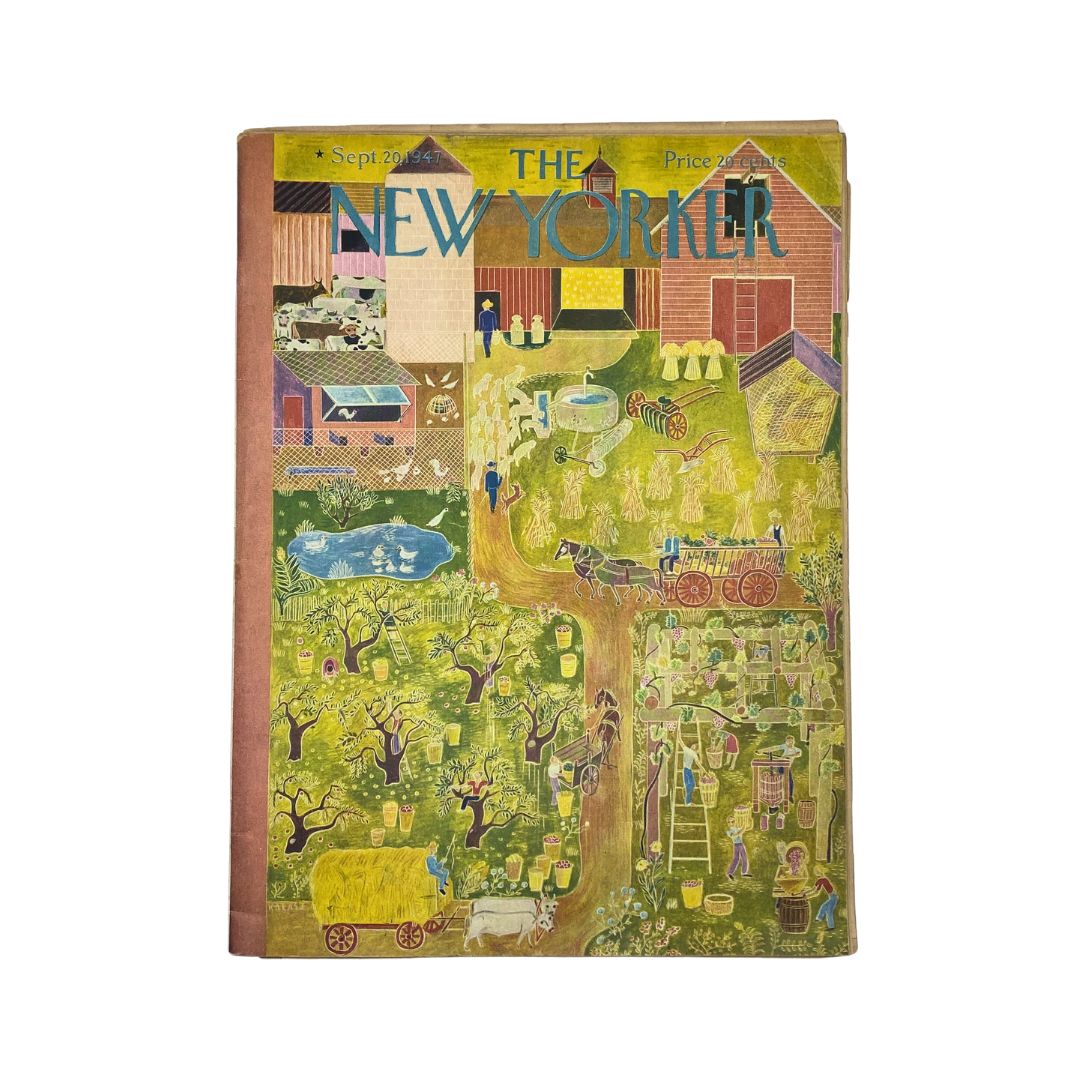
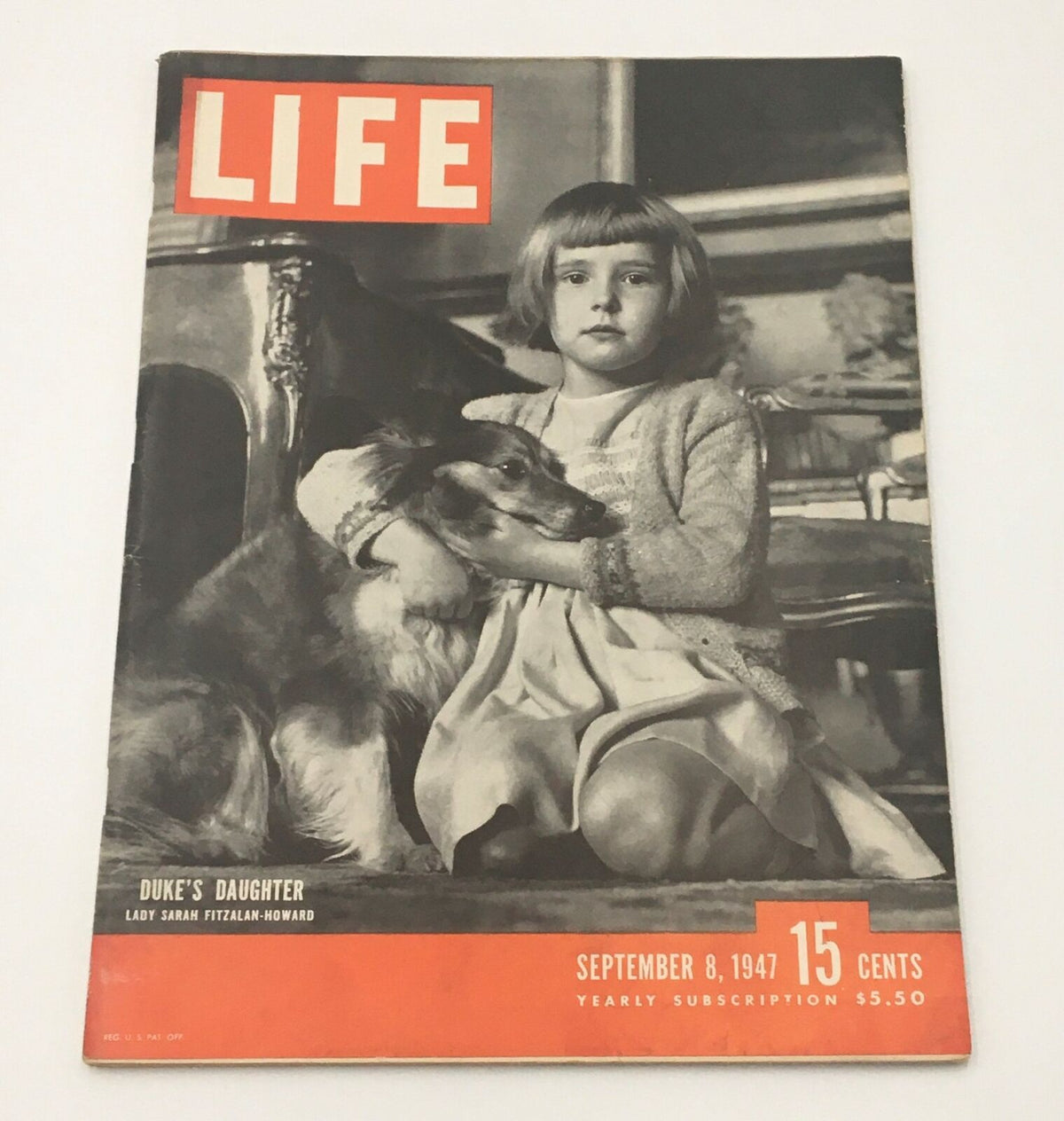
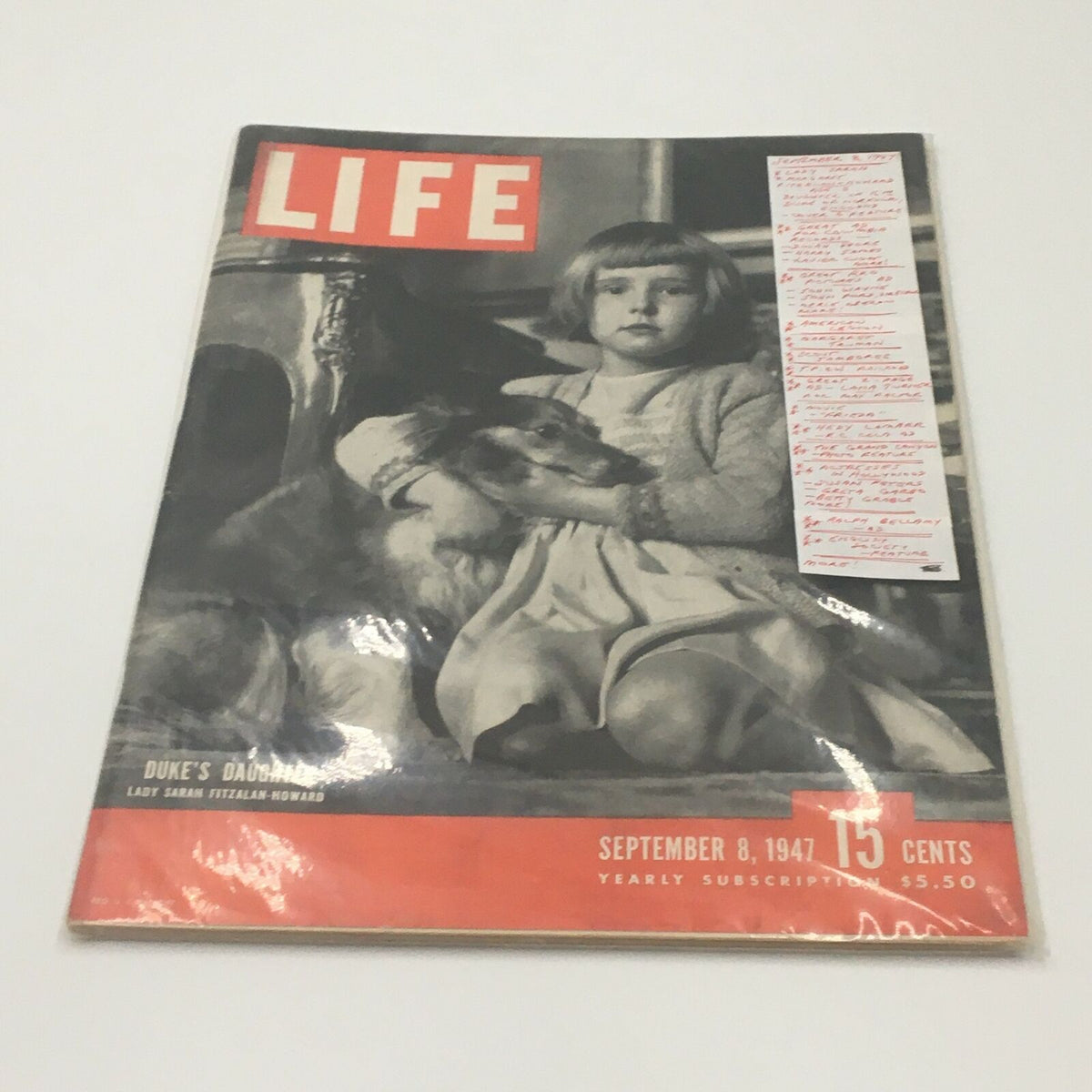
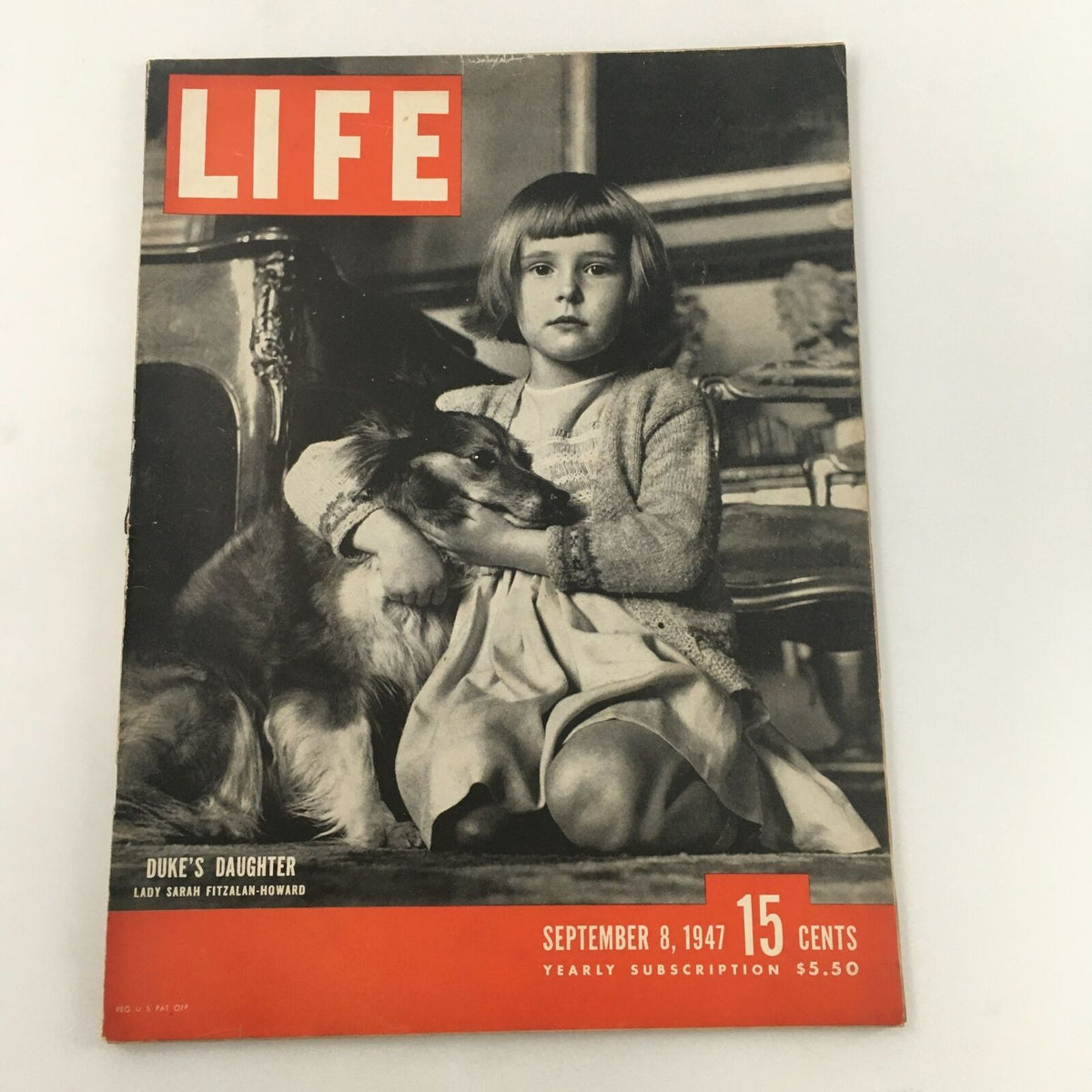
📖 About this Collection
September 1947: When America's New World Order Was Born
The Historical Context
The air that September crackled with the electricity of a nation reinventing itself. As summer faded across the Eastern Seaboard, Washington was quietly executing one of the most consequential reorganizations in American history. On September 18, President Truman's National Security Act took effect—simultaneously creating the United States Air Force as an independent military branch, establishing the Department of Defense, and bringing the Central Intelligence Agency into official existence. In a single week, the architecture of the Cold War state snapped into place. Meanwhile, on the other side of the world, sectarian violence erupted between Hindus and Muslims in New Delhi, signaling the raw wounds of Partition still bleeding across the newly independent subcontinent. This was the month the post-war era stopped being a transition and became a destination. This was the world your loved one entered—one redrawn by treaties, institutions, and the gathering shadow of a new kind of conflict.
The Culture, the Courts, and the Diamonds
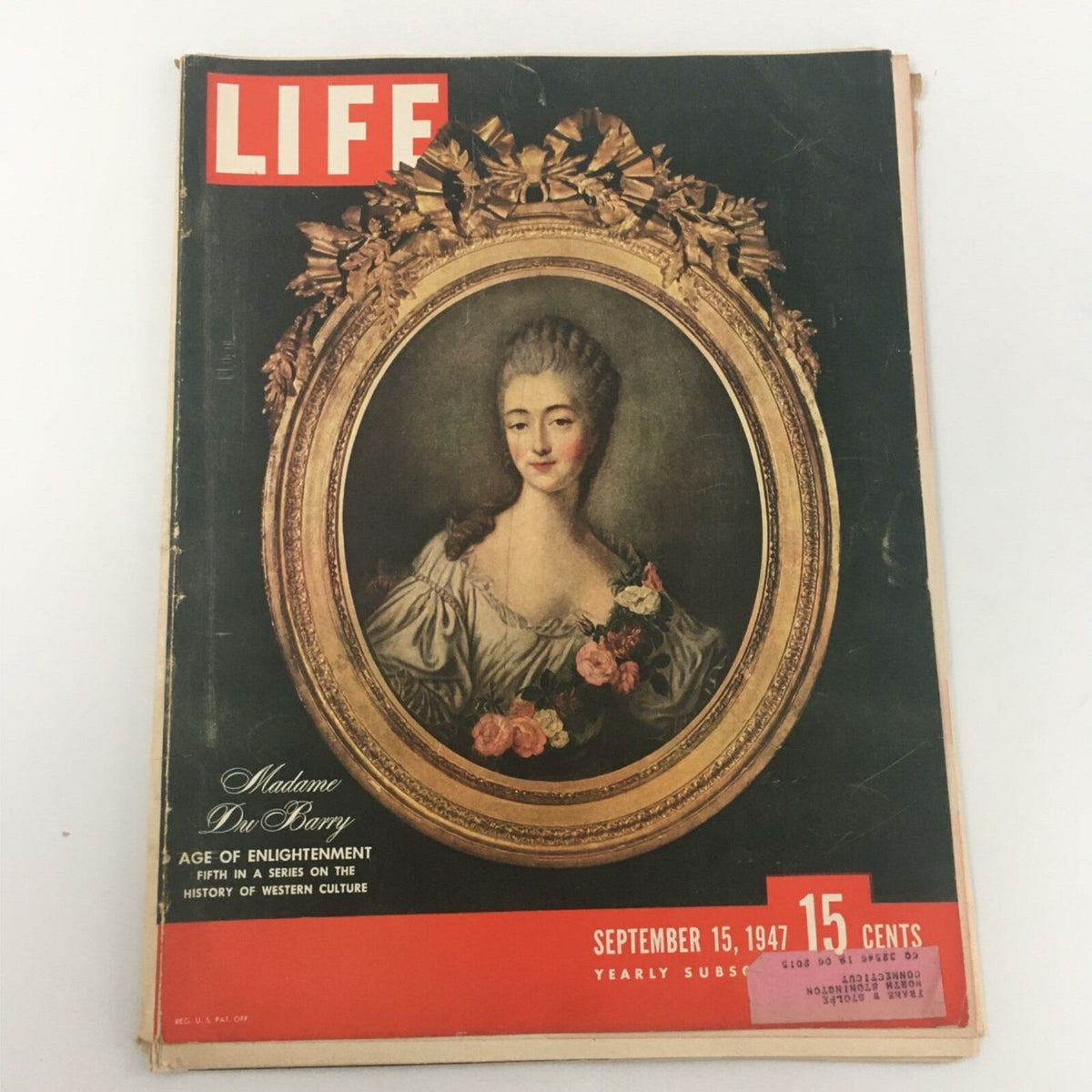
September 1947 was equally alive on the fields, the courts, and the silver screens. Baseball dominated the national conversation as the New York Yankees clinched the American League pennant on September 15—then made history on September 30 when Game 1 of the World Series against the Brooklyn Dodgers became the first World Series game ever broadcast on television, drawing 73,365 fans to Yankee Stadium. Jack Kramer claimed his second consecutive US National Championship title at Forest Hills, while Louise Brough took the women's crown in a three-set thriller. At the Cannes Film Festival, Walt Disney's Dumbo earned Best Animation honors. On September 13, T-Bone Walker stepped into a Hollywood studio and recorded "Call It Stormy Monday"—a blues standard that would echo for decades. Original magazines from September 1947 capture all of it: Life and Time dissecting the new national security apparatus, Sports Illustrated's predecessor publications buzzing about the Yankees, Look splashing the Cannes winners across glossy pages.
Curator's Checklist: What to Look For in Your September 1947 Magazine
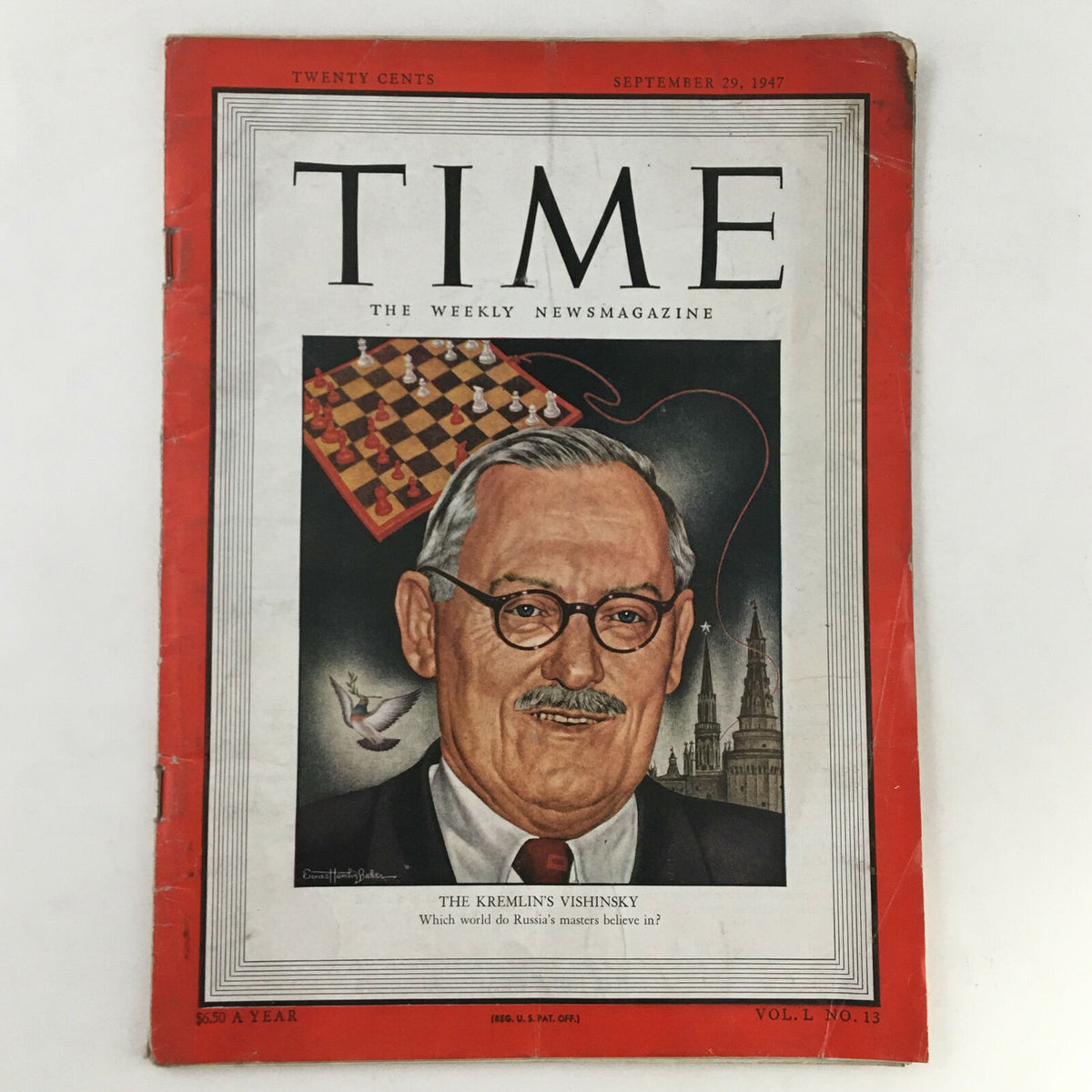
- The National Security Act & CIA Formation: Time and Newsweek issues from mid-to-late September often featured illustrated spreads on the creation of the Department of Defense and the CIA, showcasing official portraits of James Forrestal—the first-ever US Secretary of Defense—alongside maps of the emerging Cold War landscape.
- The First Televised World Series: Vintage magazines from late September 1947 chronicle the Yankees-Dodgers Series buildup with full-page action photography, player profiles, and period advertisements from newly announced sponsors Ford and Gillette, making these among the most collectible sports issues of the decade.
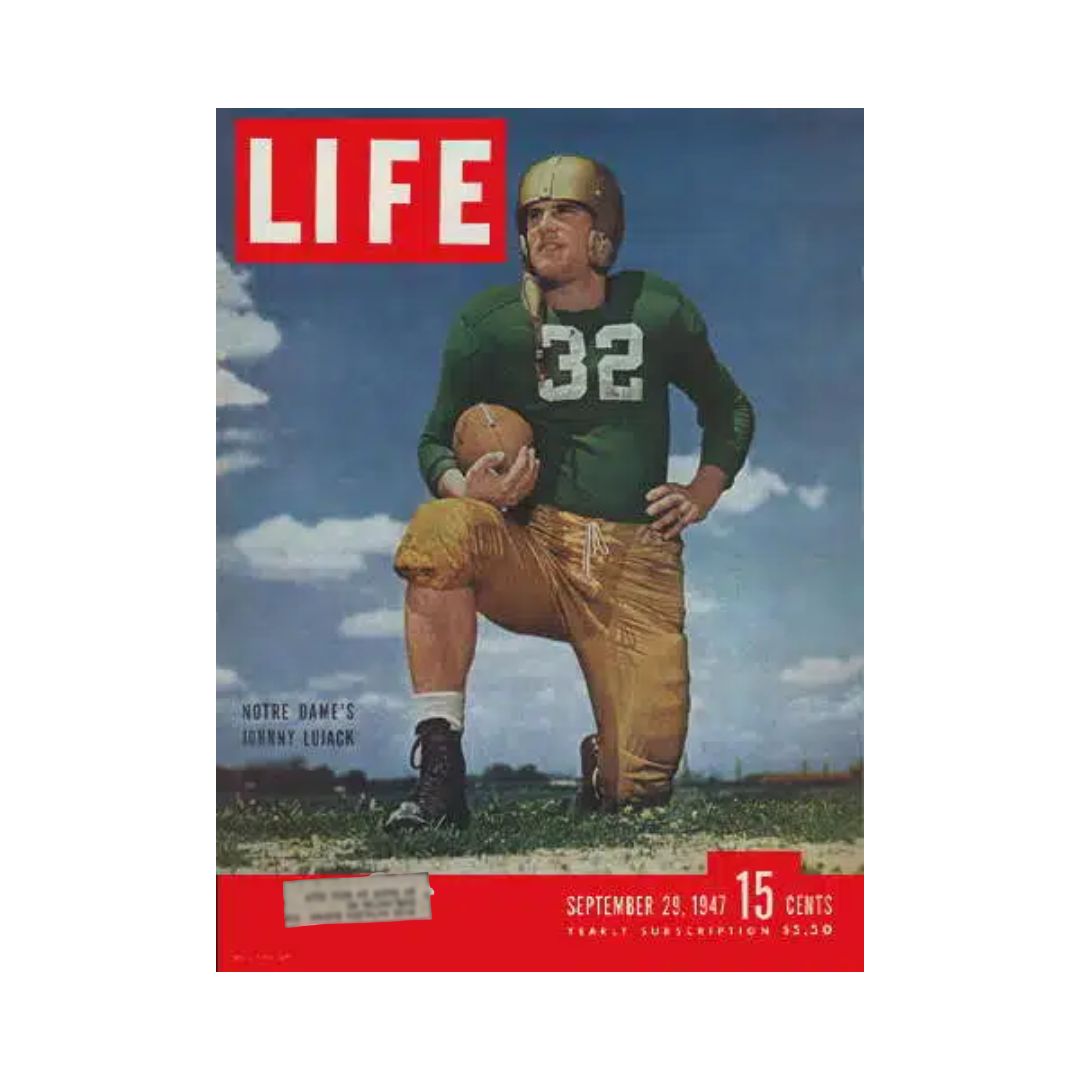
- Jackie Robinson's Rookie of the Year: The Sporting News and general-interest titles like Life documented Robinson's landmark season with photographs and features that now read as genuine civil rights history—rare magazines capturing a watershed moment in American sport and society.
- T-Bone Walker & the Blues: Entertainment and music-adjacent titles from September 1947 reflect the era's vibrant blues and jazz scene; Variety and select urban periodicals cover the live circuit, while period advertisements for jukeboxes and radio sets provide authentic lifestyle context.
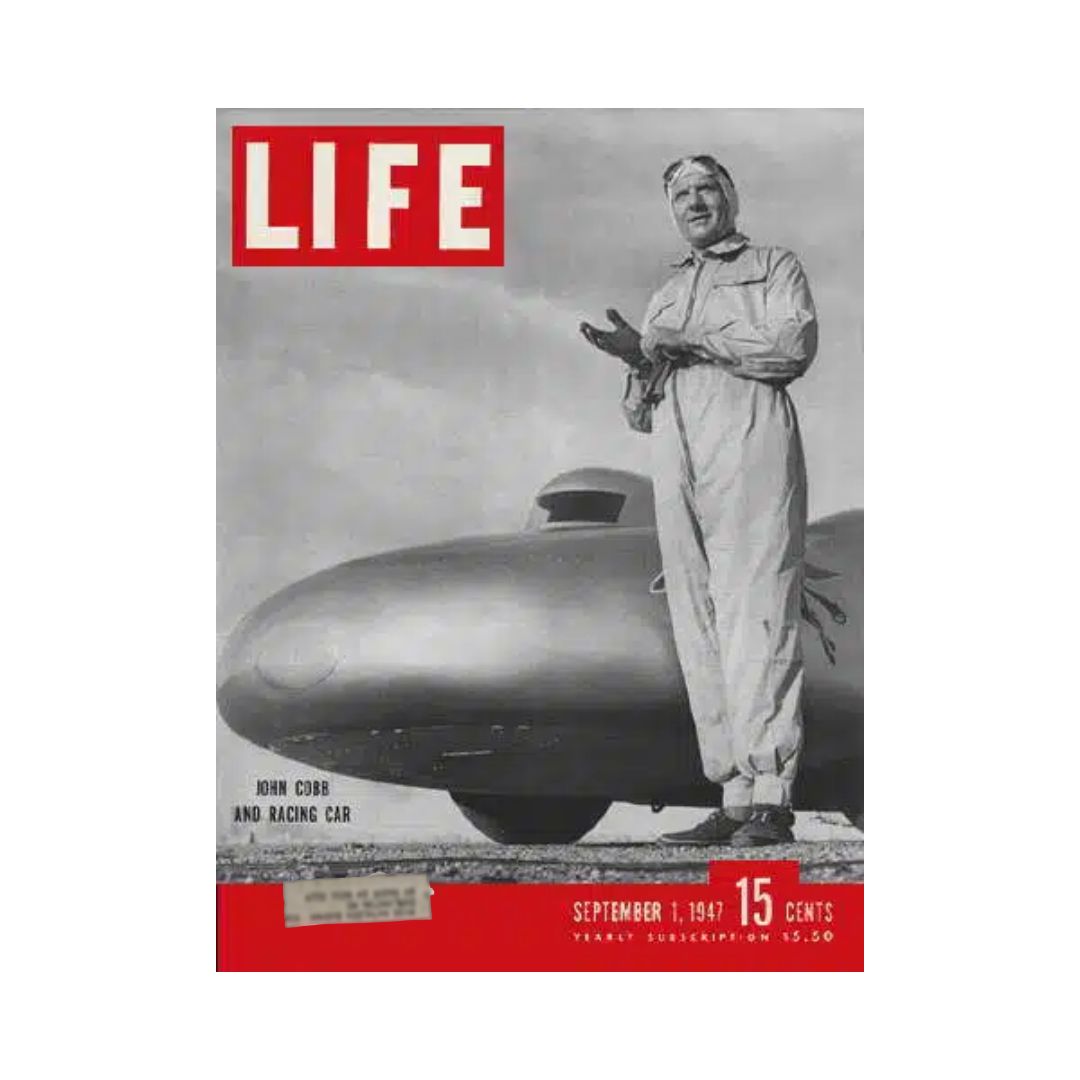
- The World Speed Record & Jet Age Technology: Popular Mechanics and science-forward titles from this month feature breathless coverage of John Cobb's 394.2 mph land speed record and the testing of the first four-engined jet fighter—genuine artifacts of the moment America began racing toward the future.
The Perfect Gift
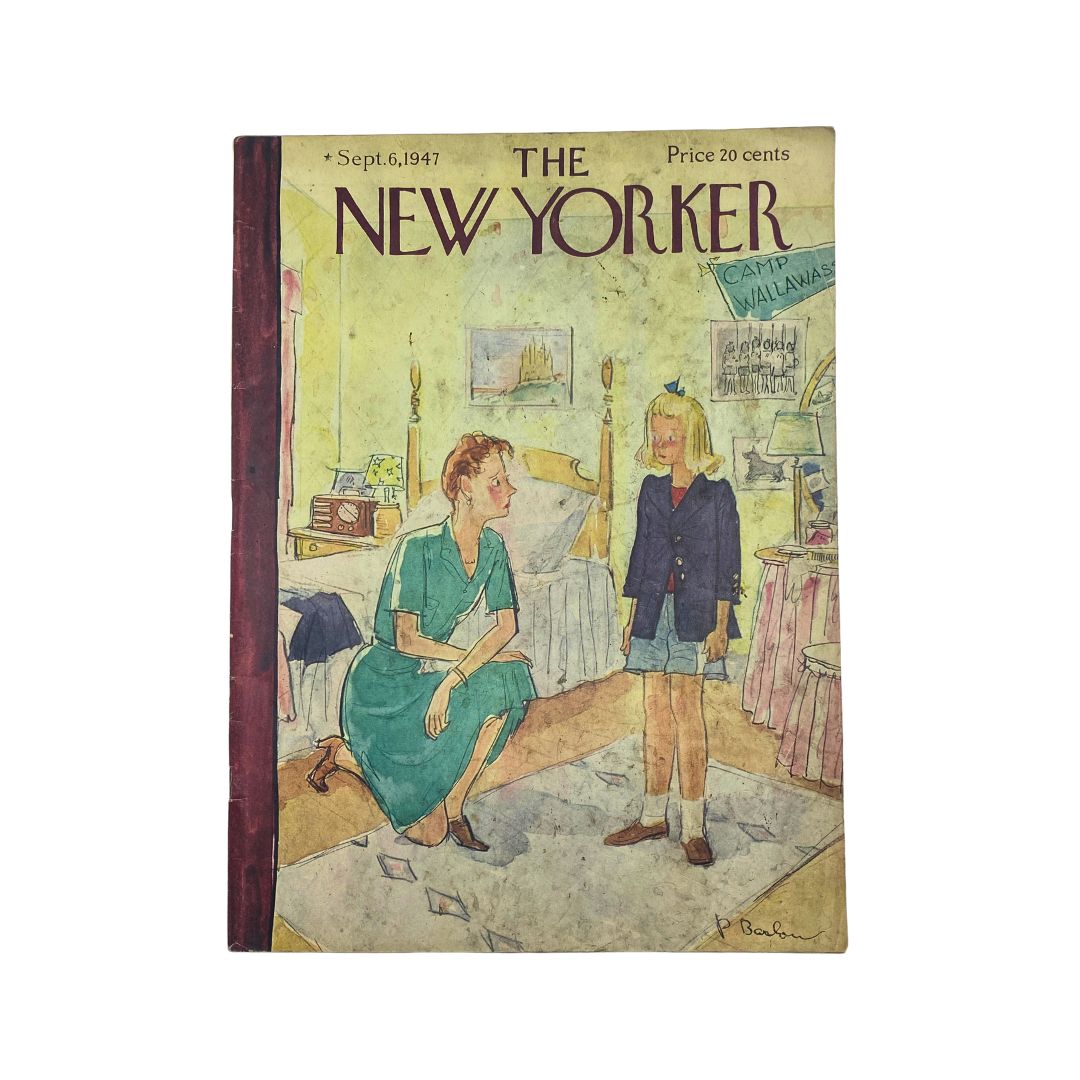
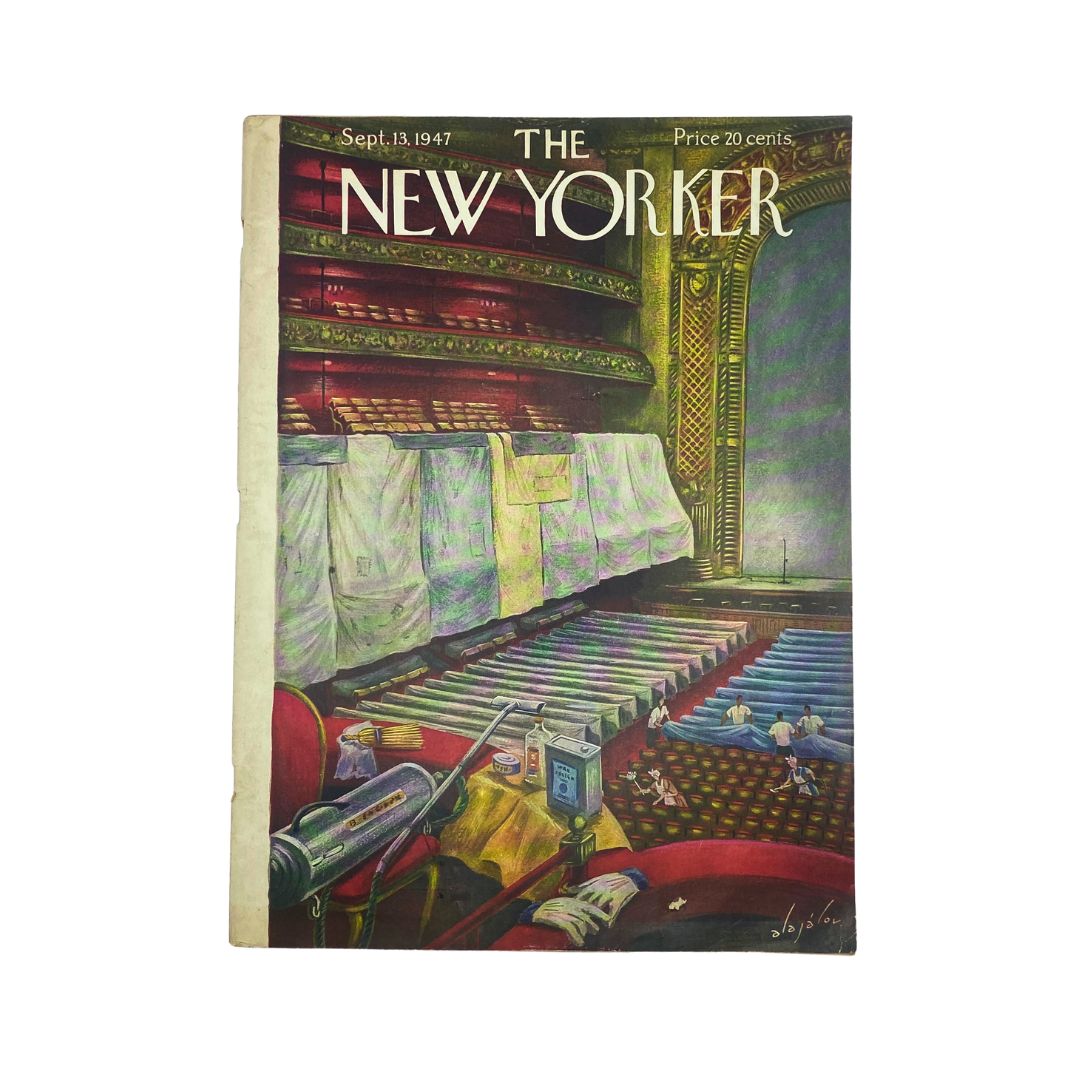
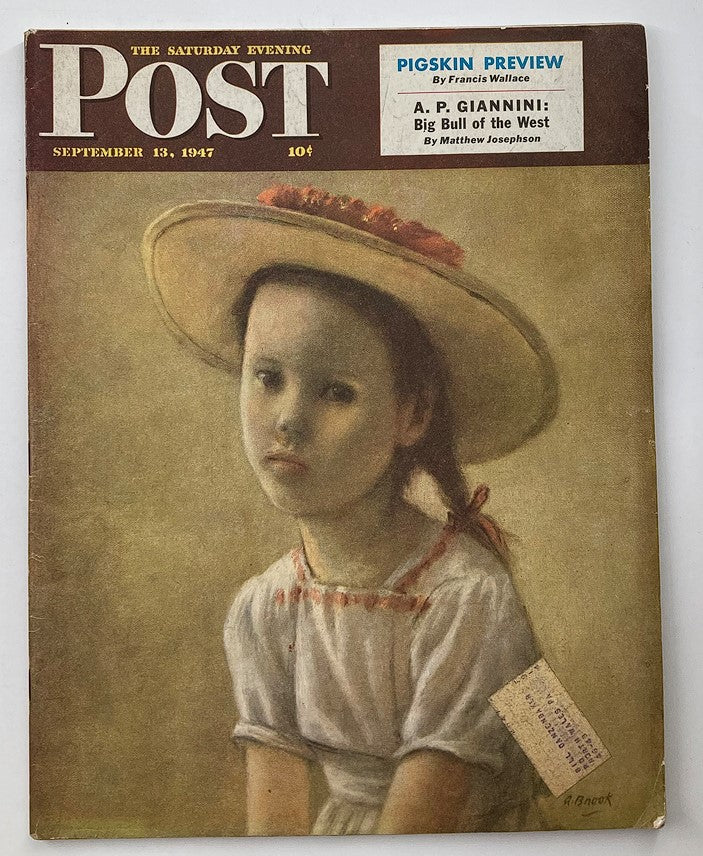
For someone born in September 1947, an original magazine from this pivotal month isn't just a birthday gift—it's an authentic time capsule of the week America built its Cold War foundations, preserved in genuine headlines, period advertisements, and photography that no reproduction can replicate.