




Description
Collector's Note – Why This Issue Matters
The February 19, 1980 issue of Circus Magazine featuring Debbie Harry and Robert Plant with a confirmed Kiss poster is a primary document of one of the most precisely datable moments of transition in American popular music — the specific weeks in which the late-1970s rock landscape was being actively renegotiated by the arrival of new wave as a mainstream commercial force. Debbie Harry and Blondie had released Eat to the Beat in October 1979 and the single "Call Me" — the theme from American Gigolo — was released in February 1980, the same month as this issue, going on to become the best-selling single of 1980 in the United States. A Circus feature on Harry in February 1980 therefore documents her at the precise moment of her transition from downtown New York new wave figure to mainstream American pop phenomenon — the specific weeks in which Blondie completed its crossover from the CBGB scene into the top of the American charts. For collectors building archives of Debbie Harry magazines, this February 1980 issue sits at one of the most historically specific and well-documented threshold moments in her career.
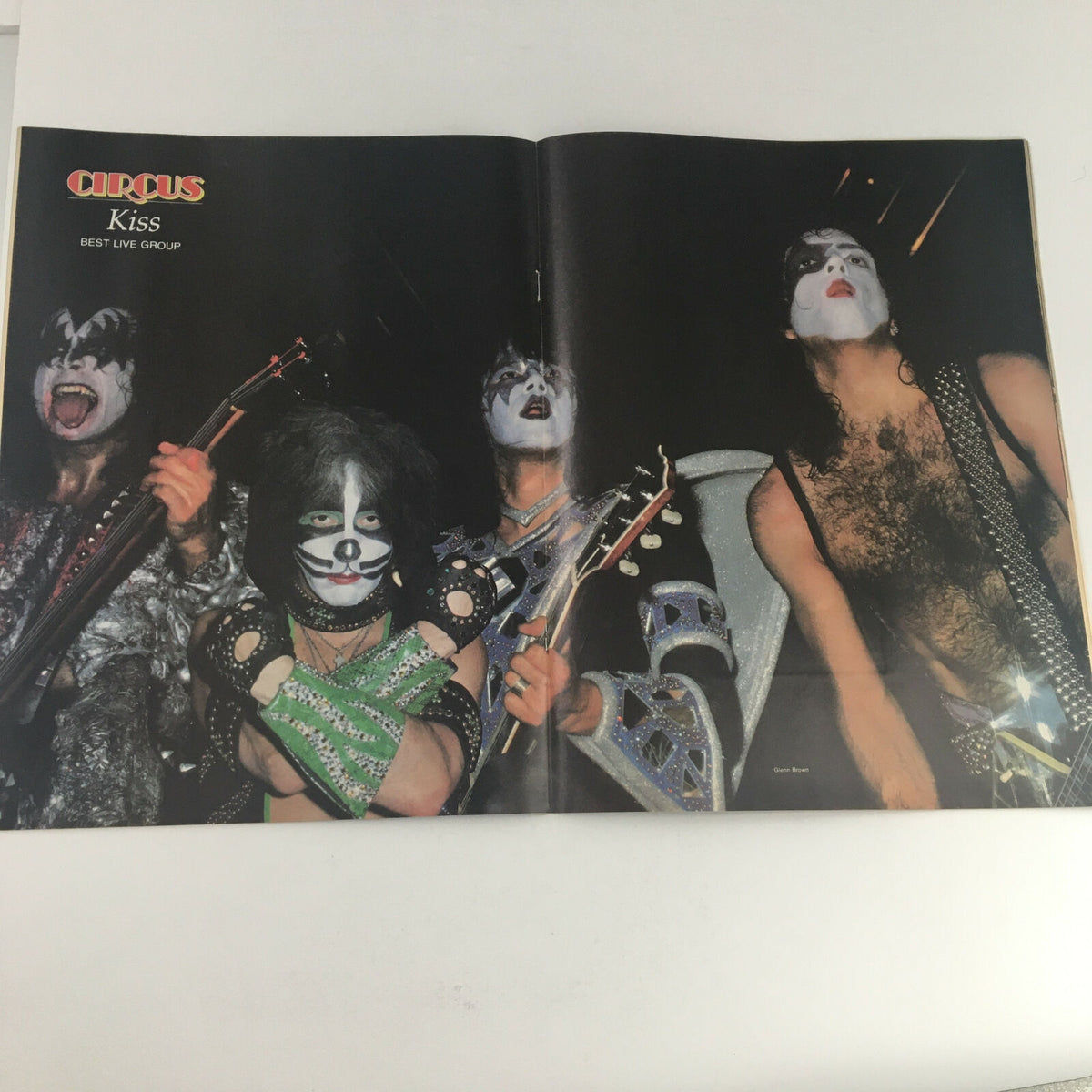
Robert Plant's presence in the same issue situates it within a different but equally significant musical moment. Led Zeppelin had released In Through the Out Door in August 1979 — their first studio album in three years — and the band was in the early stages of planning what would prove to be their final tour, the 1980 European tour that ended with John Bonham's death in September 1980 and the band's dissolution. A February 1980 Circus feature on Plant documents him at the last chapter of Led Zeppelin's active existence, though that fact was not yet known. The confirmed Kiss poster adds a third collecting dimension: Kiss in early 1980 was between their Dynasty album of 1979 and the Unmasked album later that year, still fully in their classic makeup era and at the peak of their merchandise and poster market dominance. A pull-out Kiss poster in a February 1980 Circus is primary material from the final year of the band's original four-member unmasked lineup's commercial peak. Collectors focused on Robert Plant magazines, the Circus magazine archive, and the broader 1980 music press will find this issue documenting three of the era's most significant rock and pop figures at specific and consequential career moments simultaneously.
About the Publication
Circus Magazine was founded in 1966 and by February 1980 had established itself as one of the dominant American rock music magazines, competing directly with Creem and Rolling Stone for the serious rock readership while maintaining a more fan-oriented, poster-inclusive format that distinguished it from the more journalistically ambitious competition. Its editorial format combined artist profiles, concert reviews, industry news, and the pull-out posters that were a signature feature of the publication and a primary reason for its strong newsstand sales among teenage rock fans. By 1980, its coverage spanned the full range of late-1970s rock — from established arena acts like Led Zeppelin and Kiss to the new wave and punk acts that were reshaping the American rock landscape — making it a reliable documentary record of the transitional moment this February issue captures.
Key Highlights Inside
- Debbie Harry — confirmed feature coverage — Documentation of Harry in February 1980, the month of "Call Me"'s release and Blondie's definitive American mainstream crossover, capturing her at the precise threshold moment between new wave figure and pop phenomenon.
- Robert Plant — confirmed feature coverage — Coverage of Plant in February 1980, seven months before John Bonham's death would end Led Zeppelin, documenting him in the final active chapter of the band's existence without the retrospective knowledge of what that year would bring.
- Kiss poster — confirmed pull-out included — A primary piece of Kiss merchandise-era ephemera from the final year of the band's original four-member makeup lineup, representing the peak of their poster market dominance and a confirmed complete element of the issue's original format.
- No subscription label — confirmed newsstand status — Full unobstructed cover imagery preserved without address label obstruction, a meaningful positive attribute for a publication whose cover photography is a primary element of its collecting appeal.
- February 19, 1980 — new wave and classic rock in direct juxtaposition — A single issue documenting the coexistence of new wave's commercial breakthrough moment and classic rock's final chapter, capturing the specific transitional weeks in which the American rock landscape was being fundamentally reorganized.
Condition & Rarity
Good condition with minor wear consistent with age, no subscription label, and plastic protective covering represents a standard mid-grade assessment for a 45-year-old weekly rock music magazine. The no-label newsstand status preserves the full cover imagery without address obstruction — a meaningful attribute when the cover subjects are the primary reason for collecting interest. The confirmed Kiss poster's presence and condition are the most specific structural attributes to assess from available photographs: pull-out posters in Circus issues were frequently removed for display, and their confirmed intact presence in a surviving copy is a significant positive factor for completeness-oriented collectors. Good condition in a newsprint-stock rock magazine of this age implies cover color retention, page integrity without significant brittleness, and readable interior content throughout — characteristics consistent with a copy that has been stored with care across four and a half decades. The plastic protective covering indicates deliberate preservation at some point in the issue's history.
Looking for More Issues Like This?
February 1980 Circus issues combining Debbie Harry, Robert Plant, and an intact Kiss poster represent a very specific convergence of collecting interests — new wave history, classic rock's final chapter, and Kiss memorabilia — that makes this particular issue more historically layered than most comparable single-subject rock magazine issues from the era. The dedicated archives for Debbie Harry magazines and Robert Plant magazines at OriginalMagazines.com are the most direct resources for collectors tracing each artist's press coverage across their careers. The complete Circus magazine collection and the full 1980 magazine collection are both worth exploring for other issues from the publication's coverage of the transitional year that reshaped American rock music.