📖 About this Collection
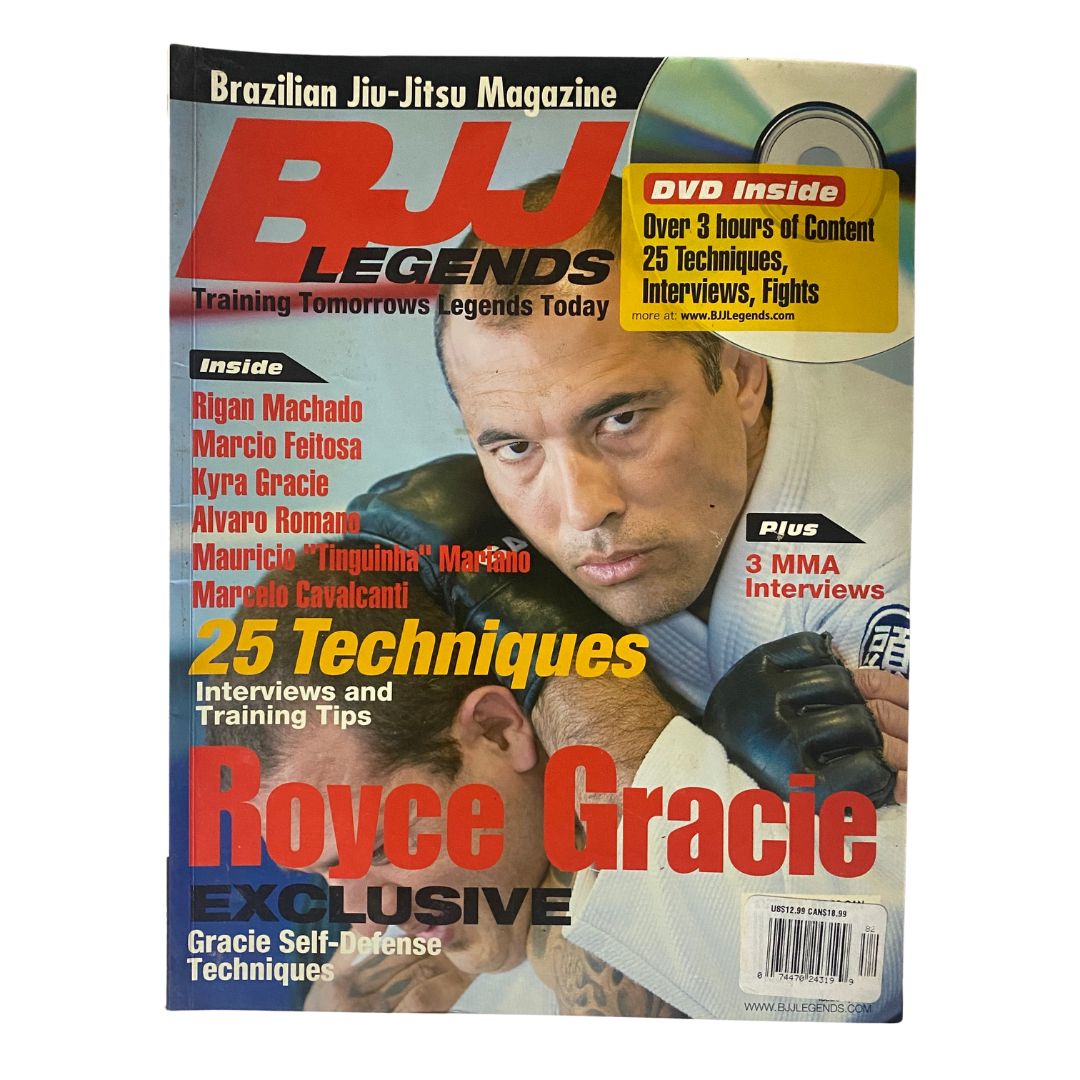
Royce Gracie: The Quiet Storm That Changed Combat Forever
The Legend & The Legacy
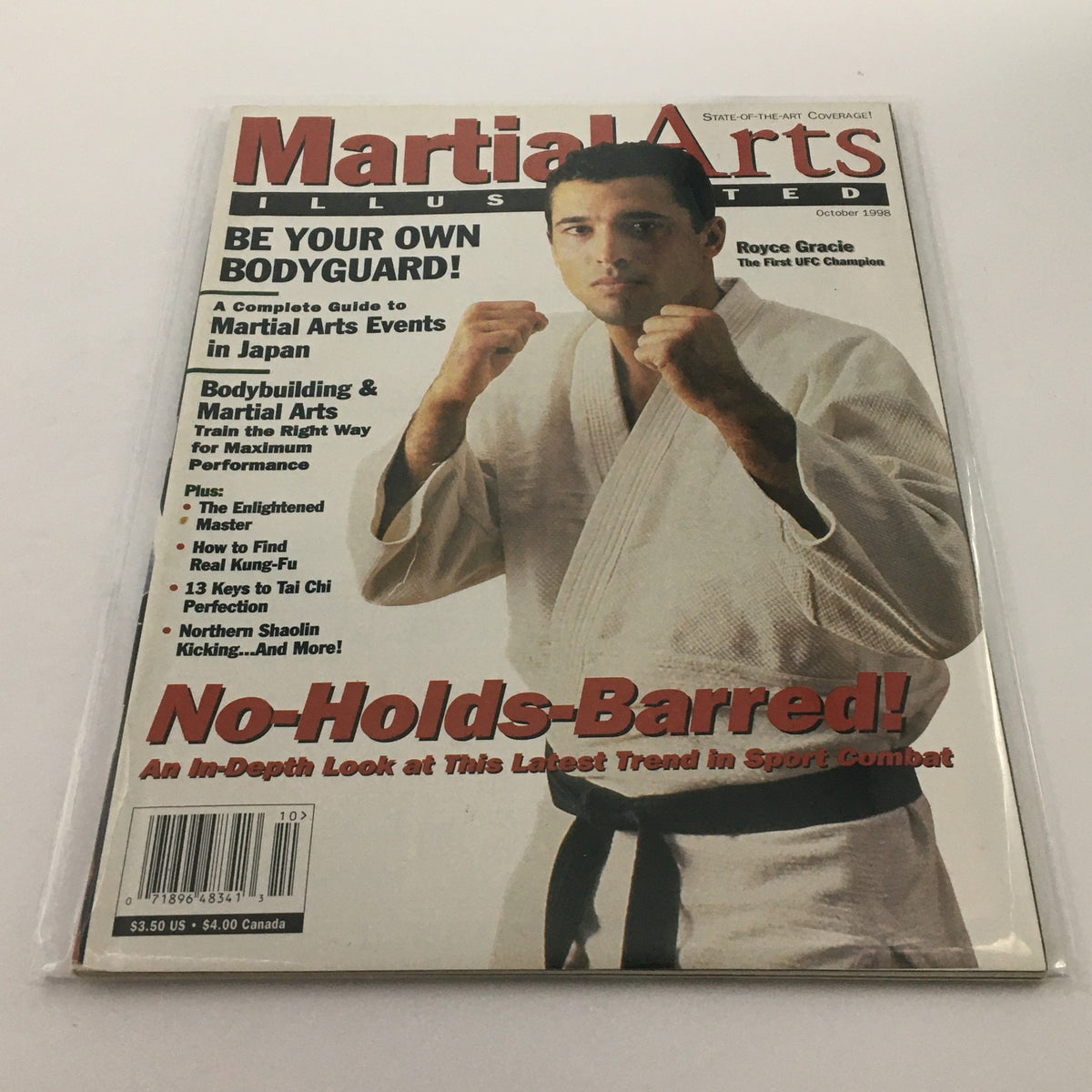
Before the internet could stream a submission hold in real time, before algorithm-driven highlight reels reduced a decade of mastery to a thirty-second clip, the story of Royce Gracie traveled the way all great stories once did — through ink, paper, and the slow burn of a readership that had to earn its understanding. When the young Brazilian stepped barefoot onto the mat at UFC 1 in November 1993 and proceeded to dismantle fighters twice his size using a martial art most Americans had never heard of, the sporting world did not simply witness an upset — it witnessed a paradigm collapse. In an era when boxing ruled combat sports and brute physicality was considered the supreme currency of fighting, this lean, methodical heir to the Gracie jiu-jitsu dynasty demonstrated, in front of a stunned pay-per-view audience, that technique, leverage, and calm intelligence could render size and aggression irrelevant. The cultural shockwave was immense. Martial arts schools across the United States and Europe scrambled to teach Brazilian jiu-jitsu almost overnight. He became, without seeking celebrity, the most consequential figure in the history of modern combat sports — a man who did not merely win fights, but permanently rewrote the question of what fighting was.
Inside the Archive
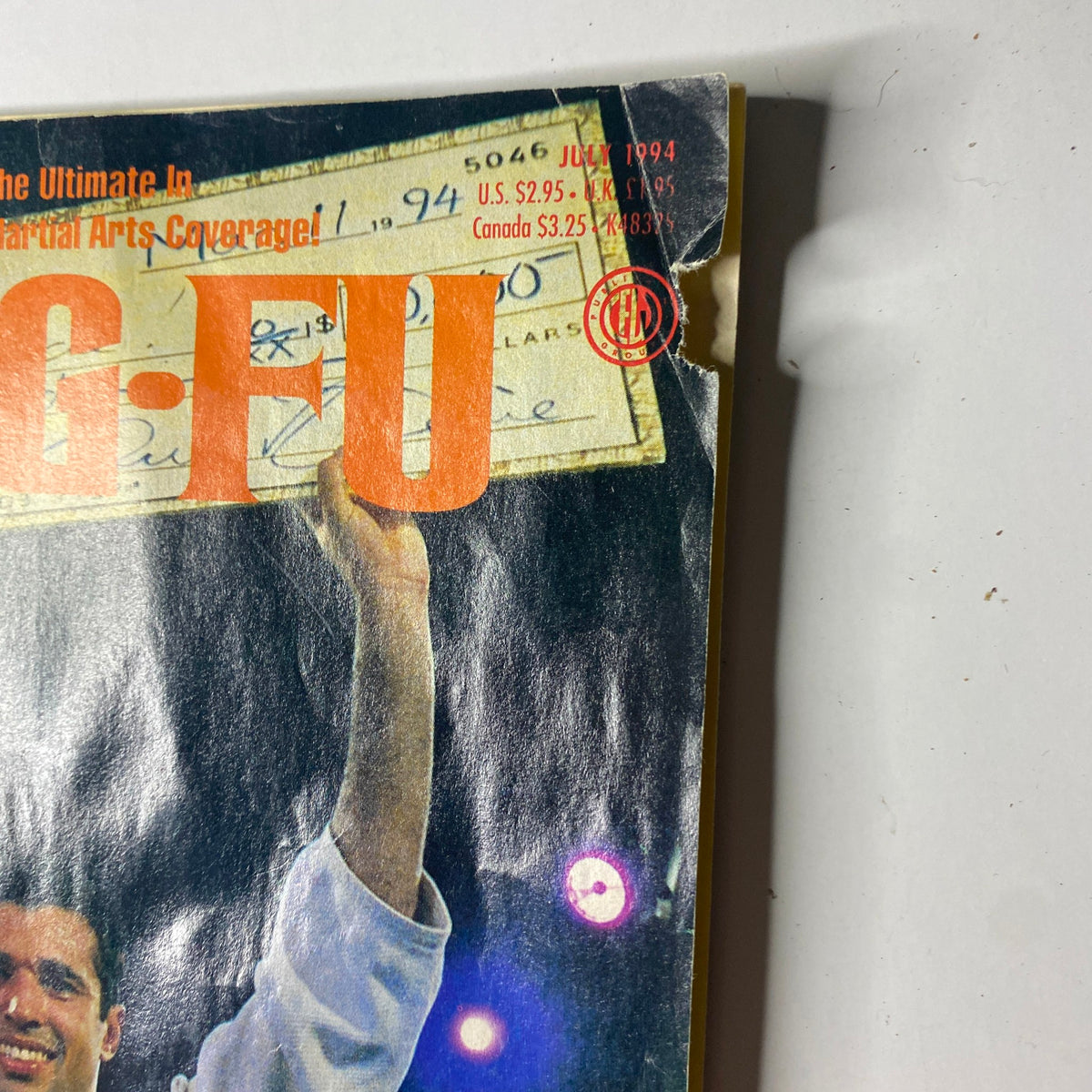
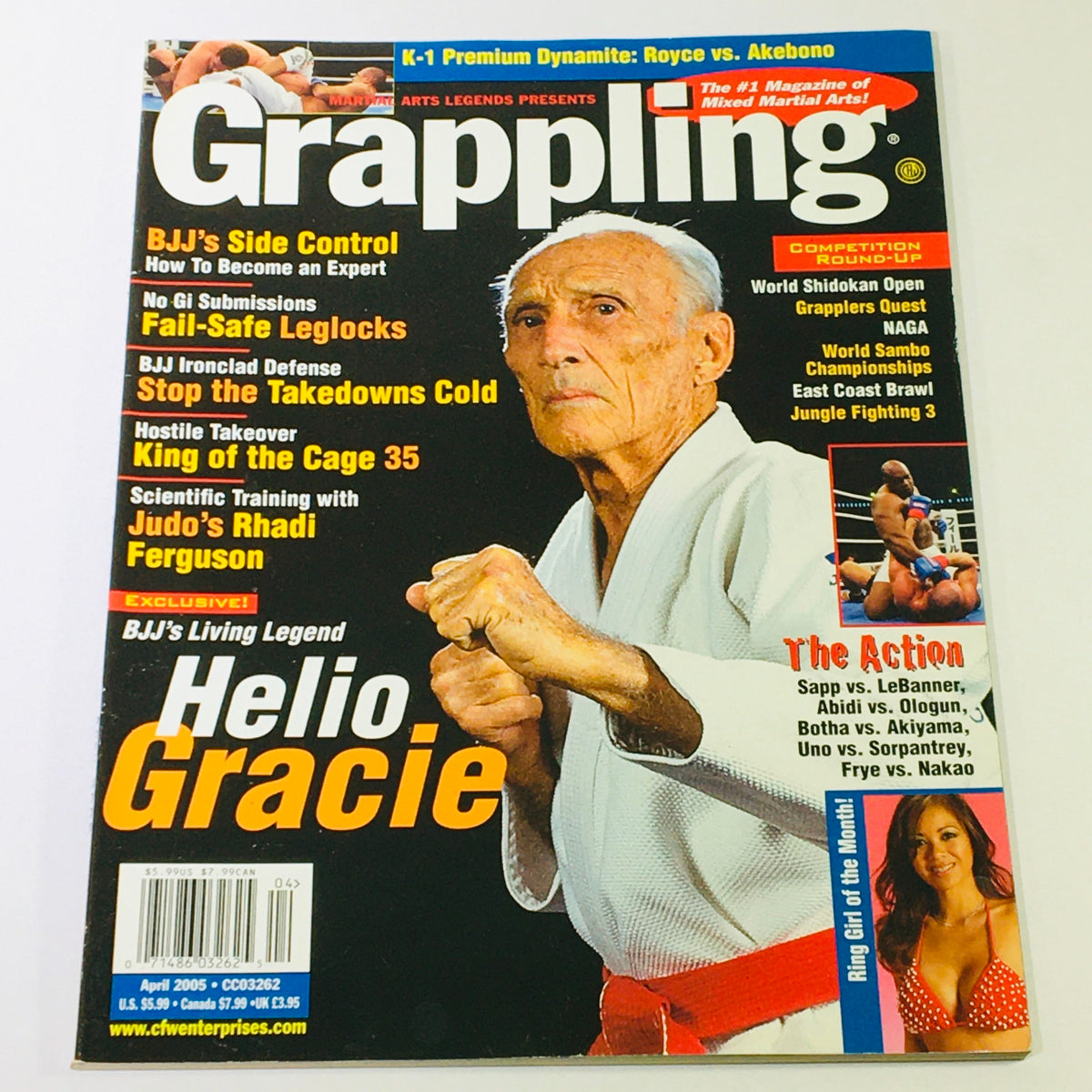
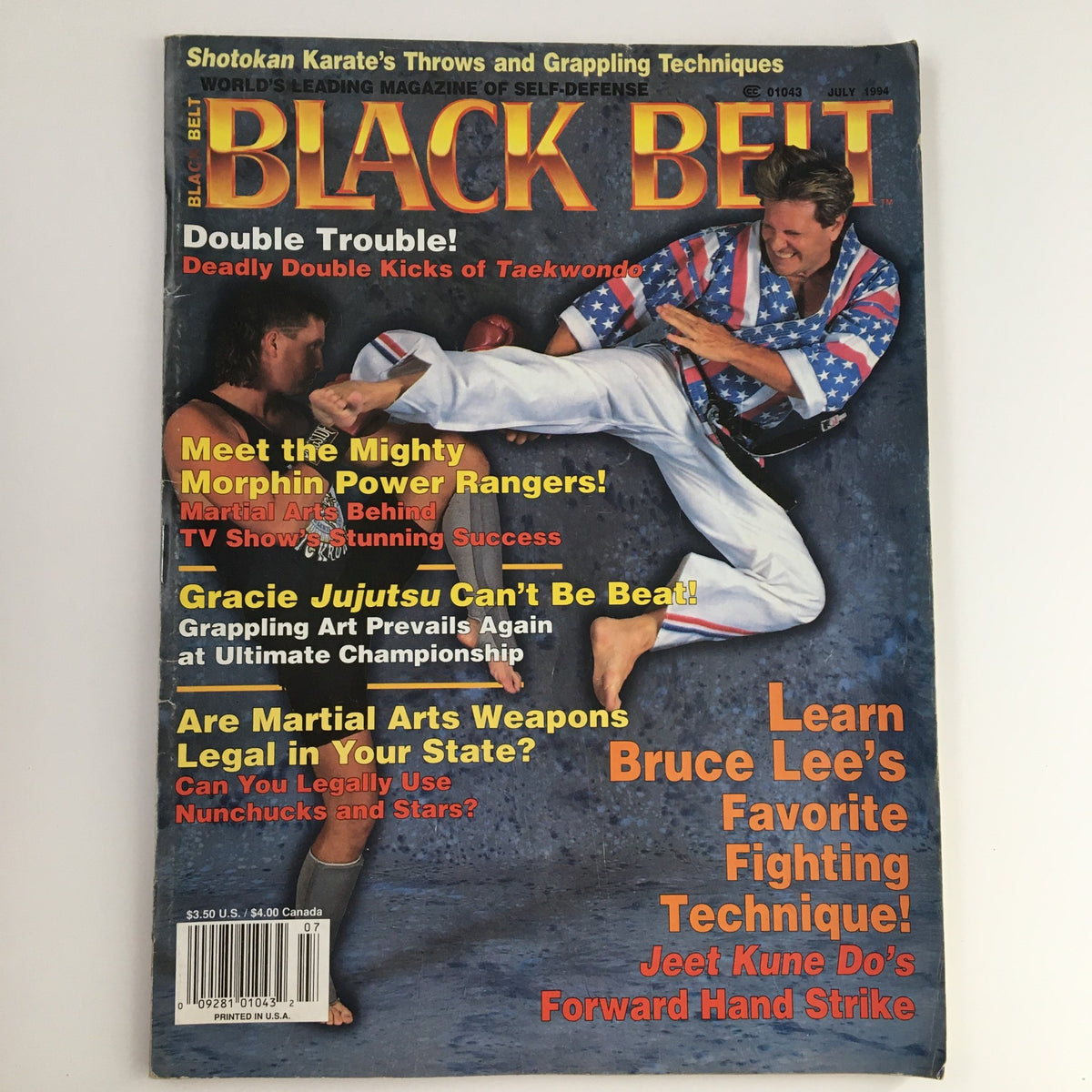
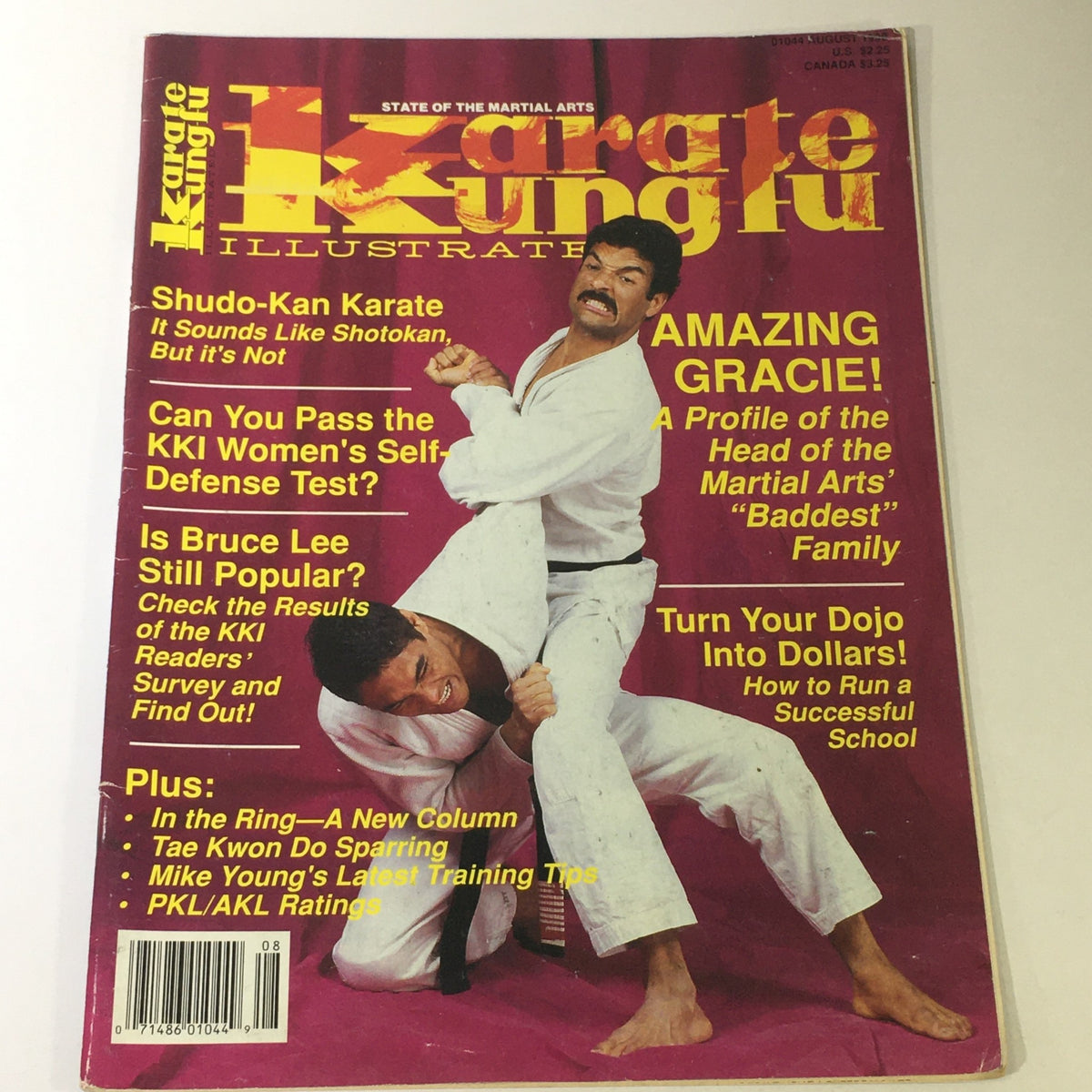
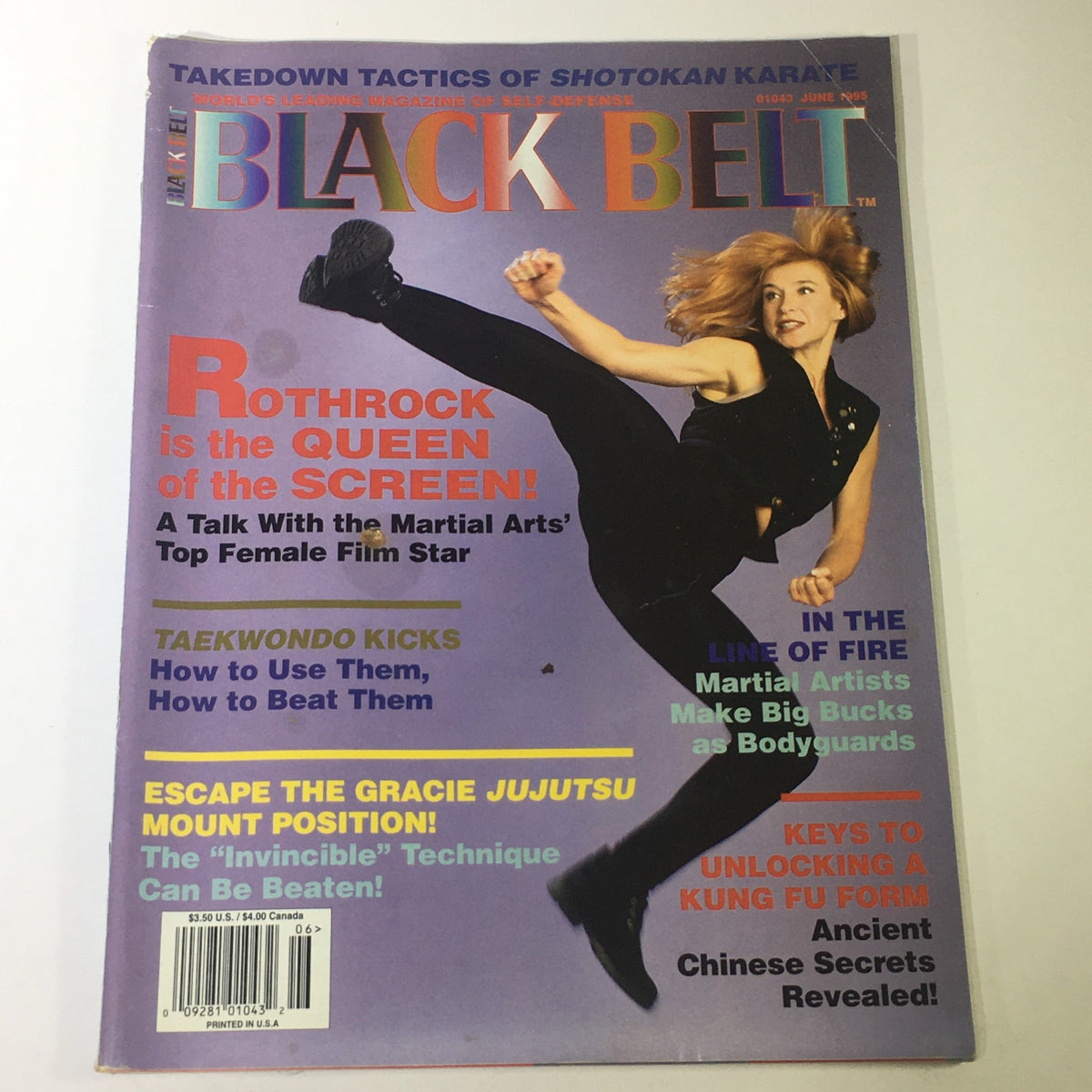
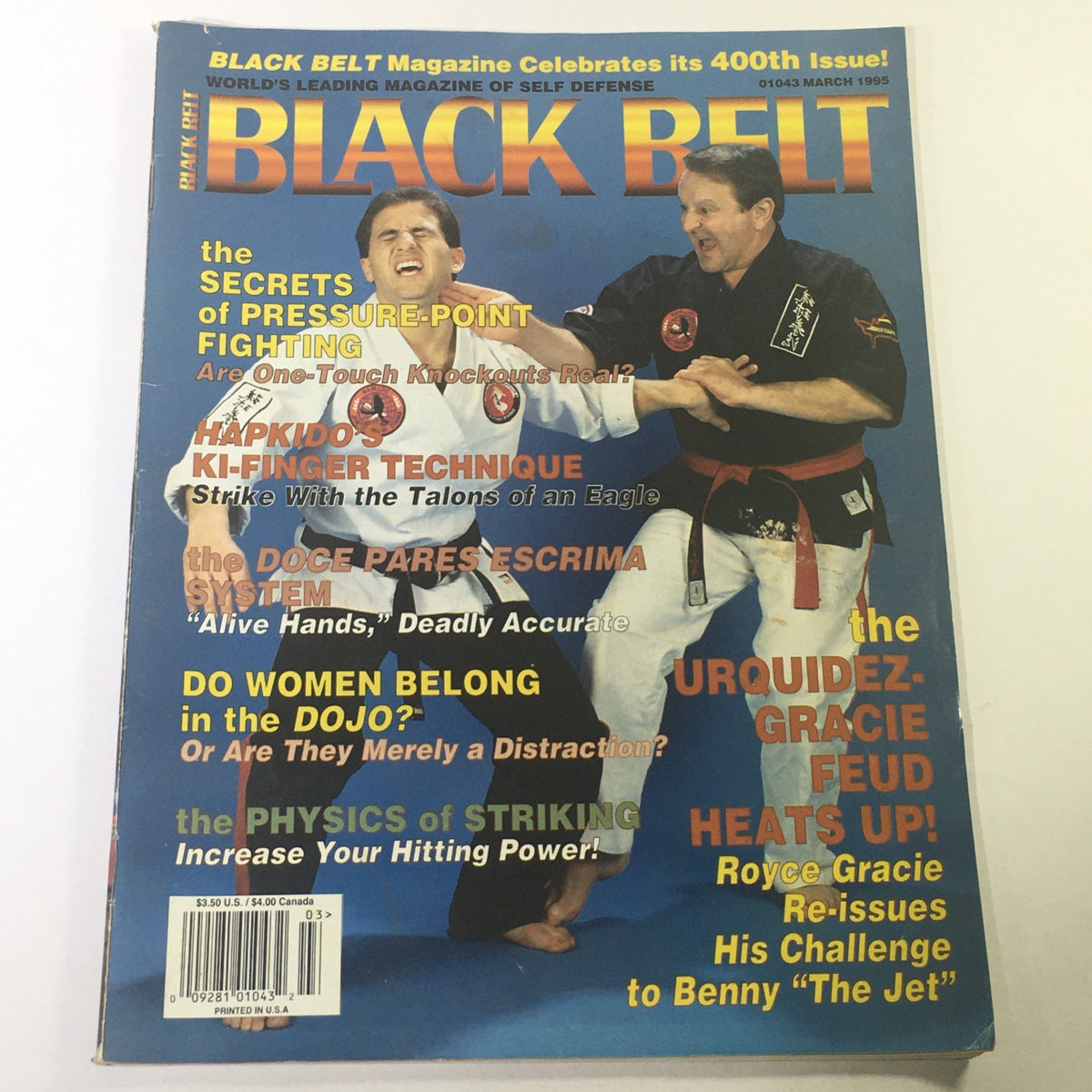
The print media that chronicled his rise was as varied as the audiences it served, and together these publications form an extraordinary documentary record of a sporting revolution unfolding in real time. In the United States, Sports Illustrated approached his story with the measured gravity it reserved for athletes who genuinely altered their disciplines — profiles that grappled seriously with the philosophical underpinnings of jiu-jitsu and the Gracie family's multigenerational mission to prove its supremacy. The martial arts press, led by the enormously influential Black Belt magazine, devoted substantial editorial real estate to his techniques, his lineage, and the existential challenge he posed to traditional striking arts — issues from the mid-to-late 1990s frequently feature full-spread instructional photography, moody studio portraits, and breathless feature writing that captures an industry in genuine upheaval. Meanwhile, Brazilian publications such as Placar — the country's premier sports magazine — covered him with the particular pride of a nation watching one of its own export a cultural treasure to a disbelieving world, their photography warm and intimate, their editorial tone celebratory in a way that American coverage, still uncertain of how to classify him, rarely matched. Together, these publications do not merely report on a fighter; they document the birth of an entirely new sporting culture.
Curator's Checklist: Highlights Often Include
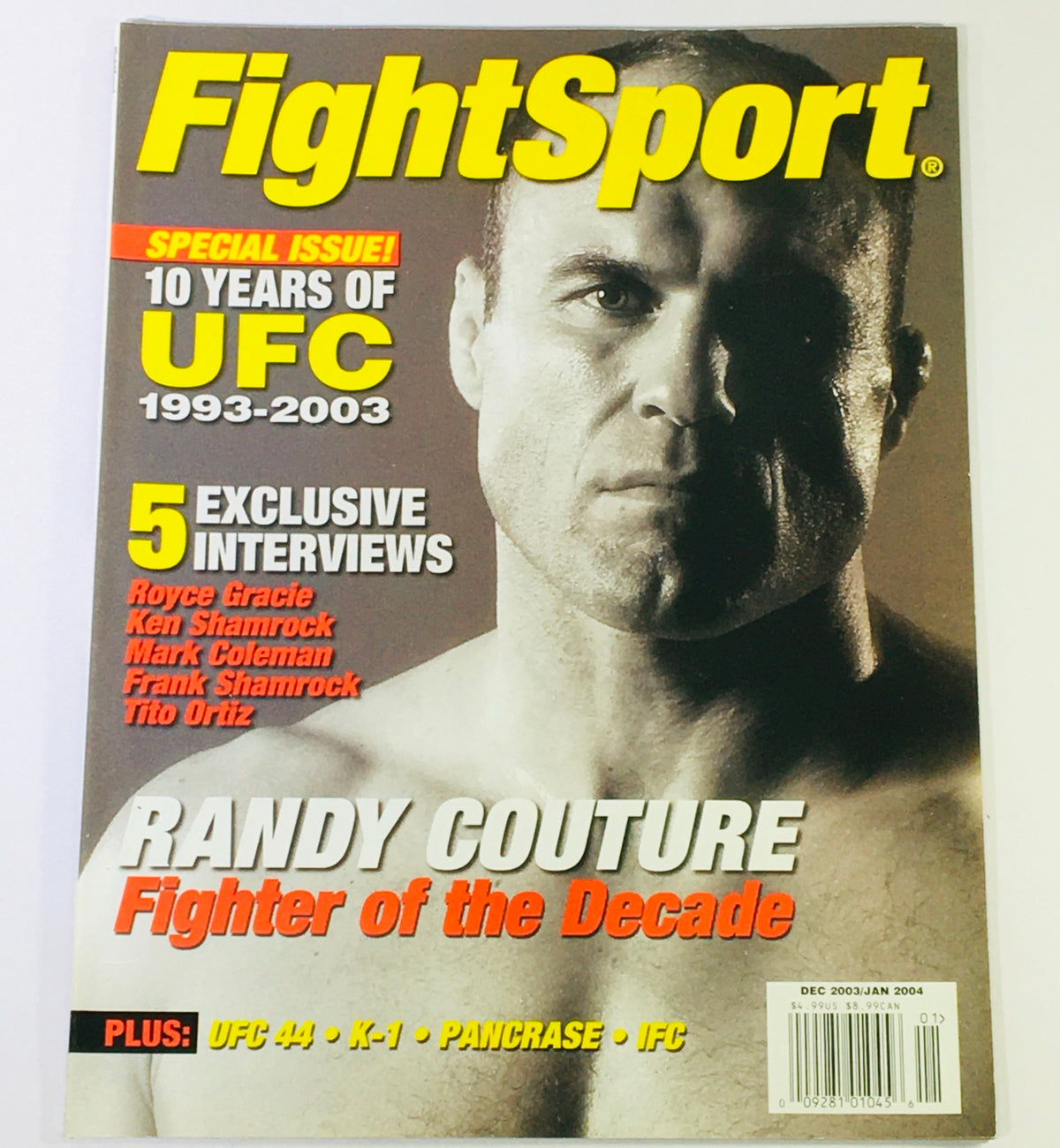
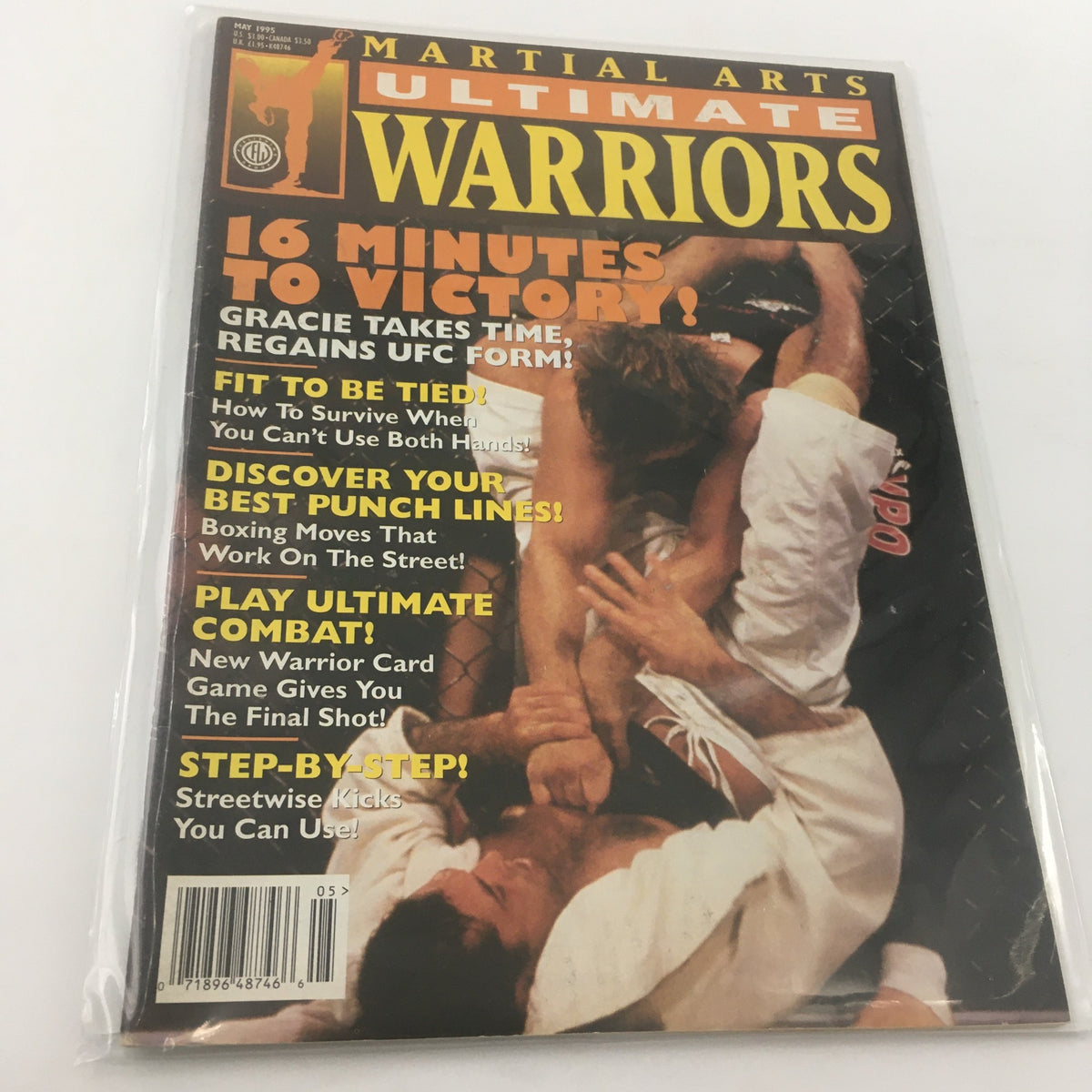
- Early UFC Era Coverage (1993–1995): Issues from combat sports and general interest publications reacting in real time to the original Ultimate Fighting Championship tournaments, often featuring debate-style editorial copy questioning whether no-holds-barred competition was sport, spectacle, or something altogether more dangerous — with the Gracie name at the center of every argument.
- Technique & Instructional Spreads: Black Belt and its contemporaries frequently ran multi-page photographic breakdowns of Brazilian jiu-jitsu fundamentals attributed to the Gracie school, with captions and diagrams that now serve as historical artifacts of how the art was first introduced to a mainstream Western audience.
- Brazilian National Press Features: Domestic Brazilian sports publications celebrating his international victories, offering a perspective on his legacy that is culturally distinct — and far rarer in collector circulation — than their North American counterparts.
- The UFC's Cultural Controversy: General interest and news-adjacent magazines from 1993–1997 sometimes addressed the political and regulatory battles surrounding no-holds-barred fighting, with the Gracie family frequently cited as both the sport's greatest ambassadors and its most polarizing symbols.
- Post-UFC Legacy & BJJ Boom Profiles: By the late 1990s and early 2000s, a second wave of coverage emerged as Brazilian jiu-jitsu academies proliferated globally — reflective, almost reverential features tracing the art's explosion back to its quiet, determined champion.
The Collector's Value
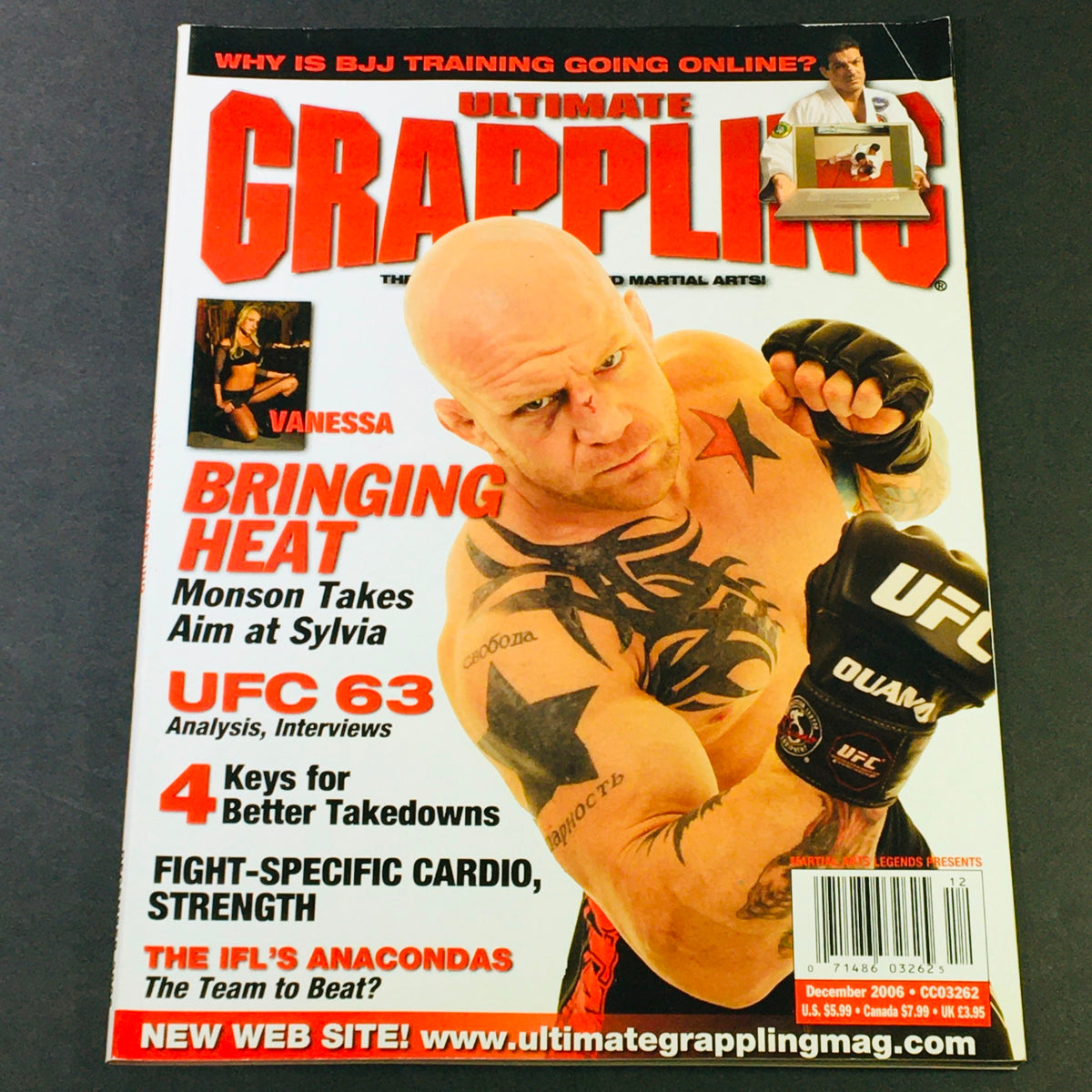
To hold one of these magazines is to hold a document of genuine historical rupture — the paper stock slightly warm or cool depending on its decade of printing, the ink carrying that unmistakable mineral-and-age scent that no digital archive has ever come close to replicating, the surrounding advertisements a vivid time capsule of the sporting world that existed before mixed martial arts remade it entirely. A mid-nineties Black Belt with his image on the cover is not merely a collectible — it is a primary source, a piece of evidence that this revolution was witnessed, debated, and recorded by human hands before the consensus of history had yet been reached. The vintage advertisements for rival martial arts schools, for supplement companies now long dissolved, for VHS fight tapes sold by mail order — all of it contextualizes the moment in a way that a modern retrospective simply cannot manufacture. For collectors of combat sports history, martial arts heritage, or the cultural archaeology of the 1990s sporting landscape, these publications offer something categorically irreplaceable: the unfiltered, contemporaneous reaction of a world encountering a genuinely new idea for the very first time. Browse the current available inventory below and find the issue that belongs in your collection.