📖 About this Collection
Charles Manson: The Face That Haunted a Generation
The Legend & The Legacy
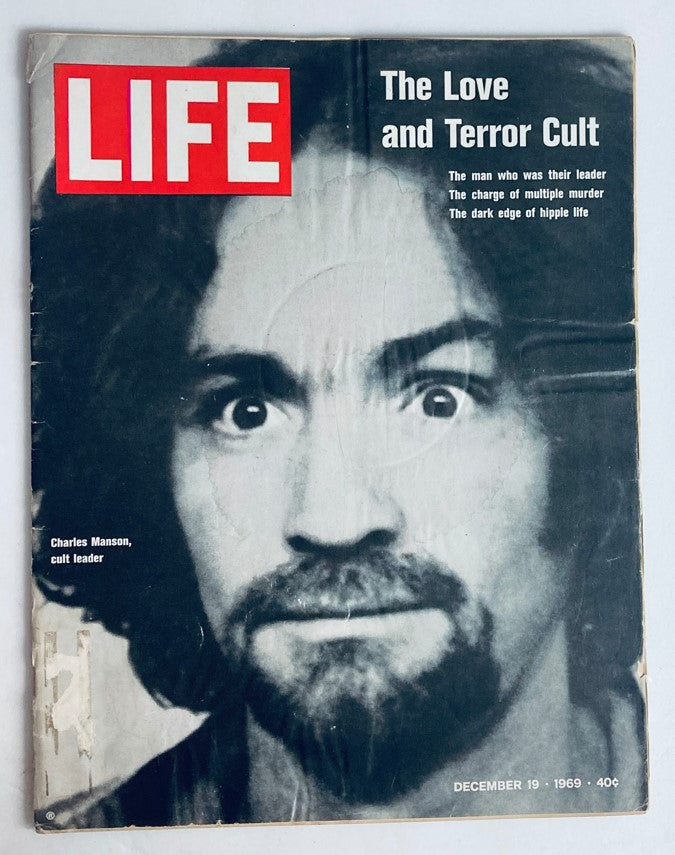
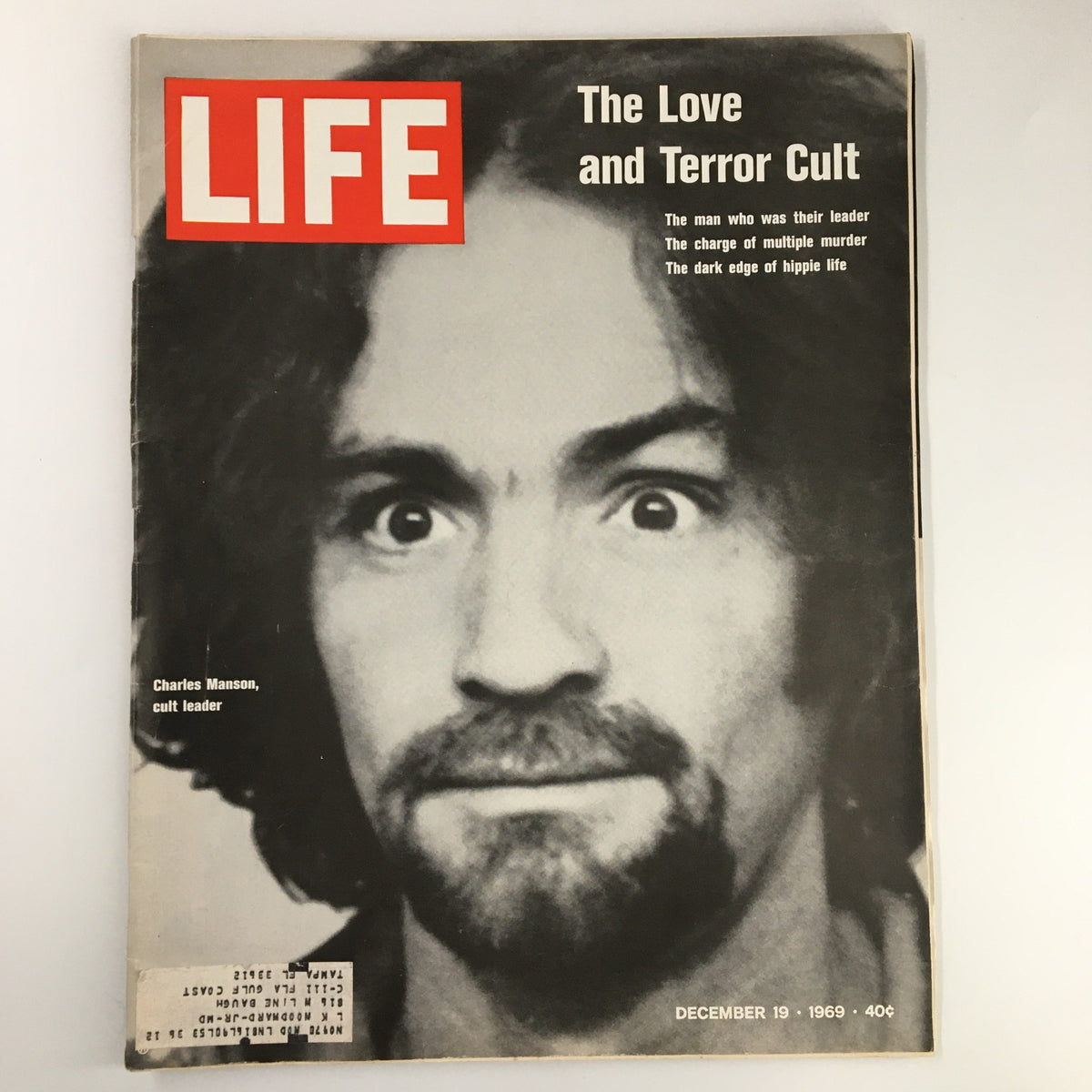
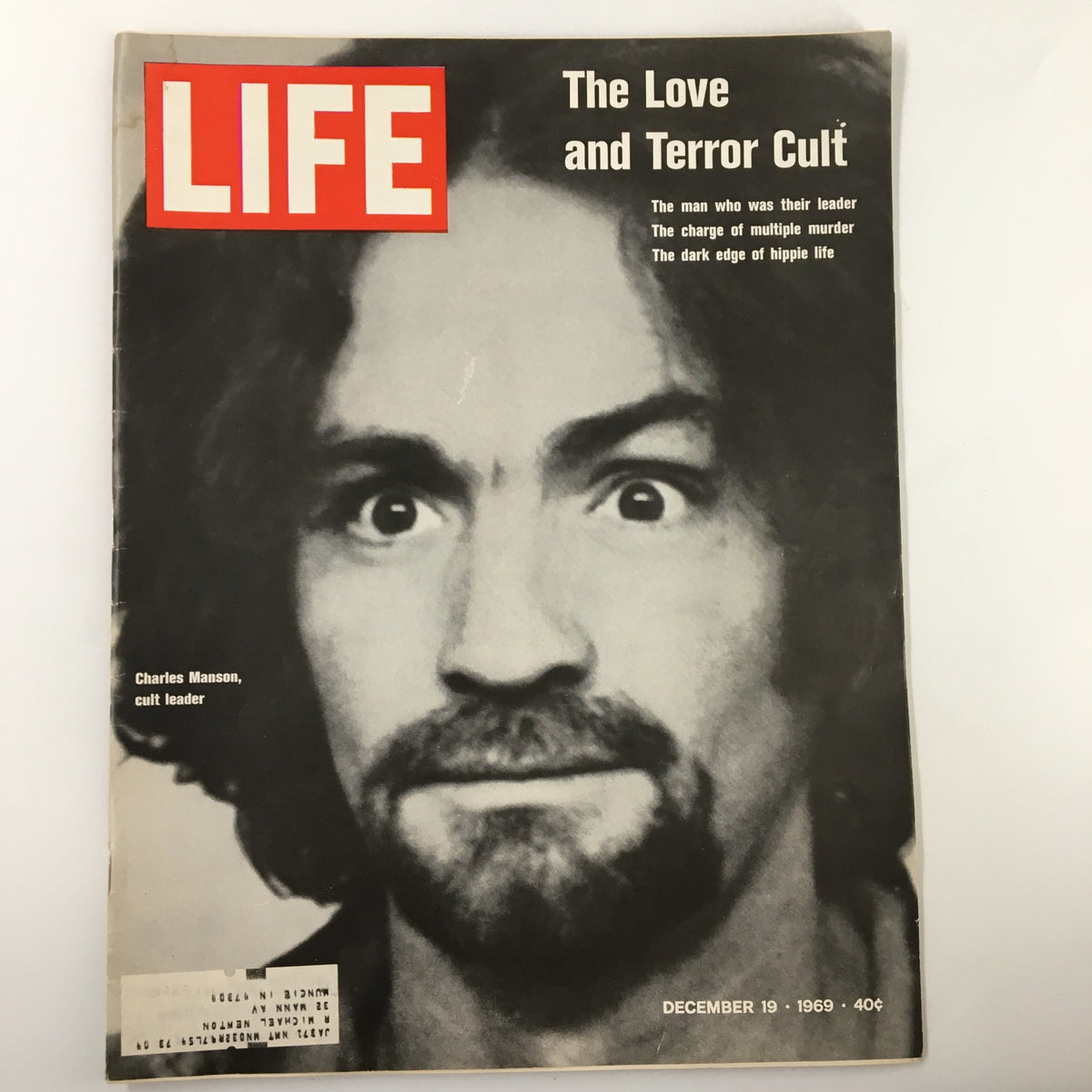
Few figures in 20th-century American history fractured the national psyche with such lasting devastation as the man who turned the promise of the counterculture into its darkest nightmare. In the summer of 1969, the Tate-LaBianca murders didn't merely shock the nation — they symbolically ended an era, pulling back the curtain on the shadow side of free love, communal living, and the dissolution of social order. Long before the internet could reduce tragedy to a trending topic, Americans turned to print to process what had happened: to Life, to Time, to Newsweek, to their local Sunday supplements. The courtroom trial that followed — sprawling, theatrical, and deeply disturbing — became one of the most obsessively documented legal proceedings in American history, its images and headlines seared into the collective memory of an entire decade. The story sold millions of copies, not because audiences were celebrating it, but because they could not look away.
Inside the Archive
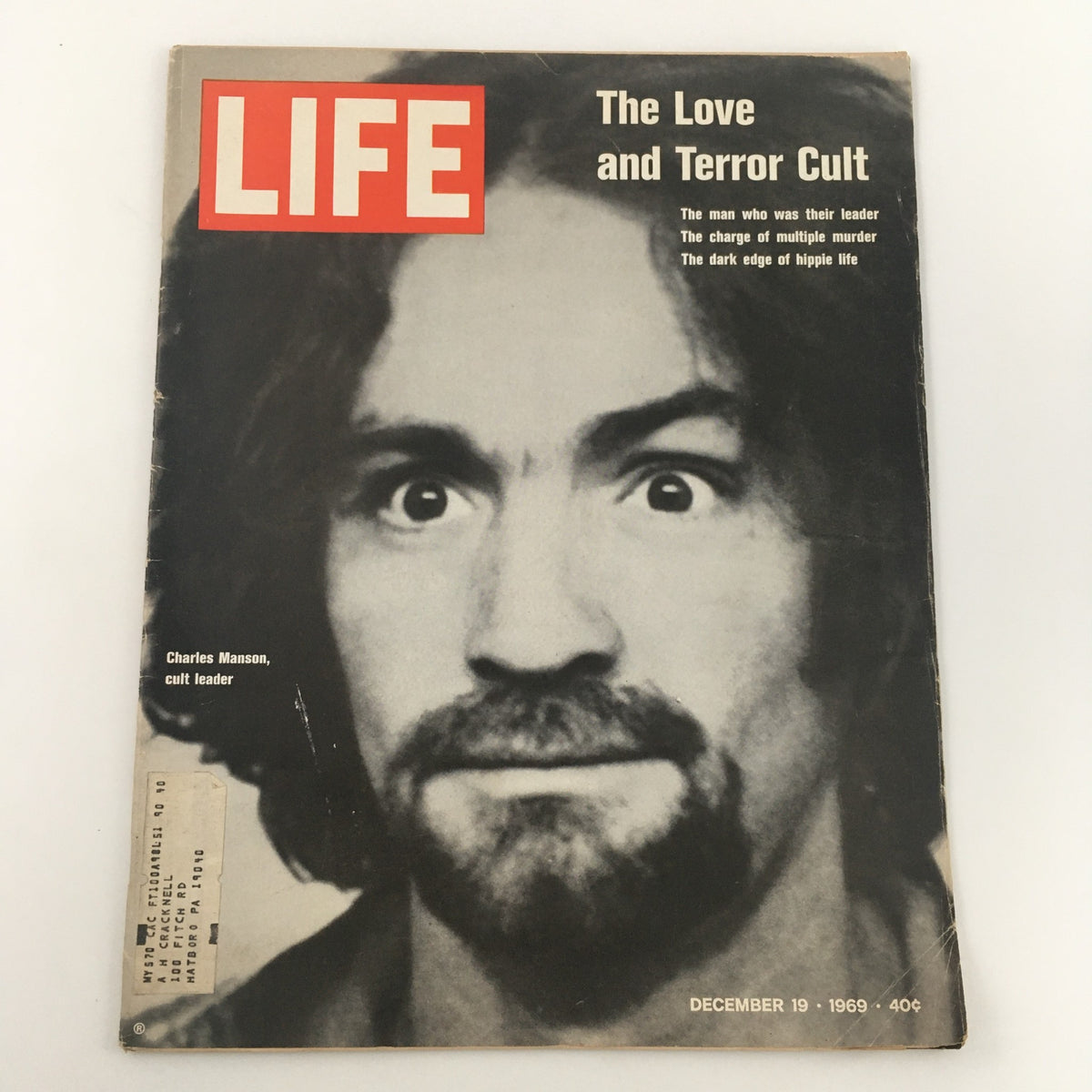
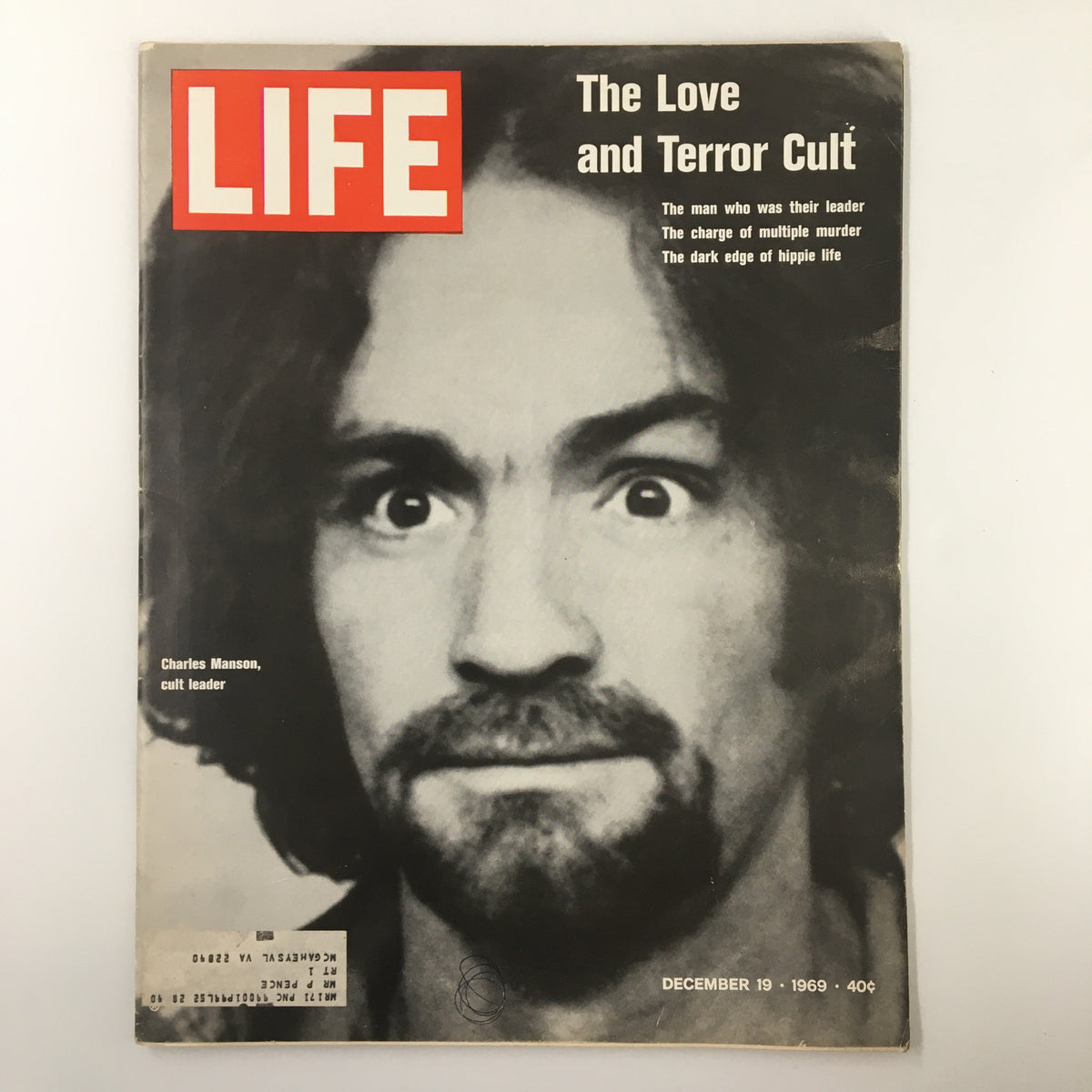
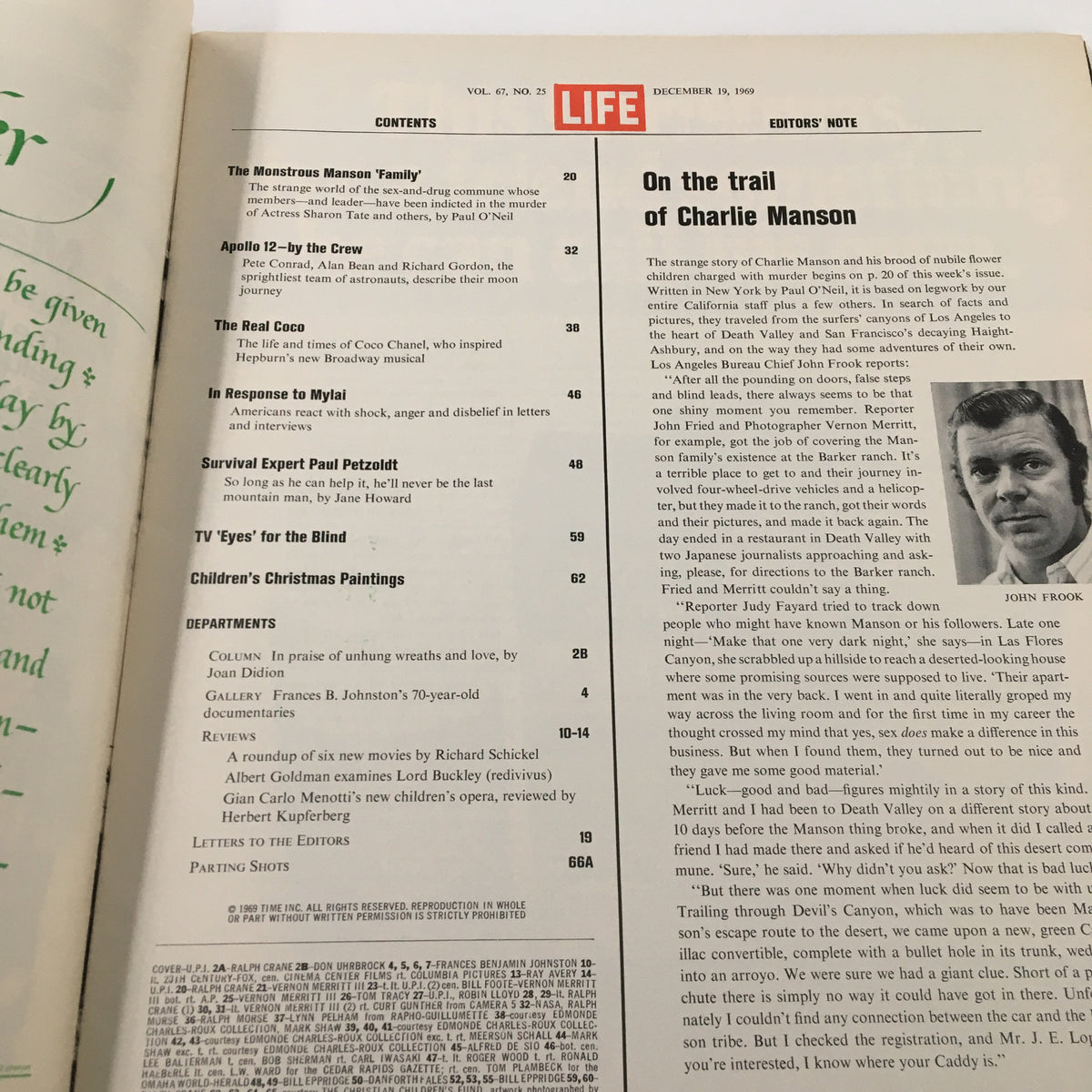
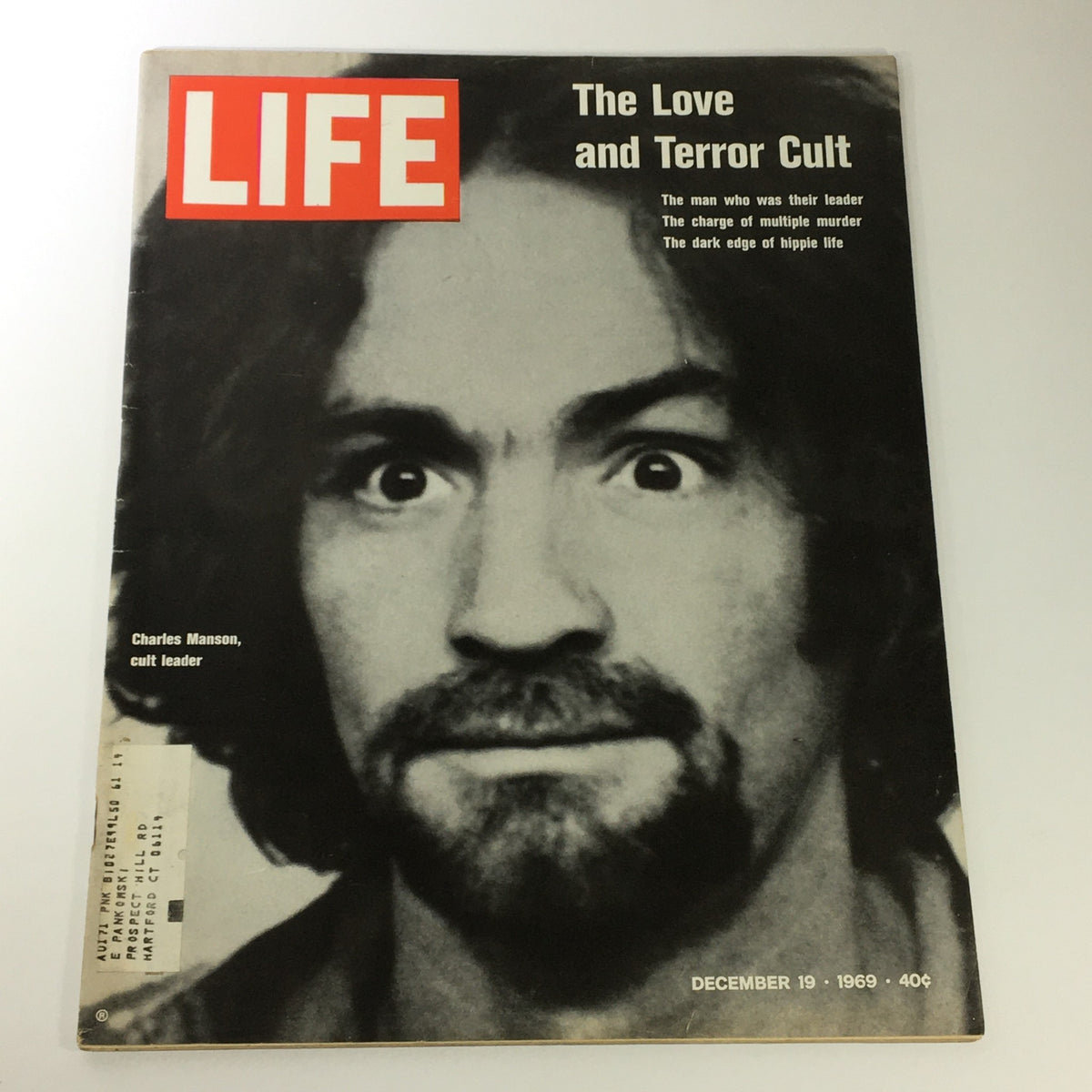
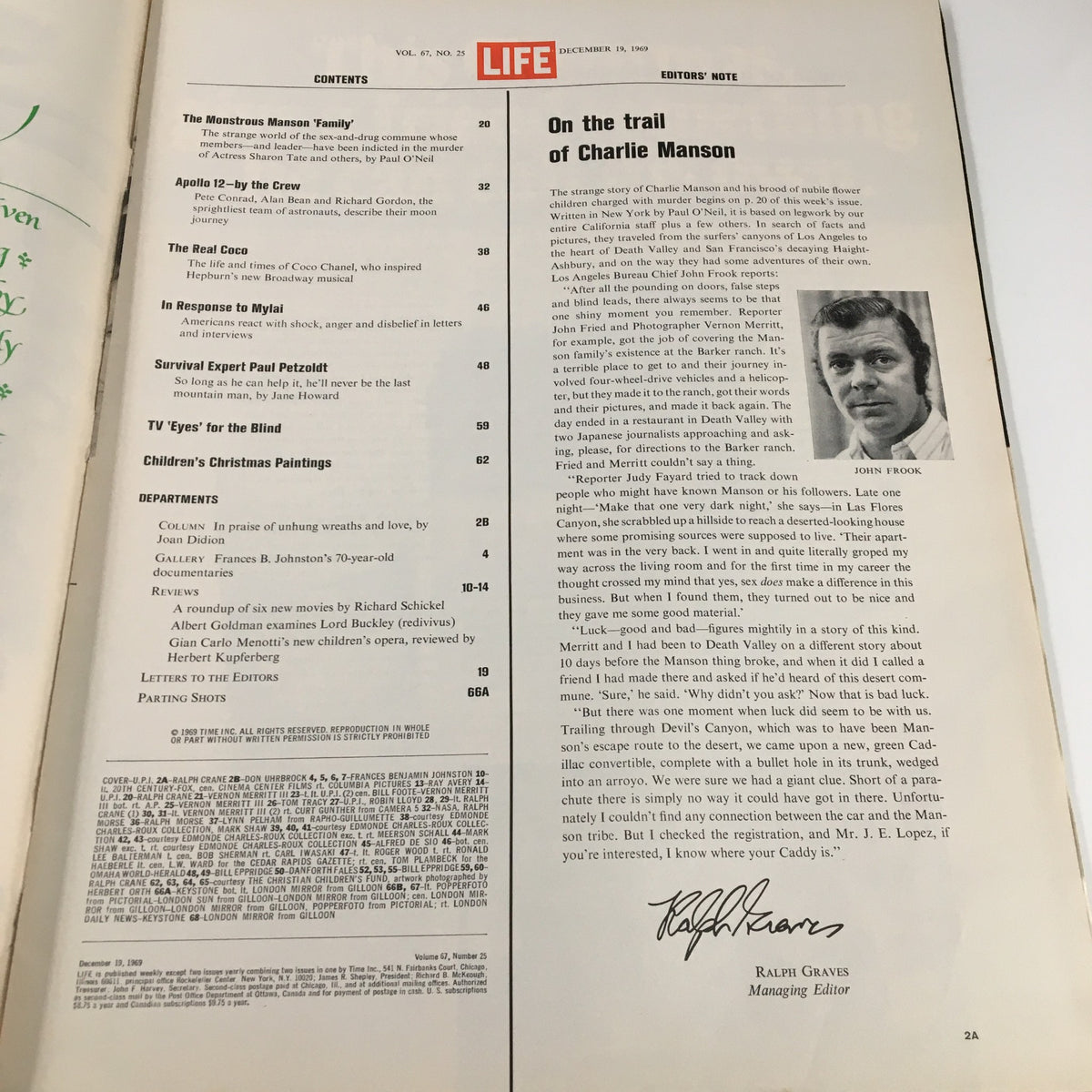
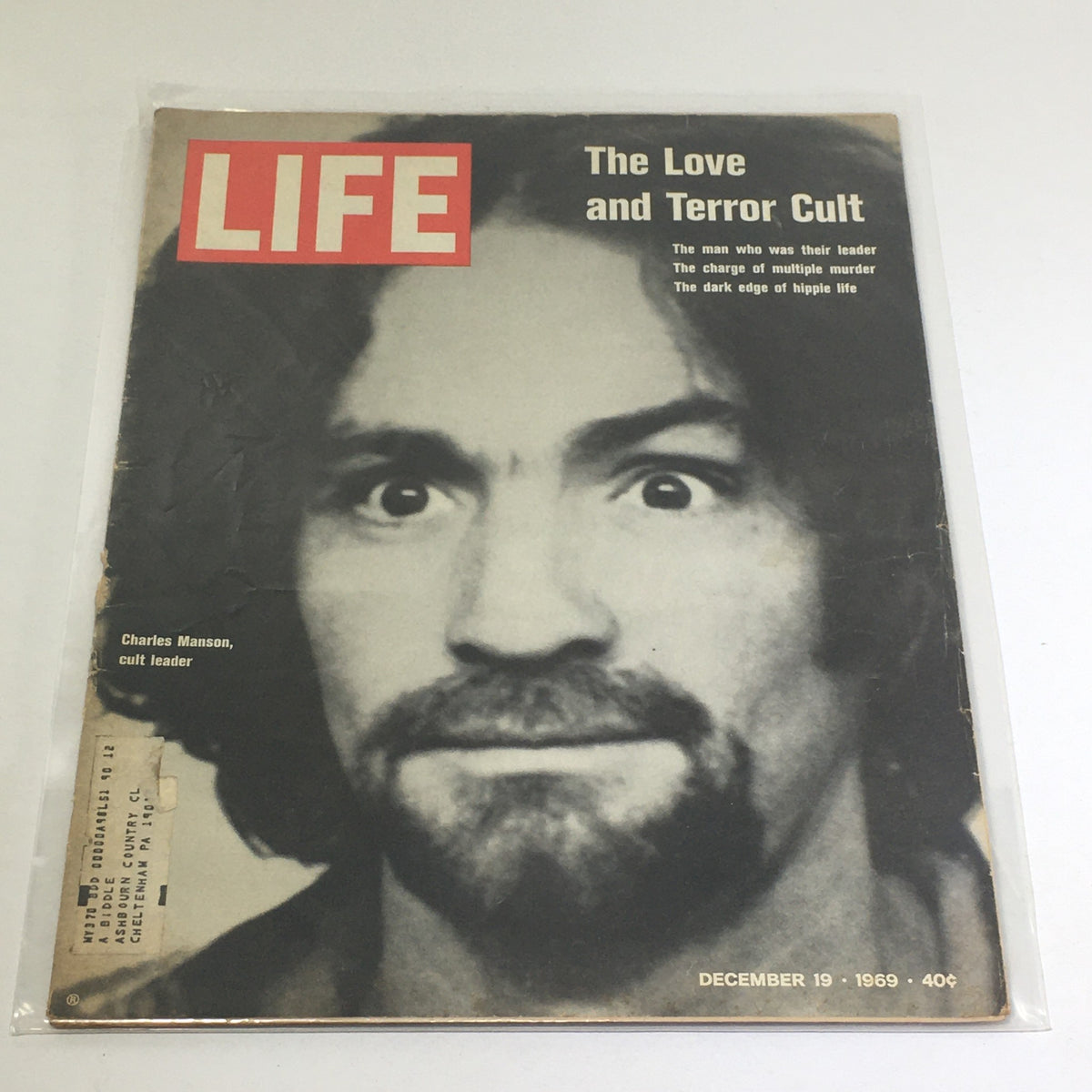
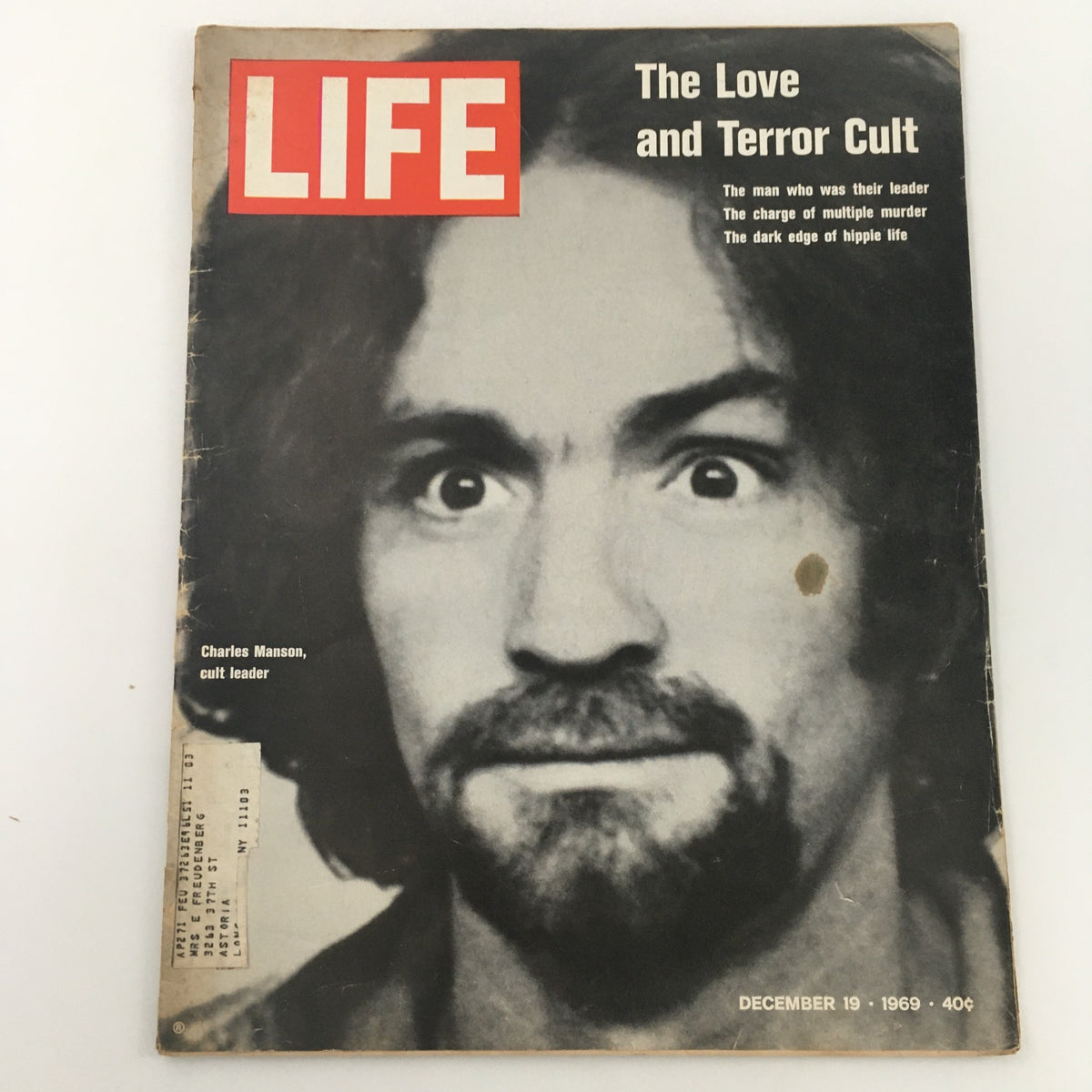
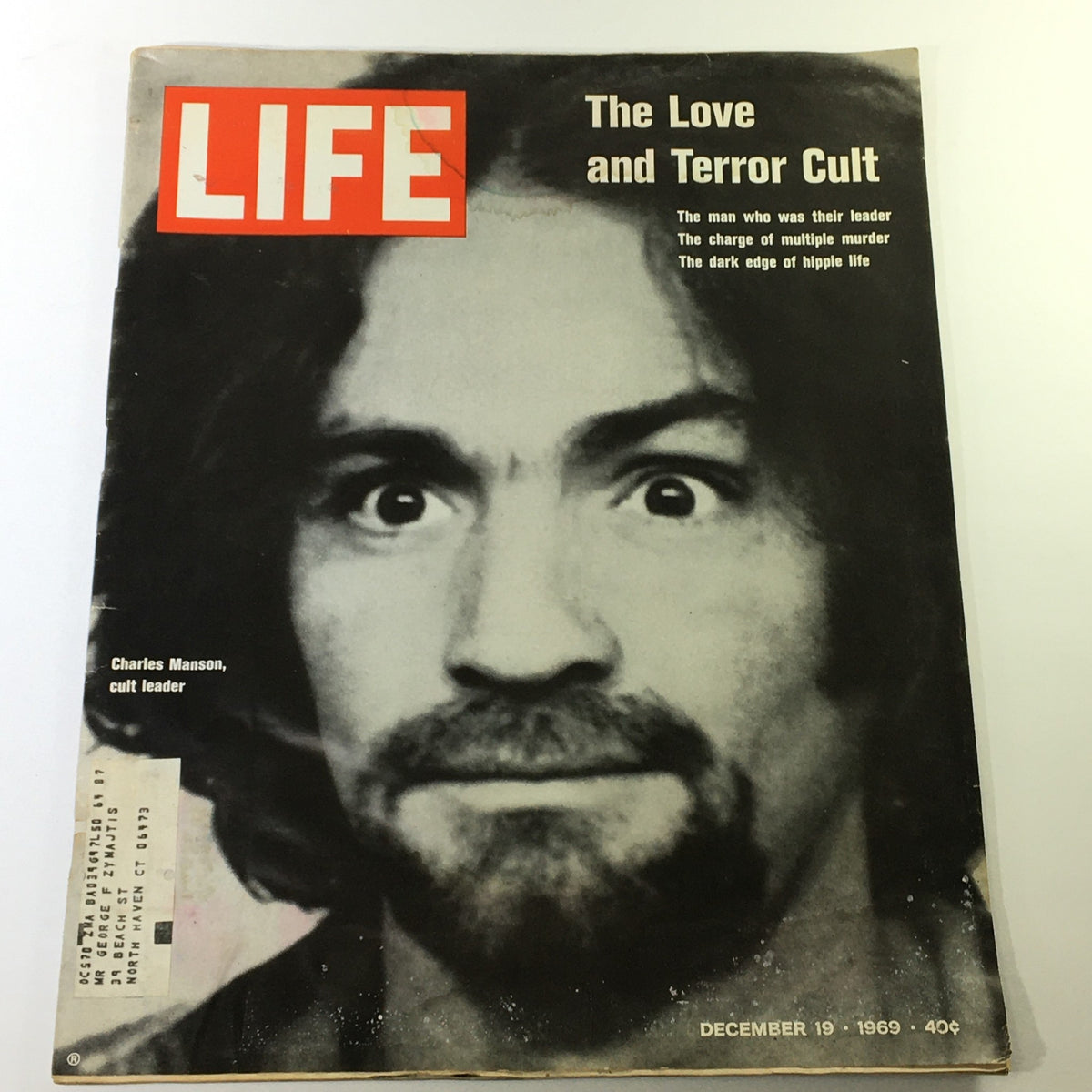
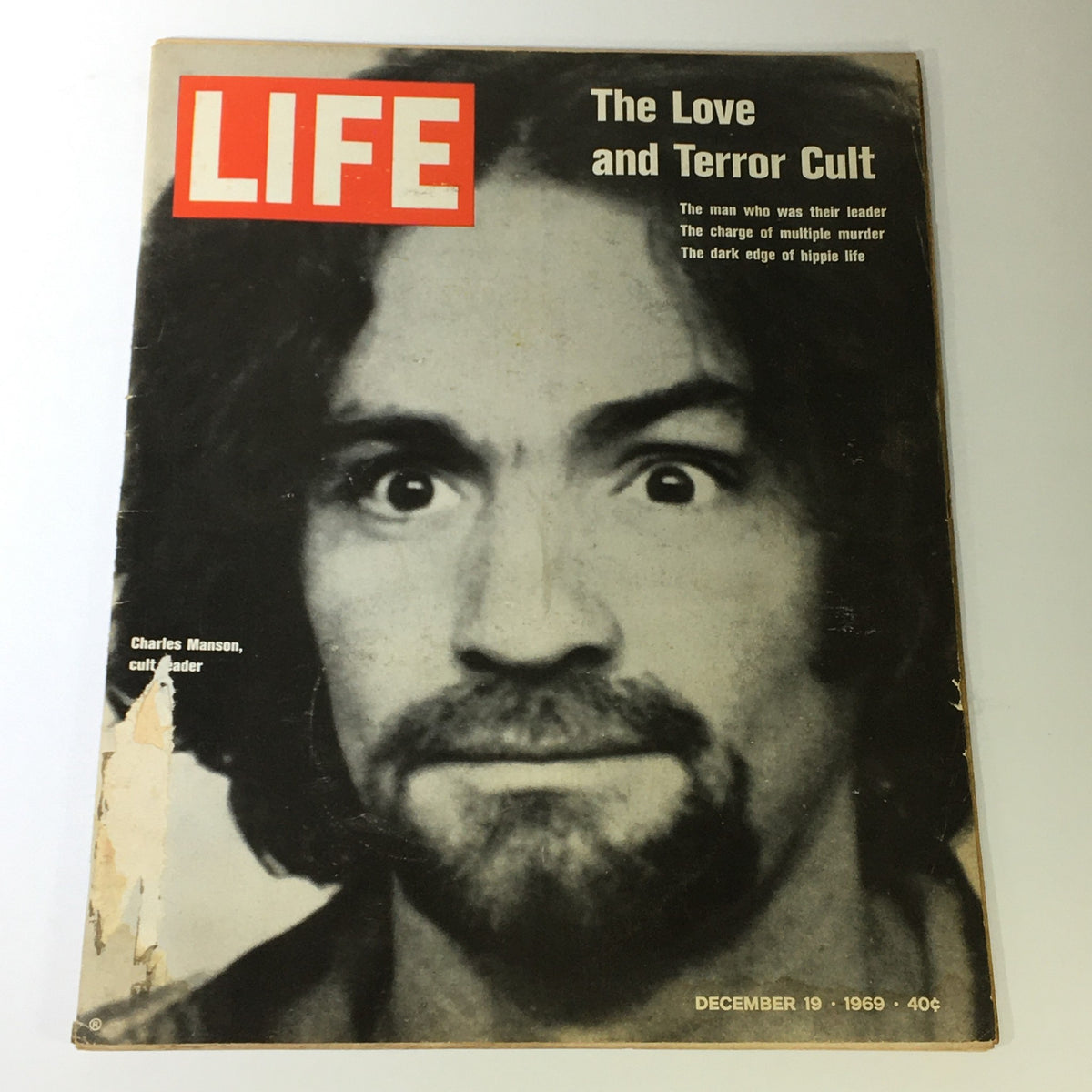
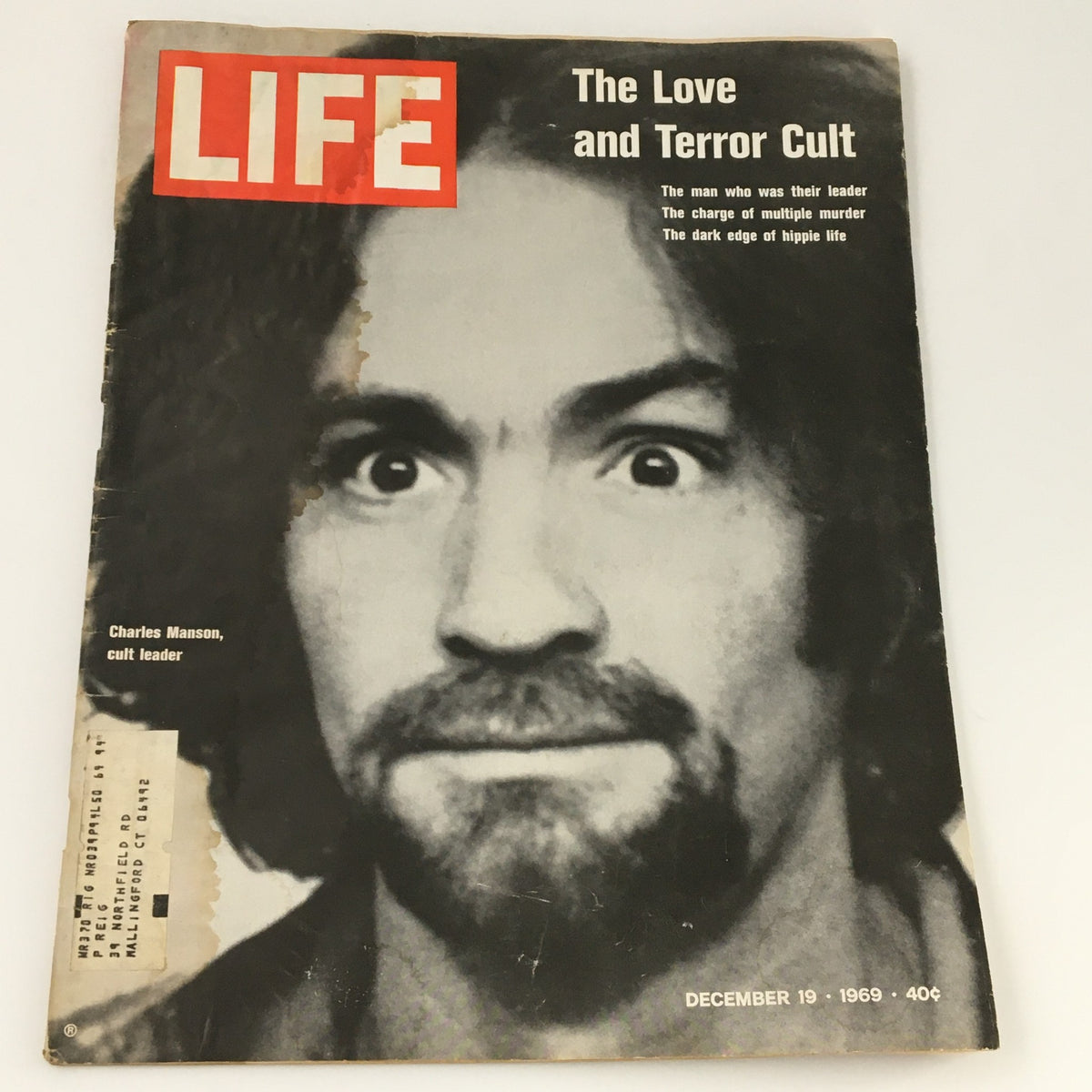
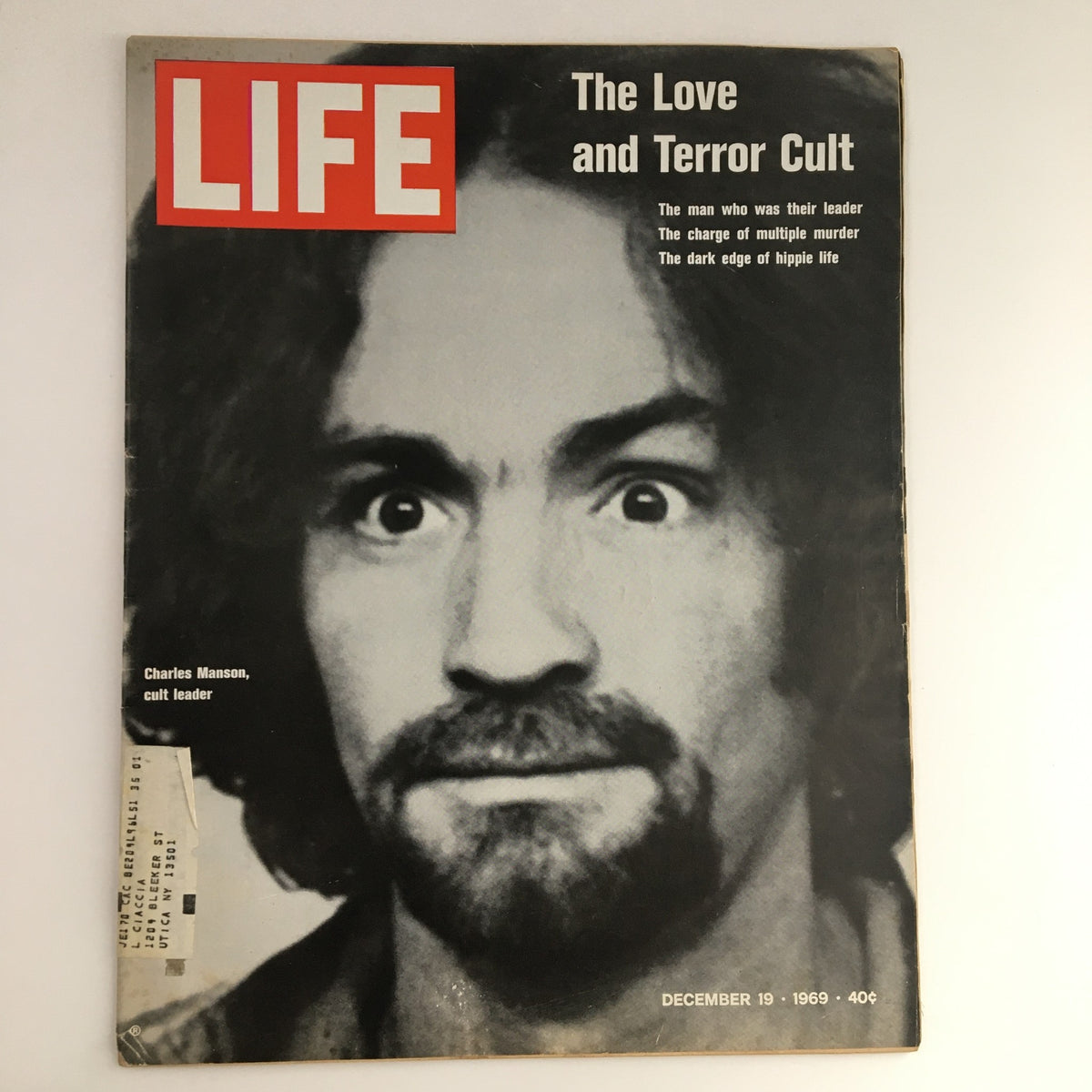
The coverage that emerged from 1969 through the mid-1970s represents some of the most viscerally charged photojournalism and editorial writing of the postwar era. Photographers captured the wild-eyed courtroom appearances, the shaved heads, the carved foreheads, and the circus atmosphere on the steps of the Hall of Justice in a way that no subsequent medium has ever truly replicated — grainy, immediate, and deeply unsettling in the way only analog film could render. Life magazine devoted multiple issues to the murders, the Family, and the cultural reckoning that followed, treating the story with the measured gravity of a national catastrophe. Time and Newsweek traded cover real estate throughout the trial, their editorial tones swinging between clinical analysis and barely contained alarm. Niche true-crime and pulp crime publications of the early 1970s, meanwhile, offered a rawer, more sensationalist form of coverage that has since become a collector's subgenre unto itself, preserving a street-level portrait of how ordinary Americans consumed this story in real time.
Curator's Checklist: Highlights Often Include
- Trial & Courtroom Coverage (1970–1971): Issues documenting the marathon criminal proceedings, featuring photography of the defendant, his co-conspirators, and the extraordinary circus atmosphere that surrounded one of the longest trials in California history
- The "Death of the '60s" Cultural Essays: Long-form journalism pieces, particularly from late 1969 and 1970, in which prominent editors and cultural critics used the murders as a lens through which to eulogize the counterculture — often among the most powerful writing of the decade
- Victim & Crime Scene Retrospectives: Coverage focused on the Tate and LaBianca households, the Hollywood social world of the victims, and the LAPD investigation, frequently appearing in major weekly newsmagazines within weeks of the events
- Prison-Era & Parole Hearing Features (1970s–2000s): Periodic magazine features revisiting the case during parole hearings, anniversaries, and renewed public interest — a decades-long thread of coverage that traces America's evolving relationship with the story
- True Crime & Pulp Magazine Issues: Smaller-circulation crime digest publications from the early 1970s that covered the case in lurid, illustrated detail, now highly collectible as artifacts of a particular strain of American popular culture
The Collector's Value
To hold one of these original issues is to hold the era's anxiety in your hands — the slightly brittle newsprint, the sharp chemical tang of decades-old ink, the surrounding advertisements for Chevrolets and cigarettes and Kodak film that remind you, startlingly, that ordinary American life continued on the very same pages. These are not reprints or digital scans; they are primary sources, eyewitness documents that captured a nation's horror and fascination in the weeks and months when the story was still raw and the outcome uncertain. The images within have an unmediated quality that no documentary or podcast can replicate — a directness born from the fact that editors were processing these events in something close to real time, with no historical distance to soften the editorial choices. For collectors of true crime ephemera, postwar Americana, and 1960s–1970s counterculture history, these publications offer an irreplaceable window into one of the most psychologically complex chapters of the American 20th century. Explore the current inventory below and discover which pieces of this dark, indelible history are available today.